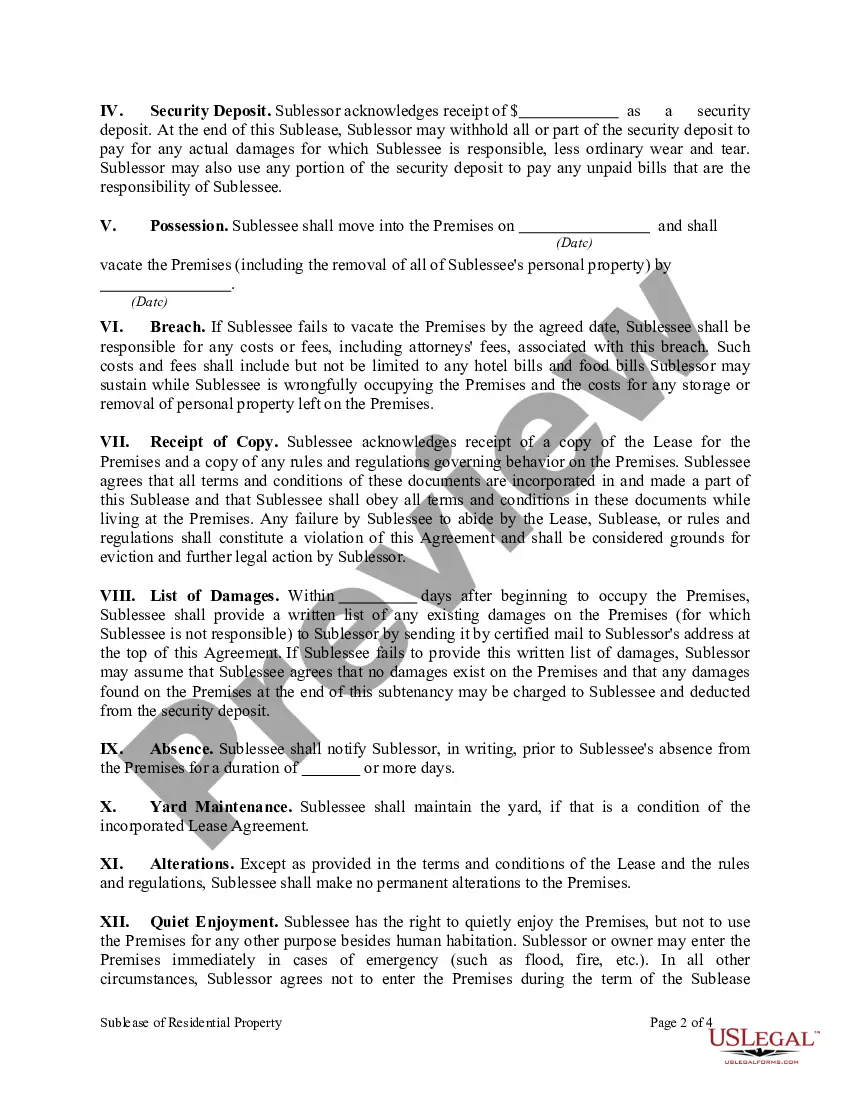
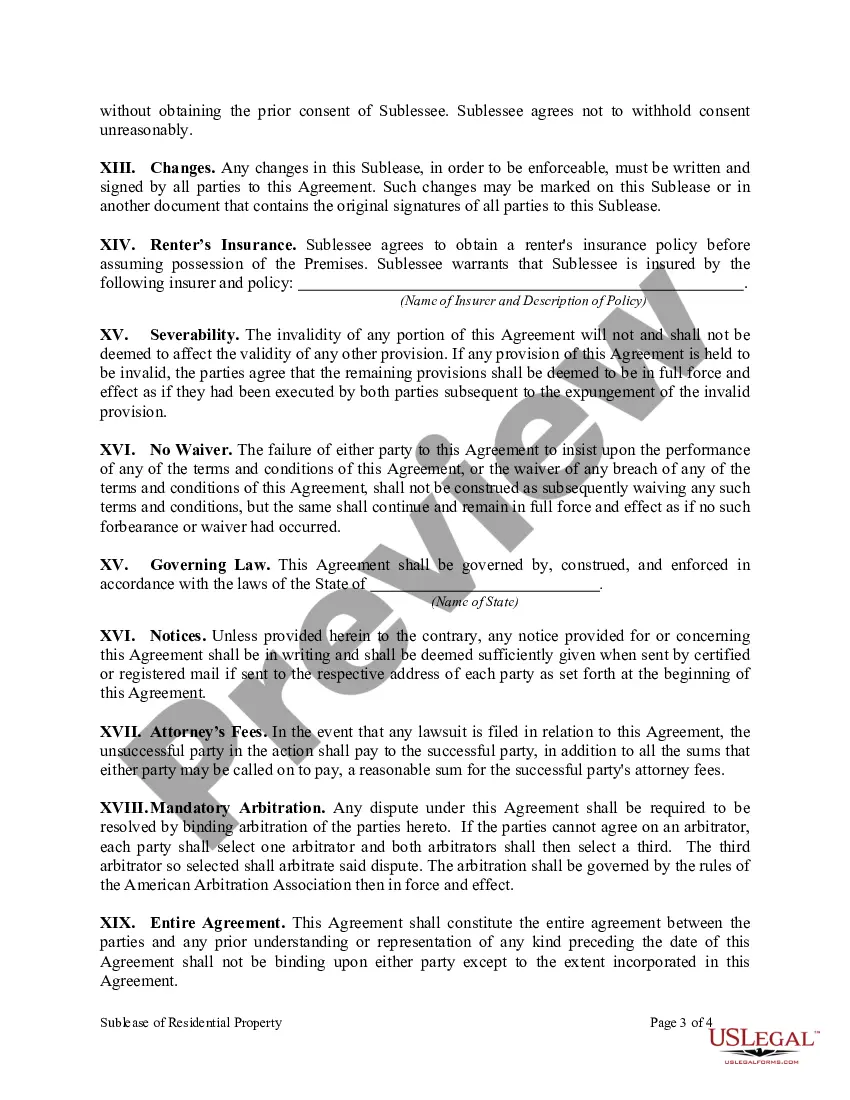
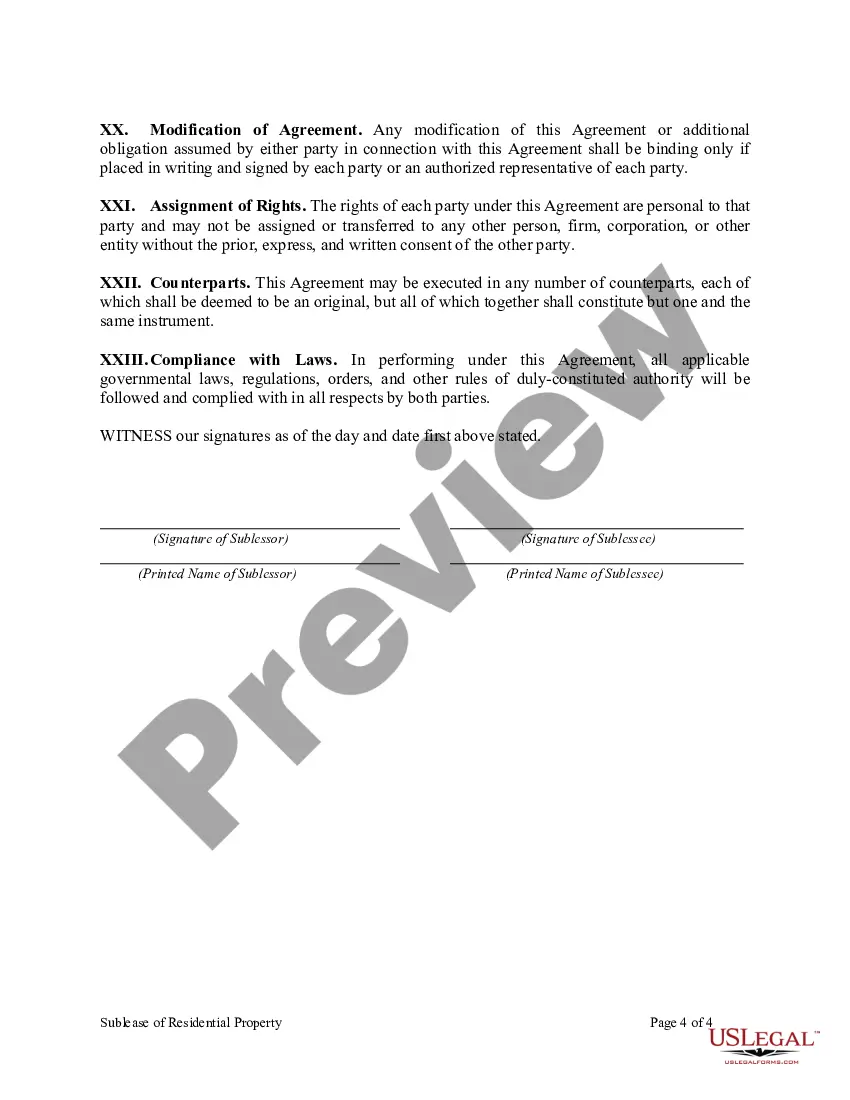
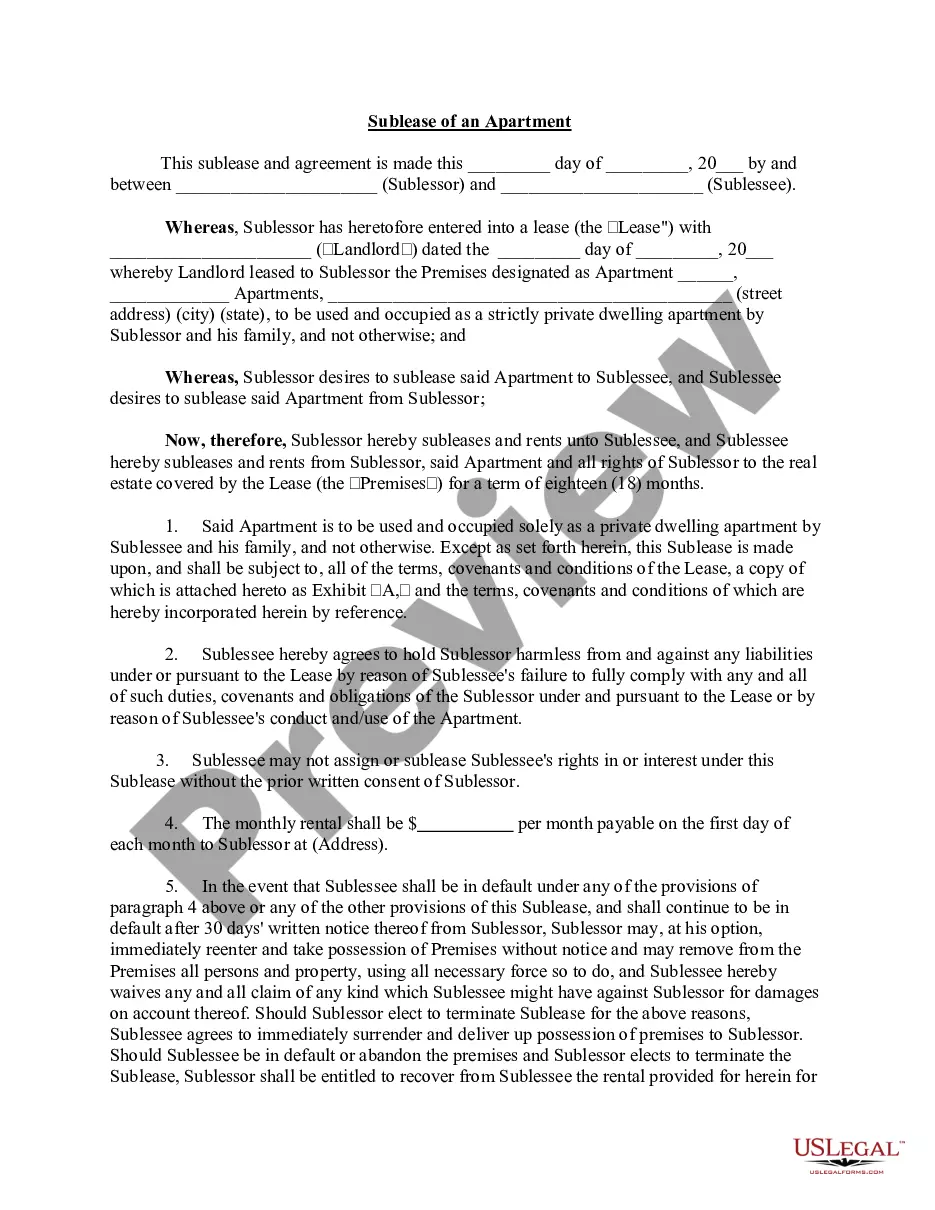
Sublease Property Agreement With Agricultural In Hennepin
Description

Get your form ready online
Our built-in tools help you complete, sign, share, and store your documents in one place.
Make edits, fill in missing information, and update formatting in US Legal Forms—just like you would in MS Word.
Download a copy, print it, send it by email, or mail it via USPS—whatever works best for your next step.
Sign and collect signatures with our SignNow integration. Send to multiple recipients, set reminders, and more. Go Premium to unlock E-Sign.
If this form requires notarization, complete it online through a secure video call—no need to meet a notary in person or wait for an appointment.
We protect your documents and personal data by following strict security and privacy standards.

Make edits, fill in missing information, and update formatting in US Legal Forms—just like you would in MS Word.

Download a copy, print it, send it by email, or mail it via USPS—whatever works best for your next step.

Sign and collect signatures with our SignNow integration. Send to multiple recipients, set reminders, and more. Go Premium to unlock E-Sign.

If this form requires notarization, complete it online through a secure video call—no need to meet a notary in person or wait for an appointment.

We protect your documents and personal data by following strict security and privacy standards.
Looking for another form?









Form popularity
FAQ
Minnesota law requires written consent from the original landlord for subleasing. This may be part of the initial lease or a separate agreement. If the lease does not mention subleasing, tenants might have the freedom to proceed, but it's crucial to consult the landlord first.
A landlord can file for an eviction action for tenants who do not vacate or leave the rental premises by the end of their notice period. This only applies to at-will tenants or tenants who have not signed a written lease/rental agreement or contract with the landlord.
A new tenant-landlord law protects renters by amending housing lease provisions, allowing tenants to organize to improve living conditions, and providing further protection for victims of domestic and sexual violence.
File an eviction lawsuit: If the subtenant still doesn't leave after getting the notice, you can file an eviction lawsuit in court. The eviction proceedings include gathering and presenting evidence, such as the lease agreement, written notices, and any documentation about the unauthorized subletting situation.
Landlords restrict subletting because they want control of who's in their properties. You wanna sublet so you can get out of a lease, so your standards are somewhat reduced. You might not care about security of the place, you might not care about the subletters background, he has a lease with you not the landlord.
Minnesota law requires written consent from the original landlord for subleasing. This may be part of the initial lease or a separate agreement. If the lease does not mention subleasing, tenants might have the freedom to proceed, but it's crucial to consult the landlord first.
How to Write One Identify all parties to the contract. Define the lease term. Identify the terms and rent amount. Address any other financial responsibilities. Discuss the terms of the security deposit. List any other restrictions. Date and sign the agreement. Attach a copy of the original lease.
A Minnesota sublease agreement is the contract that lets the existing tenant rent all or some of a rental property to the new tenant. The subtenant then makes payments that are usually equivalent to the rent due on the original lease agreement. Sometimes, a primary tenant must leave the dwelling for long periods.
In Minnesota there are two systems of public real estate records, Abstract and Torrens. Abstract – System of recording evidence of real estate title.
You may come into the Recorder's Office and look at the official plat, order a copy online by entering the name of the plat instead of the document number, search for the property on LandShark GIS, search/download the plat using LandShark online searching, or contact the Public Works Department at 651-213-8700. 5.
