Sublease Requirements In Chicago
Description

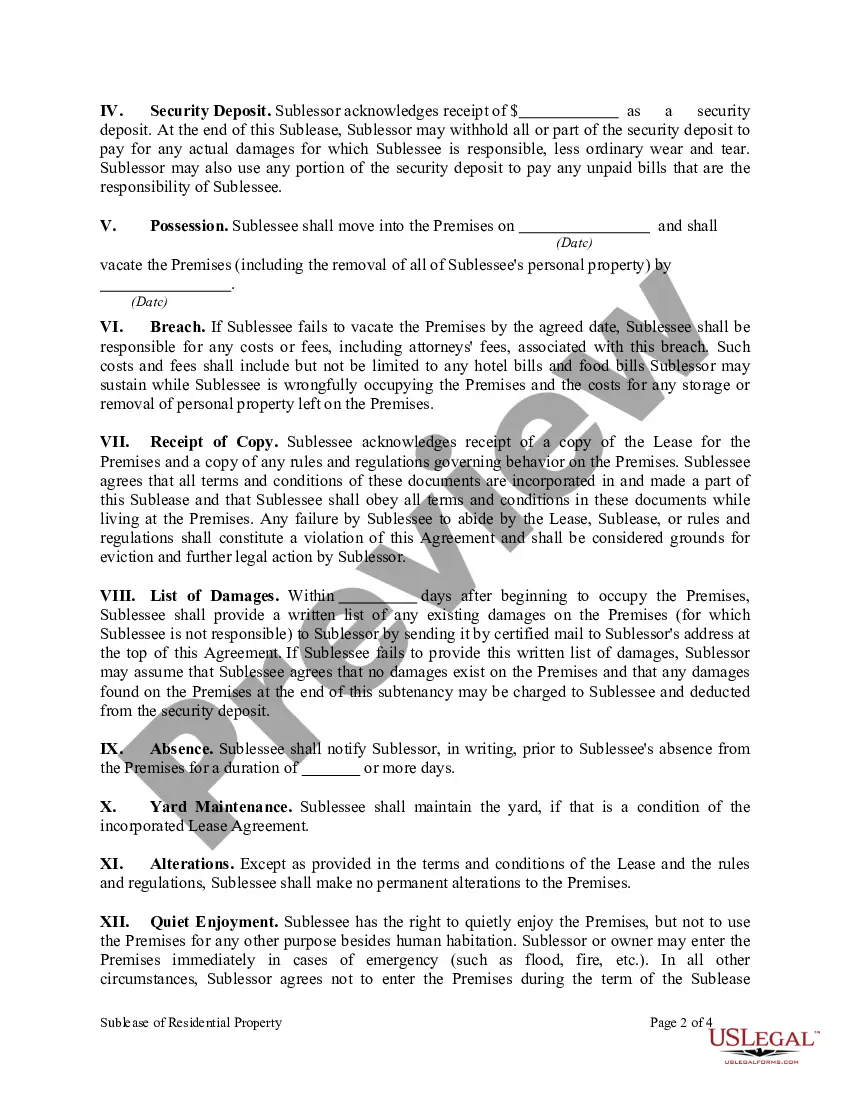
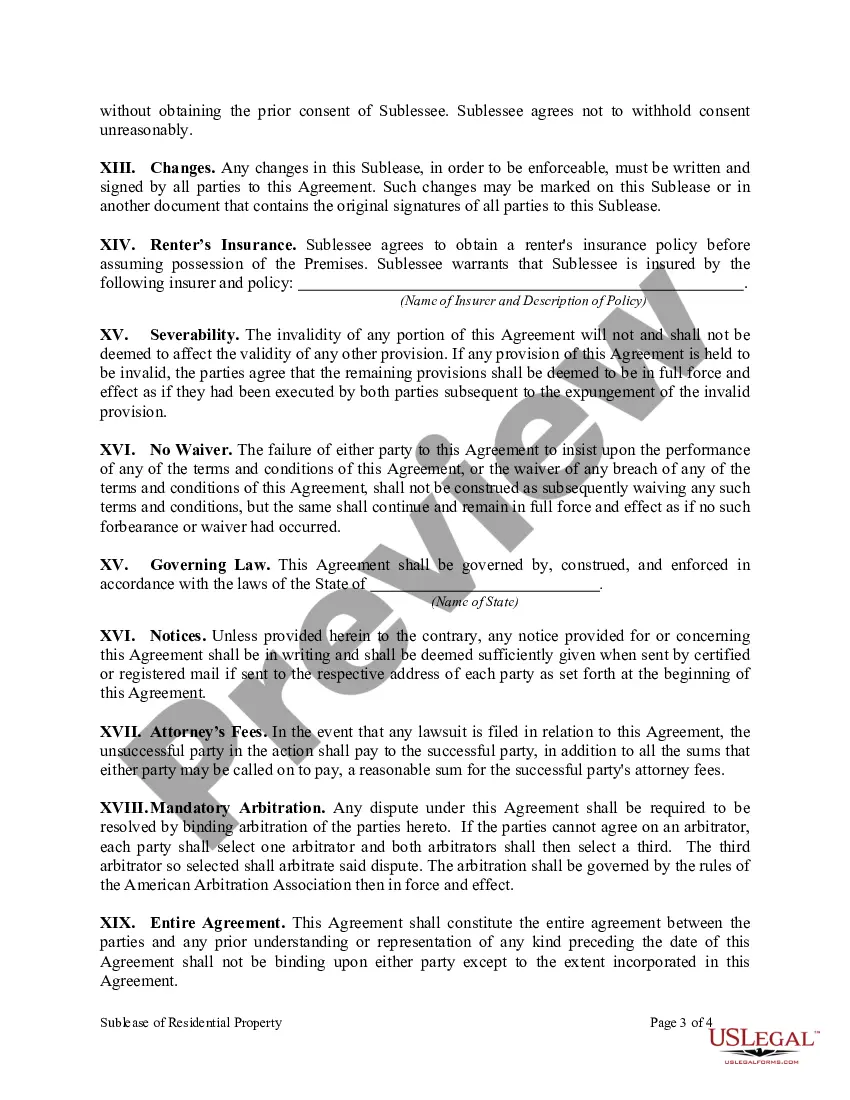
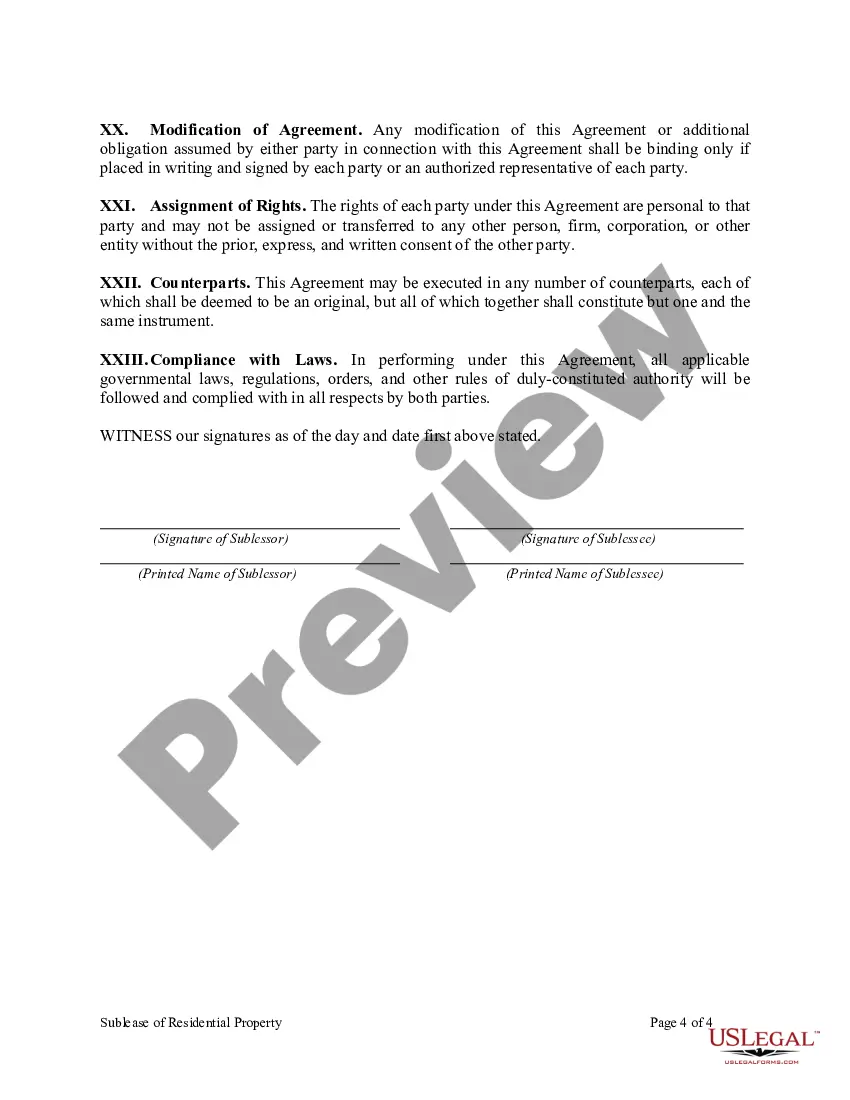

Get your form ready online
Our built-in tools help you complete, sign, share, and store your documents in one place.
Make edits, fill in missing information, and update formatting in US Legal Forms—just like you would in MS Word.
Download a copy, print it, send it by email, or mail it via USPS—whatever works best for your next step.
Sign and collect signatures with our SignNow integration. Send to multiple recipients, set reminders, and more. Go Premium to unlock E-Sign.
If this form requires notarization, complete it online through a secure video call—no need to meet a notary in person or wait for an appointment.
We protect your documents and personal data by following strict security and privacy standards.

Make edits, fill in missing information, and update formatting in US Legal Forms—just like you would in MS Word.

Download a copy, print it, send it by email, or mail it via USPS—whatever works best for your next step.

Sign and collect signatures with our SignNow integration. Send to multiple recipients, set reminders, and more. Go Premium to unlock E-Sign.

If this form requires notarization, complete it online through a secure video call—no need to meet a notary in person or wait for an appointment.

We protect your documents and personal data by following strict security and privacy standards.
Looking for another form?




Form popularity
FAQ
In most cases, your landlord can't stop you from subleasing a Chicago apartment, so long as you find a subtenant who meets the landlord's reasonable requirements.
In this state, there are no specific subletting laws as long as the original lease does not prohibit such action. If no clause prohibits the tenant from renting a leased unit to someone else, the terms of the first lease remain the same.
Consent from the landlord A tenant must get a landlord's written permission to sub-let or transfer any part of the property. If a tenant does this without consent, they are breaching the terms of the tenancy agreement.
Understanding Subletting Laws in California The lease agreement plays a significant role in determining whether subletting is permitted. If your lease explicitly prohibits sublets, that restriction holds. However, most leases require tenants to obtain written approval from their landlords before subletting.
In this state, there are no specific subletting laws as long as the original lease does not prohibit such action. If no clause prohibits the tenant from renting a leased unit to someone else, the terms of the first lease remain the same.
Step 1: Check your lease Check your rental agreement or lease documentation for specific rules on subletting your apartment. Step 2: Send landlord a letter Send your landlord or building manager a certified letter asking permission to sublet, and wait for approval. Keep copies of all communications.
