Real Estate Offer Form Massachusetts In Travis
Description
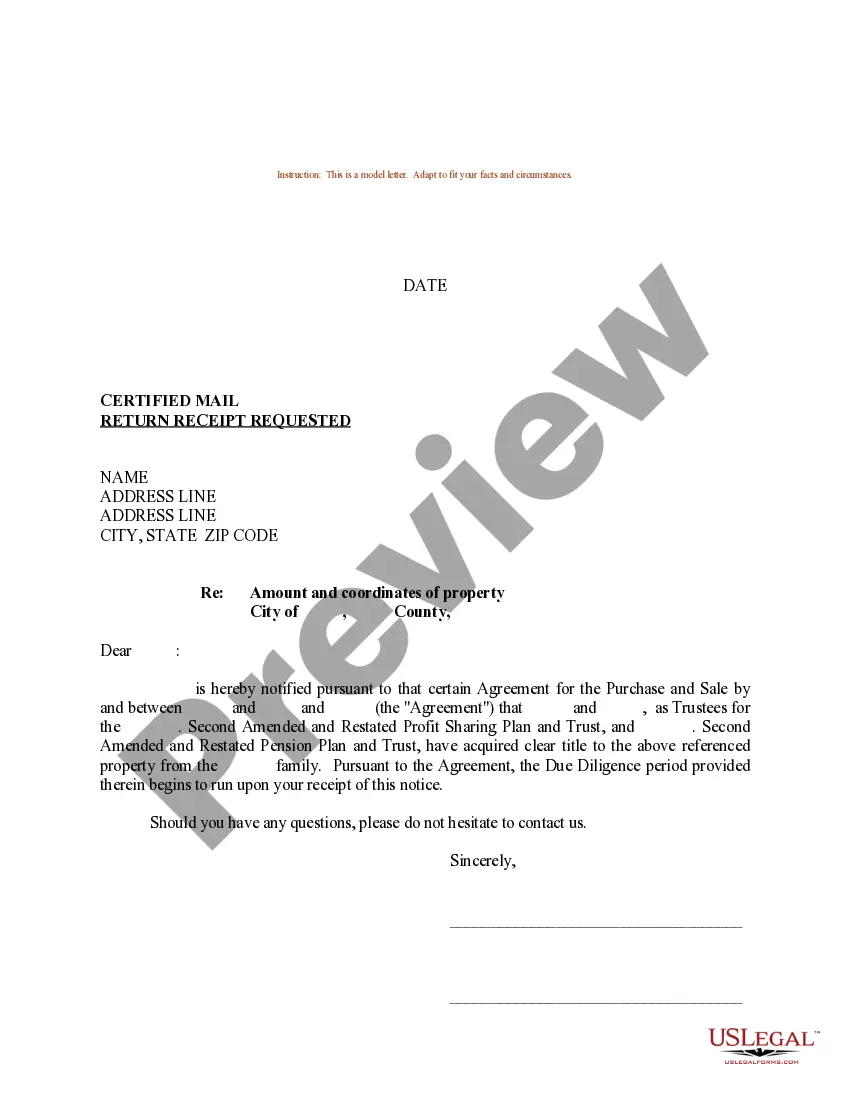
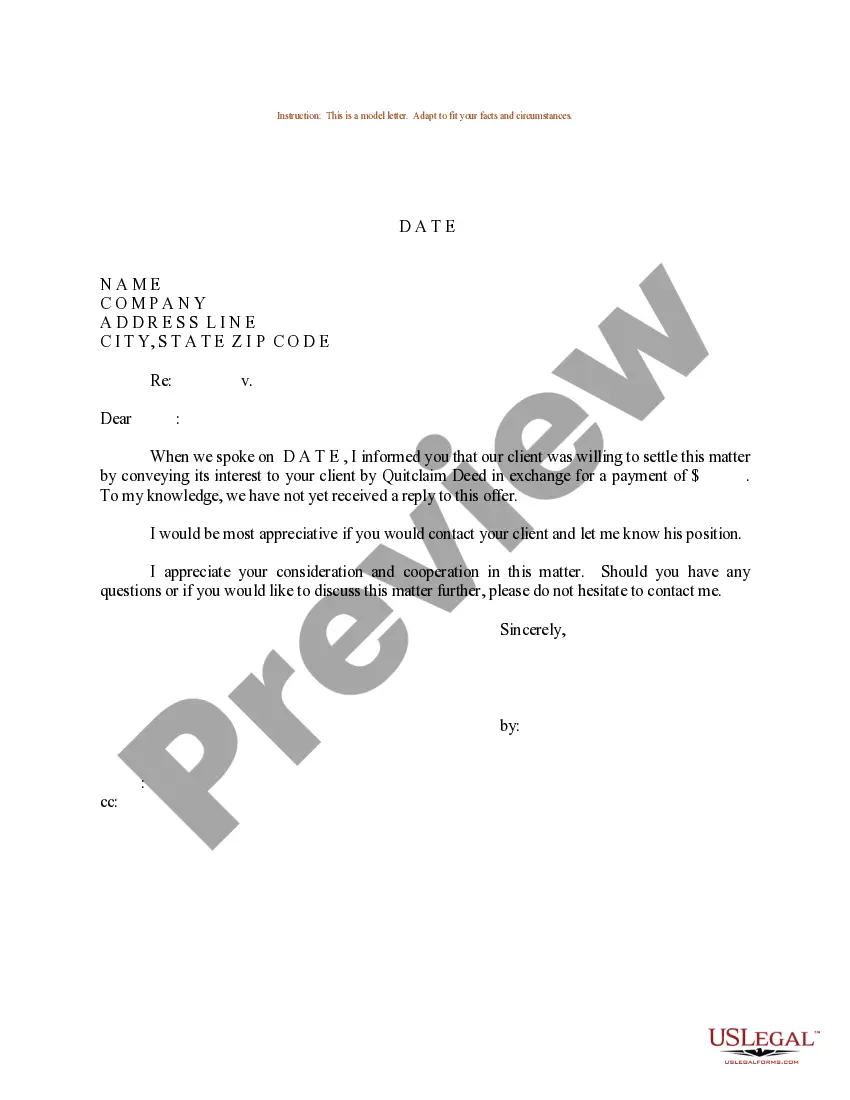
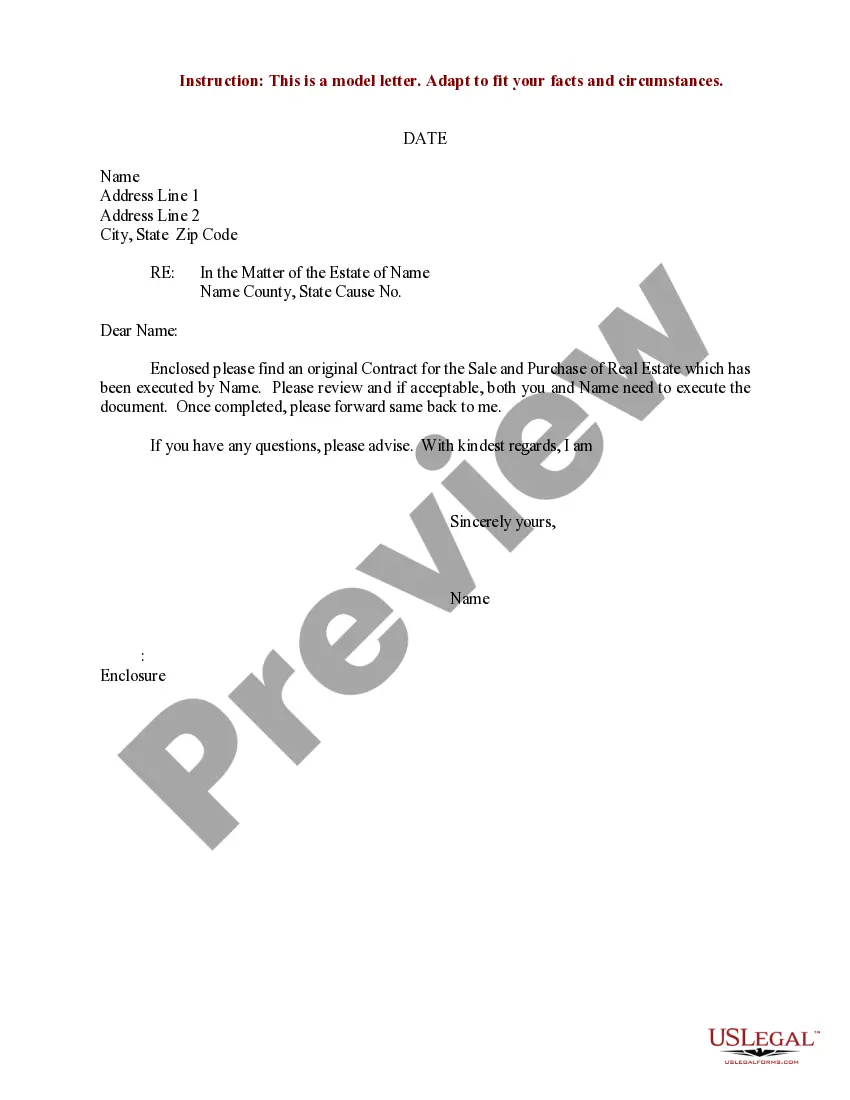

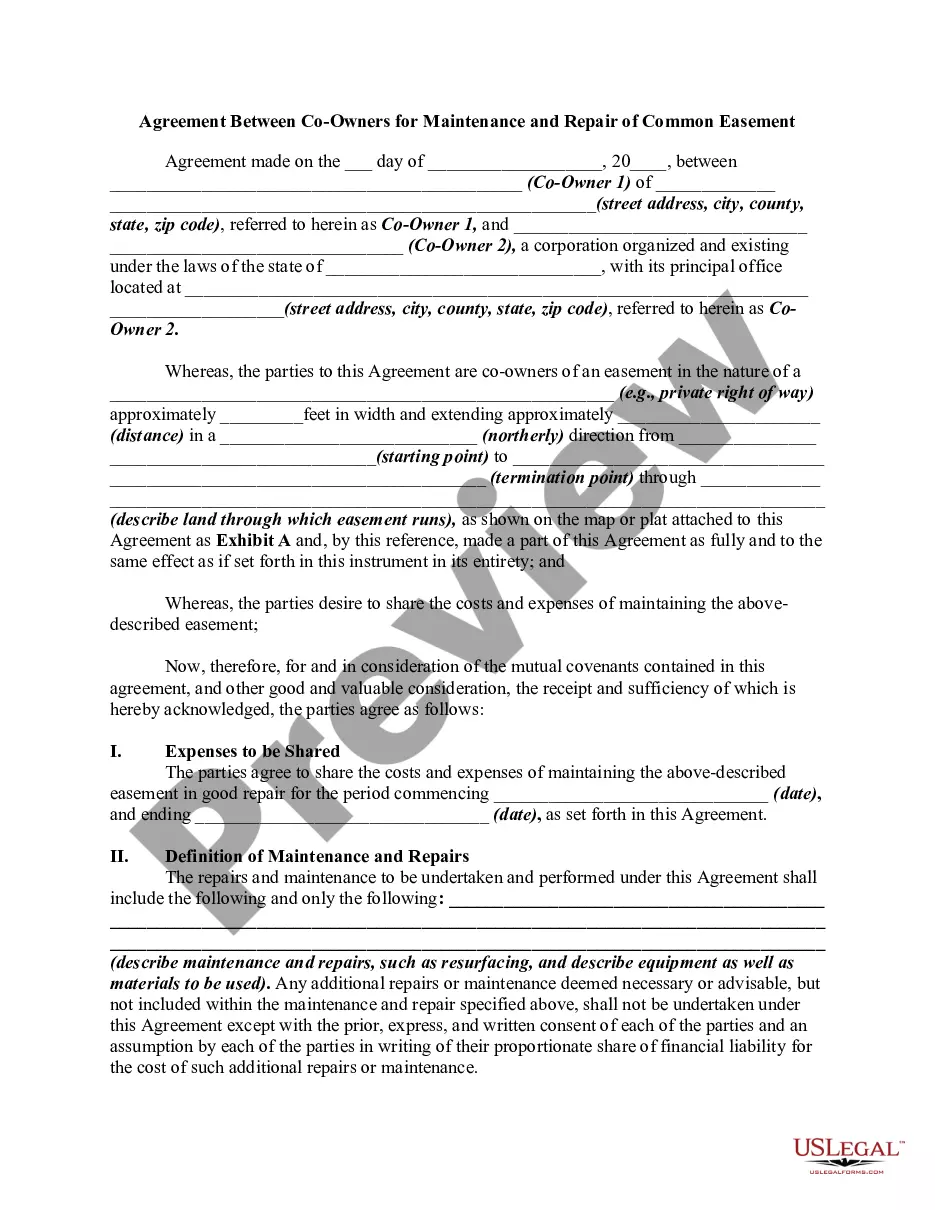
Get your form ready online
Our built-in tools help you complete, sign, share, and store your documents in one place.
Make edits, fill in missing information, and update formatting in US Legal Forms—just like you would in MS Word.
Download a copy, print it, send it by email, or mail it via USPS—whatever works best for your next step.
Sign and collect signatures with our SignNow integration. Send to multiple recipients, set reminders, and more. Go Premium to unlock E-Sign.
If this form requires notarization, complete it online through a secure video call—no need to meet a notary in person or wait for an appointment.
We protect your documents and personal data by following strict security and privacy standards.

Make edits, fill in missing information, and update formatting in US Legal Forms—just like you would in MS Word.

Download a copy, print it, send it by email, or mail it via USPS—whatever works best for your next step.

Sign and collect signatures with our SignNow integration. Send to multiple recipients, set reminders, and more. Go Premium to unlock E-Sign.

If this form requires notarization, complete it online through a secure video call—no need to meet a notary in person or wait for an appointment.

We protect your documents and personal data by following strict security and privacy standards.
Looking for another form?








Form popularity
FAQ
Offers and counter offers in writing Offers and counter offers should be in writing to ensure that the terms, time frames and legal obligations of the parties are understood. Written counter offers should include a specific time period for acceptance.
If the buyer is not working with a real estate agent and does not have representation, the offer would come directly from the buyer. Represented buyers can also write their own offer letter and have their agent submit it for them.
You can use the following steps as guidance when countering a job offer to negotiate your compensation: Ask for time to make your decision. Conduct research on industry compensation. Assess your qualifications and experience. Review and evaluate the initial offer. Determine your counteroffer value. Submit your counteroffer.
A request for the highest and best offer can occur in real estate when a seller receives multiple offers during the sale of their home. The seller might request interested buyers to submit their highest offer with their best terms, allowing them to choose whichever one they like best without engaging in negotiations.
You can organize your job offer letter how you see fit, although consider including basic information, such as: Job title. Base salary. Start date. Employment contingencies, such as background checks, drug screenings, reference checks, I-9 forms, etc. At-will statement.
Here's how to write a great house offer letter: Start with the details. Show you're serious. Introduce yourself. Flatter the home seller. Keep the letter short. Go the extra mile. Examples of house offer letters.
Typically, formal offers are sent by the buyer's broker to the seller's broker in writing via email. In some cases, a buyer will also write a personal note to the seller to send along with it. That letter is known as a house offer letter.
Yes you can. In fact your realtor would like appreciate your proactive approach. If you see a house you like, then you can ask your realtor to write up an offer on it.
A letter can be in violation of fair housing laws. Seller's agents who accept them are opening themselves and the sellers up to lawsuits. If you are prejudiced toward one type of buyer or another, fine - just don't let it get put into writing.
Writing your own contracts is perfectly possible, and legal. But it's also an incredibly bad idea. There's two reasons for this: Property law is complicated. Because it's such a fundamental part of legislation, it's often lots and lots of different laws layered on top of each other.

