Offer For Property In Santa Clara
Description
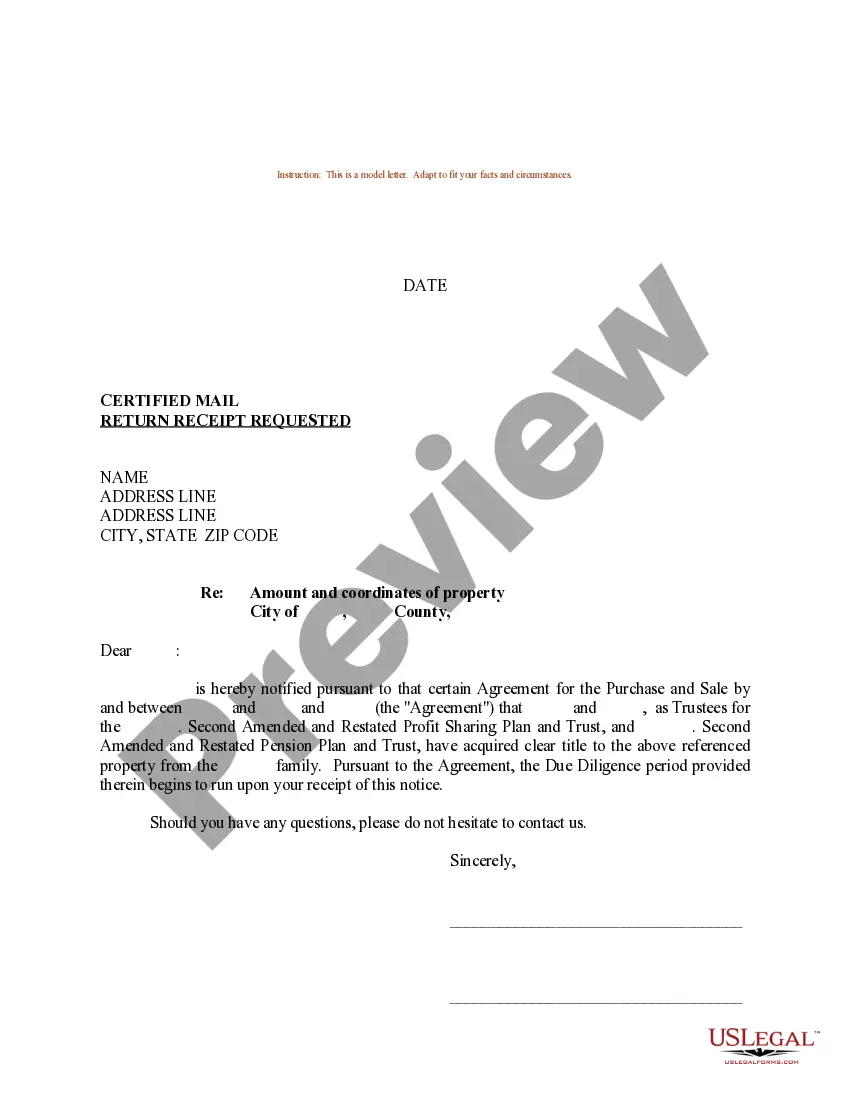
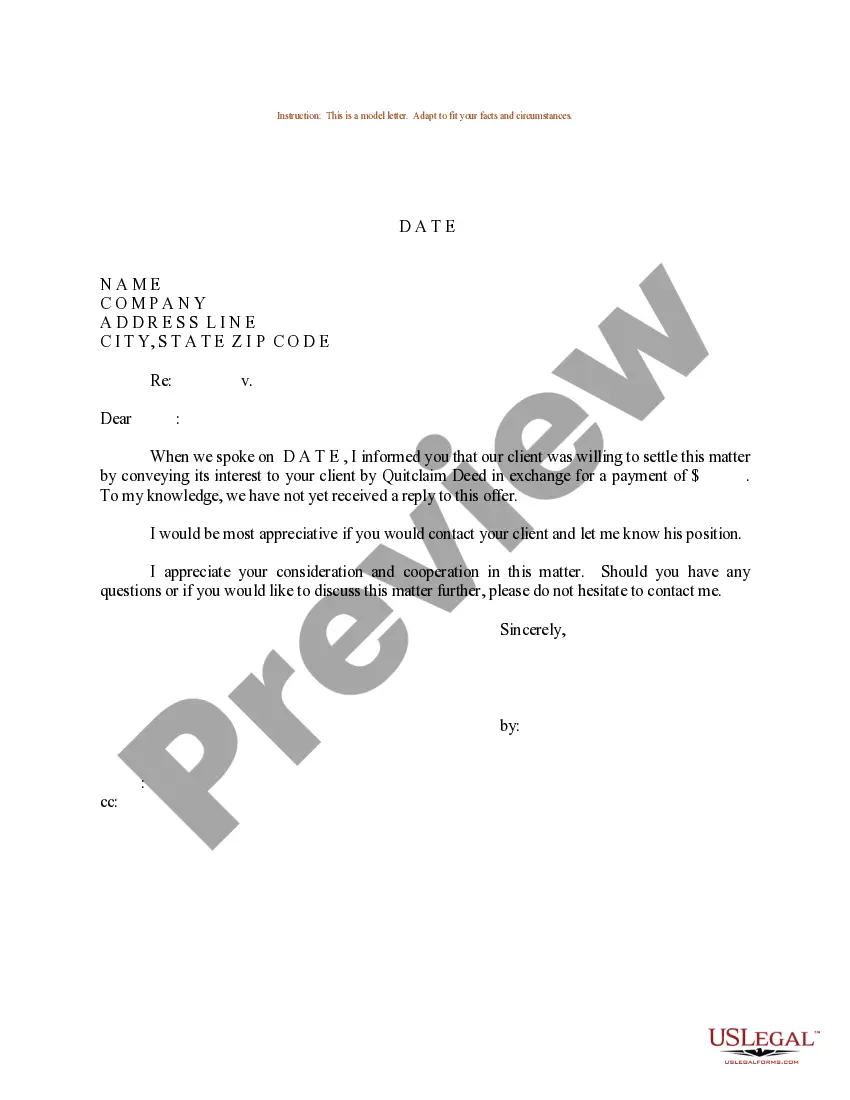
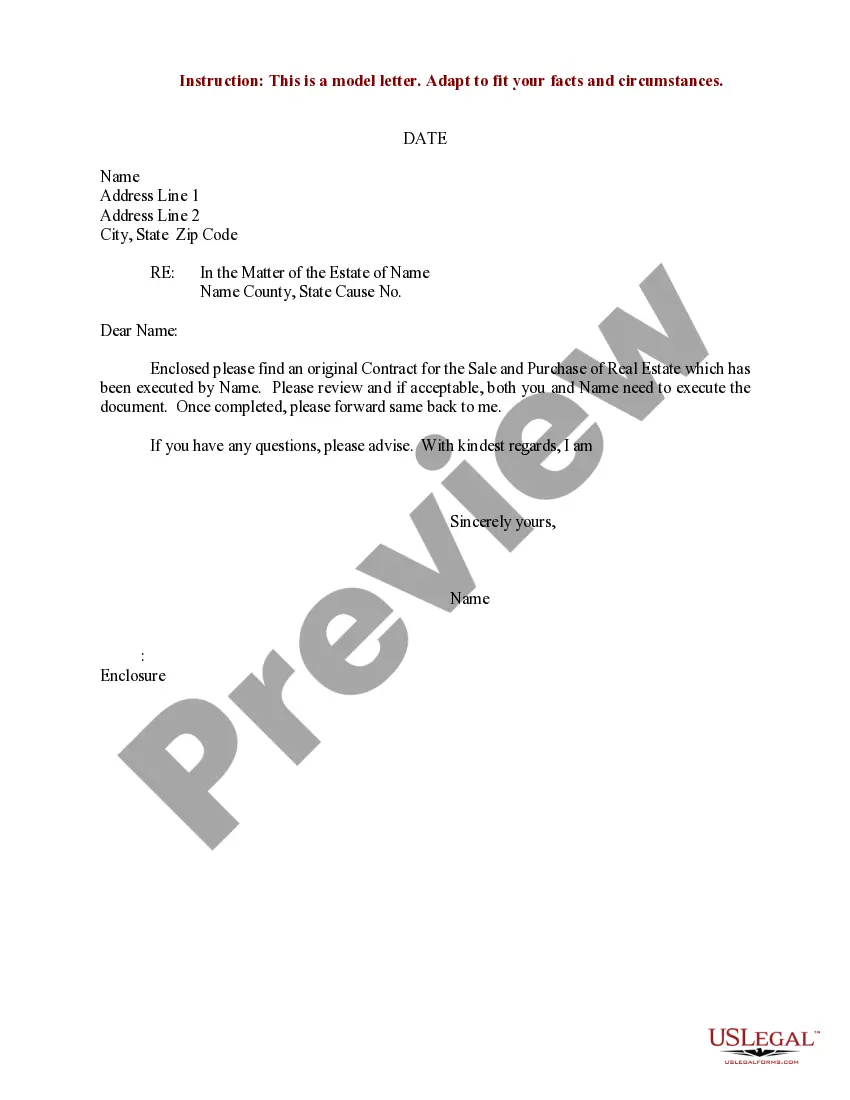
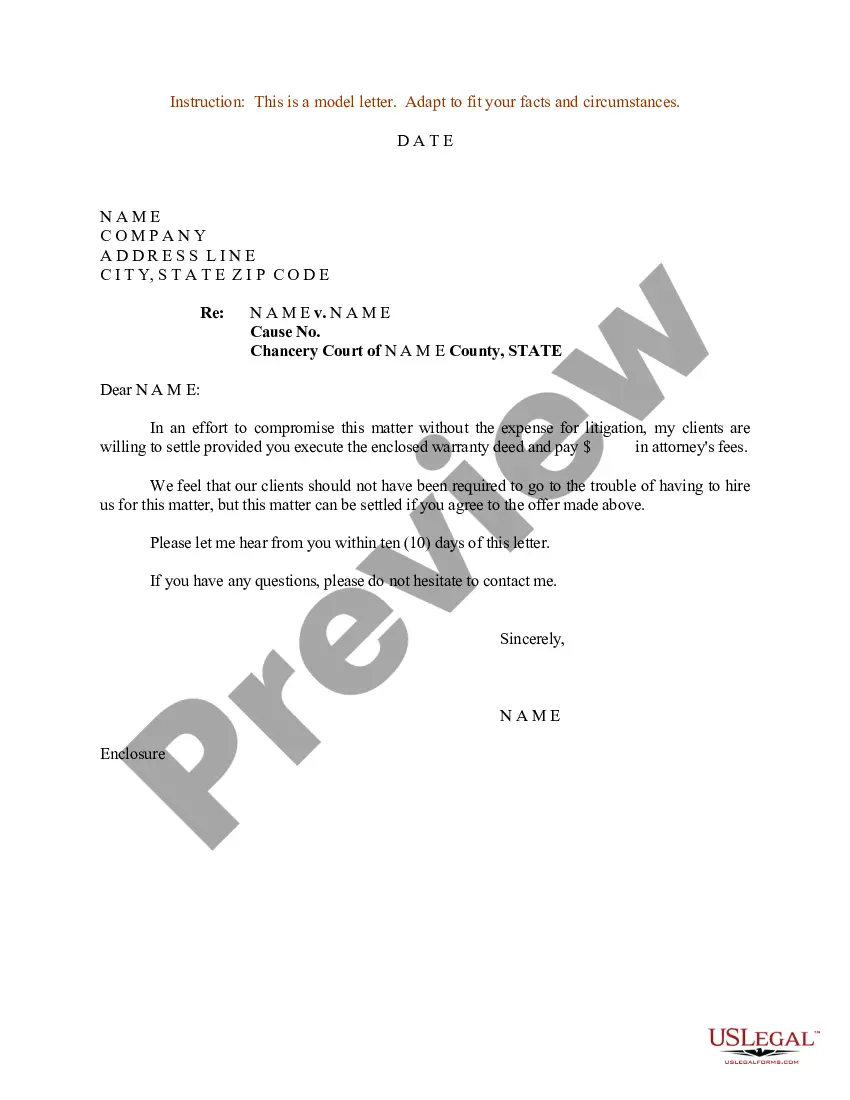
Get your form ready online
Our built-in tools help you complete, sign, share, and store your documents in one place.
Make edits, fill in missing information, and update formatting in US Legal Forms—just like you would in MS Word.
Download a copy, print it, send it by email, or mail it via USPS—whatever works best for your next step.
Sign and collect signatures with our SignNow integration. Send to multiple recipients, set reminders, and more. Go Premium to unlock E-Sign.
If this form requires notarization, complete it online through a secure video call—no need to meet a notary in person or wait for an appointment.
We protect your documents and personal data by following strict security and privacy standards.

Make edits, fill in missing information, and update formatting in US Legal Forms—just like you would in MS Word.

Download a copy, print it, send it by email, or mail it via USPS—whatever works best for your next step.

Sign and collect signatures with our SignNow integration. Send to multiple recipients, set reminders, and more. Go Premium to unlock E-Sign.

If this form requires notarization, complete it online through a secure video call—no need to meet a notary in person or wait for an appointment.

We protect your documents and personal data by following strict security and privacy standards.
Looking for another form?
Form popularity
FAQ
A letter can be in violation of fair housing laws. Seller's agents who accept them are opening themselves and the sellers up to lawsuits. If you are prejudiced toward one type of buyer or another, fine - just don't let it get put into writing.
Yes, it can be appropriate and even thoughtful to write a letter to the seller when making an offer on their house. A well-crafted letter can express your genuine interest, explain why you love the property, and provide some personal background. Keep it respectful and focused on your enthusiasm for the home.
Address the Seller and Introduce Yourself. If you know the seller's name, use that, but you likely won't know the name of the owner of the home. Detail What Makes the Home Stand Out to You. Find Common Ground. Present Your Offer. Note Any Contingencies You Have. Close with a Friendly Thank You.
Tips For Writing An Offer Letter For a House Confirm You Can Submit A Letter. Address The Seller(s) By Name And Introduce Yourself. Highlight What You Like Best About The House. Keep It Short. Avoid Talking About Planned Changes To The House. Don't Talk About Financials. End With A Thank You. Proofread Your Letter.
How To Write A Winning Offer For An Investment Property Work With A Real Estate Agent. Do Your Research. Determine Your Maximum Offer. Lead The Offer With Intent. A well-crafted LOI demonstrates your seriousness as a buyer and can set you apart from other potential buyers. Be Flexible With Contingencies.
Median household income in Santa Clara, CA is $165,352. In 2022, the place with the highest median household income in Santa Clara, CA was Census Tract 5053.04 with a value of $224,435, followed by Census Tract 5061.03 and Census Tract 5054.03, with respective values of $188,946 and $175,735.
Santa Clara's housing expenses are 325% higher than the national average and the utility prices are 10% higher than the national average. Transportation expenses like bus fares and gas prices are 24% higher than the national average. Santa Clara has grocery prices that are 43% higher than the national average.
A properly recorded deed can take anywhere from 14 days to 90 days. That may seem like a long time, but your local government office goes over every little detail on the deed to make sure the property is correct and there are no errors.
To find out earlier rather than later, contact your attorney or escrow agent and ask for a copy of the recording page for your deed. The recording page lists the date the deed was recorded and also the volume and page number where your deed can be found.
It might seem like a long time. But remember good things come to those who wait. The first step isMoreIt might seem like a long time. But remember good things come to those who wait. The first step is to prepare the deed. This involves drafting the document. Getting it notarized.

