Offer For Property In Sacramento
Description
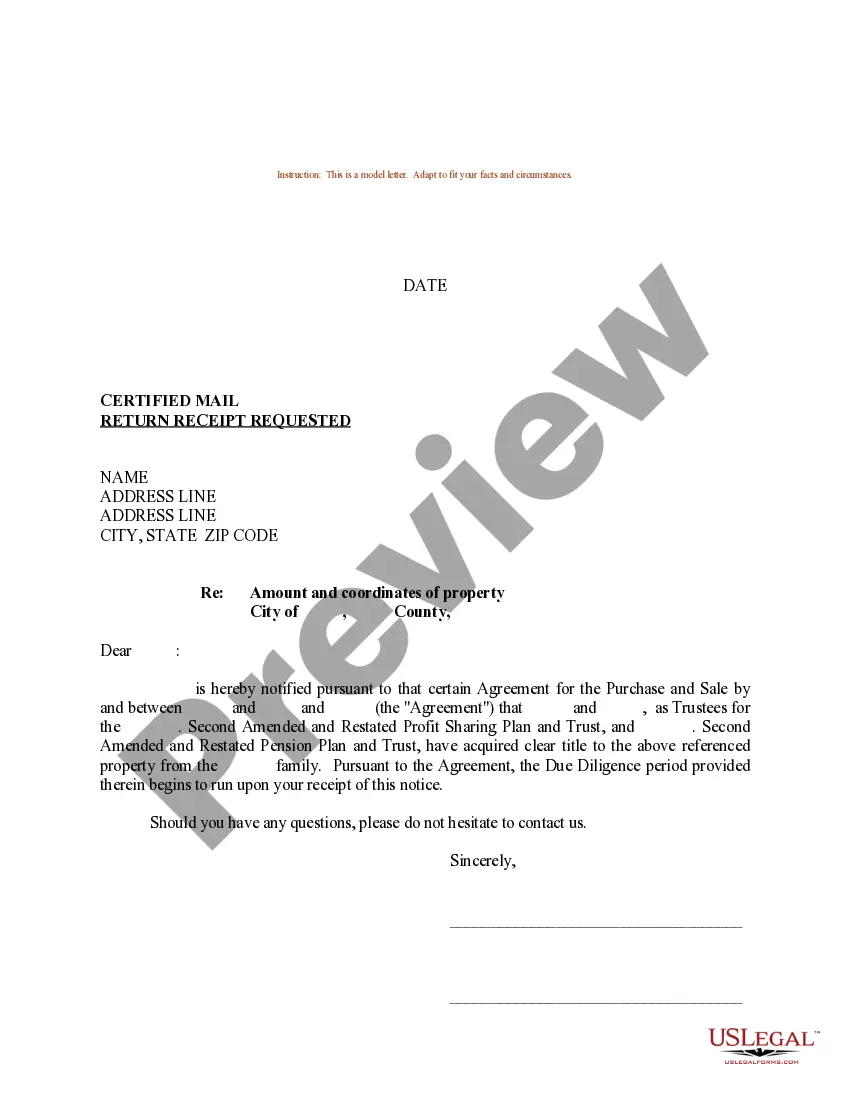
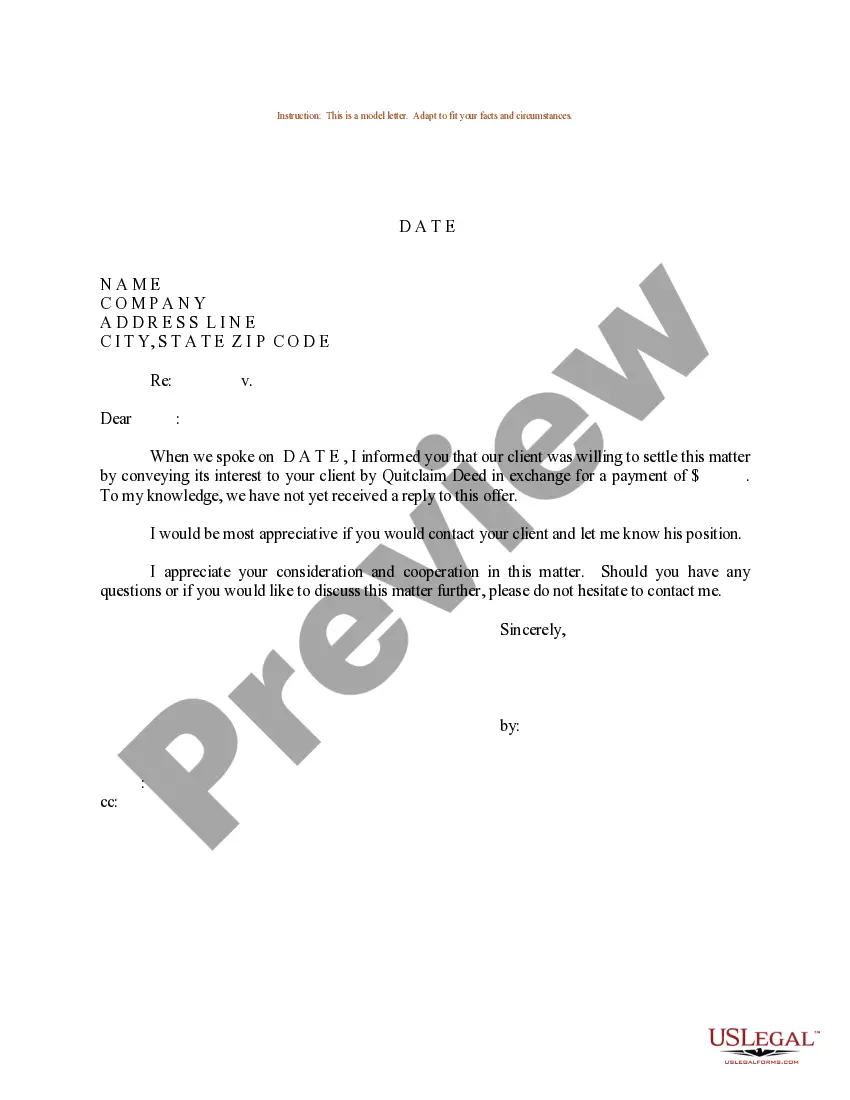
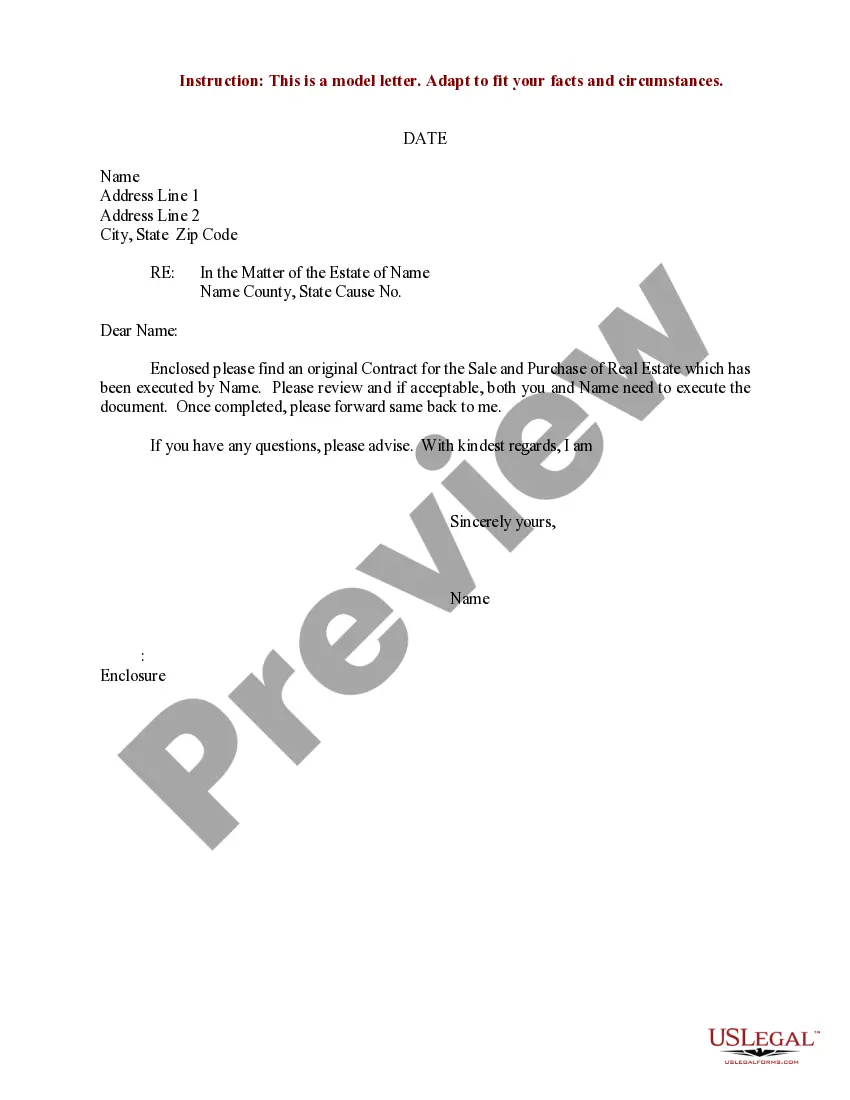

Get your form ready online
Our built-in tools help you complete, sign, share, and store your documents in one place.
Make edits, fill in missing information, and update formatting in US Legal Forms—just like you would in MS Word.
Download a copy, print it, send it by email, or mail it via USPS—whatever works best for your next step.
Sign and collect signatures with our SignNow integration. Send to multiple recipients, set reminders, and more. Go Premium to unlock E-Sign.
If this form requires notarization, complete it online through a secure video call—no need to meet a notary in person or wait for an appointment.
We protect your documents and personal data by following strict security and privacy standards.

Make edits, fill in missing information, and update formatting in US Legal Forms—just like you would in MS Word.

Download a copy, print it, send it by email, or mail it via USPS—whatever works best for your next step.

Sign and collect signatures with our SignNow integration. Send to multiple recipients, set reminders, and more. Go Premium to unlock E-Sign.

If this form requires notarization, complete it online through a secure video call—no need to meet a notary in person or wait for an appointment.

We protect your documents and personal data by following strict security and privacy standards.
Looking for another form?







Form popularity
FAQ
How To Write A Winning Offer For An Investment Property Work With A Real Estate Agent. Do Your Research. Determine Your Maximum Offer. Lead The Offer With Intent. A well-crafted LOI demonstrates your seriousness as a buyer and can set you apart from other potential buyers. Be Flexible With Contingencies.
Tips For Writing An Offer Letter For a House Confirm You Can Submit A Letter. Address The Seller(s) By Name And Introduce Yourself. Highlight What You Like Best About The House. Keep It Short. Avoid Talking About Planned Changes To The House. Don't Talk About Financials. End With A Thank You. Proofread Your Letter.
A letter can be in violation of fair housing laws. Seller's agents who accept them are opening themselves and the sellers up to lawsuits. If you are prejudiced toward one type of buyer or another, fine - just don't let it get put into writing.
Address the Seller and Introduce Yourself. If you know the seller's name, use that, but you likely won't know the name of the owner of the home. Detail What Makes the Home Stand Out to You. Find Common Ground. Present Your Offer. Note Any Contingencies You Have. Close with a Friendly Thank You.
Yes, it can be appropriate and even thoughtful to write a letter to the seller when making an offer on their house. A well-crafted letter can express your genuine interest, explain why you love the property, and provide some personal background. Keep it respectful and focused on your enthusiasm for the home.
Typically, when a seller rejects your offer they come back with a counteroffer to potentially negotiate a deal that works better for them. If your offer is rejected without a counter, it might mean that your offer was too low to be considered by the seller.
After visiting the home and considering their budget, potential buyers will make an offer on a property. This offer is typically delivered by the buyer's agent to the listing agent, and the listing agent passes on the offer to the seller.
Legally speaking, there isn't a time frame for sellers to respond to your offer. However, it's an unspoken rule in the industry that sellers and/or the listing agents should respond within a few days, with 48 hours as the norm.
Justify Your Offer: When presenting a low offer, explain your reasoning based on your research. Highlight any repairs needed, market conditions, or other relevant factors. Use a Range: Instead of a single lowball figure, present a range. This gives the seller room to negotiate while still keeping your offer low.

