International Agreement Template For Climate Change In Pima
Description





Get your form ready online
Our built-in tools help you complete, sign, share, and store your documents in one place.
Make edits, fill in missing information, and update formatting in US Legal Forms—just like you would in MS Word.
Download a copy, print it, send it by email, or mail it via USPS—whatever works best for your next step.
Sign and collect signatures with our SignNow integration. Send to multiple recipients, set reminders, and more. Go Premium to unlock E-Sign.
If this form requires notarization, complete it online through a secure video call—no need to meet a notary in person or wait for an appointment.
We protect your documents and personal data by following strict security and privacy standards.

Make edits, fill in missing information, and update formatting in US Legal Forms—just like you would in MS Word.

Download a copy, print it, send it by email, or mail it via USPS—whatever works best for your next step.

Sign and collect signatures with our SignNow integration. Send to multiple recipients, set reminders, and more. Go Premium to unlock E-Sign.

If this form requires notarization, complete it online through a secure video call—no need to meet a notary in person or wait for an appointment.

We protect your documents and personal data by following strict security and privacy standards.
Looking for another form?




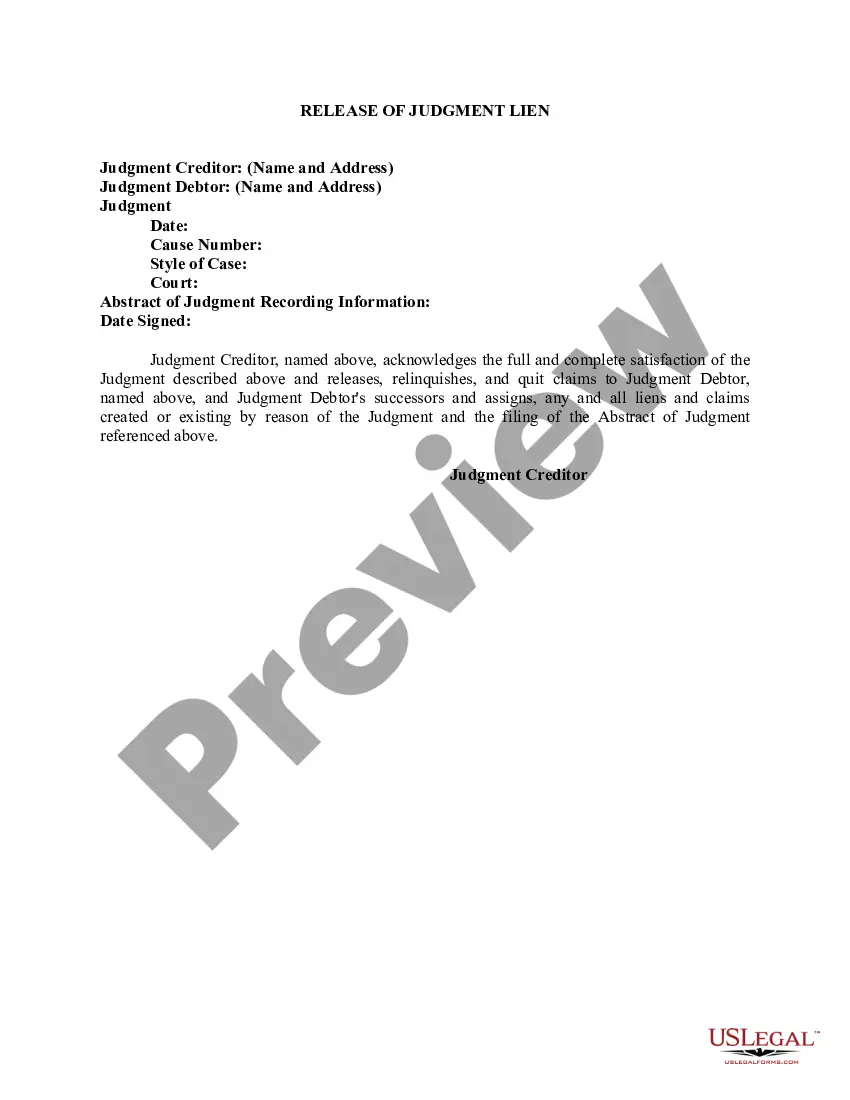




Form popularity
FAQ
What is the Paris Agreement? The Paris Agreement is a legally binding international treaty on climate change. It was adopted by 196 Parties at the UN Climate Change Conference (COP21) in Paris, France, on 12 December 2015.
The Kyoto Protocol PDF, adopted in 1997 and entered into force in 2005, was the first legally binding climate treaty. It required developed countries to reduce emissions by an average of 5 percent below 1990 levels, and established a system to monitor countries' progress.
To limit global warming to 1.5°C, greenhouse gas emissions must peak before 2025 at the latest and decline 43% by 2030.
Considering the challenges that NGOs may face in developing proposals to address these issues, we are presenting some useful information on how to write them effectively. Project Rationale or Background. Cause and Effect Relationship. Project Goal and Objectives. Strategies and Actions. Gender and Climate Change.
The Paris Agreement was the first legally-binding global treaty on climate change. It was agreed in 2015 and was implemented from 2016. It sets a long-term temperature target of keeping global warming 'well-below' 2°C above pre-industrial levels, and 'pursuing efforts' to keep it below 1.5°C.
Major sources of international climate change law include the Paris Agreement, the Kyoto Protocol, the United Nations Framework Convention on Climate Change (UNFCCC), and the decisions made by the UNFCCC in implementing these treaties.
In short, the Kyoto Protocol operationalizes the United Nations Framework Convention on Climate Change by committing industrialized countries and economies in transition to limit and reduce greenhouse gases (GHG) emissions in ance with agreed individual targets.
How to Write an Environmental Project Proposal? Understand the Purpose and Scope. Identify Funding Sources. Executive Summary. Project Description. Project Objectives and Outcomes. Budget and Funding Request. Timeline and Work Plan. Methodology and Approach:
Describe the specific geographic area or community your research targets, detailing how climate change has impacted or is expected to impact this area. Include relevant data or studies to support your descriptions, such as changes in precipitation patterns, sea level rise, or increased extreme weather events.
