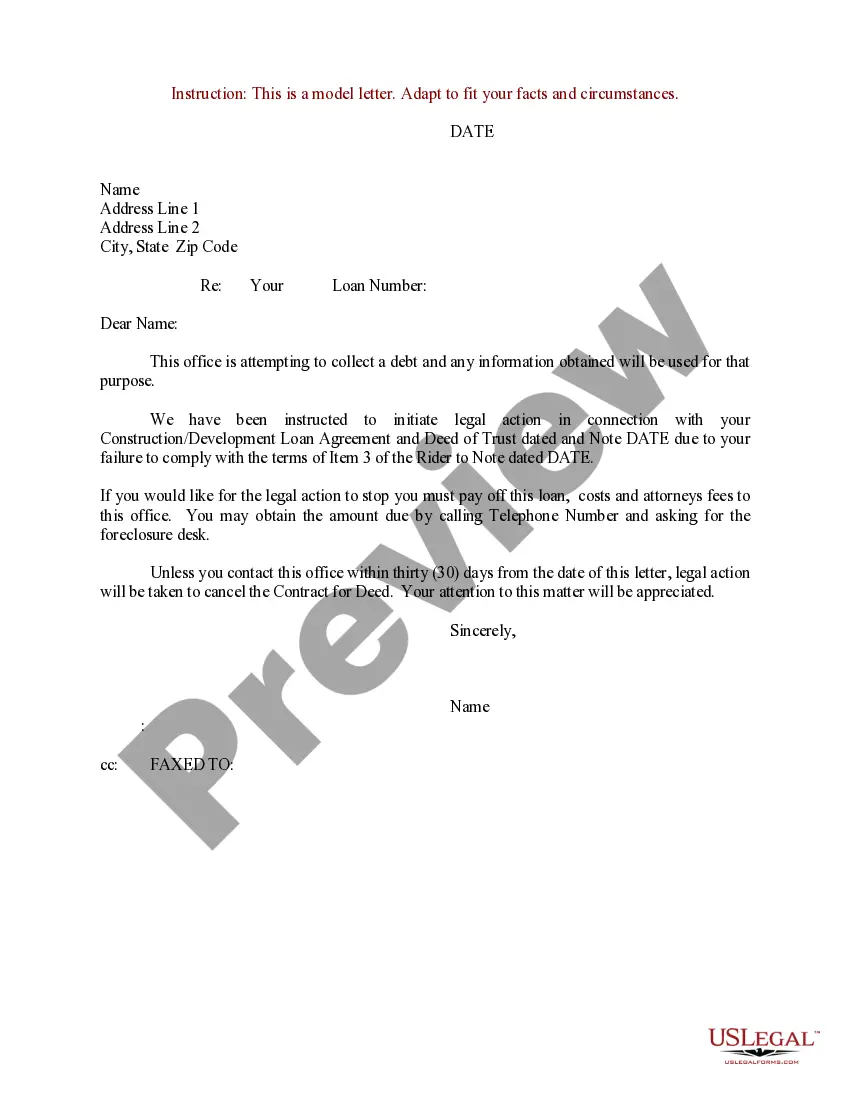
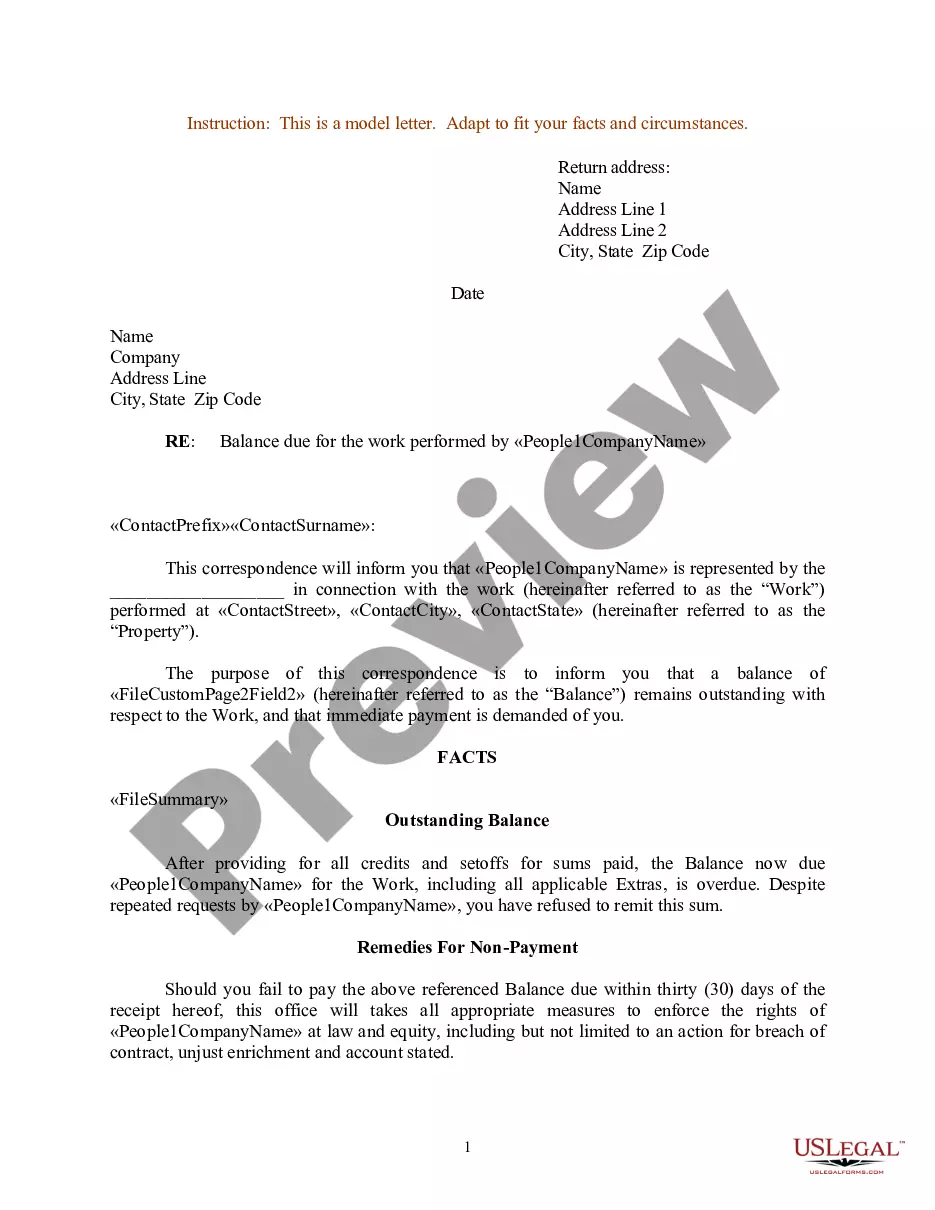
Legal Letter For Collections In Miami-Dade
Description
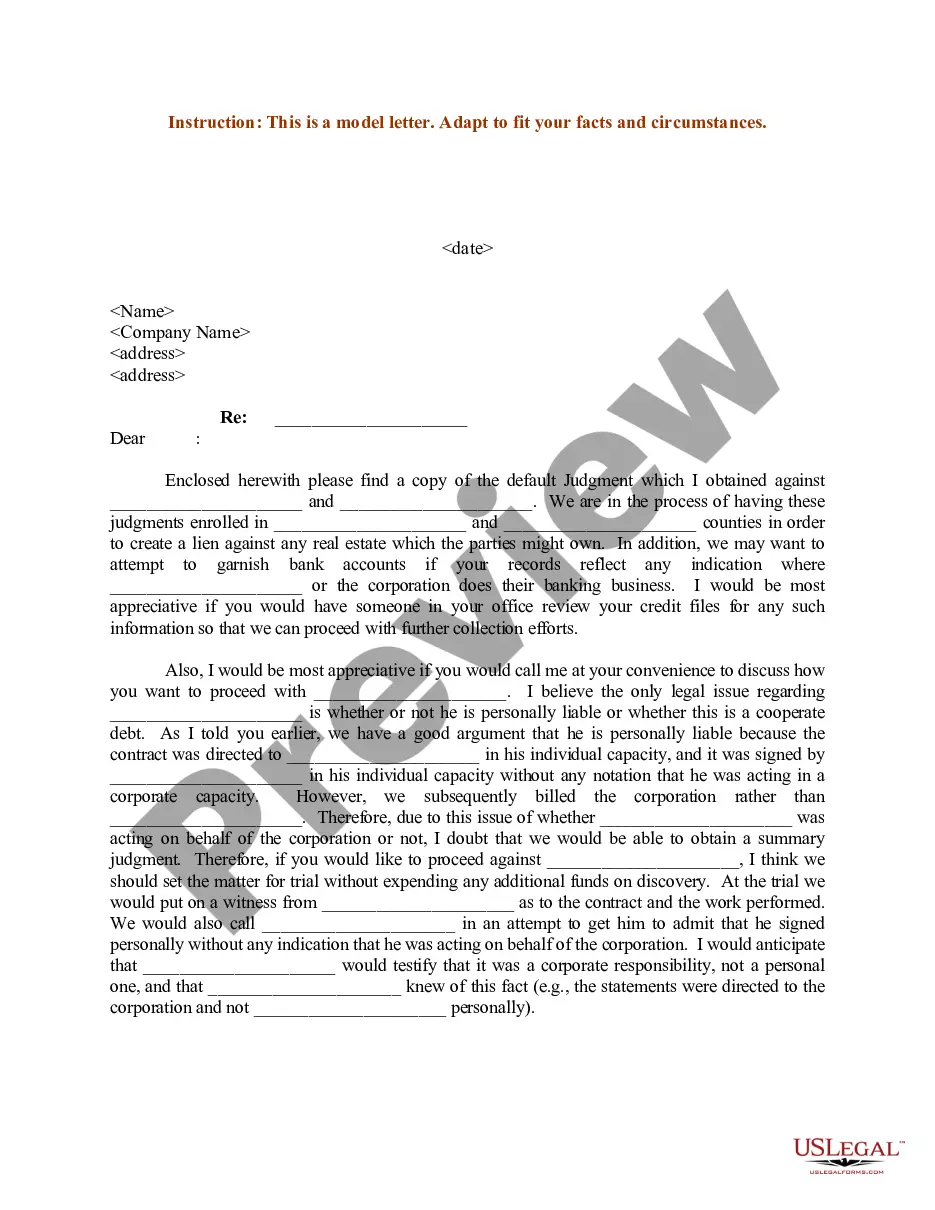
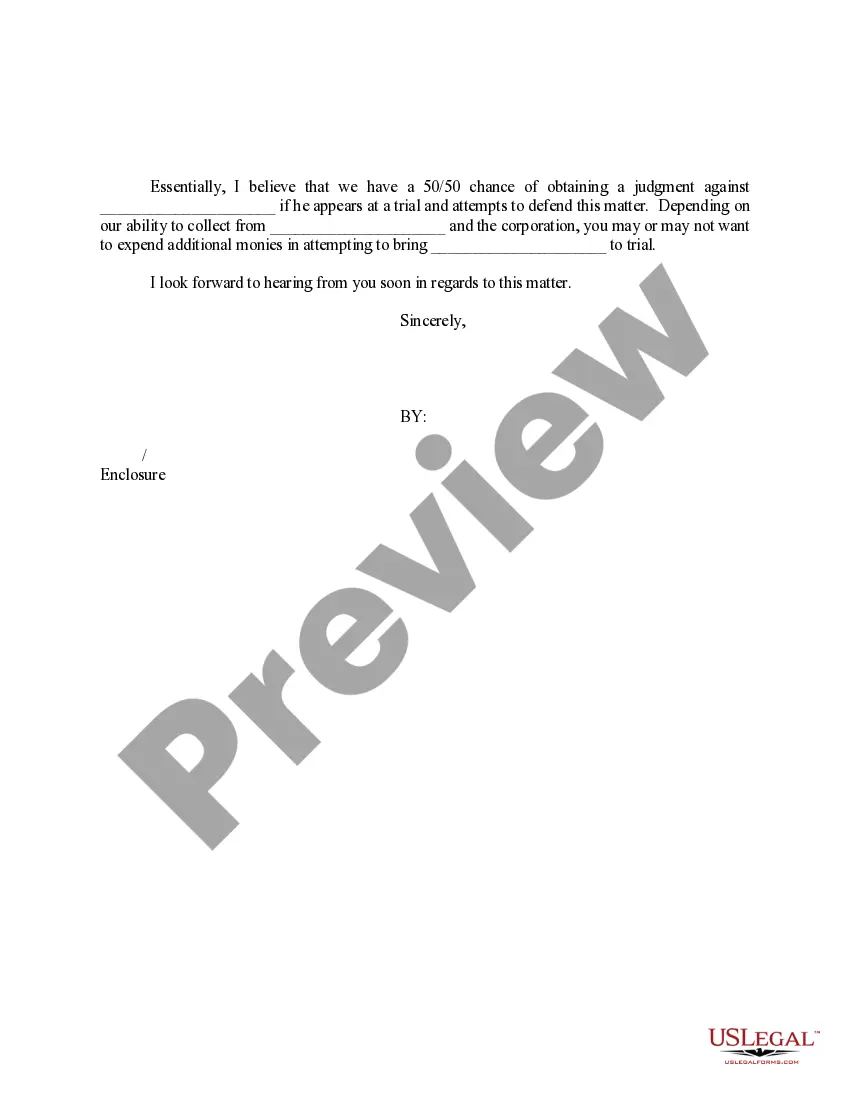
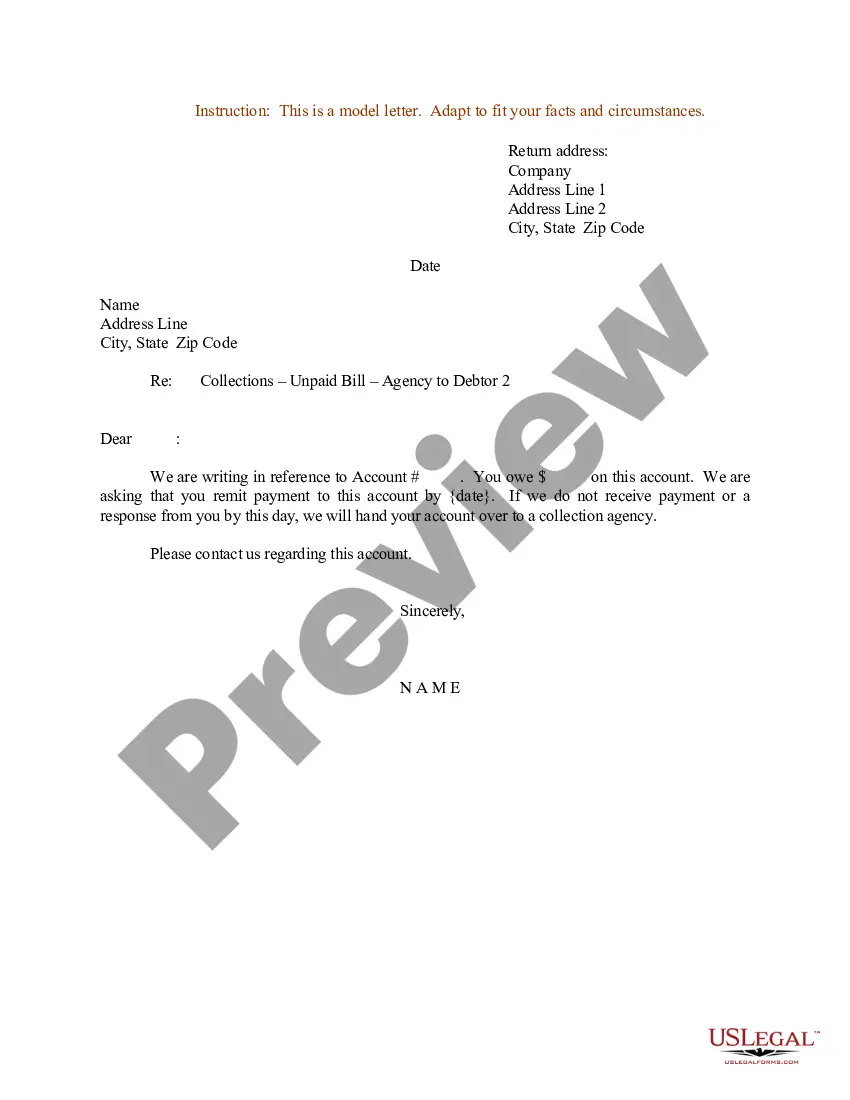
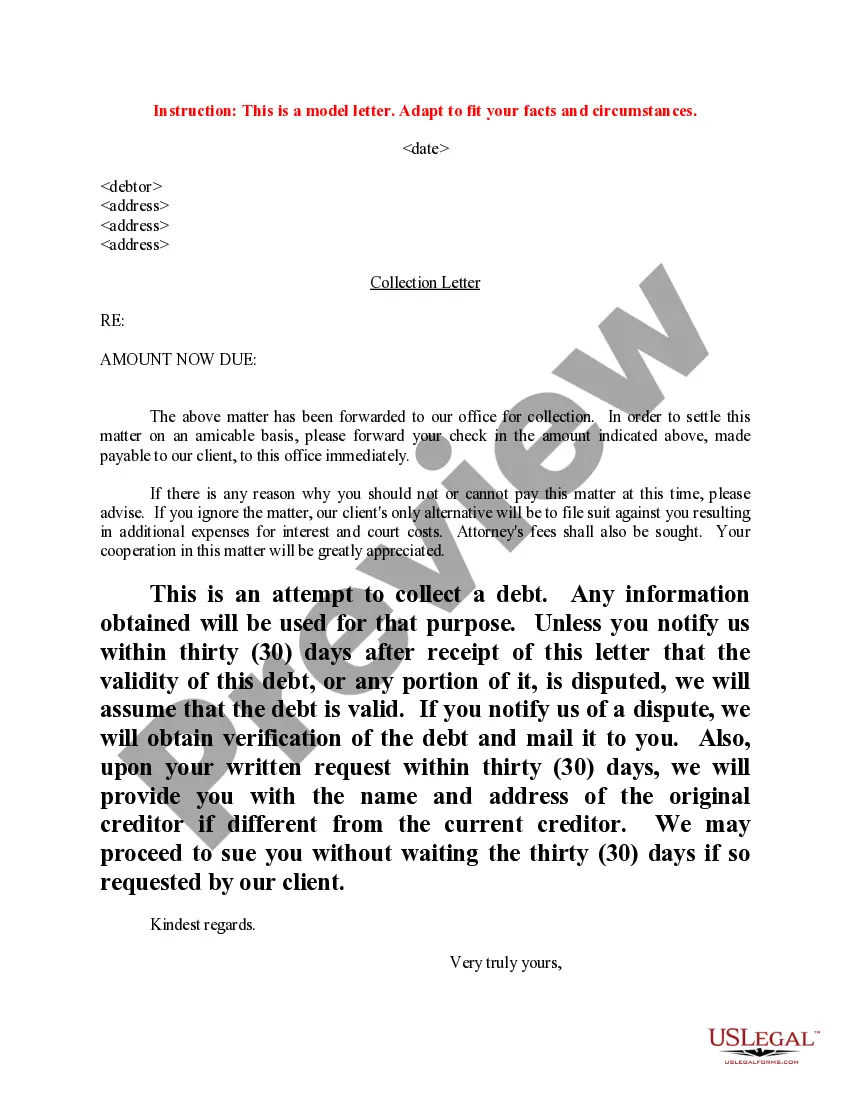
Get your form ready online
Our built-in tools help you complete, sign, share, and store your documents in one place.
Make edits, fill in missing information, and update formatting in US Legal Forms—just like you would in MS Word.
Download a copy, print it, send it by email, or mail it via USPS—whatever works best for your next step.
Sign and collect signatures with our SignNow integration. Send to multiple recipients, set reminders, and more. Go Premium to unlock E-Sign.
If this form requires notarization, complete it online through a secure video call—no need to meet a notary in person or wait for an appointment.
We protect your documents and personal data by following strict security and privacy standards.

Make edits, fill in missing information, and update formatting in US Legal Forms—just like you would in MS Word.

Download a copy, print it, send it by email, or mail it via USPS—whatever works best for your next step.

Sign and collect signatures with our SignNow integration. Send to multiple recipients, set reminders, and more. Go Premium to unlock E-Sign.

If this form requires notarization, complete it online through a secure video call—no need to meet a notary in person or wait for an appointment.

We protect your documents and personal data by following strict security and privacy standards.
Looking for another form?


Form popularity
FAQ
Include your full name, company name, and mailing address. Address the letter to your client by their full name. State the problem: Specify and provide proof of the debt in question. Reference the original contract or agreement that states the services the client owes you for.
These letters often include details like the amount owed, the due date, and any applicable interest or late fees. It's important to note that debt collection letters should adhere to legal regulations and guidelines, such as those outlined by the Fair Debt Collection Practices Act (FDCPA) in the United States.
To respond, you should draft and file an Answer to the Summons and Complaint. In your Answer document, it's best to respond to each claim against you and assert your affirmative defenses. SoloSuit can help you draft and file an Answer to your Florida lawsuit in minutes.
Within five days after a debt collector first contacts you, it must send you a written notice, called a "validation notice," that tells you (1) the amount it thinks you owe, (2) the name of the creditor, and (3) how to dispute the debt in writing.
Use certified mail. If you are sending a debt collection letter for the purpose of informing debtors that legal action will soon be taken, you must be able to prove they received your communication. That means sending it by certified mail.
If you're wondering how to send someone to collections, contact the Collections Bureau of America.
Debt collectors cannot harass or abuse you. They cannot swear, threaten to illegally harm you or your property, threaten you with illegal actions, or falsely threaten you with actions they do not intend to take. They also cannot make repeated calls over a short period to annoy or harass you.
The statute of limitations in Florida on debt is five years. This means that once the five-year timeline has expired, creditors can no longer file a lawsuit against the borrower to try and recover the debt. This is only true of debts that include a written agreement, though.
What Are the Rules for Sending Someone to Collections? Verify the Debt. Confirm that the debt reflects what the customer owes. Provide Written Notice. Send the debtor a written notice of the debt. Follow State Laws. Respect Consumer Rights. Use Ethical Practices.
Steps to file a mechanics lien in Miami-Dade County Step 1: Get The Right Form & Meet Margin Requirements. Step 2: Calculating Your Miami-Dade County Filing Fees. Step 3: Serve the Mechanics Lien. Step 4: File your lien with the Miami-Dade County Clerk.
