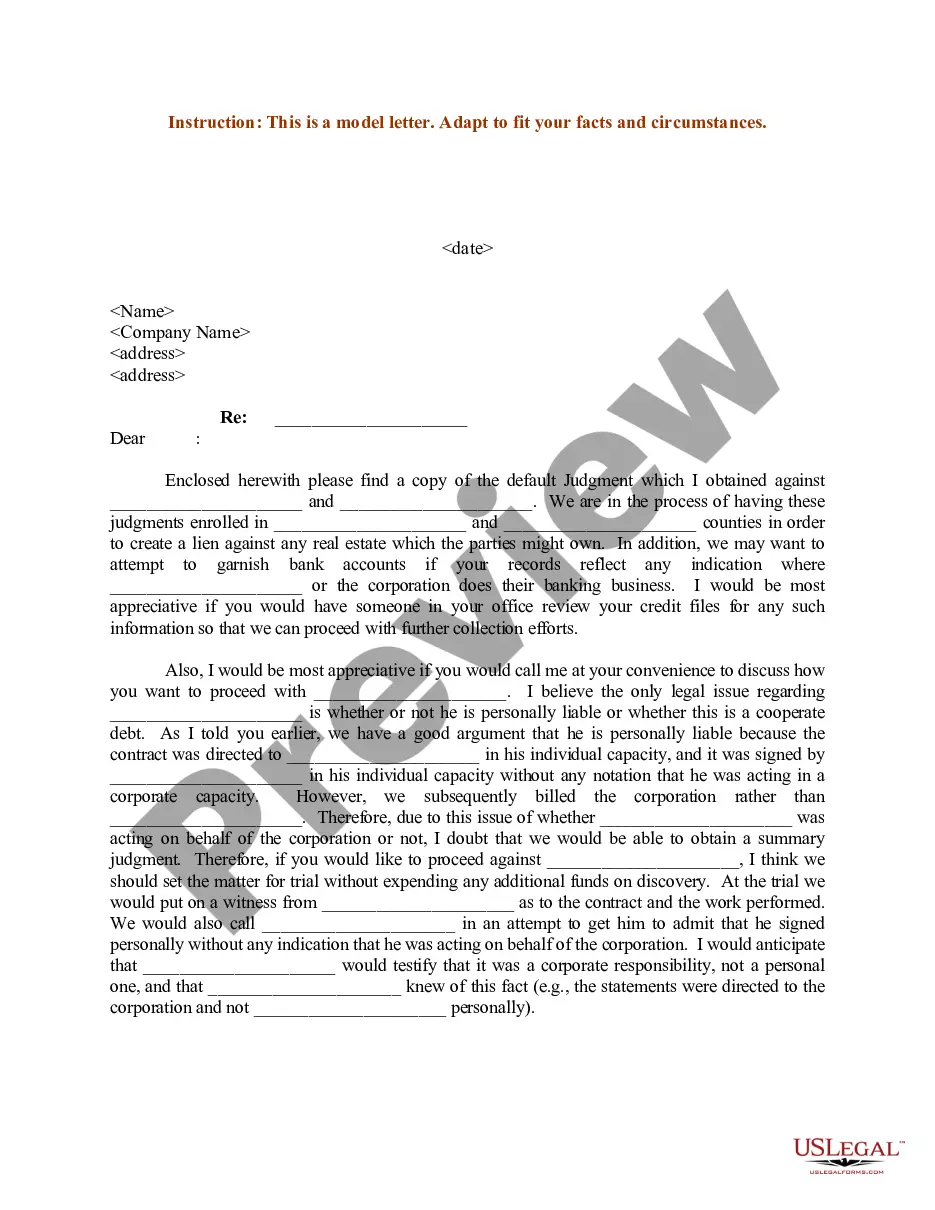
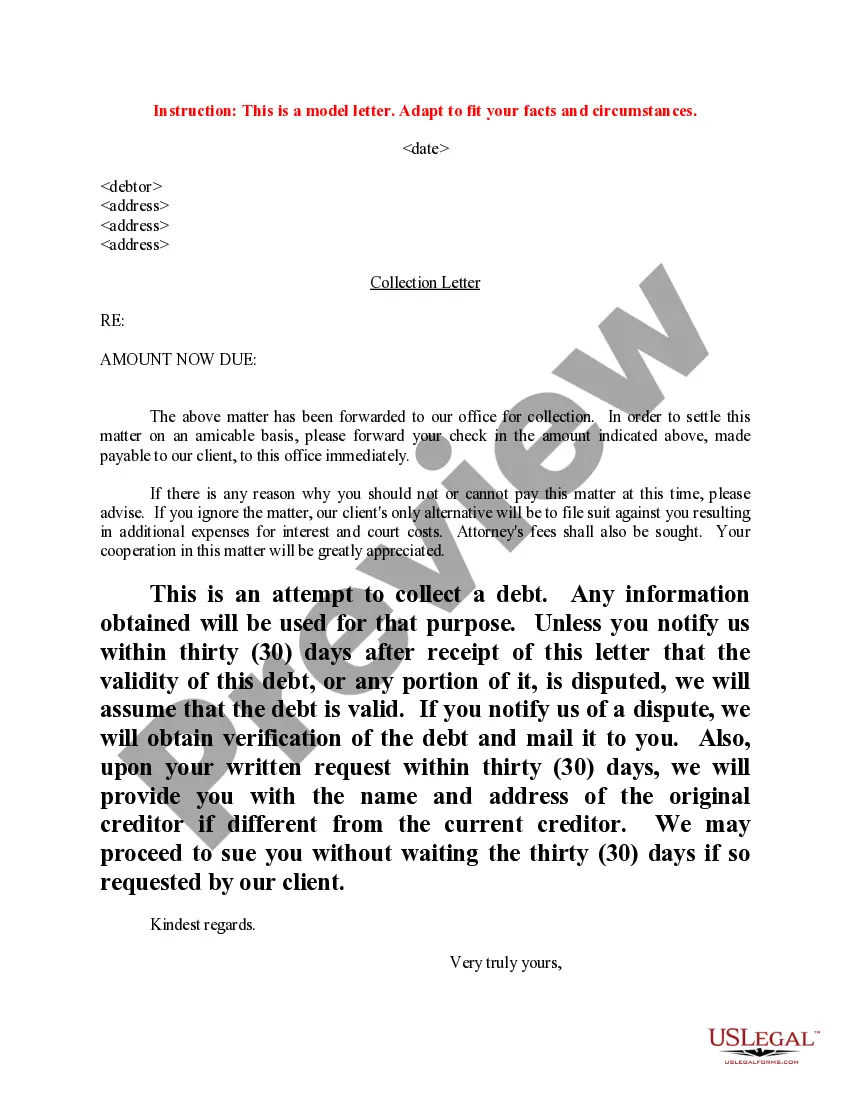
Letters Legal Collections Without Prejudice In Georgia
Description
Get your form ready online
Our built-in tools help you complete, sign, share, and store your documents in one place.
Make edits, fill in missing information, and update formatting in US Legal Forms—just like you would in MS Word.
Download a copy, print it, send it by email, or mail it via USPS—whatever works best for your next step.
Sign and collect signatures with our SignNow integration. Send to multiple recipients, set reminders, and more. Go Premium to unlock E-Sign.
If this form requires notarization, complete it online through a secure video call—no need to meet a notary in person or wait for an appointment.
We protect your documents and personal data by following strict security and privacy standards.

Make edits, fill in missing information, and update formatting in US Legal Forms—just like you would in MS Word.

Download a copy, print it, send it by email, or mail it via USPS—whatever works best for your next step.

Sign and collect signatures with our SignNow integration. Send to multiple recipients, set reminders, and more. Go Premium to unlock E-Sign.

If this form requires notarization, complete it online through a secure video call—no need to meet a notary in person or wait for an appointment.

We protect your documents and personal data by following strict security and privacy standards.
Looking for another form?









Form popularity
FAQ
Any action or other proceeding filed in any of the courts of this state in which no written order is taken for a period of five years shall automatically stand dismissed with costs to be taxed against the party plaintiff.
Rule 41 - Preparation and Filing (a)Filing. Paper-filed motions and responses to motions shall be filed as set out in Rule 6, Copies and Certificate of Service. Efiled motions and responses shall be filed in ance with Rule 46, Electronic Filing of Documents.
The answer to your question is no, they cannot sue on a debt that is so old.
While debt collectors are not prohibited from making reasonable attempts to collect legitimate debts or from suing you, consumer protection laws do prohibit deceptive and unfair debt collection practices and protect you from harassment, abuse and invasion of privacy.
Statutes of Limitations for Each State (In Number of Years) StateWritten contractsOpen-ended accounts (including credit cards) Georgia 6 6 Hawaii 6 6 Idaho 5 4 Illinois 10 547 more rows
In other words, creditors and collectors must take you to court for any debt, based on a written contract, within six years of the last action on the account.
The dismissal ``without prejudice'' does not mean that you won the issue regarding the debt. It just means that the creditor stopped fighting in court without conceding that you won. So the dismissal ``without prejudice'' does not necessarily help your argument to remove this from your credit report.
Respond to their communication in writing saying something along the lines of: Dear sirs, Thank you for your communication dated xx, the contents of which have been noted. I do not recognise this alleged debt, and require you to prove this alleged debt.
Your answer should include the court name, case name, case number, and your affirmative defenses. Print three copies of your answer. File one with the clerk's office and mail (or “serve”) one to the plaintiff or plaintiff's attorney. The plaintiff is the debt collector, creditor, or law firm suing you.
Specifically, the rule states that a debt collector cannot: Make more than seven calls within a seven-day period to a consumer regarding a specific debt. Call a consumer within seven days after having a telephone conversation about that debt.
