Letters Legal Collections Without Prejudice In Franklin
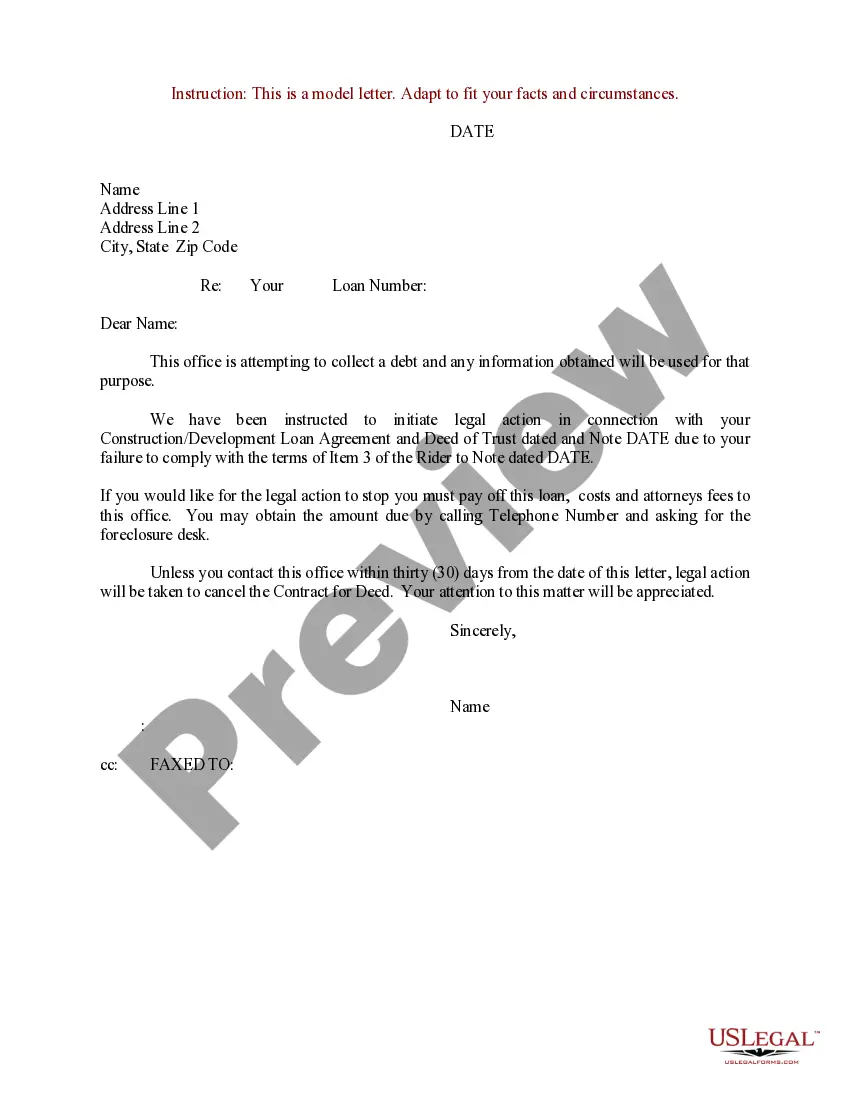
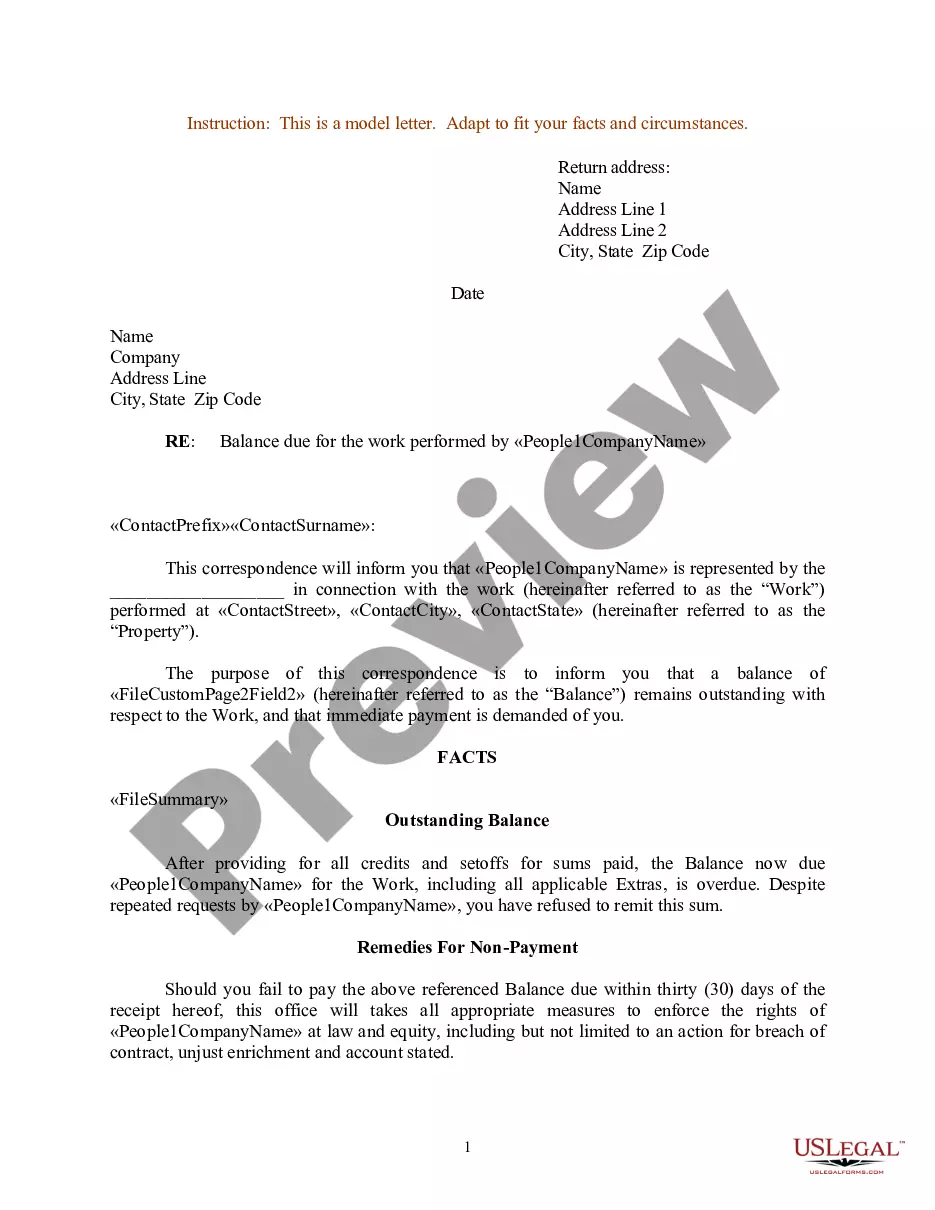
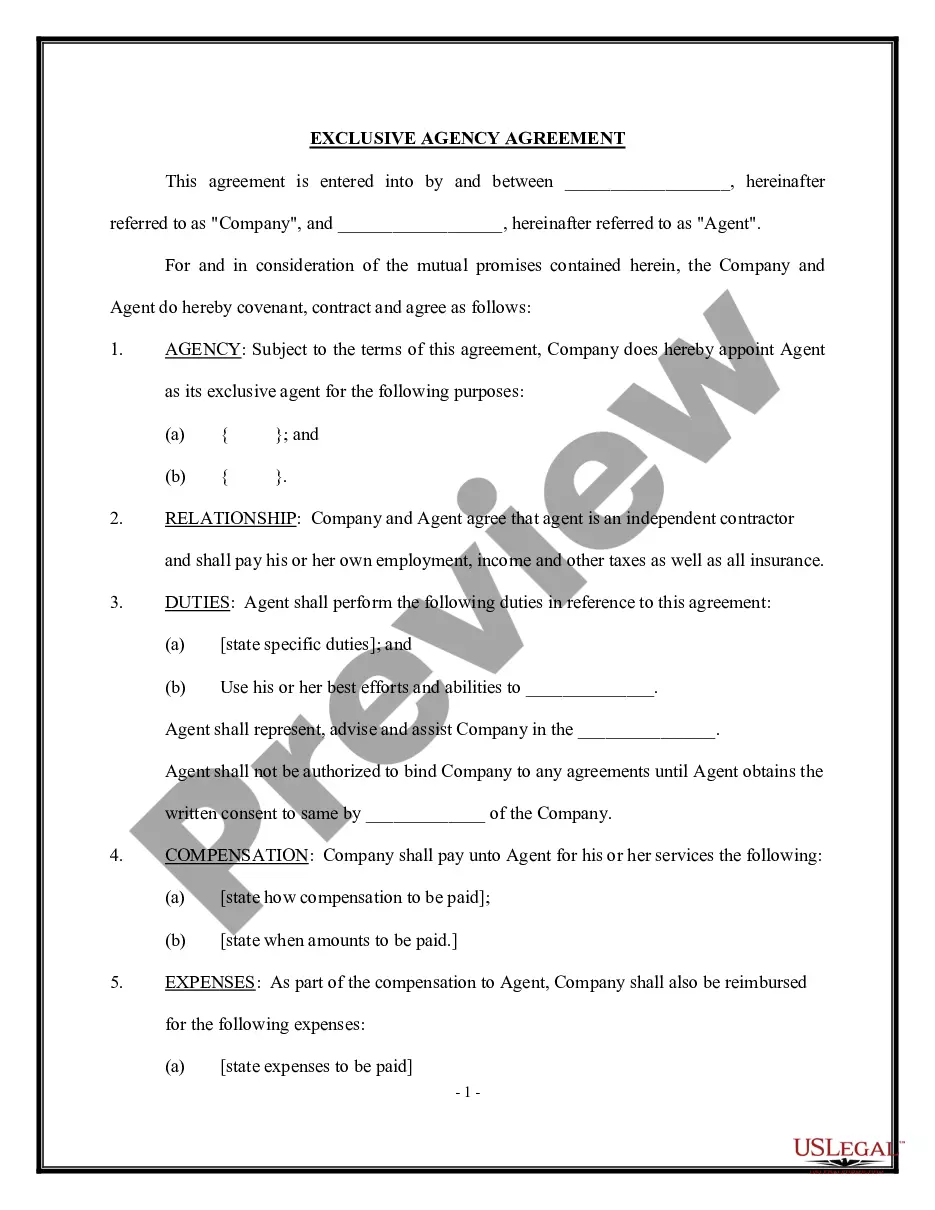
Description
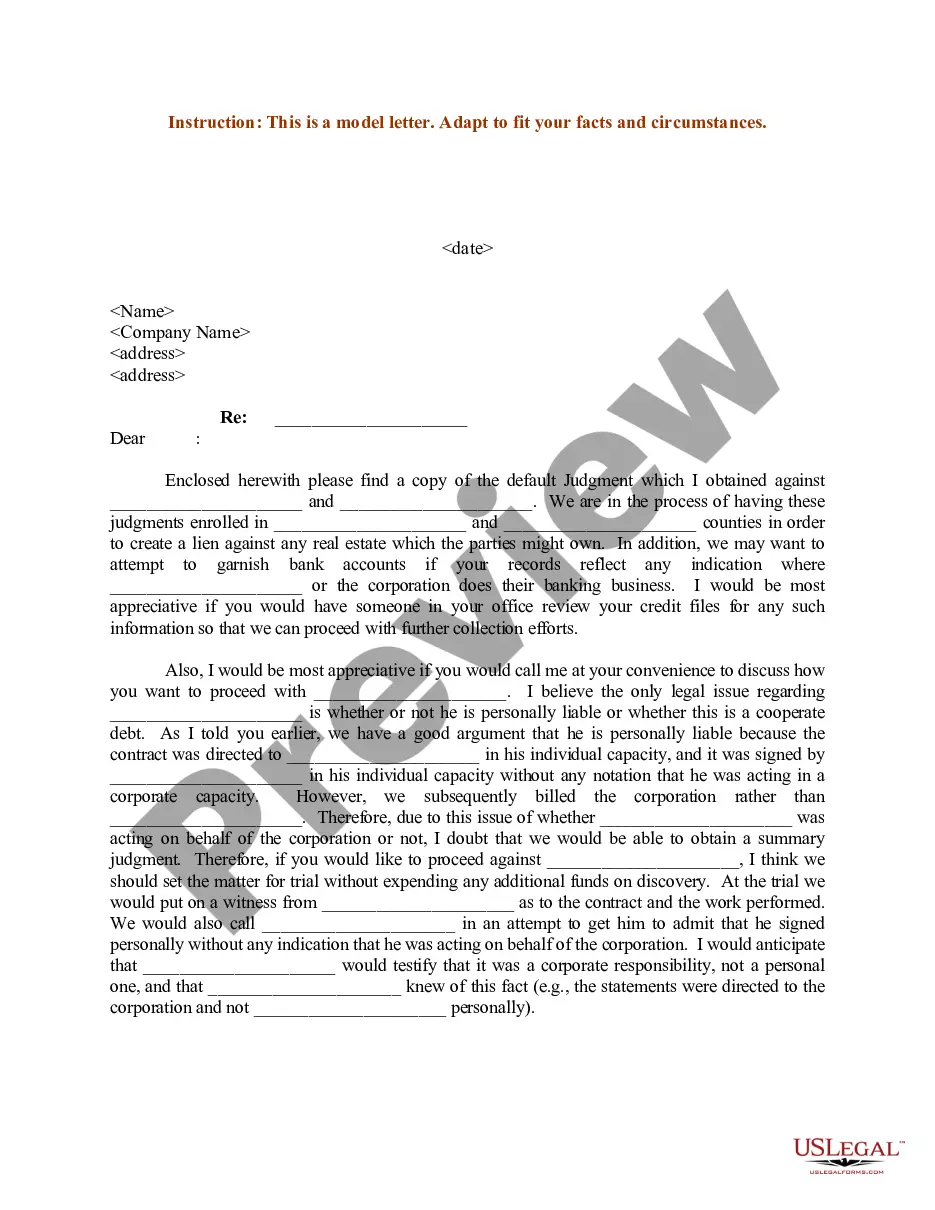
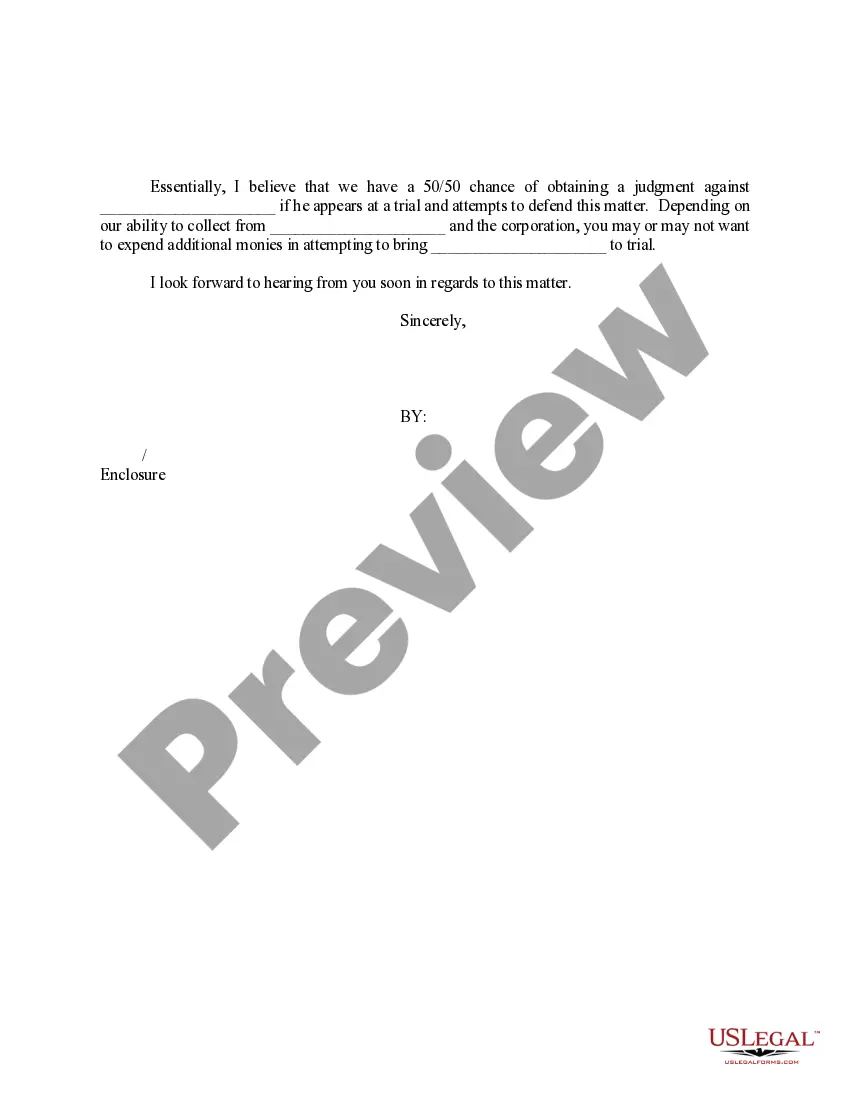
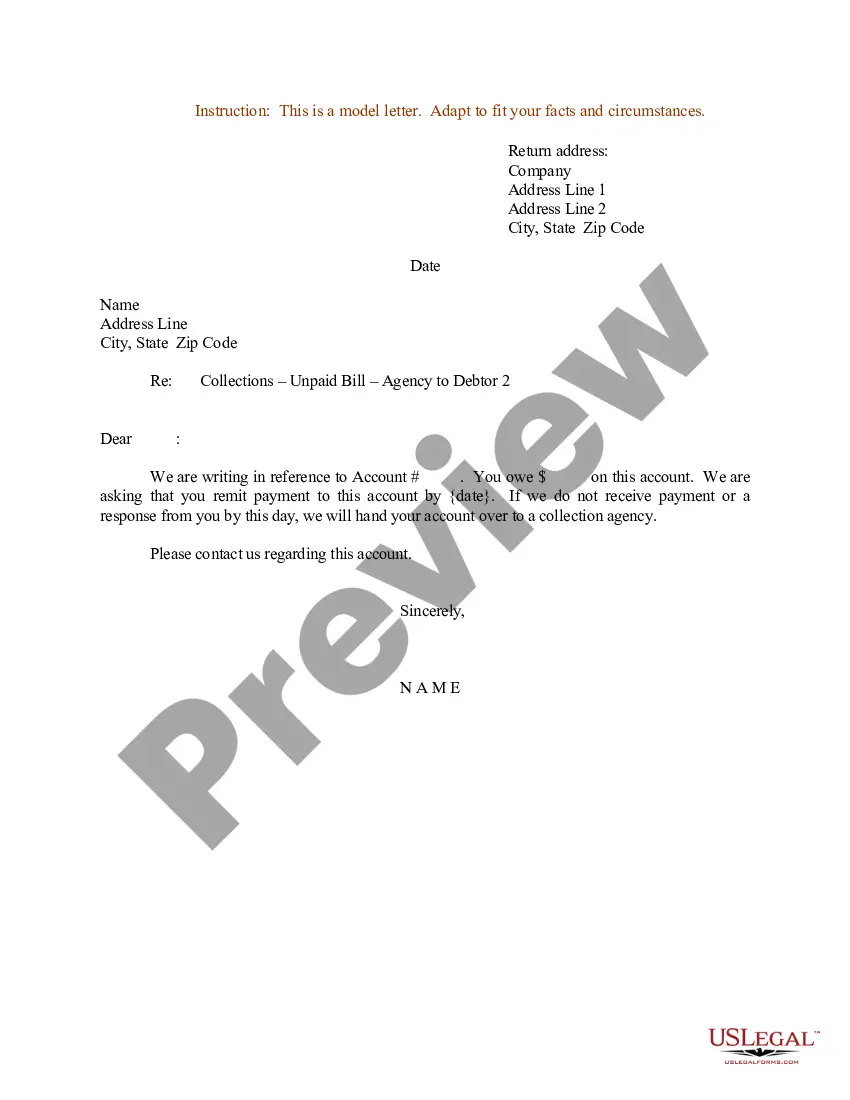
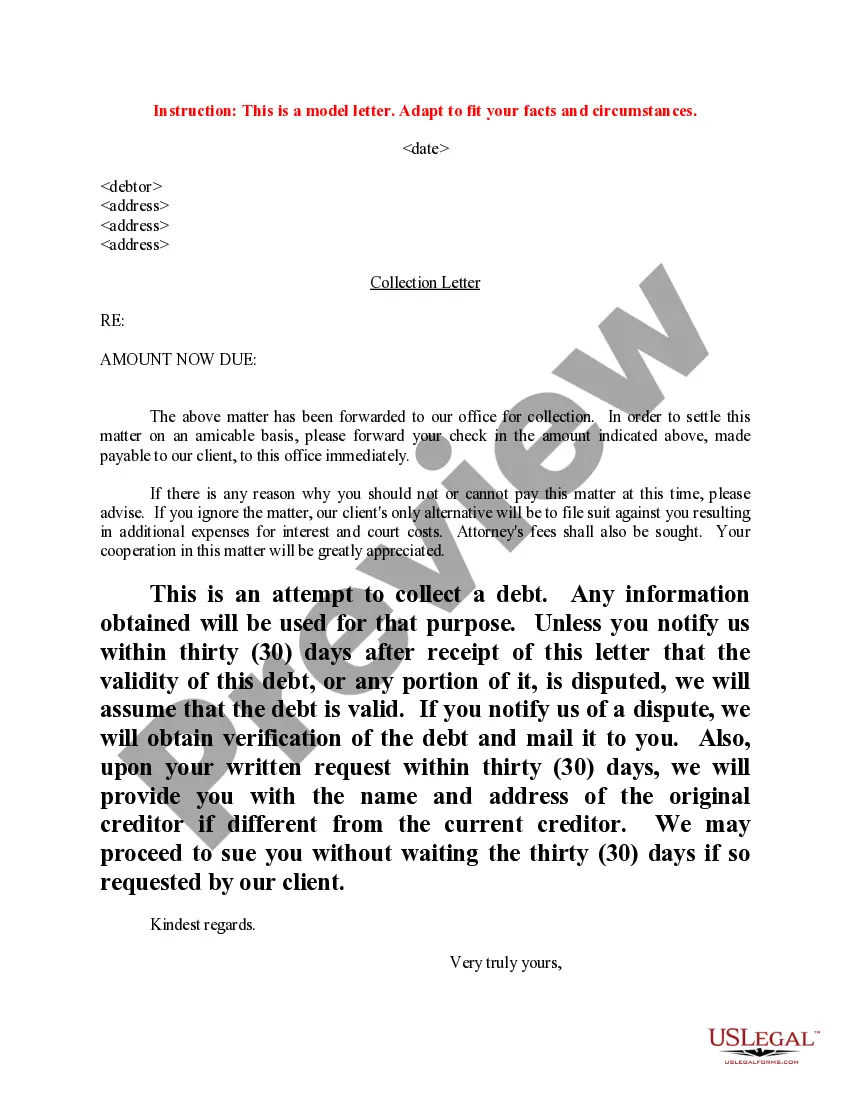
Get your form ready online
Our built-in tools help you complete, sign, share, and store your documents in one place.
Make edits, fill in missing information, and update formatting in US Legal Forms—just like you would in MS Word.
Download a copy, print it, send it by email, or mail it via USPS—whatever works best for your next step.
Sign and collect signatures with our SignNow integration. Send to multiple recipients, set reminders, and more. Go Premium to unlock E-Sign.
If this form requires notarization, complete it online through a secure video call—no need to meet a notary in person or wait for an appointment.
We protect your documents and personal data by following strict security and privacy standards.

Make edits, fill in missing information, and update formatting in US Legal Forms—just like you would in MS Word.

Download a copy, print it, send it by email, or mail it via USPS—whatever works best for your next step.

Sign and collect signatures with our SignNow integration. Send to multiple recipients, set reminders, and more. Go Premium to unlock E-Sign.

If this form requires notarization, complete it online through a secure video call—no need to meet a notary in person or wait for an appointment.

We protect your documents and personal data by following strict security and privacy standards.
Looking for another form?









Form popularity
FAQ
The dismissal ``without prejudice'' does not mean that you won the issue regarding the debt. It just means that the creditor stopped fighting in court without conceding that you won. So the dismissal ``without prejudice'' does not necessarily help your argument to remove this from your credit report.
"Effectively, the letter should contain the terms you are proposing, including what you're willing to settle the debt for in exchange for the collection agency removing the past due account reference from any and all credit reporting agencies," explains Rick Eicheldinger, a certified financial planner and the director ...
The 609 dispute letter is named after section 609 of the Fair Credit Reporting Act (FCRA), a law that helps to protect consumers from unjust credit and/or collection services. You might be considering filling out a 609 dispute letter as a way to try to improve your credit score.
4) 623 credit dispute letter A business uses a 623 credit dispute letter when all other attempts to remove dispute information have failed.
Here are a few suggestions that might work in your favor: Write a letter disputing the debt. You have 30 days after receiving a collection notice to dispute a debt in writing. Dispute the debt on your credit reports. Lodge a complaint. Respond to a lawsuit. Hire an attorney.
If you get an unexpected call from a debt collector, here are several things you should never tell them: Don't Admit the Debt. Even if you think you recognize the debt, don't say anything. Don't provide bank account information or other personal information. Document any agreements you reach with the debt collector.
Call or write to the collection agency asking to have the account deleted as a gesture of goodwill. The collection agency doesn't have to comply, but there's no harm in asking. You may have better luck getting a goodwill deletion if you have a history of on-time payments to the original creditor.
Yes. It is rather common for collection agencies to report a debtor to credit bureaus without notifying the debtor. When a debt becomes overdue, the creditor has several options. One of those options is to simply sell the account to a collections agency.
Specifically, the rule states that a debt collector cannot: Make more than seven calls within a seven-day period to a consumer regarding a specific debt. Call a consumer within seven days after having a telephone conversation about that debt.
If the case is dismissed without prejudice, prosecutors will have another two years to refile before the statute of limitations expires. You can contact our California criminal defense lawyers for a case review. Eisner Gorin LLP has offices in Los Angeles, California.
