Performance Agreements For Employees In Sacramento
Description

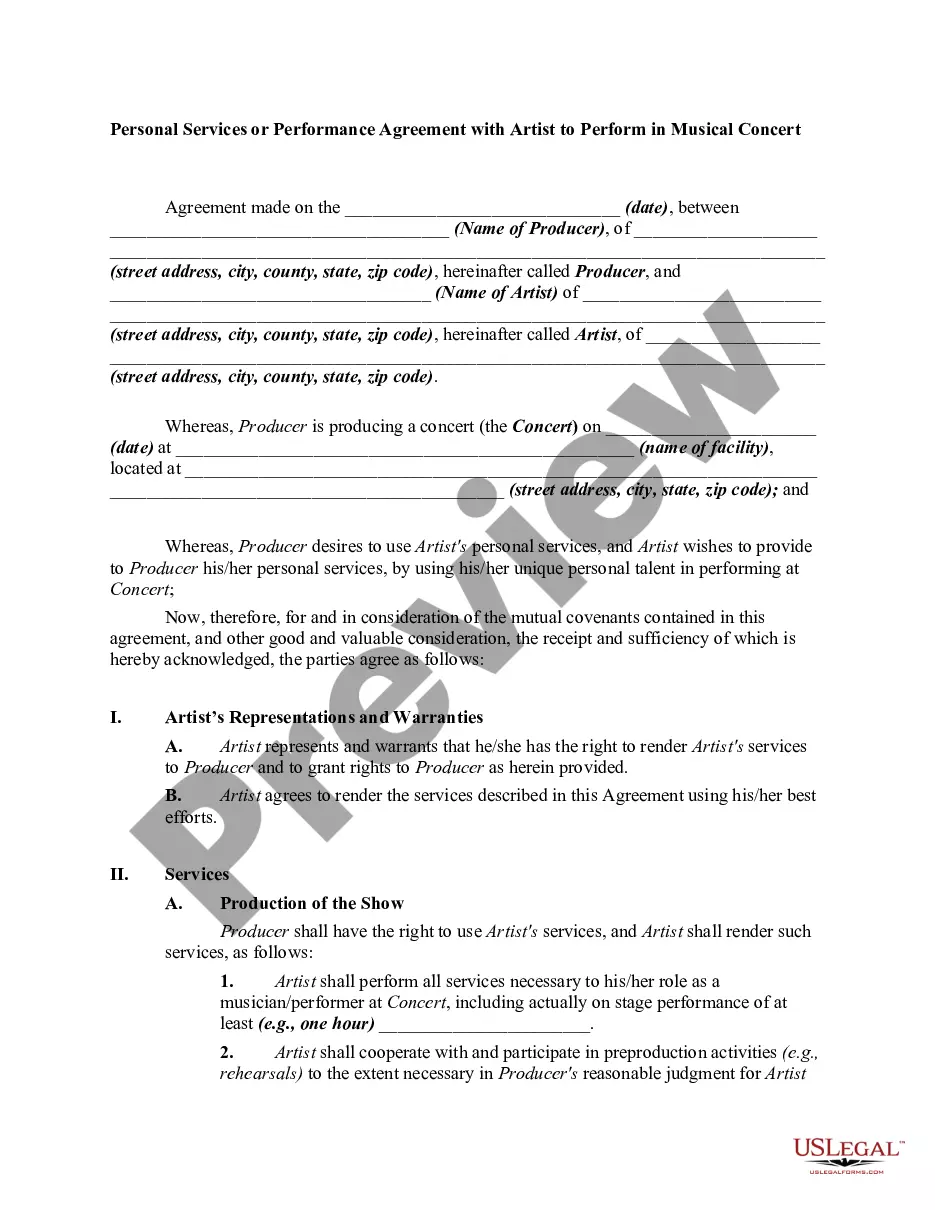
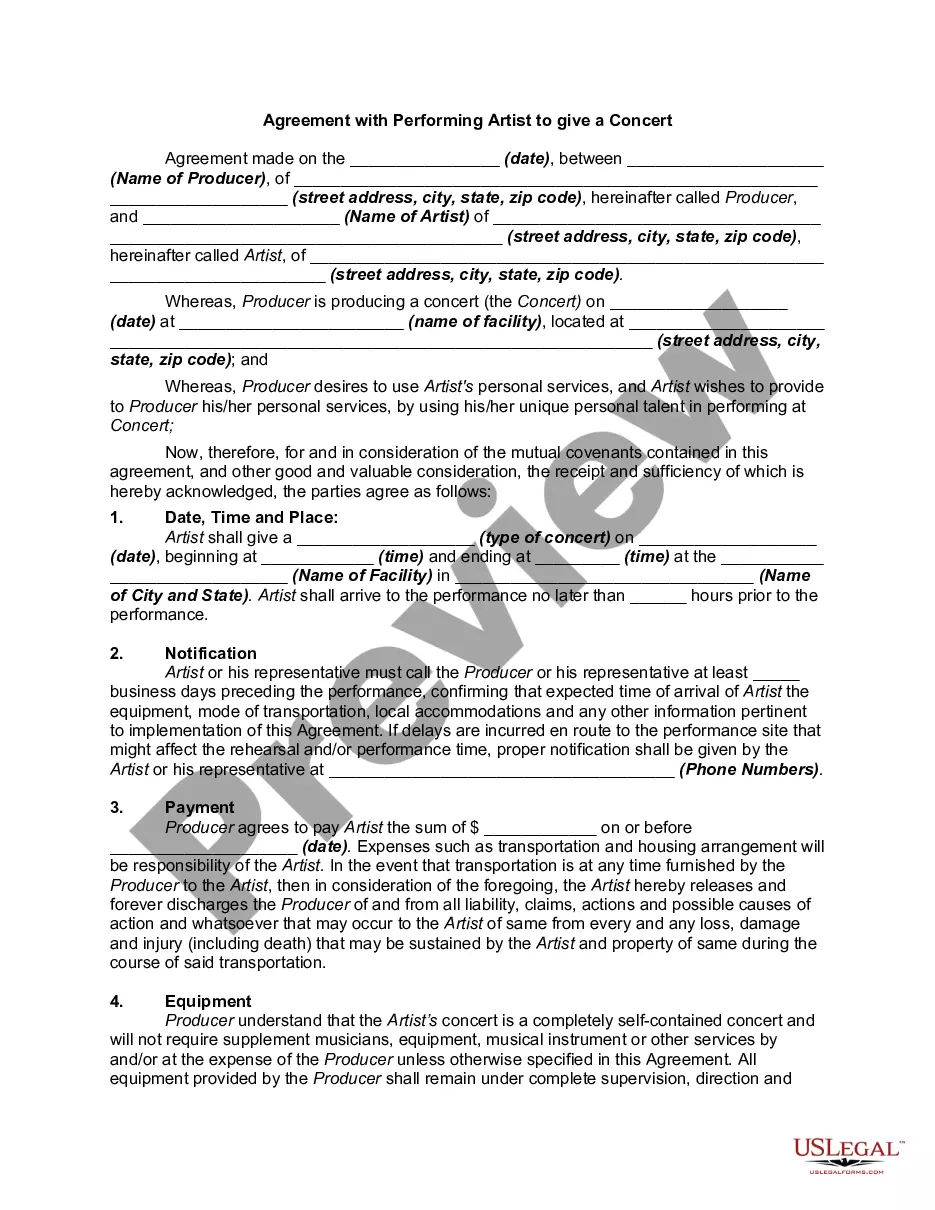
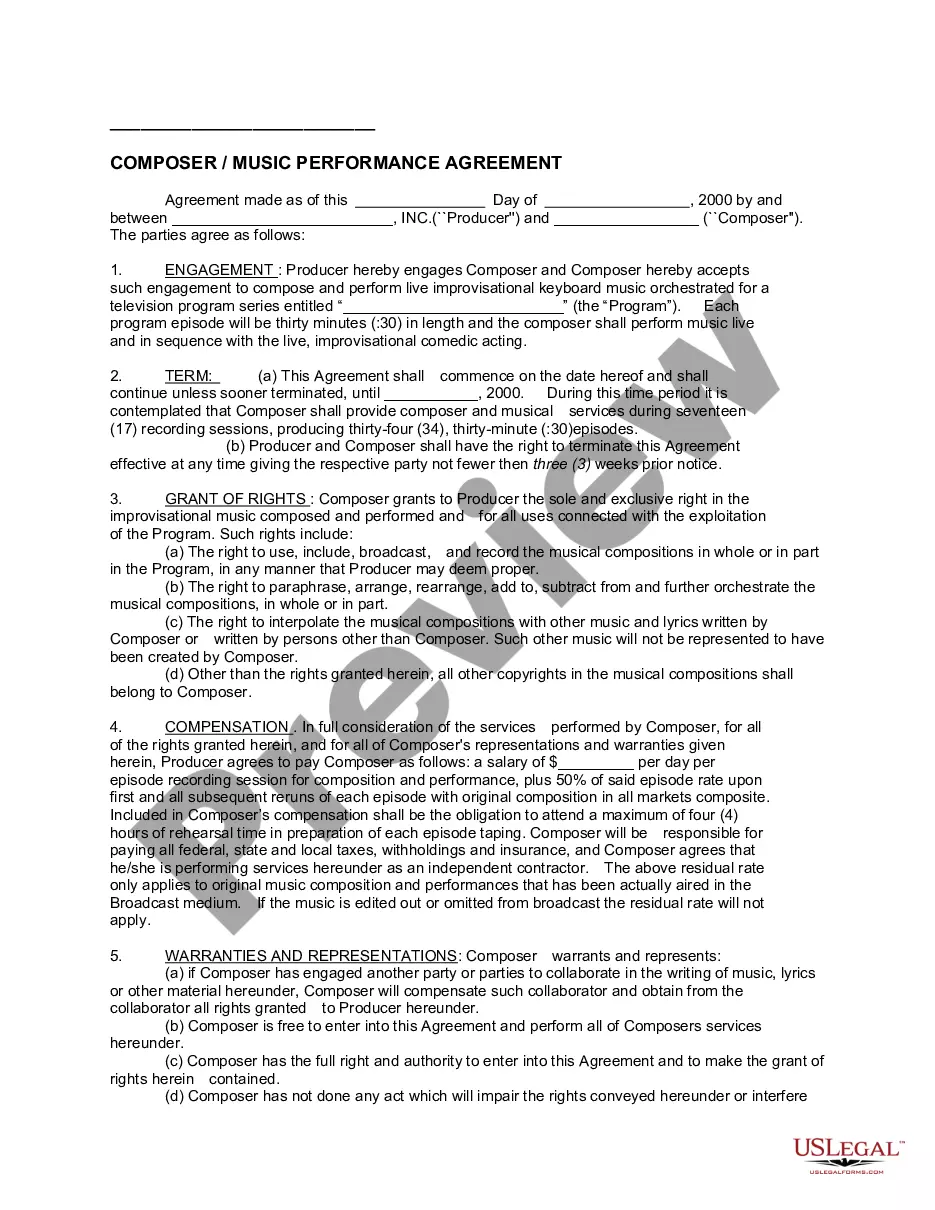
Get your form ready online
Our built-in tools help you complete, sign, share, and store your documents in one place.
Make edits, fill in missing information, and update formatting in US Legal Forms—just like you would in MS Word.
Download a copy, print it, send it by email, or mail it via USPS—whatever works best for your next step.
Sign and collect signatures with our SignNow integration. Send to multiple recipients, set reminders, and more. Go Premium to unlock E-Sign.
If this form requires notarization, complete it online through a secure video call—no need to meet a notary in person or wait for an appointment.
We protect your documents and personal data by following strict security and privacy standards.

Make edits, fill in missing information, and update formatting in US Legal Forms—just like you would in MS Word.

Download a copy, print it, send it by email, or mail it via USPS—whatever works best for your next step.

Sign and collect signatures with our SignNow integration. Send to multiple recipients, set reminders, and more. Go Premium to unlock E-Sign.

If this form requires notarization, complete it online through a secure video call—no need to meet a notary in person or wait for an appointment.

We protect your documents and personal data by following strict security and privacy standards.
Looking for another form?









Form popularity
FAQ
Simple, Direct, Honest, Personal, And Blunt: How The 5-Word Performance Review Works Wonders - Fast Company.
When you fill the form: Be honest and critical. Analyze your failures and mention the reasons for it. Keep the words minimal. Identify weaknesses. Mention your achievements. Link achievements to the job description and the organization's goals. Set the goals for the next review period. Resolve conflicts and grievances.
Use a constructive tone, focusing on how you plan to improve. Introduction: Briefly summarize your role and the evaluation period. Achievements: List accomplishments and contributions. Challenges: Discuss difficulties and how you overcame them. Goals for Improvement: Outline areas for growth.
Never discuss personality traits—especially negative ones. You can say, “You have a fabulous attitude.” But saying, “Your attitude isn't great” focuses on personality, not performance. Maybe your employee does have a bad attitude.
How to write employee performance reviews Step 1: Review the employee's current job description. Step 2: Review past employee performance reviews. Step 3: Highlight areas of improvement. Step 4: Identify strengths and weaknesses (and chart progress) ... Step 5: Provide actionable goals. Step 6: Include 360-degree feedback.
up is usually warranted only after an employee has been made aware of the issue via a verbal warning and fails to change their behavior ingly. Employee writeups may also be issued without prior warning in response to serious issues such as unsafe behavior or workplace harassment.
Their is no law requiring employers to provide a performance review.
There is no law that mandates employers conduct performance reviews. But most employment attorneys always say, "document, document, document.”
Number one: There's no law that requires your employer to do performance evaluations. We hear that a lot of companies do annual performance evaluations; sometimes there's mid-year performance evaluations as well.
There is no law that mandates employers conduct performance reviews. But most employment attorneys always say, "document, document, document.”
