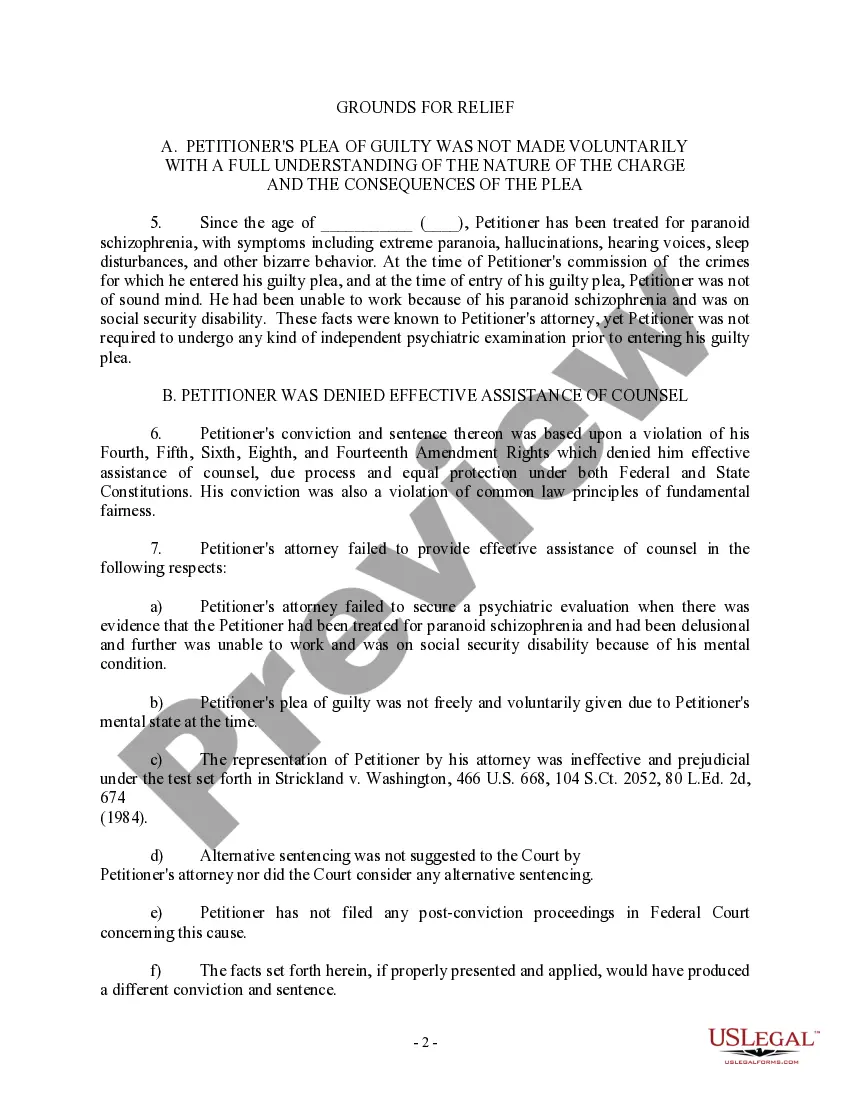
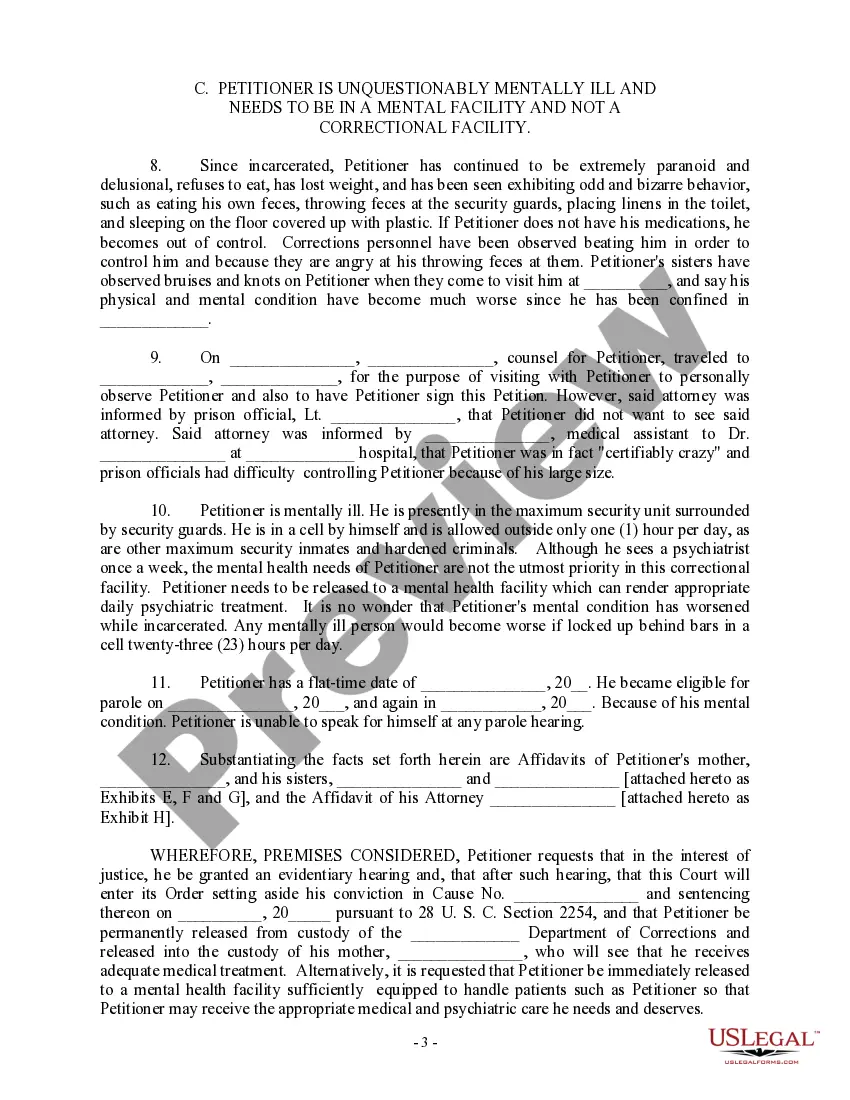
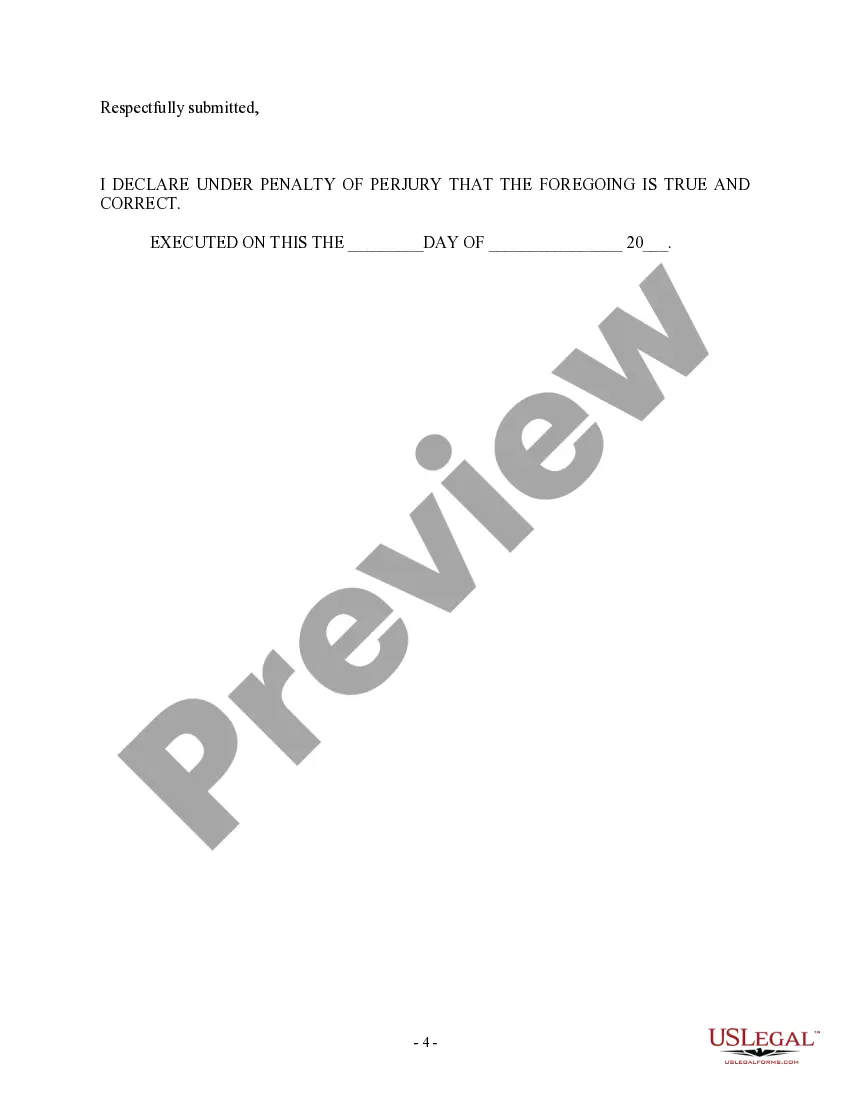
Federal Habeas Corpus Form 2255 In Phoenix
Description

Get your form ready online
Our built-in tools help you complete, sign, share, and store your documents in one place.
Make edits, fill in missing information, and update formatting in US Legal Forms—just like you would in MS Word.
Download a copy, print it, send it by email, or mail it via USPS—whatever works best for your next step.
Sign and collect signatures with our SignNow integration. Send to multiple recipients, set reminders, and more. Go Premium to unlock E-Sign.
If this form requires notarization, complete it online through a secure video call—no need to meet a notary in person or wait for an appointment.
We protect your documents and personal data by following strict security and privacy standards.

Make edits, fill in missing information, and update formatting in US Legal Forms—just like you would in MS Word.

Download a copy, print it, send it by email, or mail it via USPS—whatever works best for your next step.

Sign and collect signatures with our SignNow integration. Send to multiple recipients, set reminders, and more. Go Premium to unlock E-Sign.

If this form requires notarization, complete it online through a secure video call—no need to meet a notary in person or wait for an appointment.

We protect your documents and personal data by following strict security and privacy standards.
Looking for another form?






Form popularity
FAQ
There is a time limit for filing a motion under §2255. You must file within one year of: The date on which the judgment of conviction against becomes final. This is after any appeals or other post-conviction motions have been finally decided, not right after sentencing.
A Writ of Habeas Corpus is usually filed by submitting a Petition, a Memorandum of Points and Authorities, a Declaration from the defendant, and other evidence which supports the Writ of Habeas Corpus. The Memorandum of Points of Authorities is a legal memorandum, which contains the legal arguments of the defendant.
If you want to file a motion, the process is generally something like this: You write your motion. You file your motion with the court clerk. The court clerk inserts the date and time your motion will be heard by the judge. You “serve” (mail) your motion to the other side.
For ease of navigation, we have broken down the kinds of claims that can be pursued in a section 2255 motion into five categories: (1) the court lacked jurisdiction; (2) the conviction or sentence is unconstitutional; (3) the conviction or sentence is unconstitutional due to the ineffectiveness of counsel; (4) the ...
The court must rule on a petition for writ of habeas corpus within 60 days after the petition is filed. (B) If the court fails to rule on the petition within 60 days of its filing, the petitioner may file a notice and request for ruling.
During any Arizona criminal case, there may be a point when it is necessary to file a writ of Habeas Corpus. This Latin term simply translates to, “that you have the body” and is used in instances where there is concern that a defendant's imprisonment may be against the law.
A Writ of Habeas Corpus literally translates to bring a body before the court. A writ is an order from a higher court to a lower court or government agency or official. When you file a petition for a Writ of Habeas Corpus, you are asking the court to order the government agency to appear and bring you before the court.
Whether you are a state or federal prisoner, a federal habeas petition claims that your imprisonment is illegal because your arrest, trial, or sentence violated federal law. This would be true if any aspect of your arrest, trial, or actual sentence violated a federal statute, treaty, or the U.S. Constitution.
A motion to vacate one's conviction and/or sentence under Section 2255 will be referred to as a “motion to vacate” or “Section 2255.” A petition under Section 2241 will be referred to as a “habeas corpus petition.”
Because a writ of habeas corpus is a lawsuit between two parties, it is governed by civil law.
