Letter For Recovery Debt In Maricopa
Description




Get your form ready online
Our built-in tools help you complete, sign, share, and store your documents in one place.
Make edits, fill in missing information, and update formatting in US Legal Forms—just like you would in MS Word.
Download a copy, print it, send it by email, or mail it via USPS—whatever works best for your next step.
Sign and collect signatures with our SignNow integration. Send to multiple recipients, set reminders, and more. Go Premium to unlock E-Sign.
If this form requires notarization, complete it online through a secure video call—no need to meet a notary in person or wait for an appointment.
We protect your documents and personal data by following strict security and privacy standards.

Make edits, fill in missing information, and update formatting in US Legal Forms—just like you would in MS Word.

Download a copy, print it, send it by email, or mail it via USPS—whatever works best for your next step.

Sign and collect signatures with our SignNow integration. Send to multiple recipients, set reminders, and more. Go Premium to unlock E-Sign.

If this form requires notarization, complete it online through a secure video call—no need to meet a notary in person or wait for an appointment.

We protect your documents and personal data by following strict security and privacy standards.
Looking for another form?





Form popularity
FAQ
During the call you should never say it's your debt, your account, that you ever had an account, and any other personal financial information. Don't lie if they ask you point-blank questions; just don't answer them by reiterating the first paragraph... several times if necessary.
Collection Methods There are 2 primary methods to collect a debt: Writ of Garnishment or Writ of Execution. Writ of Garnishment is often referred to as garnishing a debtor's wages. A written notice is served to both the debtor and the debtor's employer or financial institution.
There are four primary steps involved in Answering or responding to a debt collection case in Arizona. Step 1: Create the Answer Document. Step 2: Answer Each Item in the Complaint. Step 3: List Affirmative Defenses if Applicable. Step 4: File with the Court and Serve the Plaintiff.
Judgment Debtor Exam: This Supplemental Proceeding is held to obtain information about the assets and relevant information you need to help you in collecting. You may have the Debtor appear or a person (party) who has knowledge of the Debtors assets.
It's important to respond to (or answer) the lawsuit. You do this by filing official paperwork with the court. Be sure to address every point in the complaint, raise any defenses you have, and file the paperwork within the time frame provided.
Filing a Will or Probate Case The Probate Filing Counter is located at 201 W. Jefferson in Phoenix, or at our Southeast location, 222 E. Javelina in Mesa, or at our Northwest Regional Court Center location at 14264 W.
Cease Collection Efforts: If the creditor cannot validate the debt, they must cease all collection efforts until proper validation is provided. Dismissal of Lawsuits: If the creditor has filed a lawsuit against the debtor, failure to validate the debt can result in the dismissal of the case.
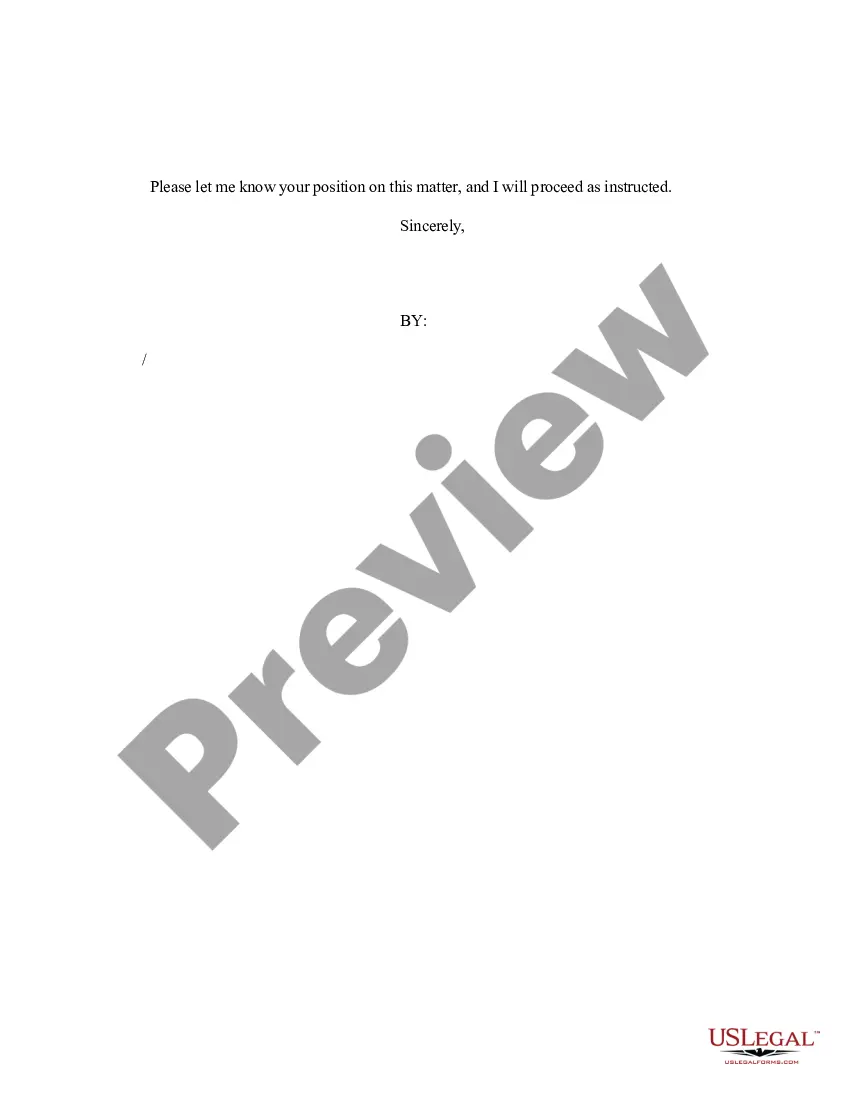
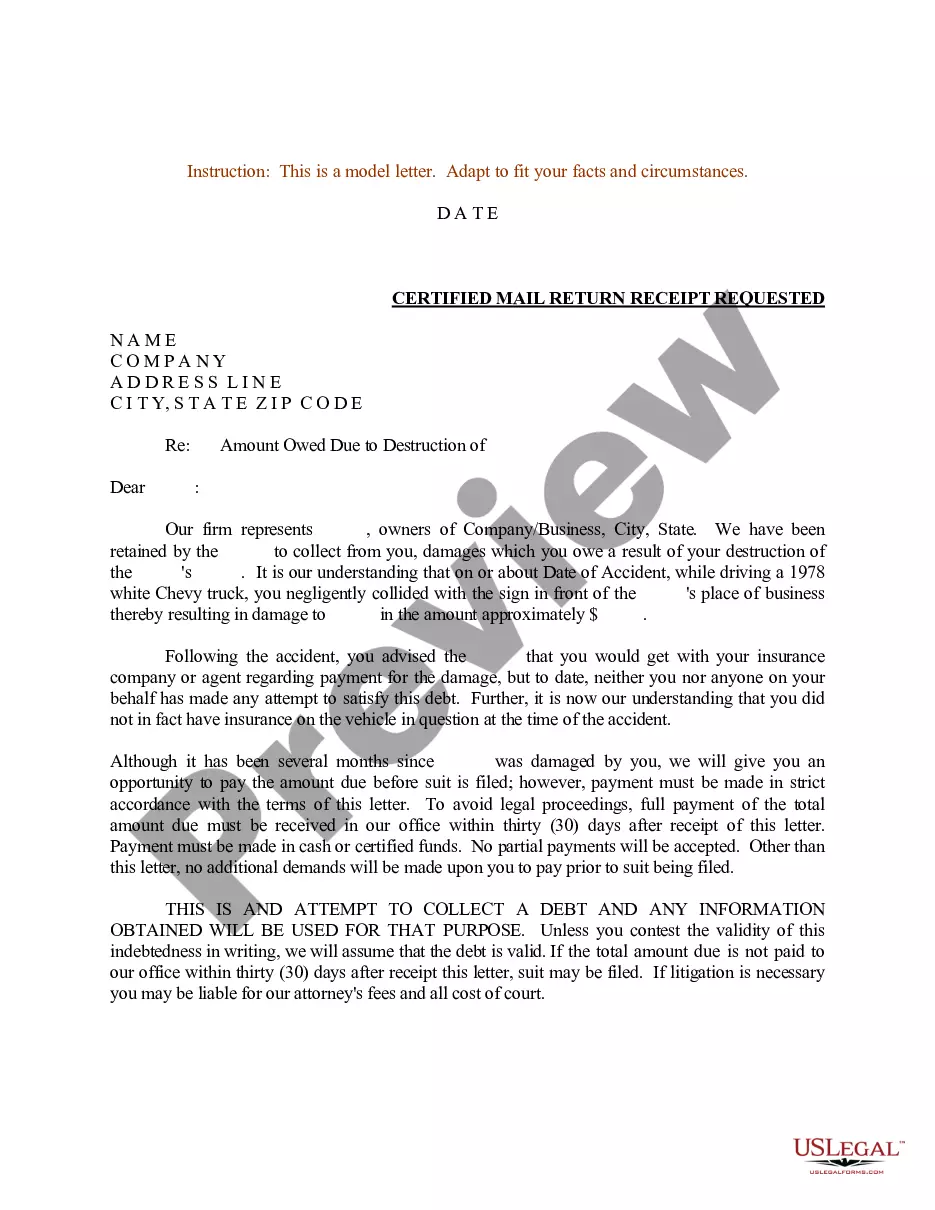
Here are the steps you can take: Send a written request: Draft a formal letter to the debt collector requesting debt verification. Include your name, address, and account number associated with the debt. Clearly state your intention to verify the debt and request all relevant information and documentation.
How to Request Debt Verification. To request verification, send a letter to the collection agency stating that you dispute the validity of the debt and that you want documentation verifying the debt. Also, request the name and address of the original creditor.
