Judgment Against Property For Find In Wayne
Description




Get your form ready online
Our built-in tools help you complete, sign, share, and store your documents in one place.
Make edits, fill in missing information, and update formatting in US Legal Forms—just like you would in MS Word.
Download a copy, print it, send it by email, or mail it via USPS—whatever works best for your next step.
Sign and collect signatures with our SignNow integration. Send to multiple recipients, set reminders, and more. Go Premium to unlock E-Sign.
If this form requires notarization, complete it online through a secure video call—no need to meet a notary in person or wait for an appointment.
We protect your documents and personal data by following strict security and privacy standards.

Make edits, fill in missing information, and update formatting in US Legal Forms—just like you would in MS Word.

Download a copy, print it, send it by email, or mail it via USPS—whatever works best for your next step.

Sign and collect signatures with our SignNow integration. Send to multiple recipients, set reminders, and more. Go Premium to unlock E-Sign.

If this form requires notarization, complete it online through a secure video call—no need to meet a notary in person or wait for an appointment.

We protect your documents and personal data by following strict security and privacy standards.
Looking for another form?



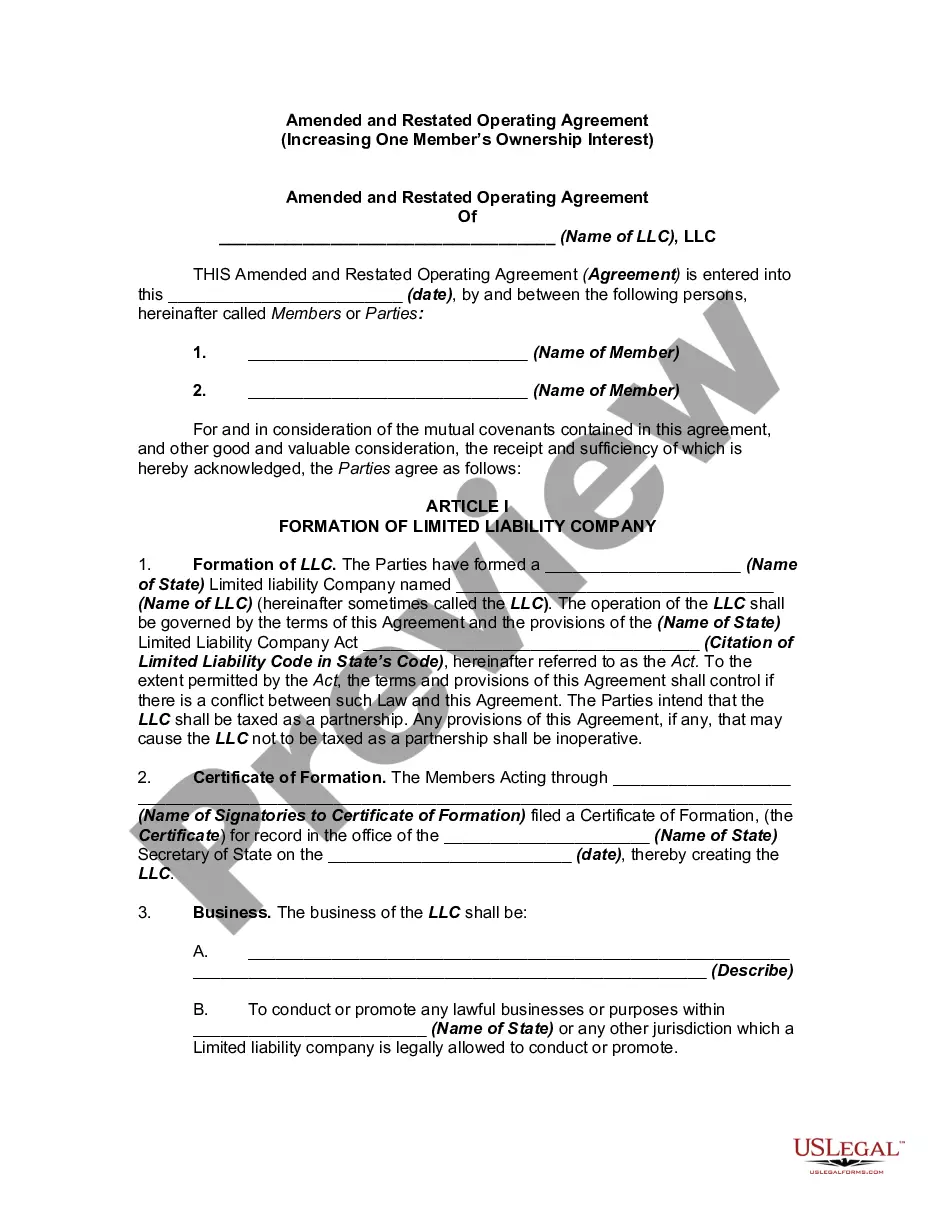


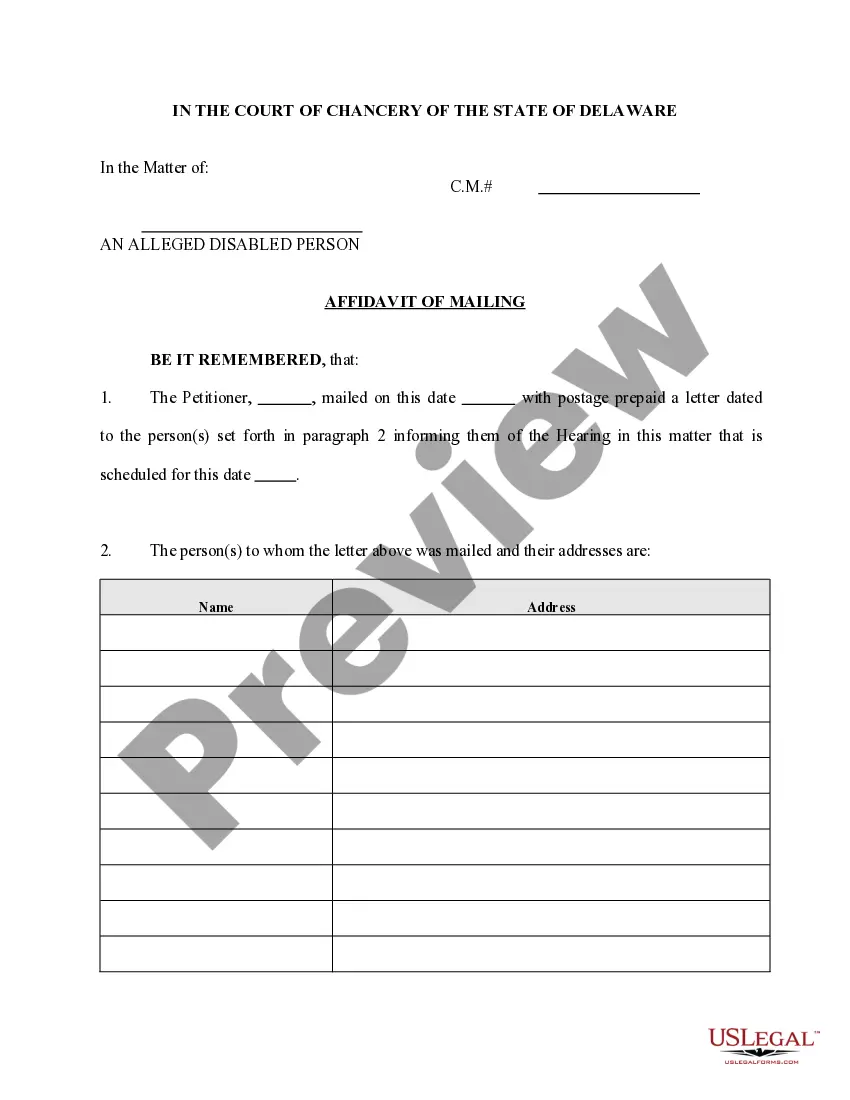

Form popularity
FAQ
5 Steps How to Collect a Judgment in Pennsylvania File Your Judgment With the County Courts. File Your Writ of Execution (This the Key for the Sheriff to help you) . Seize Bank Accounts by Sending Questions (Interrogatories) to the Banks. Levy and Sell Personal Assets and Vehicles. Levy and Sell Real Property / Land.
A judgment generally operates to settle finally and authoritatively matters in dispute before a court. Judgments may be classified as in personam, in rem, or quasi in rem.
There is, first of all, the judgment of the world; there is, secondly, the judgment of self; and then finally there is the judgment of God. Paul, in the Scripture, says this in verse three of chapter four “with me it is a very small thing that I should be judged of you or of man's judgment.” Now every one of us judges.
Here are four ways to avoid paying a judgment: 1) Use asset protection tools such as an asset protection trust, 2) use legal exemptions, 3) negotiate with the creditor, 4) file for bankruptcy.
Judgment is a court decision that settles a dispute between two parties by determining the rights and obligations of each party. Judgments are classified as in personam, in rem, or quasi in rem. Judgments are usually monetary, but can also be non-monetary, and are legally enforceable.
Before final judgment begins there are 1) the earthly judgments (Flood, , Exile, etc.) in the Old Testament, 2) the saving judgment of the cross (John ; ), and 3) the judgment in an individual's life when they accept or reject the gospel (John , 19; ; ).
But the judgment is composed of three elements: subject, attribute, and copula. To these three elements of the judgment correspond the three elements of the proposition: two terms, which express the subject and predicate or attribute, and the copula, which unites them.
S.C. Code Ann. § 15-35-810. A judgment becomes a lien on real property for a period of 10 years.
You must execute the judgment. A document called a writ of execution must be prepared, attested to by the clerk of court, and delivered to the sheriff. This gives the sheriff the power to take possession of any non-exempt personal property and, if necessary, real property.
