Sample Letter To Collect Judgement Without Judgement In Montgomery
Description




Get your form ready online
Our built-in tools help you complete, sign, share, and store your documents in one place.
Make edits, fill in missing information, and update formatting in US Legal Forms—just like you would in MS Word.
Download a copy, print it, send it by email, or mail it via USPS—whatever works best for your next step.
Sign and collect signatures with our SignNow integration. Send to multiple recipients, set reminders, and more. Go Premium to unlock E-Sign.
If this form requires notarization, complete it online through a secure video call—no need to meet a notary in person or wait for an appointment.
We protect your documents and personal data by following strict security and privacy standards.

Make edits, fill in missing information, and update formatting in US Legal Forms—just like you would in MS Word.

Download a copy, print it, send it by email, or mail it via USPS—whatever works best for your next step.

Sign and collect signatures with our SignNow integration. Send to multiple recipients, set reminders, and more. Go Premium to unlock E-Sign.

If this form requires notarization, complete it online through a secure video call—no need to meet a notary in person or wait for an appointment.

We protect your documents and personal data by following strict security and privacy standards.
Looking for another form?







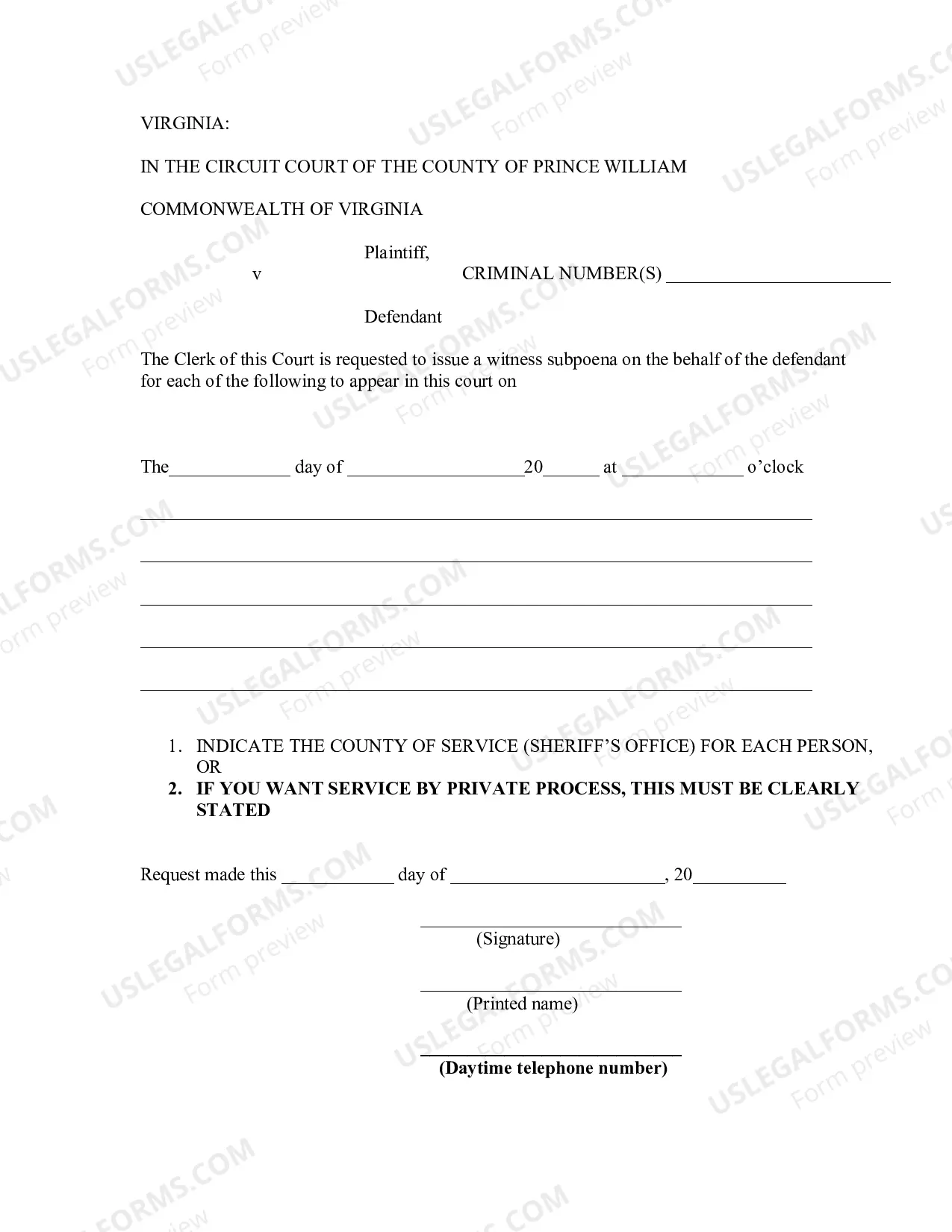
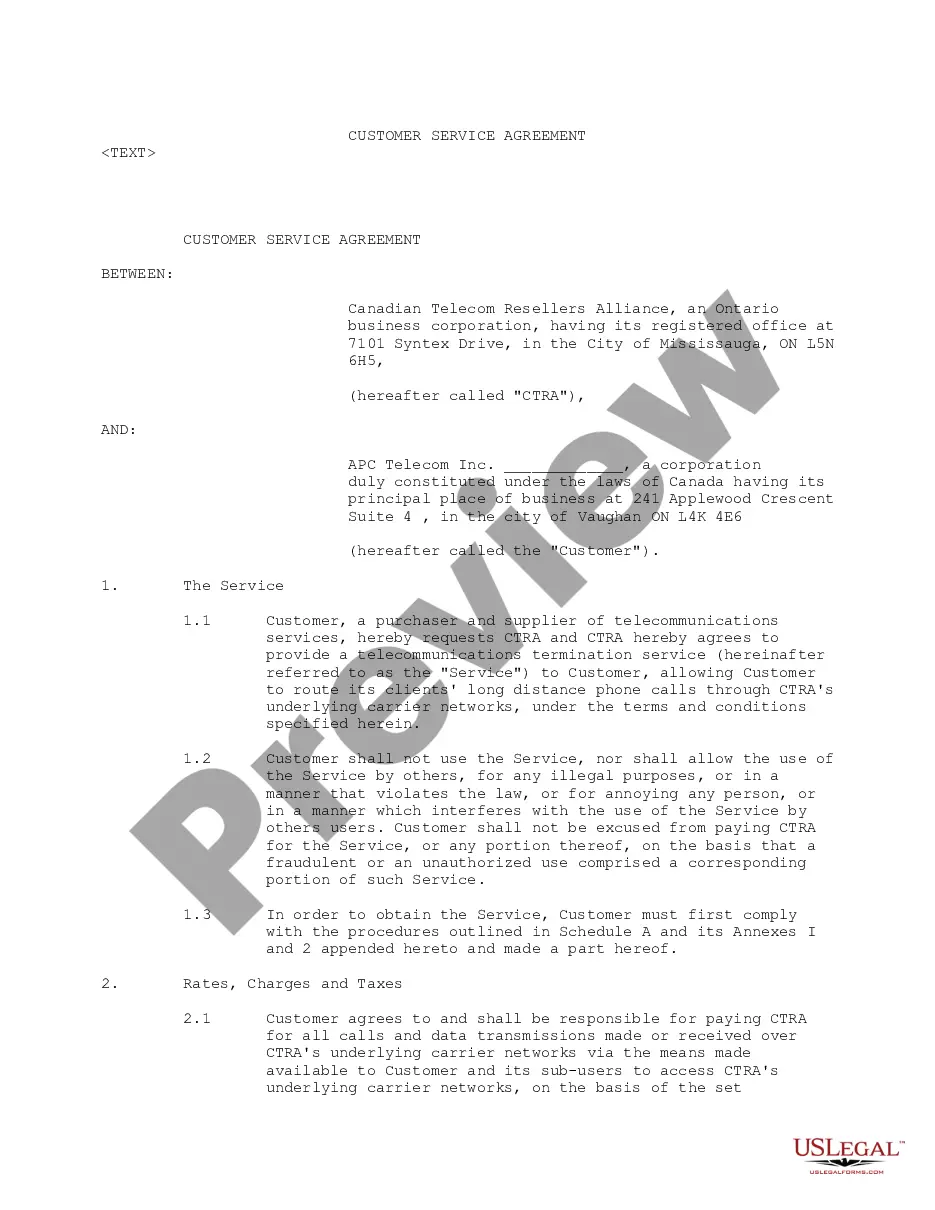

Form popularity
FAQ
As further bad news, default judgments do not simply vanish. The lien of a default judgment lasts five years and may be easily and repeatedly revived and transferred to other counties or states.
Most Courts, including California, put strict time limits on when that motion may be filed (six months from entry of default in California though this time limit may be altered based on various factors) and the longer the period of time from entry of default, the harder it is to have the Court remove it.
A defendant can challenge the entry of default by filing a motion pursuant to Federal Rule of Civil Procedure 55(c), which allows the court to set it aside for “good cause” shown. Under certain circumstances, the court is required to do so.
In Alabama, a creditor can place a judgment lien on your real property (or your personal property or vehicle) in order to collect the judgment, and it will remain attached to your real property for 10 years, even if you sell the property.
For that purpose the judgment debtor should approach the plaintiff/judgment creditor or his/her/its attorney to obtain the written consent to rescission of judgment. There is however no requirement in law that obliges a plaintiff/judgment creditor to give a consent to rescission of judgment.
If you do not think the default judgment was appropriately entered against you, you must file a motion with the court asking the judge to “set aside” (void or nullify) the judgment. If the judge grants your motion, the case starts back up again.
And some states also allow judgment liens on the debtor's personal property -- things like jewelry, art, antiques, and other valuables. In South Carolina, a judgment lien can be attached to real estate only.
In Alabama, a creditor can place a judgment lien on your real property (or your personal property or vehicle) in order to collect the judgment, and it will remain attached to your real property for 10 years, even if you sell the property.
How to fill out the Sample Judgment Proof Letter for Collection Agency? Enter your address at the top of the letter. Fill in the date of writing the letter. Provide the collection agency's name and address. State your income source ensuring it's protected from garnishment.

