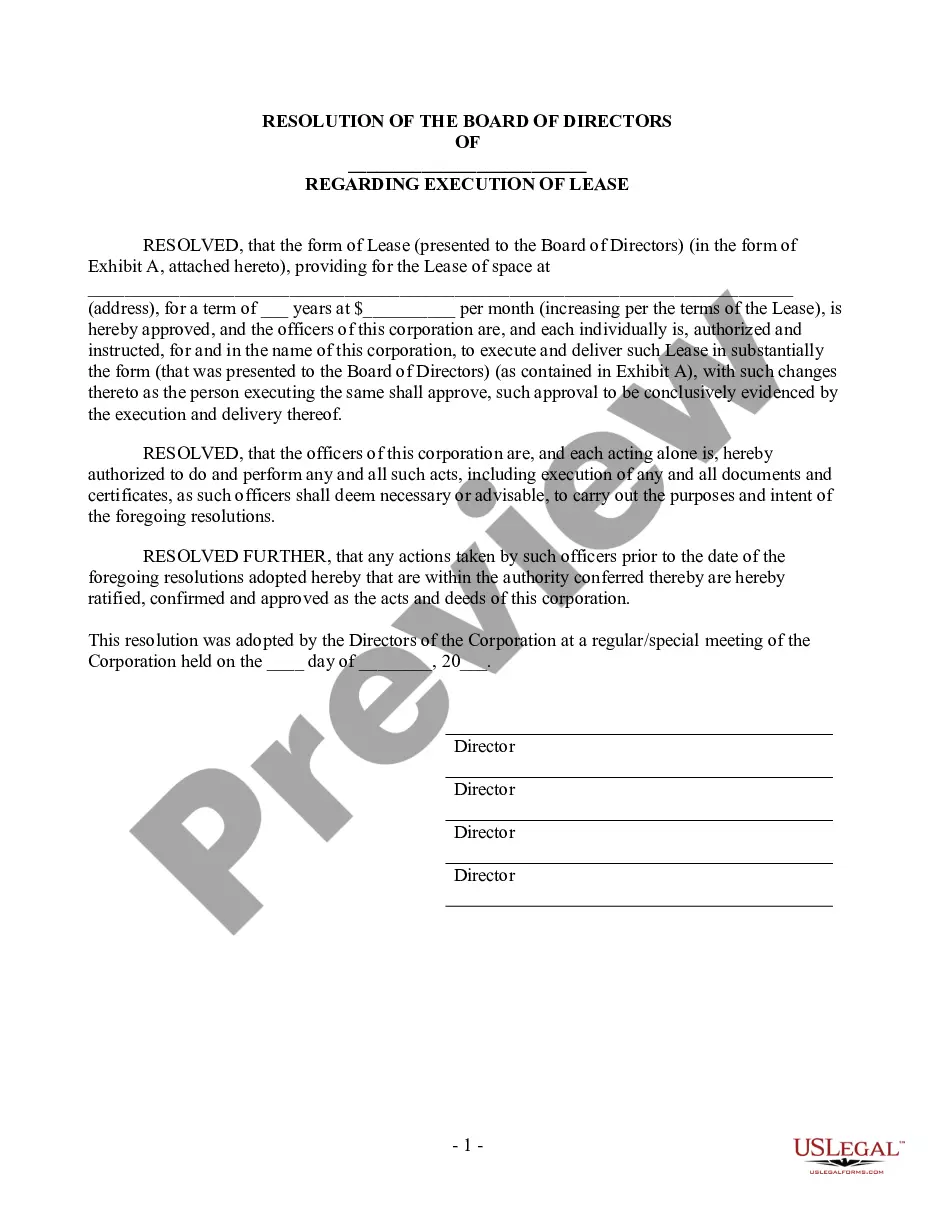
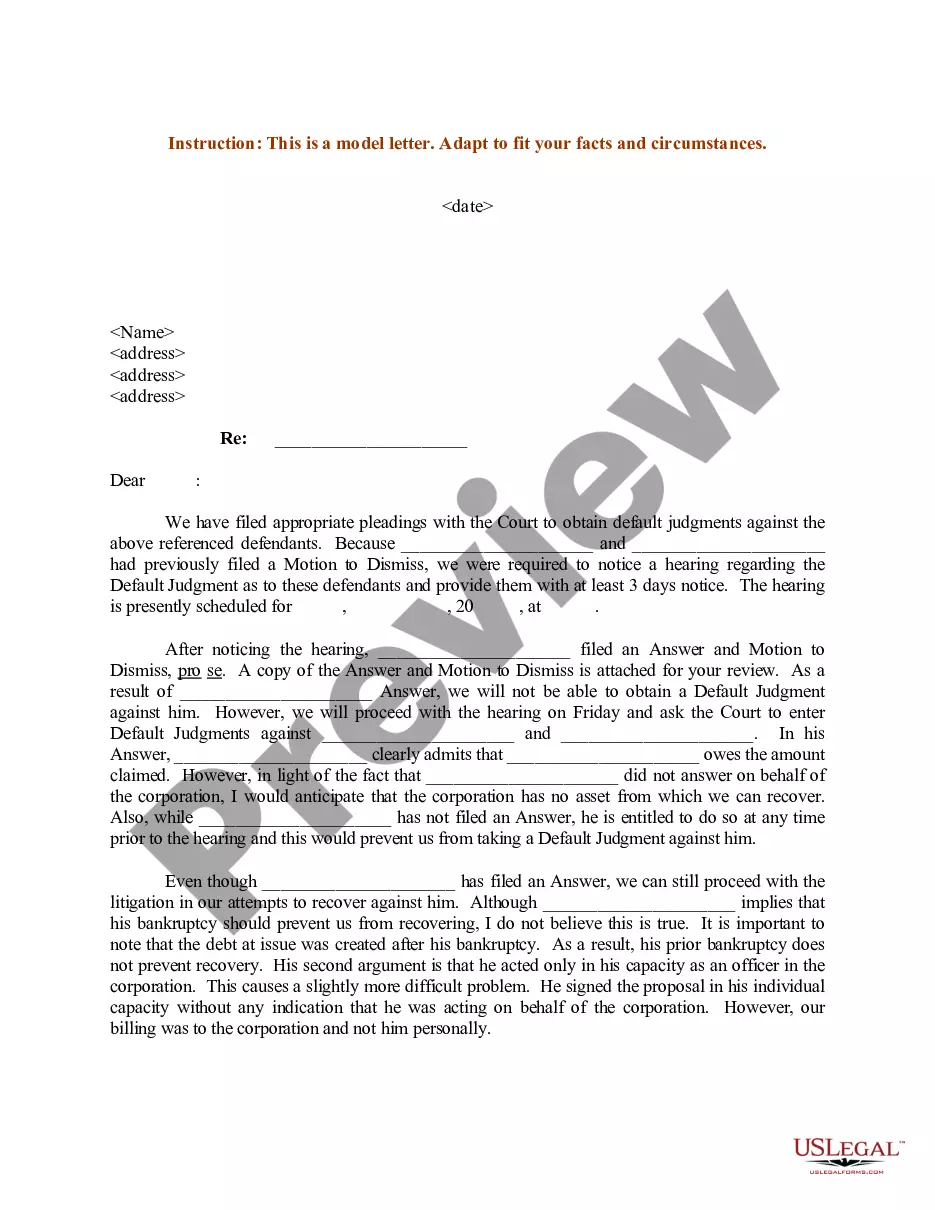
Judgement Settlement Letter Example In Oakland
Description




Get your form ready online
Our built-in tools help you complete, sign, share, and store your documents in one place.
Make edits, fill in missing information, and update formatting in US Legal Forms—just like you would in MS Word.
Download a copy, print it, send it by email, or mail it via USPS—whatever works best for your next step.
Sign and collect signatures with our SignNow integration. Send to multiple recipients, set reminders, and more. Go Premium to unlock E-Sign.
If this form requires notarization, complete it online through a secure video call—no need to meet a notary in person or wait for an appointment.
We protect your documents and personal data by following strict security and privacy standards.

Make edits, fill in missing information, and update formatting in US Legal Forms—just like you would in MS Word.

Download a copy, print it, send it by email, or mail it via USPS—whatever works best for your next step.

Sign and collect signatures with our SignNow integration. Send to multiple recipients, set reminders, and more. Go Premium to unlock E-Sign.

If this form requires notarization, complete it online through a secure video call—no need to meet a notary in person or wait for an appointment.

We protect your documents and personal data by following strict security and privacy standards.
Looking for another form?



Form popularity
FAQ
You can look at your credit report at .annualcreditreport or you can go to the local clerk for the courts and search the county database. If there are judgments in other jurisdictions you would have to look there as well.
To do this, fill out an EJ-001 Abstract of Judgment form and take it to the clerk's office. After the clerk stamps it, record it at the County Recorder's Office in the county where the property is located. Place a lien on a business.
Some collectors want 75%–80% of what you owe. Others will take 50%, while others might settle for one-third or less. So, it makes sense to start low with your first offer and see what happens. And be aware that some collectors won't accept anything less than the total debt amount.
I We amWe are we are making this offer on the clear understanding that, if you accept it, neither you nor any associate company will take any other action to collect or enforce this debt in any way and that I We we will be released from any liability.
These are the steps to follow: Work out what you can offer the people you owe. Send your offer to them in writing. Ask them to confirm they accept your offer in writing. Keep any letters your creditors send you about the settlement offer. Negotiate with your creditors if you need to.
Critical Elements of a Settlement Demand Letter Introduction and Background Information. Start by introducing yourself and providing a brief overview of the incident. Statement of Facts. Liability. Injuries and Medical Treatment. Damages. Settlement Demand. Deadline for Response. Closing.
Can a judge overturn a settlement agreement? A judge can overturn a settlement agreement if it was reached due to fraud, coercion, or mistakes.
Essentially a judgment is an official decision made by the court that signifies that the plaintiff has won their court case. Settlements are not dictated by the court, but rather are an agreement by both parties regarding the outcome of the lawsuit.
A settlement is an agreement by both parties to the lawsuit that resolves their dispute. This usually occurs before trial but can occur after trial in some instances.
In many cases, filing in small claims court is the fastest and easiest way for people to legally settle their disputes. The person suing is the plaintiff, and the person being sued is the defendant. A person cannot sue for more than $12,500 in most cases. A business or public entity cannot sue for more than $6,250.