Judgment Letter Of Administration In Massachusetts
Description





Get your form ready online
Our built-in tools help you complete, sign, share, and store your documents in one place.
Make edits, fill in missing information, and update formatting in US Legal Forms—just like you would in MS Word.
Download a copy, print it, send it by email, or mail it via USPS—whatever works best for your next step.
Sign and collect signatures with our SignNow integration. Send to multiple recipients, set reminders, and more. Go Premium to unlock E-Sign.
If this form requires notarization, complete it online through a secure video call—no need to meet a notary in person or wait for an appointment.
We protect your documents and personal data by following strict security and privacy standards.

Make edits, fill in missing information, and update formatting in US Legal Forms—just like you would in MS Word.

Download a copy, print it, send it by email, or mail it via USPS—whatever works best for your next step.

Sign and collect signatures with our SignNow integration. Send to multiple recipients, set reminders, and more. Go Premium to unlock E-Sign.

If this form requires notarization, complete it online through a secure video call—no need to meet a notary in person or wait for an appointment.

We protect your documents and personal data by following strict security and privacy standards.
Looking for another form?

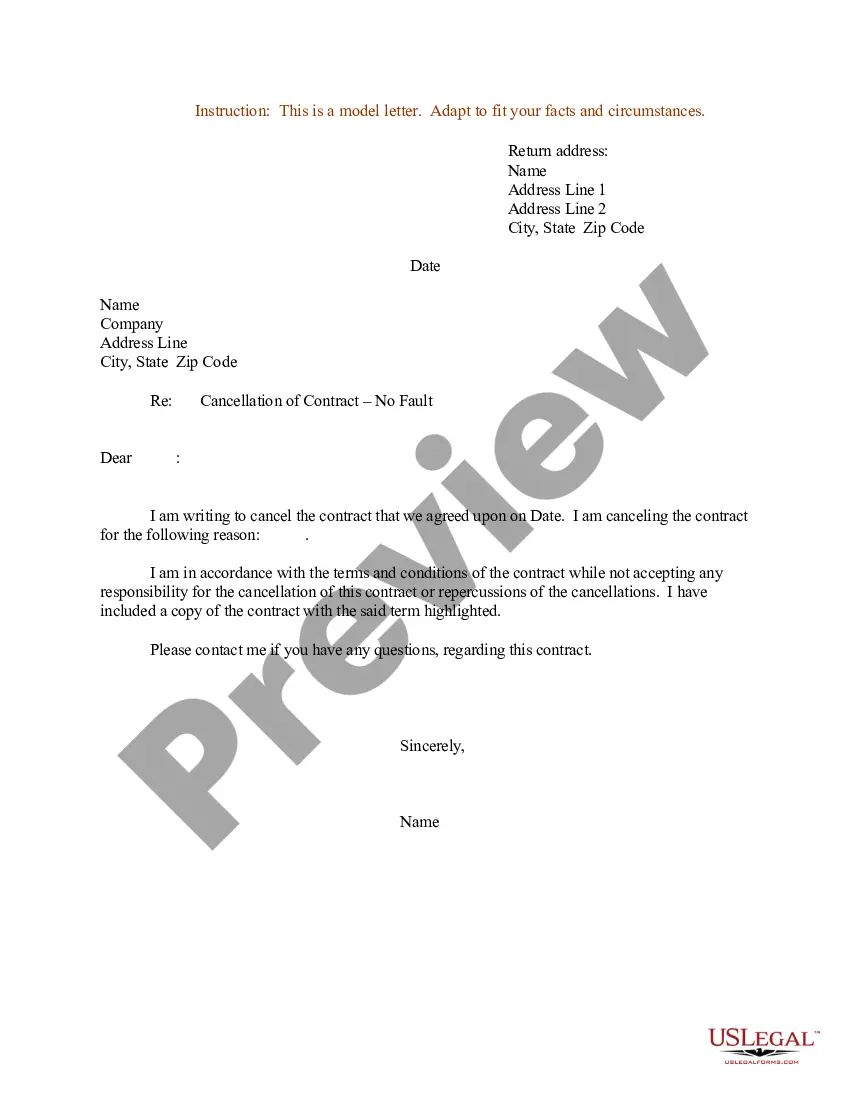
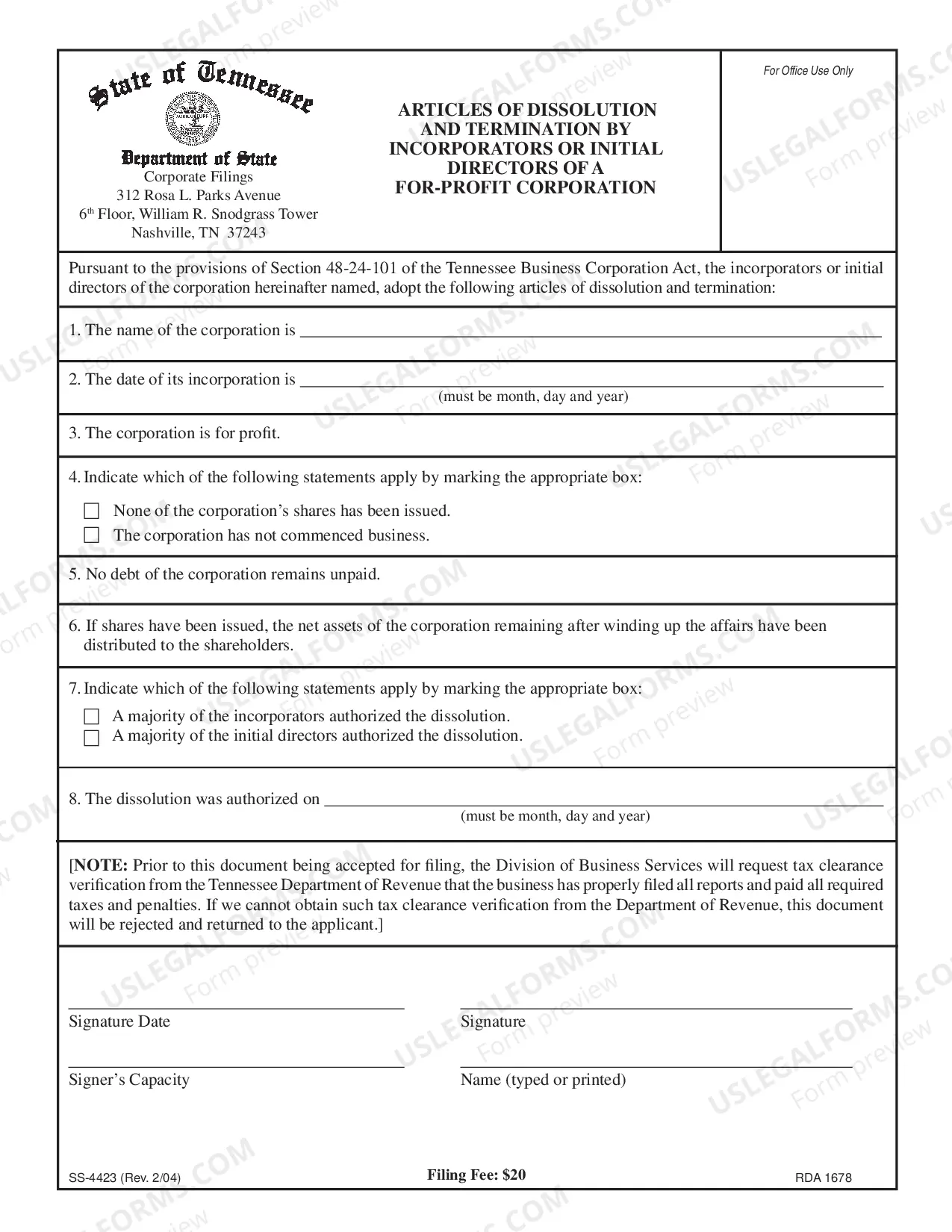





Form popularity
FAQ
How long does it take to be issued a letter of administration? Assuming all the relevant documents have been filed, on average, it takes 3 to 6 weeks to receive a letter of administration in New York. If someone is contesting your right to administer the estate, this process could take years.
Letters of Administration in probate are the documents that allow the necessary legal processes to start. Probate refers to the practice of administering an Estate after someone dies; if the deceased person did not have a Will, probate cannot begin without court approval.
Steps to Become a Personal Representative of an Estate Understand Your Priority for Appointment. Determine the Proper Probate Court. Research the County's Filing Requirements. File the Petition for Administration. Notice of Petition to Administer Estate. File a Bond. Attend the Probate Hearing.
Small estates Even if an estate contains probate assets, you might be surprised to learn you may not need to go through a full formal probate. If the value of the decedent's estate is less than $25,000 and does not contain any real property, than a limited version of probate called Voluntary Administration may qualify.
To receive your letters of administration, you'll first file an application to be estate administrator with your local probate court. You'll then attend a court hearing, where a judge will evaluate your application, verify that you're able to serve as administrator, and either approve or deny your request.
Kerri Mast: There is a range regarding how long it takes to settle an estate and several factors at play, including the asset value and complexity. Simple estates might be settled within six months. Complex estates, those with a lot of assets or assets that are complex or hard to value can take several years to settle.
Each state has its own set of laws governing the probate process. For example, in California, probate must be filed within 30 days of discovering the will, while in Texas, executors have up to four years to file.
The terms “administrator and “executor” are often used interchangeably, but there's a subtle difference. An administrator can refer to anyone appointed to manage the affairs of a deceased person. An executor is a specific type of administrator named in a person's will to manage their estate after they pass away.
A courthouse might send a certified letter for several reasons, including: Notification of Legal Proceedings: To inform individuals about upcoming court dates, hearings, or trials that they need to attend.

