Payment For Judgement In Maryland
Description



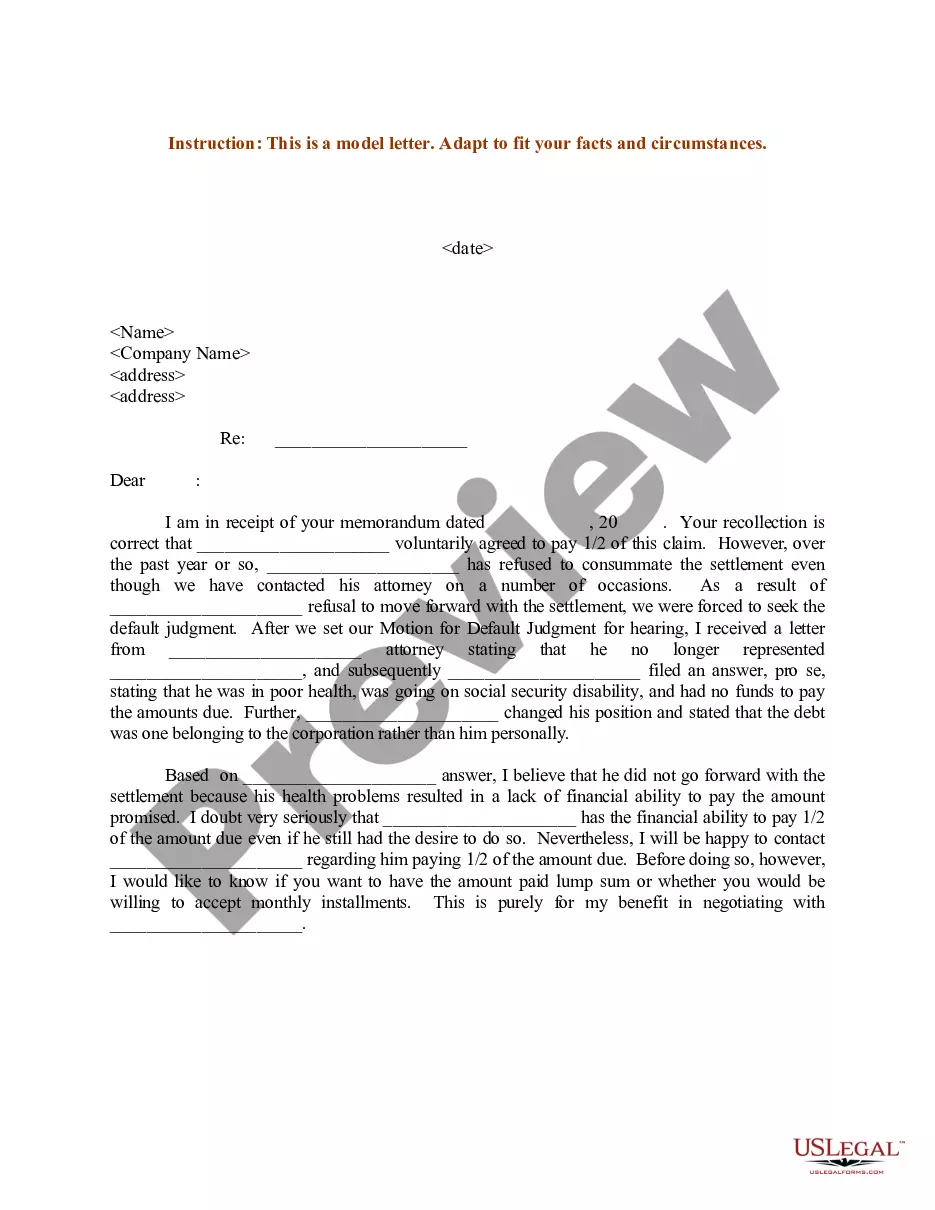

Get your form ready online
Our built-in tools help you complete, sign, share, and store your documents in one place.
Make edits, fill in missing information, and update formatting in US Legal Forms—just like you would in MS Word.
Download a copy, print it, send it by email, or mail it via USPS—whatever works best for your next step.
Sign and collect signatures with our SignNow integration. Send to multiple recipients, set reminders, and more. Go Premium to unlock E-Sign.
If this form requires notarization, complete it online through a secure video call—no need to meet a notary in person or wait for an appointment.
We protect your documents and personal data by following strict security and privacy standards.

Make edits, fill in missing information, and update formatting in US Legal Forms—just like you would in MS Word.

Download a copy, print it, send it by email, or mail it via USPS—whatever works best for your next step.

Sign and collect signatures with our SignNow integration. Send to multiple recipients, set reminders, and more. Go Premium to unlock E-Sign.

If this form requires notarization, complete it online through a secure video call—no need to meet a notary in person or wait for an appointment.

We protect your documents and personal data by following strict security and privacy standards.
Looking for another form?





Form popularity
FAQ
Once the judgment is recorded, there are three options for collecting the judgment: Garnish the debtor's wages. Garnish the debtor's bank account. Seize the debtor's personal property or real estate.
Once the judgment is recorded, there are three options for collecting the judgment: Garnish the debtor's wages. Garnish the debtor's bank account. Seize the debtor's personal property or real estate.
Once the Order of Default is issued, the defendant has 30 days to respond and explain why they did not answer the initial Complaint and/or why the Order of Default should not proceed. If the Defendant does not respond to the Order of Default, the case will be scheduled for an uncontested hearing.
A default judgment (also known as judgment by default ) is a ruling granted by a judge or court in favor of a plaintiff in the event that the defendant in a legal case fails to respond to a court summons or does not appear in court.
A creditor who obtains a judgment against you is the "judgment creditor." You are the "judgment debtor" in the case. A judgment lasts for 12 years and the plaintiff can renew the judgment for another 12 years.
In Maryland, parties must file most cases within 3 years of the time when it was first possible to file. If you are making an old claim, the Court may dismiss your case by “statute of limitations.” If you are uncertain, consult your attorney.
filing is available in all Maryland jurisdictions. filing is offered by multiple filing service providers. Contact information for certified vendors can be found here.
New cases may either be filed electronically or submitted in paper format to the Clerk's Office for filing. To file a new case electronically, please refer to the Civil Case Opening Procedures.
Once the waiting period passes, there are three different ways you can collect on the judgment: Garnishing the other person's wages; Garnishing the other person's bank account; or. Seizing the other person's personal property or real estate.

