Exhibition Contract Template With Contractor In Pennsylvania
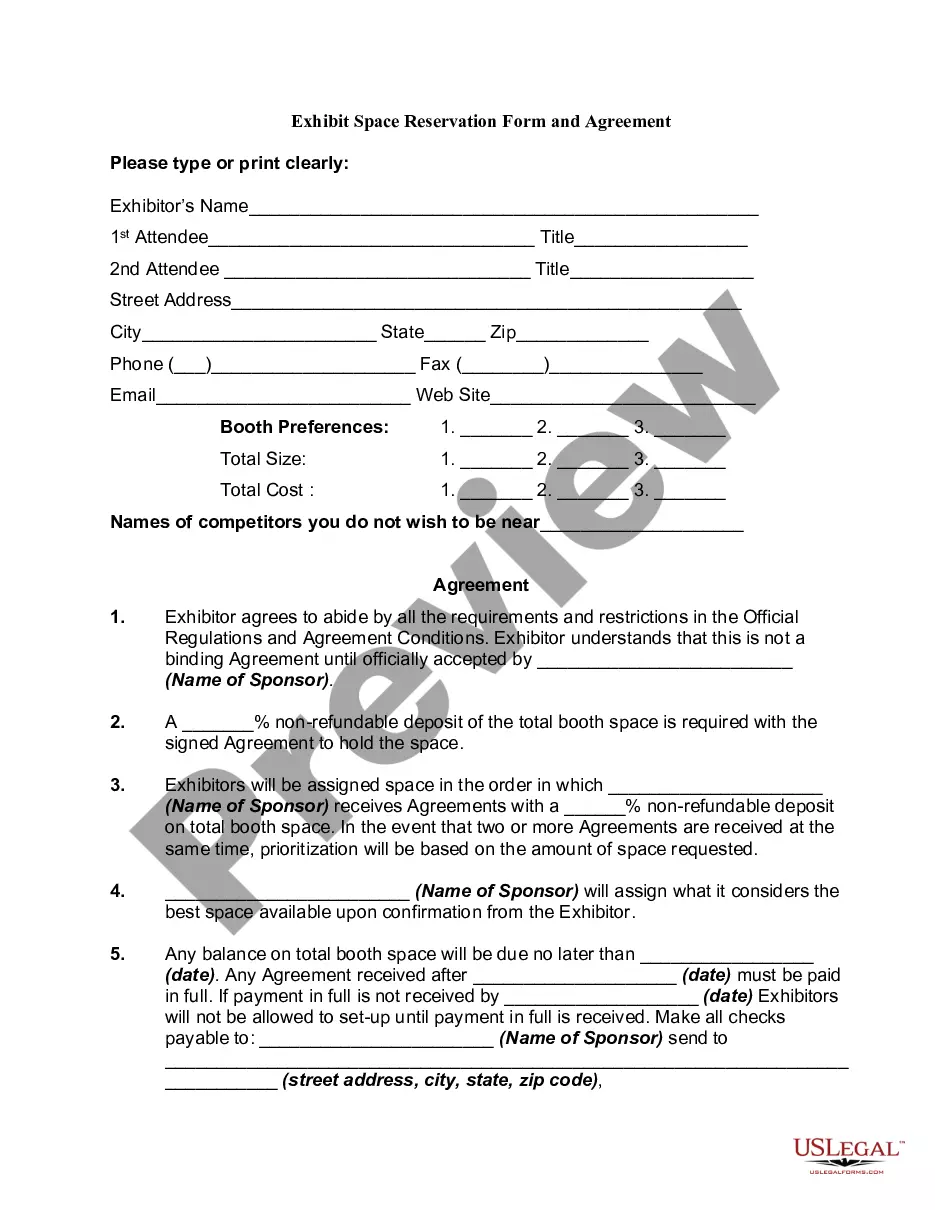
Description
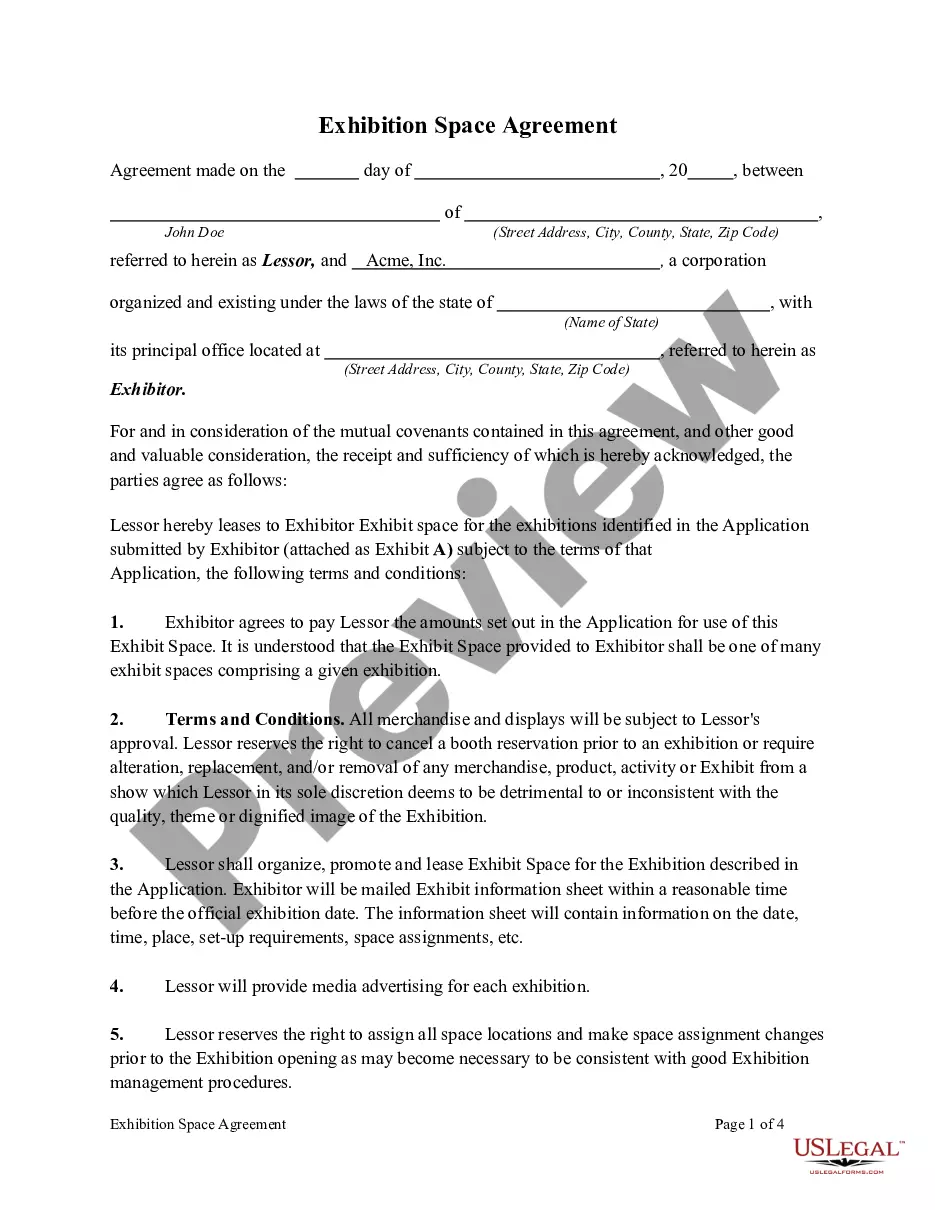
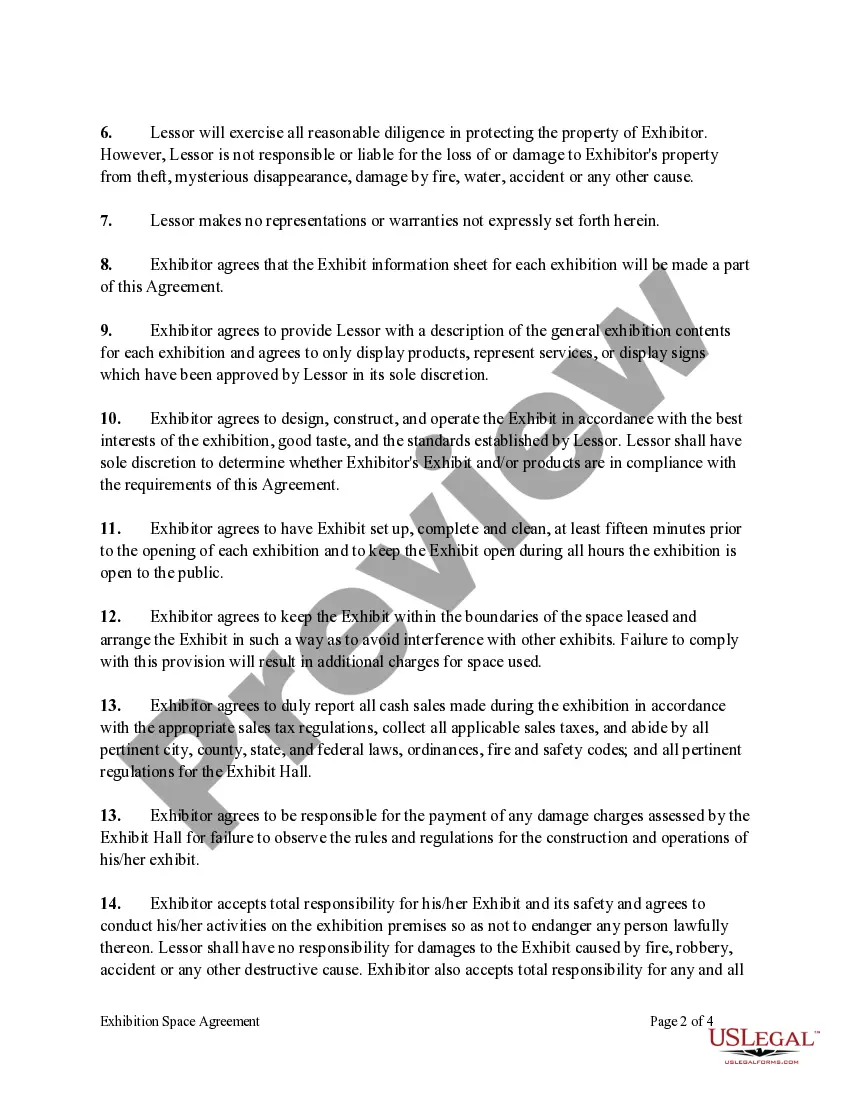
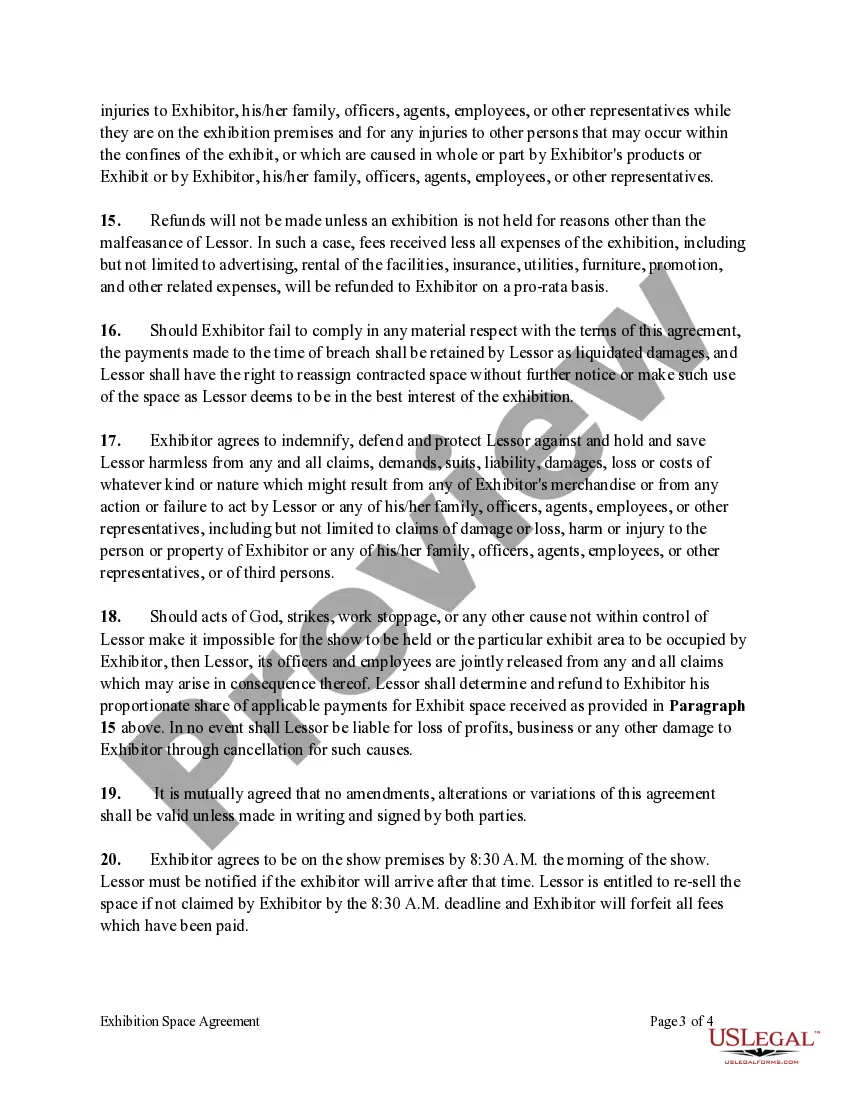
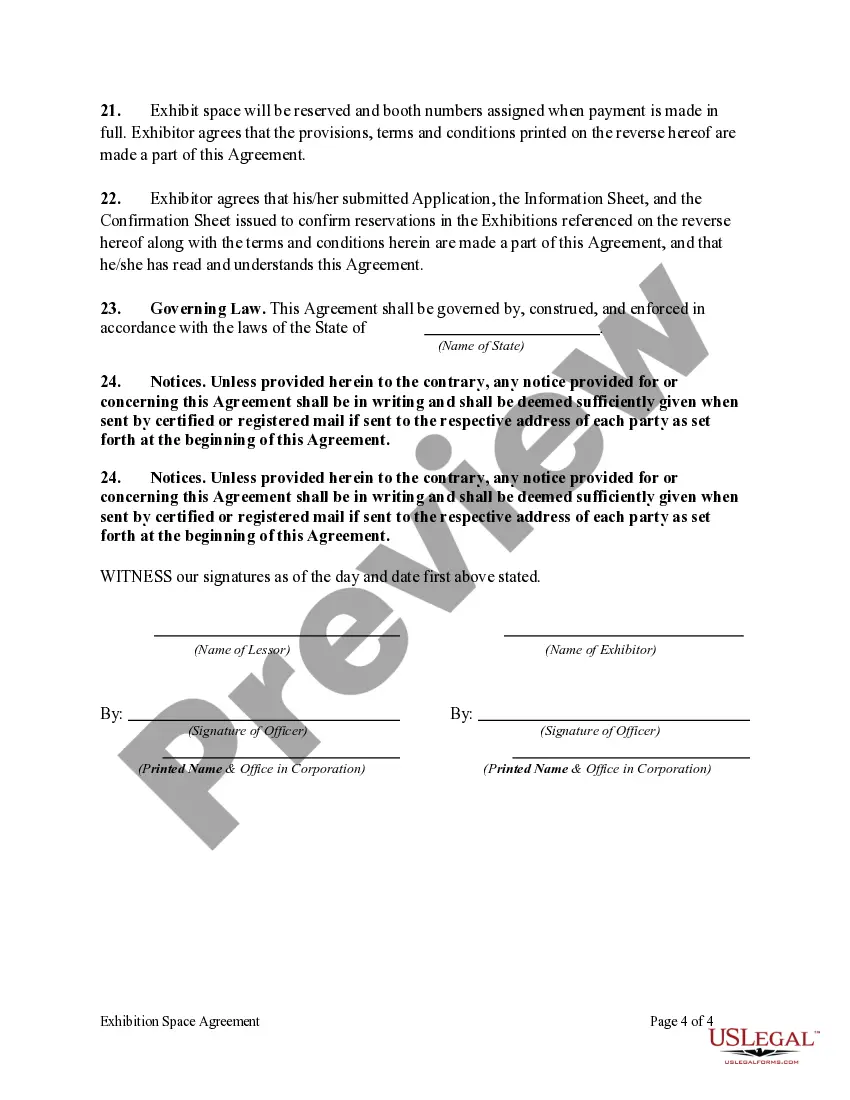

Get your form ready online
Our built-in tools help you complete, sign, share, and store your documents in one place.
Make edits, fill in missing information, and update formatting in US Legal Forms—just like you would in MS Word.
Download a copy, print it, send it by email, or mail it via USPS—whatever works best for your next step.
Sign and collect signatures with our SignNow integration. Send to multiple recipients, set reminders, and more. Go Premium to unlock E-Sign.
If this form requires notarization, complete it online through a secure video call—no need to meet a notary in person or wait for an appointment.
We protect your documents and personal data by following strict security and privacy standards.

Make edits, fill in missing information, and update formatting in US Legal Forms—just like you would in MS Word.

Download a copy, print it, send it by email, or mail it via USPS—whatever works best for your next step.

Sign and collect signatures with our SignNow integration. Send to multiple recipients, set reminders, and more. Go Premium to unlock E-Sign.

If this form requires notarization, complete it online through a secure video call—no need to meet a notary in person or wait for an appointment.

We protect your documents and personal data by following strict security and privacy standards.
Looking for another form?








Form popularity
FAQ
Exhibits are not considered to be part of the definitive agreement. Exhibits are typically viewed as samples (also known as specimens) of documents that the parties intend to either execute or deliver at some point in the future.
Complete the legal document to determine where to attach the exhibit. Include a typed notation within the body of the legal document where the exhibit should be referenced. Thereafter, assign the exhibit with an identifying number or letter.
Therefore, you should refer to “Attachment 1” and not “Appendix 1” or “Annexure 1” and make it clear from the wording in the agreement whether they are intended to be an integral part of the agreement or not. One could also refer to a Schedule as a “list”.
Exhibit would usually be a standalone document that's being attached for approval (if resolutions), or explaining something (if a memo). Attachment is usually only used for correspondence (like at the bottom of a letter, you'd say “attachments” and list what's attached).
A prior breach, said Murphy, is the most common way contracts or a portion thereof are determined to be unenforceable. “If there has been a prior breach of the contract, the party who breached that contract doesn't then get to enforce the contract,” he said.
Exhibitor Appointed Contractors (EACs) are a team of experts that you hire in lieu of the GC, to and dismantle your display. EACs are most often full-time employees that are event and trade show skilled workers.
There are no statewide Pennsylvania general contractor license or certification requirements. However, any contractor who performs at least $5,000 worth of home improvements per year must register with the Attorney General's office.
What to avoid in construction contracts Unclear scope of work and specifications: An ambiguous scope of work can cause misinterpretation. Missing change order procedures: Not having change order procedures is a risk as construction projects rarely go exactly ing to plan.
Offer and Acceptance: One party must make an offer, and the other must accept it. Mutual Consent: Both parties agree to the terms without coercion. Contract law often refers to this condition as a "meeting of the minds." Competence: The parties must have the legal capacity to agree.
Contract Opportunities: Search, find, bid Government agencies use sam to list contracts over $25,000. Find a contract that fits your business and submit a bid.
