Sample Authorization Letter With Notary In Virginia
Description




Get your form ready online
Our built-in tools help you complete, sign, share, and store your documents in one place.
Make edits, fill in missing information, and update formatting in US Legal Forms—just like you would in MS Word.
Download a copy, print it, send it by email, or mail it via USPS—whatever works best for your next step.
Sign and collect signatures with our SignNow integration. Send to multiple recipients, set reminders, and more. Go Premium to unlock E-Sign.
If this form requires notarization, complete it online through a secure video call—no need to meet a notary in person or wait for an appointment.
We protect your documents and personal data by following strict security and privacy standards.

Make edits, fill in missing information, and update formatting in US Legal Forms—just like you would in MS Word.

Download a copy, print it, send it by email, or mail it via USPS—whatever works best for your next step.

Sign and collect signatures with our SignNow integration. Send to multiple recipients, set reminders, and more. Go Premium to unlock E-Sign.

If this form requires notarization, complete it online through a secure video call—no need to meet a notary in person or wait for an appointment.

We protect your documents and personal data by following strict security and privacy standards.
Looking for another form?
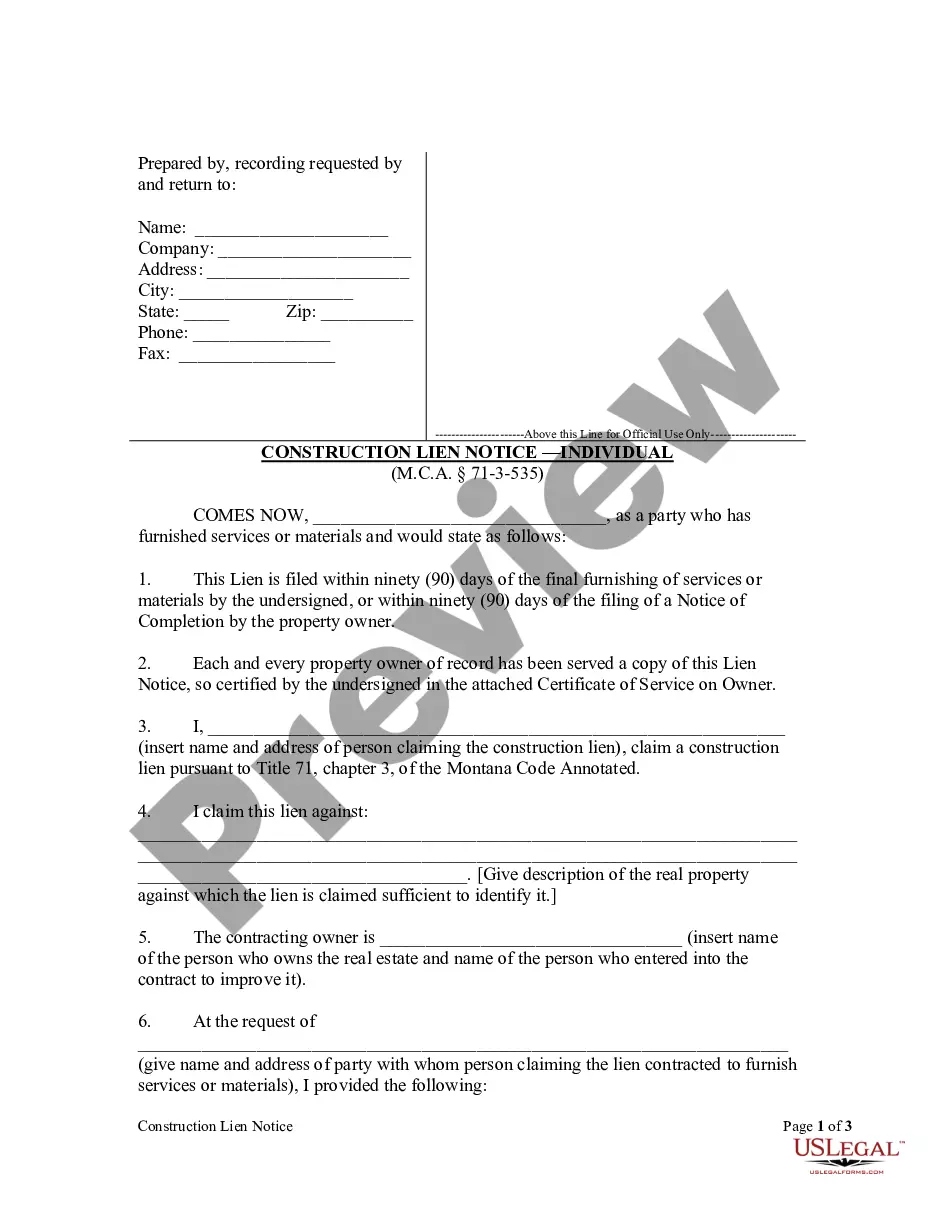





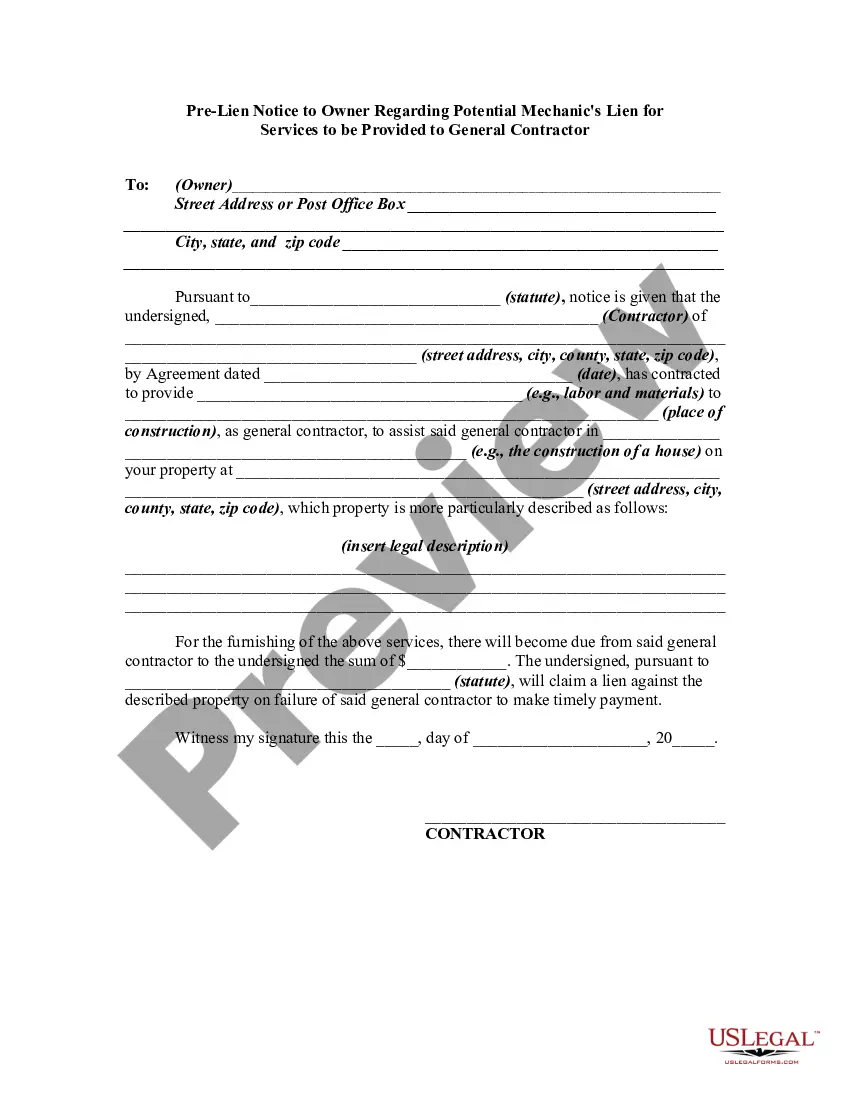
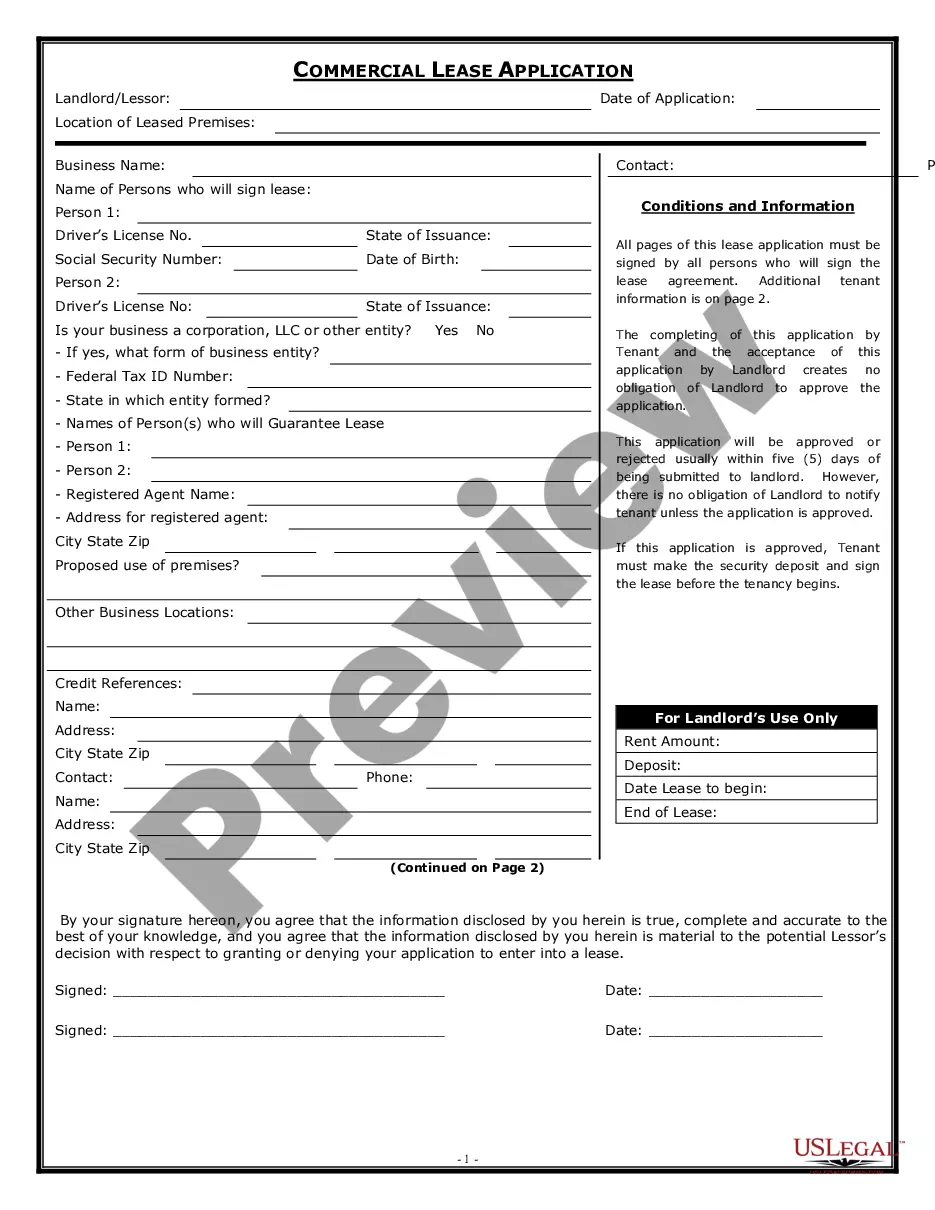


Form popularity
FAQ
The Easy Answer: Yes, You May Notarize Out-Of-State Documents.
Depending on the type of documentation, you may first have to get the documentation stamped/signed by the appropriate department or institution; by a magistrate, an additional magistrate or assistant magistrate; or a registrar or an assistant registrar of the High Court of South Africa before the Legalisation Section ...
Apostilles for Brazilian public documents can be obtained at certain Civil Registry offices (cartórios). Verify if a particular cartório offers this service before you go. Apostilles do not require any further certification to be recognized in the United States.
Virginia law requires a notary to affix a seal or stamp on every document they notarize. The law specifies that the seal/stamp be sharp, legible, permanent and photographically reproducible.
The signer must appear before the notary. The notary must identify the signer. The signer must take an oath or affirmation in the notary's presence and verbally confirm the document's truthfulness (silent nods are not sufficient). The document must be signed by the signer in the notary's presence.
A notarized letter should include the date, full names of all parties, specific addresses, the purpose of the letter, relevant dates and terms, signatures, and a formal tone with proper formatting.
One of the most common mistakes that notaries make is not printing or signing their name exactly as it appears on their notary commission.
A notary must always be completely satisfied with the identity of the person whose signature is being notarized. A notary is not obligated to notarize a person's signature without being sure that the person is who he or she claims to be. Always check identification and be satisfied that the identification is valid.
A power of attorney, under the Civil Code, requires the principal's signature and, at times, notarization to be binding. Authorization letters, while potentially less formal, can still benefit from notarization to secure authenticity and ensure acceptance by government offices, banks, or private institutions.
In order to complete an online notarization in Virginia, you'll need the following: An original, unsigned document (Don't sign it before uploading! ... A computer, iPhone, or Android phone with audio and video capabilities. A valid government–issued photo ID. A U.S. social security number for secure identity verification.

