Cover Letter Sample For College Application In Riverside
Description

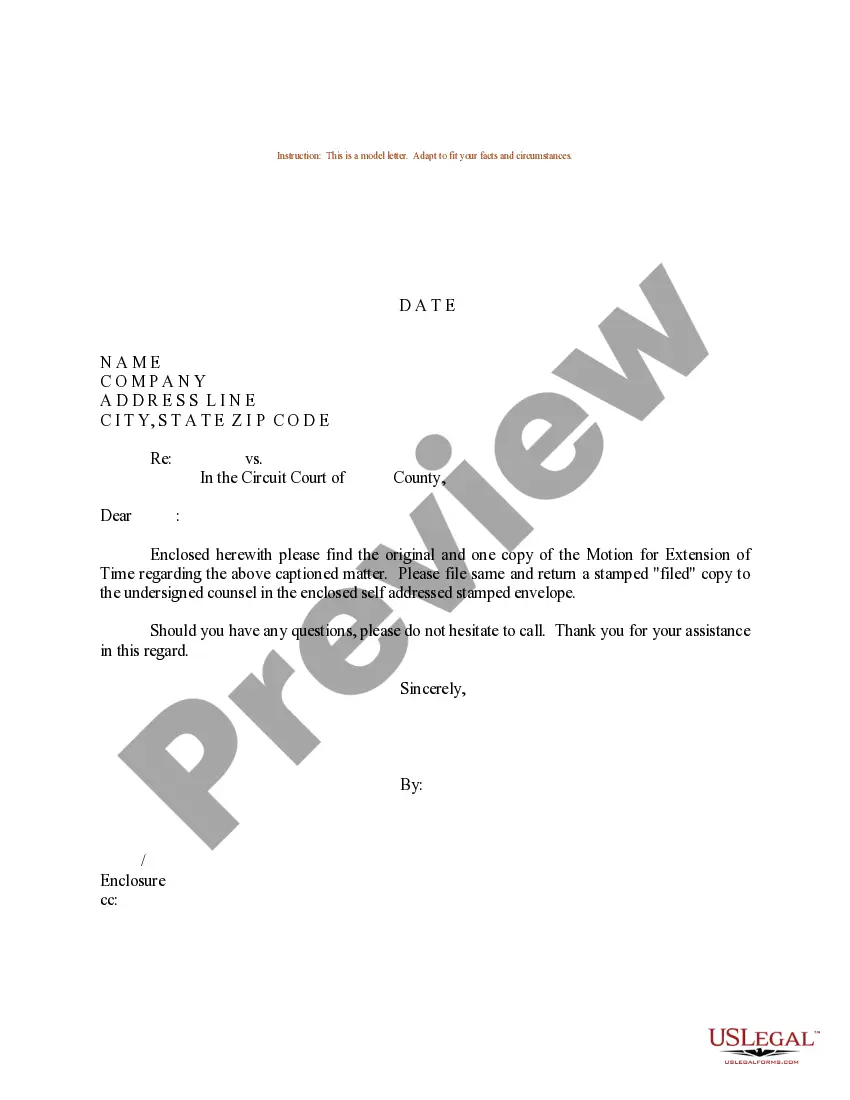
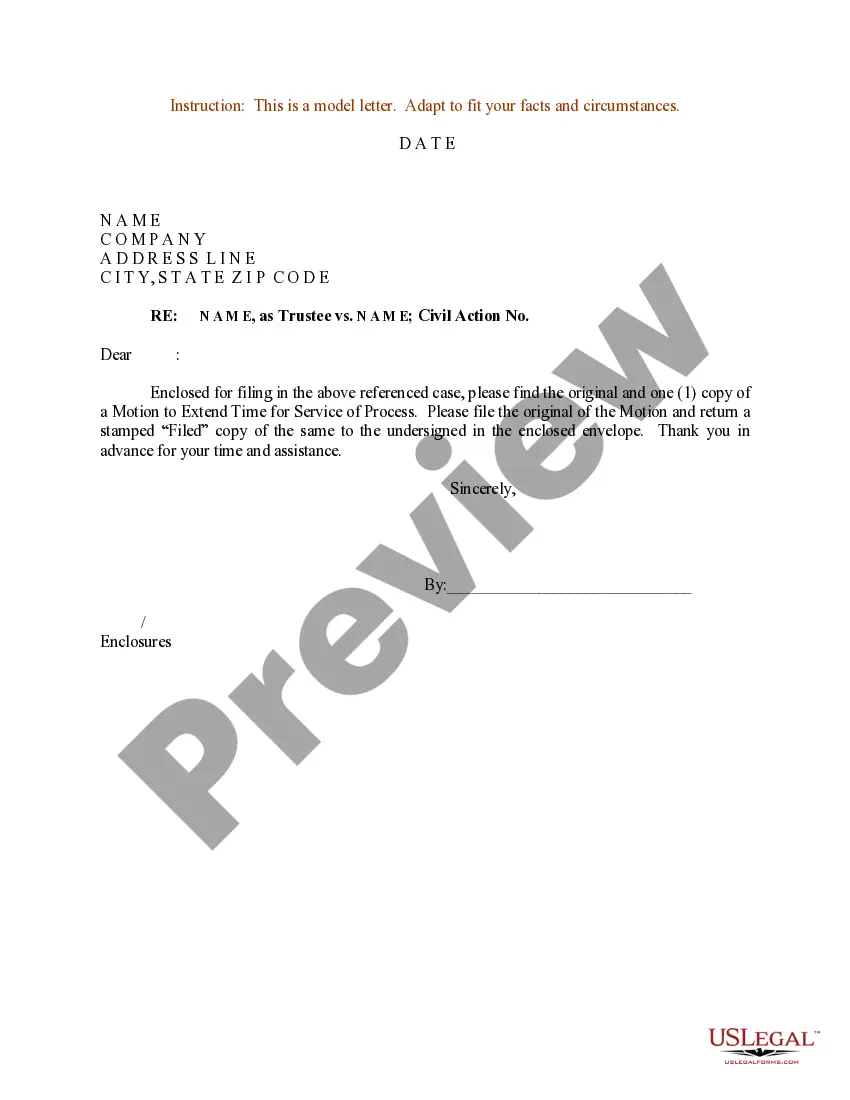
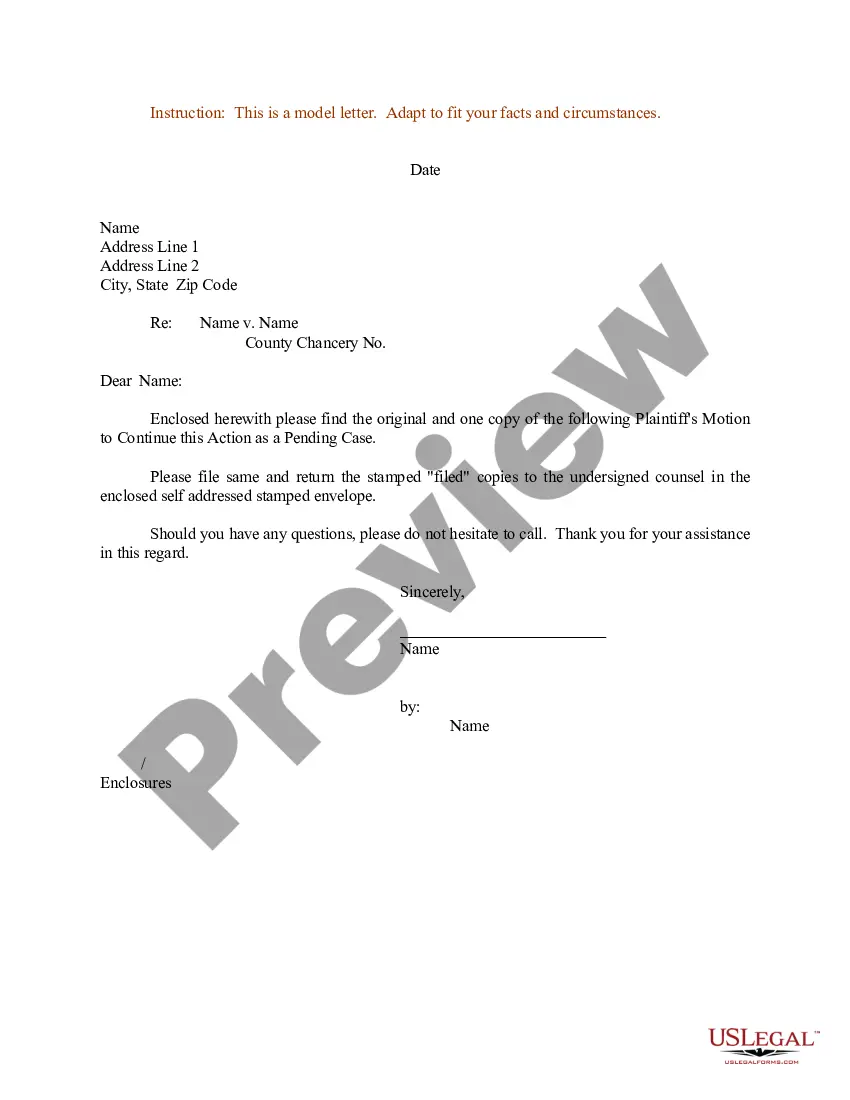
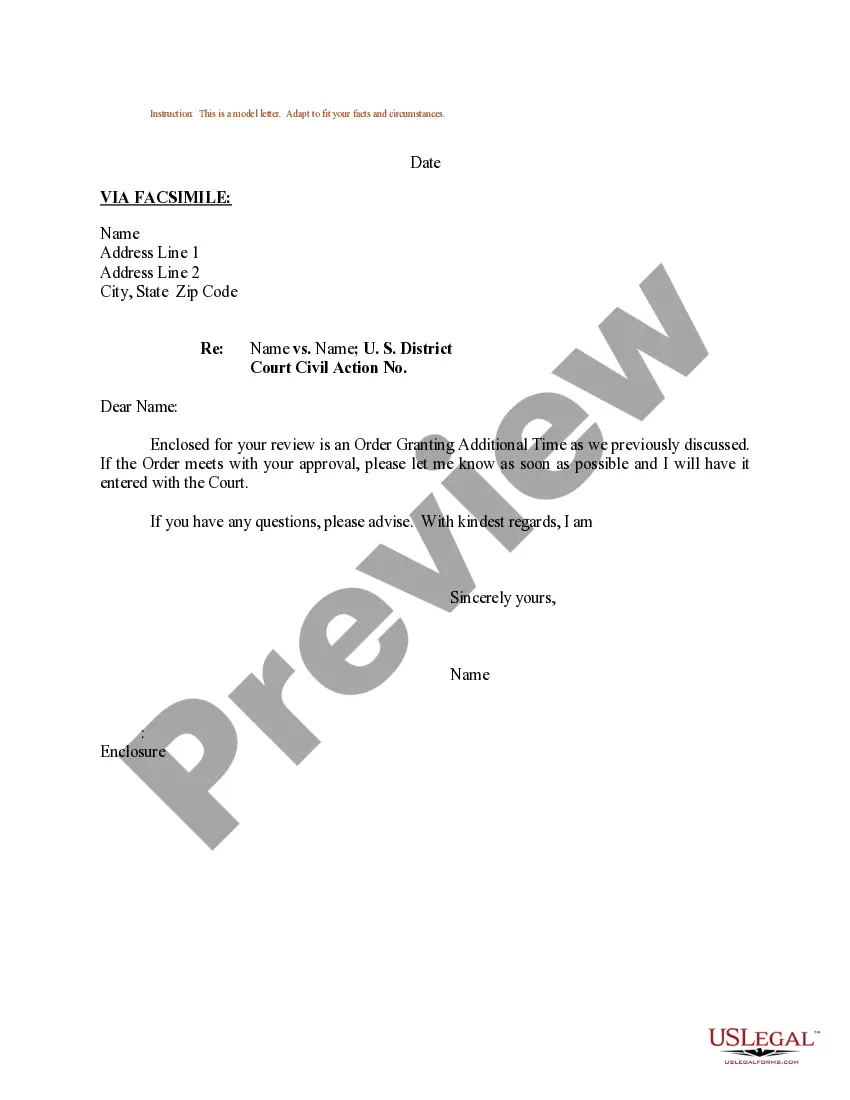
Get your form ready online
Our built-in tools help you complete, sign, share, and store your documents in one place.
Make edits, fill in missing information, and update formatting in US Legal Forms—just like you would in MS Word.
Download a copy, print it, send it by email, or mail it via USPS—whatever works best for your next step.
Sign and collect signatures with our SignNow integration. Send to multiple recipients, set reminders, and more. Go Premium to unlock E-Sign.
If this form requires notarization, complete it online through a secure video call—no need to meet a notary in person or wait for an appointment.
We protect your documents and personal data by following strict security and privacy standards.

Make edits, fill in missing information, and update formatting in US Legal Forms—just like you would in MS Word.

Download a copy, print it, send it by email, or mail it via USPS—whatever works best for your next step.

Sign and collect signatures with our SignNow integration. Send to multiple recipients, set reminders, and more. Go Premium to unlock E-Sign.

If this form requires notarization, complete it online through a secure video call—no need to meet a notary in person or wait for an appointment.

We protect your documents and personal data by following strict security and privacy standards.
Looking for another form?





Form popularity
FAQ
Dear Hiring Manager, I'm excited to submit my application for the Position role at Company Name. As an experienced title with X years of experience, I'm confident that I have the 1-2 specific skills and qualifications from the job description necessary to excel in this position.
Tips For Writing A College Student Cover Letter List correct contact information. Use simple language. Mention extracurricular activities. Include accolades and achievements. Talk about the role in your cover letter. Keep yourself enthusiastic through the recruitment stages. Match your skills with the role details.
15 Cover Letter Tips Customize Your Cover Letter for Each Job. Make sure your cover letter is tailored to the job you're applying for. Showcase Your Skills. Avoid Fluff. Use Specific Examples. Research the Company. Follow the Application Instructions. Use the Right Template and Format. Express Your Enthusiasm.
In summary, while not all companies will ignore applications without a cover letter, including one can enhance your application and demonstrate your interest in the position. When in doubt, it's best to follow the application instructions provided in the job listing.
Use these tips to help guide your writing: Research the college. Before you submit your application, find out more about the institution you're interested. Be concise. Keep your cover letter brief, to the point and a maximum of one page. Be specific. Emphasize your uniqueness. Proofread your cover letter.
How do I write a cover letter? Your cover letter should articulate your qualifications and motivation for the position. Read the job description closely and research the organization. As you craft your cover letter, use examples that demonstrate your relevant skills, knowledge, and interests.
If you're ever uncertain about whether to submit a cover letter, you can consider reaching out to the company's HR department or recruiting team for clarification. Otherwise, it's generally advisable to adhere to their stated application requirements and not include a cover letter when it's not explicitly requested.
15 Cover Letter Tips Customize Your Cover Letter for Each Job. Make sure your cover letter is tailored to the job you're applying for. Showcase Your Skills. Avoid Fluff. Use Specific Examples. Research the Company. Follow the Application Instructions. Use the Right Template and Format. Express Your Enthusiasm.
What to Include in a Cover Letter for University Application Reason for your interest in the school. Your academic goals and interests. Your background and future interests. Connections to the school that you may have (if any) ... Your application documents. A CTA for considering. Your contact details.

