Cover Letter Sample For College Application In Hillsborough
Description



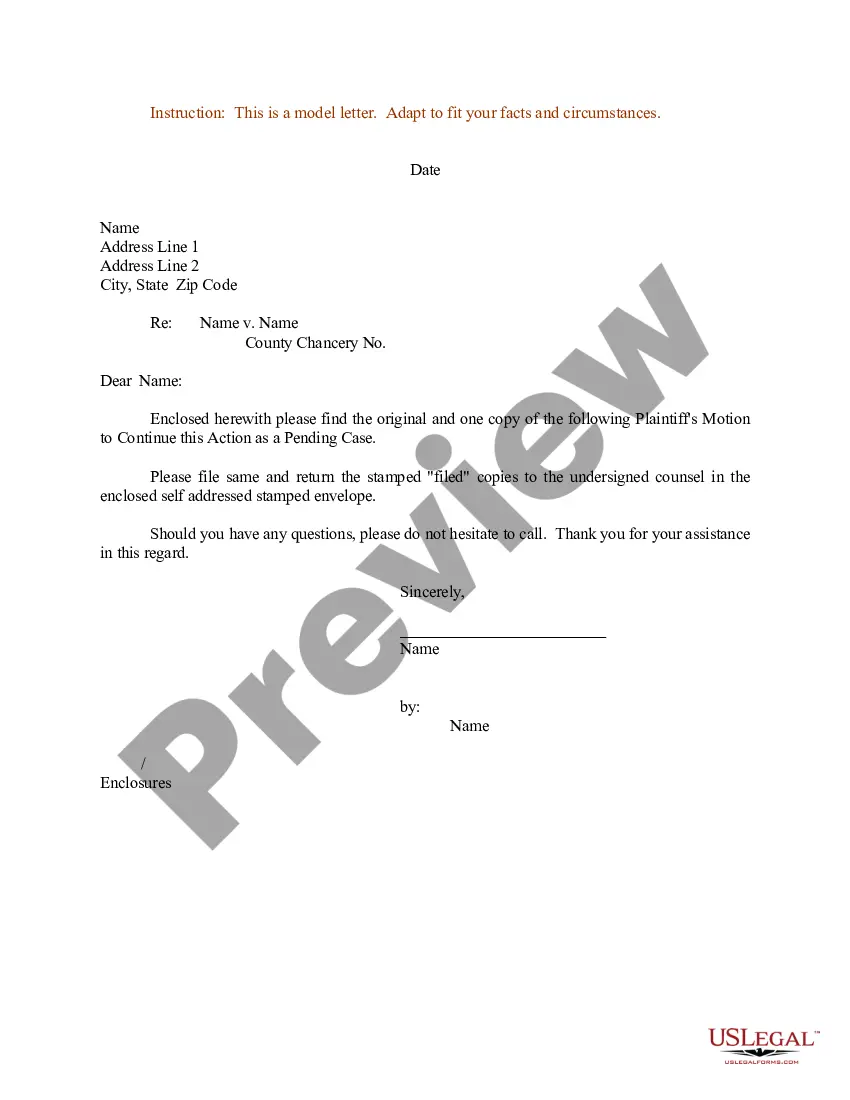
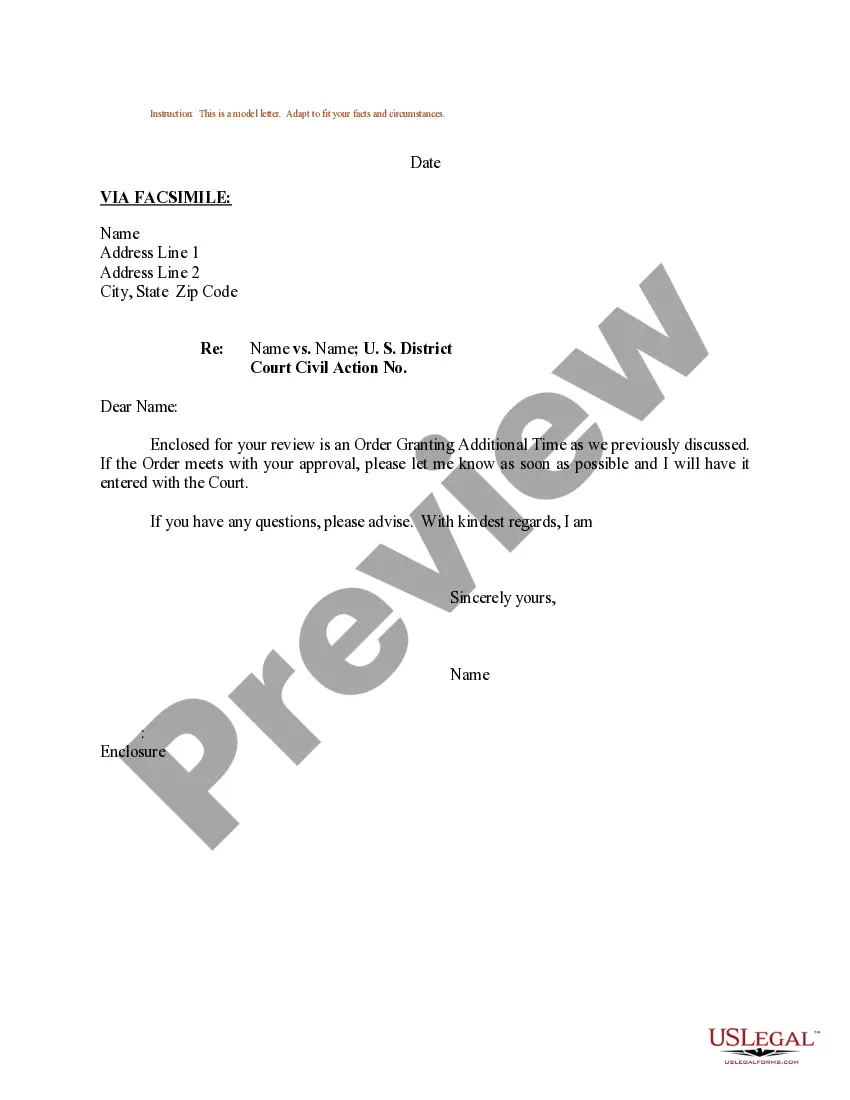
Get your form ready online
Our built-in tools help you complete, sign, share, and store your documents in one place.
Make edits, fill in missing information, and update formatting in US Legal Forms—just like you would in MS Word.
Download a copy, print it, send it by email, or mail it via USPS—whatever works best for your next step.
Sign and collect signatures with our SignNow integration. Send to multiple recipients, set reminders, and more. Go Premium to unlock E-Sign.
If this form requires notarization, complete it online through a secure video call—no need to meet a notary in person or wait for an appointment.
We protect your documents and personal data by following strict security and privacy standards.

Make edits, fill in missing information, and update formatting in US Legal Forms—just like you would in MS Word.

Download a copy, print it, send it by email, or mail it via USPS—whatever works best for your next step.

Sign and collect signatures with our SignNow integration. Send to multiple recipients, set reminders, and more. Go Premium to unlock E-Sign.

If this form requires notarization, complete it online through a secure video call—no need to meet a notary in person or wait for an appointment.

We protect your documents and personal data by following strict security and privacy standards.
Looking for another form?








Form popularity
FAQ
Use these tips to help guide your writing: Research the college. Before you submit your application, find out more about the institution you're interested. Be concise. Keep your cover letter brief, to the point and a maximum of one page. Be specific. Emphasize your uniqueness. Proofread your cover letter.
Cover Letter Tips From Career Advice Experts Demonstrate fit and value for the role. Follow application instructions. Tailor your cover letter to the job. Avoid apologizing for lack of experience. Avoid oversharing personal information. Maintain a professional tone. End with a call to action.
Key Takeaways Address the cover letter to the hiring manager. If you can't find their name, then address them as “Hiring Manager,” by their title or address the department.
How should a school cover letter be structured? Header or subject of the letter. Catchphrase. Motivations for your career plan. Interest in the school you are writing to. Reasons why your profile is relevant. Conclusion, accompanied by the famous greeting.
Tips for writing an admission letter for college Research the college. Before you submit your application, find out more about the institution you're interested. Be concise. Keep your cover letter brief, to the point and a maximum of one page. Be specific. Emphasize your uniqueness. Proofread your cover letter.
How should I prepare to write my academic cover letter? Get to know the institution. Learn about the department. Consider the students. Research Experiences. Teaching Experience. Internships/Summer/Other Experiences. Identify the position you are applying to and introduce yourself.
How should a school cover letter be structured? Header or subject of the letter. Catchphrase. Motivations for your career plan. Interest in the school you are writing to. Reasons why your profile is relevant. Conclusion, accompanied by the famous greeting.
It's generally best to submit your cover letter as a separate PDF file rather than typing it directly in the email body. Here are a few reasons why: Professionalism: A PDF maintains formatting and looks more polished, which can create a better impression.
Include a call to action by politely suggesting the next steps, like discussing your application further. Don't be pushy and ensure the tone remains professional. Always thank the hiring manager for their time and consideration. Then finish with a traditional closing salutation like “Sincerely” or “Best regards.”

