Cover Letter Sample For College Application In Chicago
Description

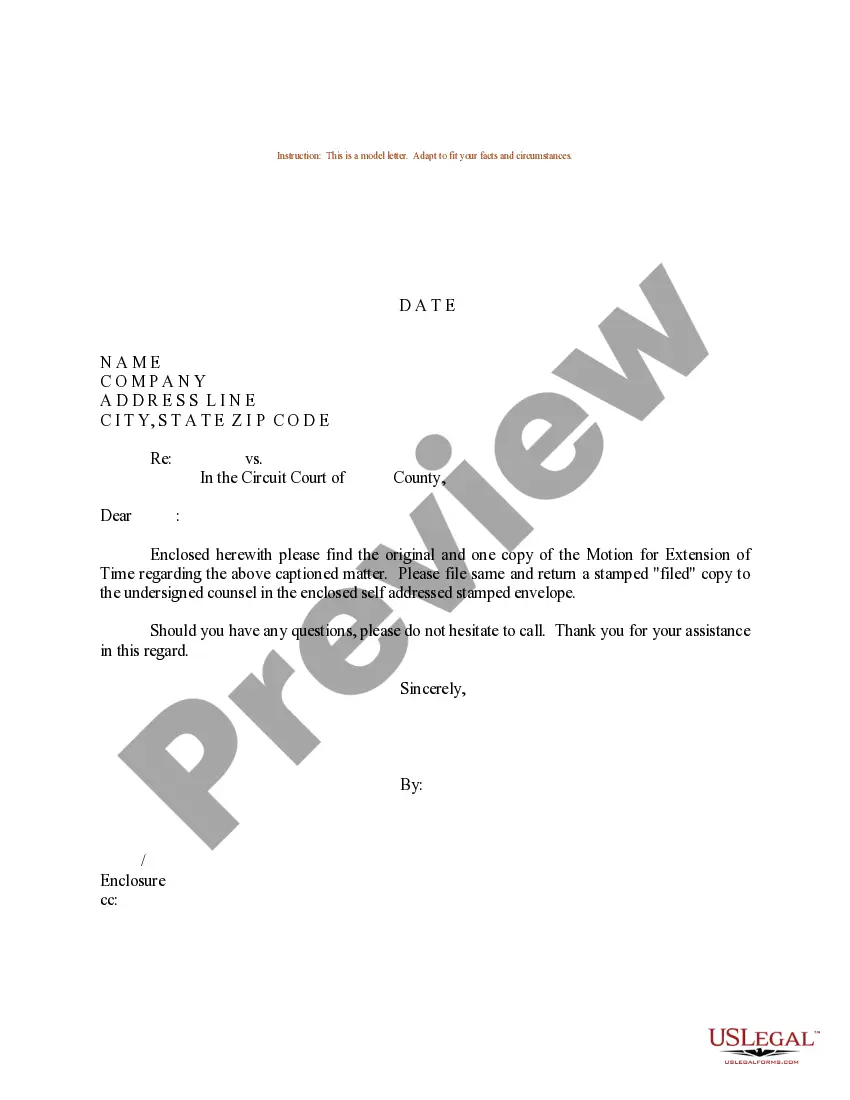
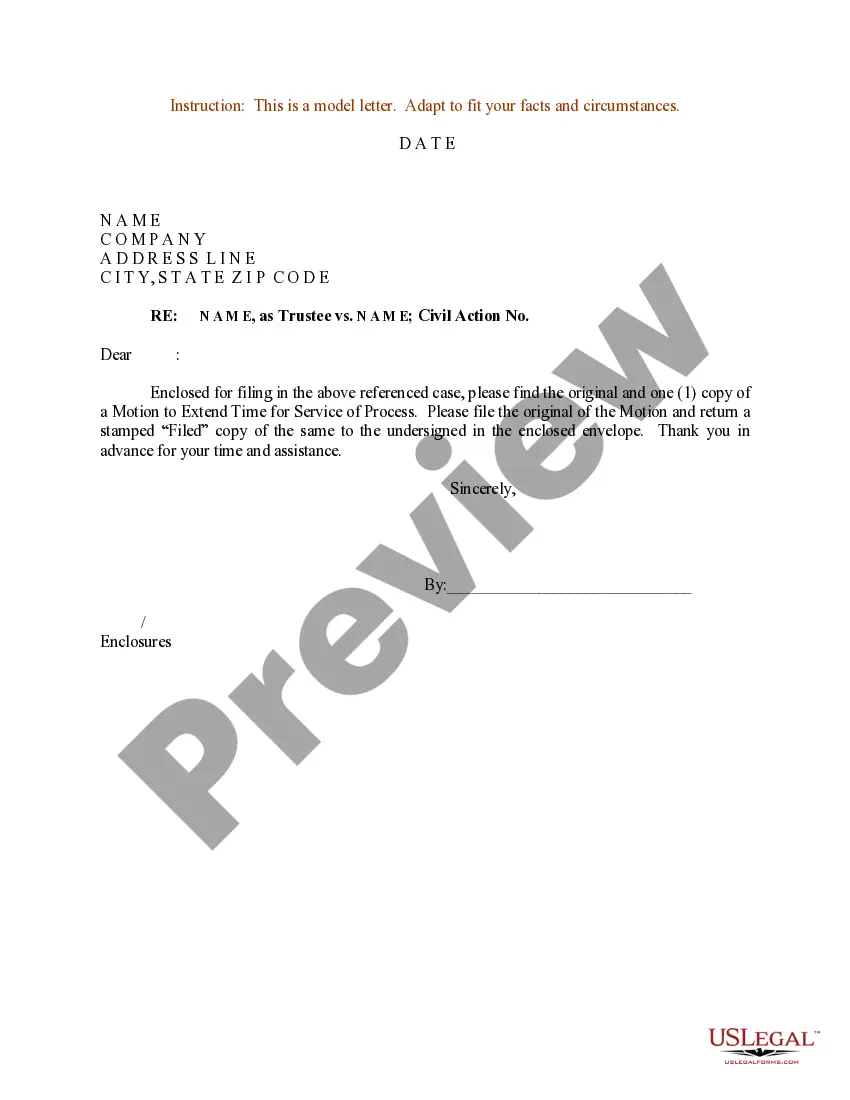
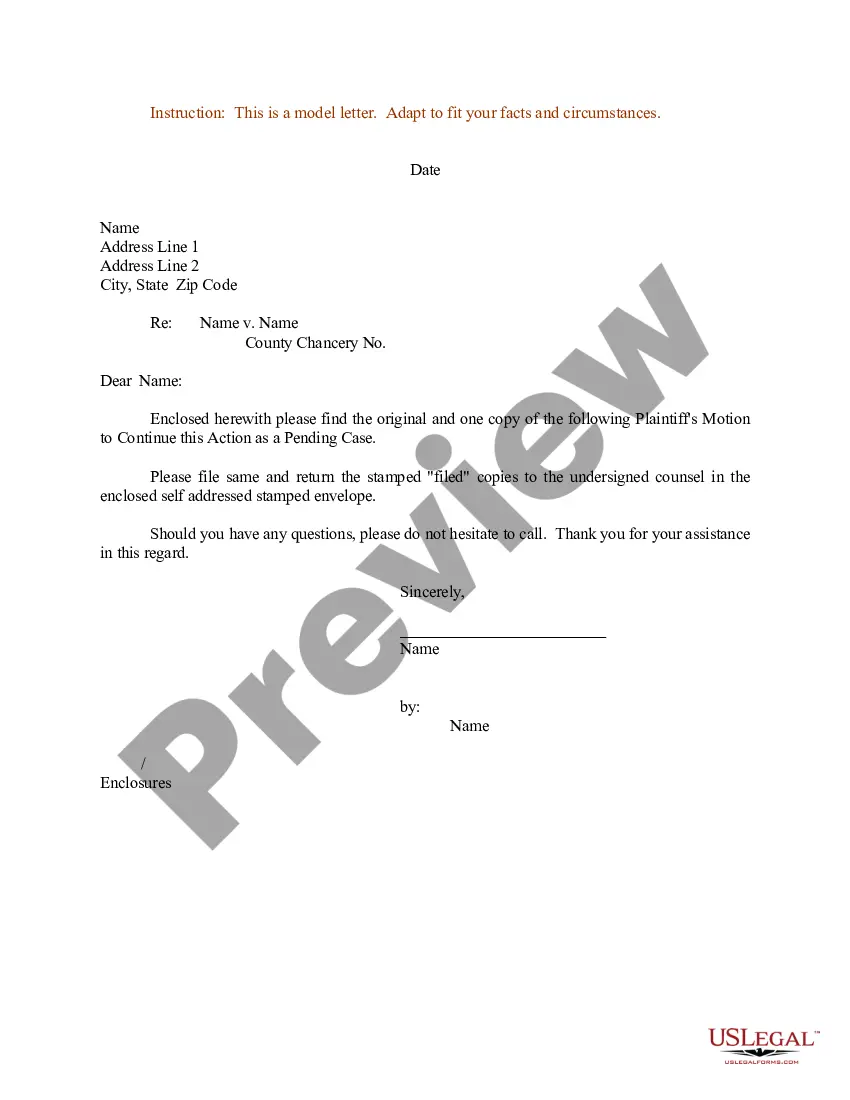
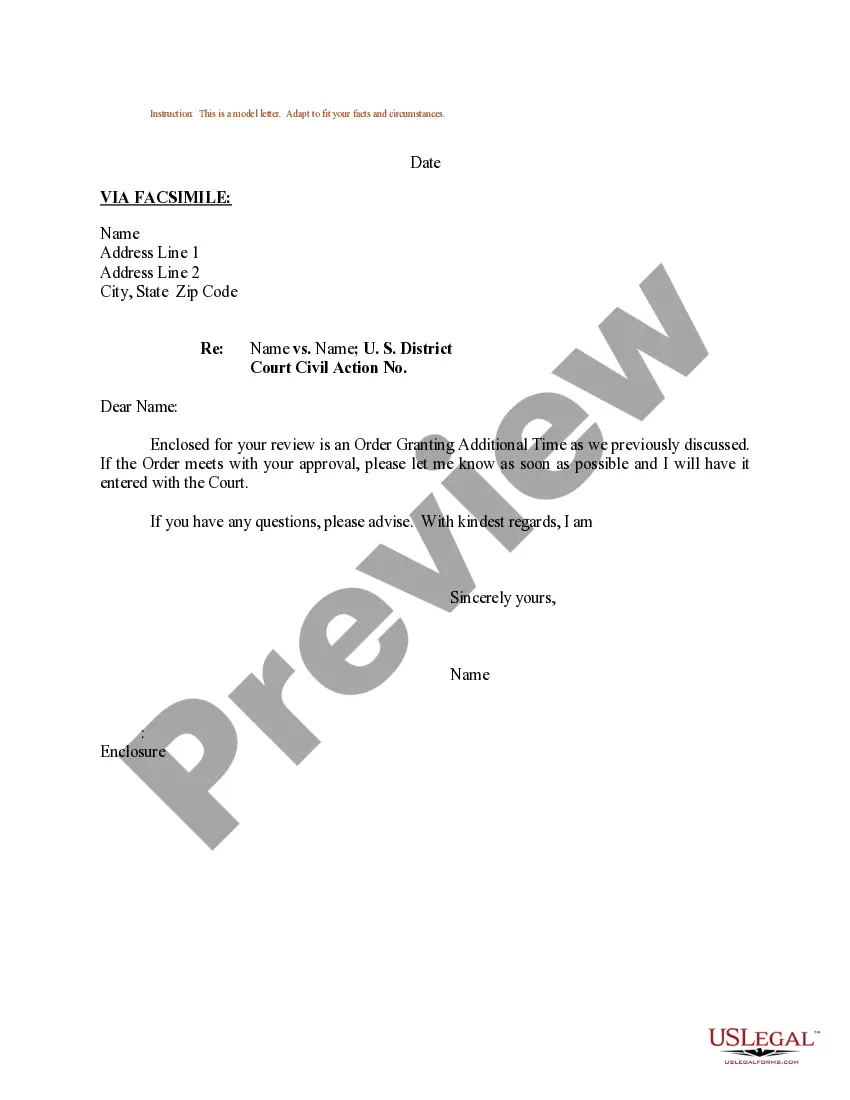
Get your form ready online
Our built-in tools help you complete, sign, share, and store your documents in one place.
Make edits, fill in missing information, and update formatting in US Legal Forms—just like you would in MS Word.
Download a copy, print it, send it by email, or mail it via USPS—whatever works best for your next step.
Sign and collect signatures with our SignNow integration. Send to multiple recipients, set reminders, and more. Go Premium to unlock E-Sign.
If this form requires notarization, complete it online through a secure video call—no need to meet a notary in person or wait for an appointment.
We protect your documents and personal data by following strict security and privacy standards.

Make edits, fill in missing information, and update formatting in US Legal Forms—just like you would in MS Word.

Download a copy, print it, send it by email, or mail it via USPS—whatever works best for your next step.

Sign and collect signatures with our SignNow integration. Send to multiple recipients, set reminders, and more. Go Premium to unlock E-Sign.

If this form requires notarization, complete it online through a secure video call—no need to meet a notary in person or wait for an appointment.

We protect your documents and personal data by following strict security and privacy standards.
Looking for another form?







Form popularity
FAQ
A cover letter should be roughly one side of A4 and broken up into short paragraphs so it's easy to read. Just like your CV, stick to a sensible font type, size, and colour. Ideally, you should submit it as a PDF version with a clear filename, so it always looks the same regardless of the device it's opened on.
How should a school cover letter be structured? Header or subject of the letter. Catchphrase. Motivations for your career plan. Interest in the school you are writing to. Reasons why your profile is relevant. Conclusion, accompanied by the famous greeting.
How to write a cover letter for a placement Step 1: Dear Sir / Madam? The first three words of your cover letter are crucial. Step 2: Swift intro. Next, you need to disclose what placement you're applying for. Step 3: Why are you interested? ... Step 4: What can YOU bring? ... Step 5: Final flourish. Step 6: Farewell.
A cover letter introduces you to an employer and asks them to think about your application. It's a short letter, usually 3 to 5 paragraphs long.
Follow these steps to write an impressive college admission letter: Write your name and street address. Include the date. Address people and institutions by name. Include a salutation. State your purpose for applying to the school. Explain why you want to attend their school. Write a conclusion. Include a sign-off.
Include a thesis statement outlining the reasons why you are applying for this job and what makes you an excellent candidate. Describe your achievements and qualifications. Use this opportunity to paint a picture of yourself in this job. Address requirements and desired skills outlined in the job posting.
I am writing to enquire if you have any vacancies in your company. I enclose my CV for your information. As you can see, I have had extensive vacation work experience in office environments, the retail sector and service industries, giving me varied skills and the ability to work with many different types of people.
Include essential information such as contact details and an introduction to your current situation. Write a strong opening statement. Write in concise and clear language, preferably without personal pronouns such as 'I', 'me', and 'us'. Explain how you can contribute to the company by showcasing your career goals.
Cover letters typically take the following structure: Introduction (1st paragraph) State clearly in your opening sentence the purpose for your letter and a brief professional introduction. Body (2-3 paragraphs) ... Closing (last paragraph)
Key Takeaways Address the cover letter to the hiring manager. If you can't find their name, then address them as “Hiring Manager,” by their title or address the department.

