Accident And Injury Care In Wake
Description

Get your form ready online
Our built-in tools help you complete, sign, share, and store your documents in one place.
Make edits, fill in missing information, and update formatting in US Legal Forms—just like you would in MS Word.
Download a copy, print it, send it by email, or mail it via USPS—whatever works best for your next step.
Sign and collect signatures with our SignNow integration. Send to multiple recipients, set reminders, and more. Go Premium to unlock E-Sign.
If this form requires notarization, complete it online through a secure video call—no need to meet a notary in person or wait for an appointment.
We protect your documents and personal data by following strict security and privacy standards.

Make edits, fill in missing information, and update formatting in US Legal Forms—just like you would in MS Word.

Download a copy, print it, send it by email, or mail it via USPS—whatever works best for your next step.

Sign and collect signatures with our SignNow integration. Send to multiple recipients, set reminders, and more. Go Premium to unlock E-Sign.

If this form requires notarization, complete it online through a secure video call—no need to meet a notary in person or wait for an appointment.

We protect your documents and personal data by following strict security and privacy standards.
Looking for another form?








Form popularity
FAQ
The most common claim in a personal injury case is negligence and the time limit for this is 3 years. This means that court proceedings must be issued within 3 years of you first being aware that you have suffered an injury.
For personal injury cases like car accident lawsuits, you have two years from the date of the accident. If you're dealing with damage to your vehicle but no injuries, you have three years to file. However, if a government agency is involved in the accident, the time limit shrinks dramatically.
There aren't many specific guidelines on what this means, but generally, more severe injuries (broken bones) will qualify, whereas less serious injuries (sprained ankles, whiplash, etc.) will not -- even if they are very painful.
Under the Civil Liabilities and Courts Act 2004, the time limit for claims for compensation is 2 years from the date of the accident. It is very important that you notify the person you hold responsible for your injury (the respondent) within one month of the accident.
If you want to take legal action to claim compensation for a personal injury, you will need to get advice from a solicitor specialising in these types of cases. This must be done as soon as possible as there are strict time limits on taking legal action.
Generally, the standard time limit to file a claim after a car accident is 30 days. However, some insurance companies may have a longer duration of 60 or 90 days. It is important to carefully read and understand the details of your car insurance policy to avoid missing out on the time limit for filing a claim.
Generally, the insurance company has about 30 days to investigate your claim. Pro tip: Your state's statutes of limitations will also determine how much time you have to file and settle a claim. The statute of limitations for insurance claims varies by state, as well as by claim type.
Always File a Claim, Regardless of Who Was At-Fault One of the primary questions we receive from clients who have been in an accident is whether they should report the accident to their own auto insurance carrier, particularly when the accident was not their fault. And the answer to that question is: always.
Five Steps to Take Immediately After an Auto Accident Stay Where You Are. Report the Accident to Law Enforcement (911). Write Down Information for All Relevant Parties. Take Down Contact Information for Any Witnesses. Contact Your Insurance Company. Visit a Doctor immediately if you are injured.
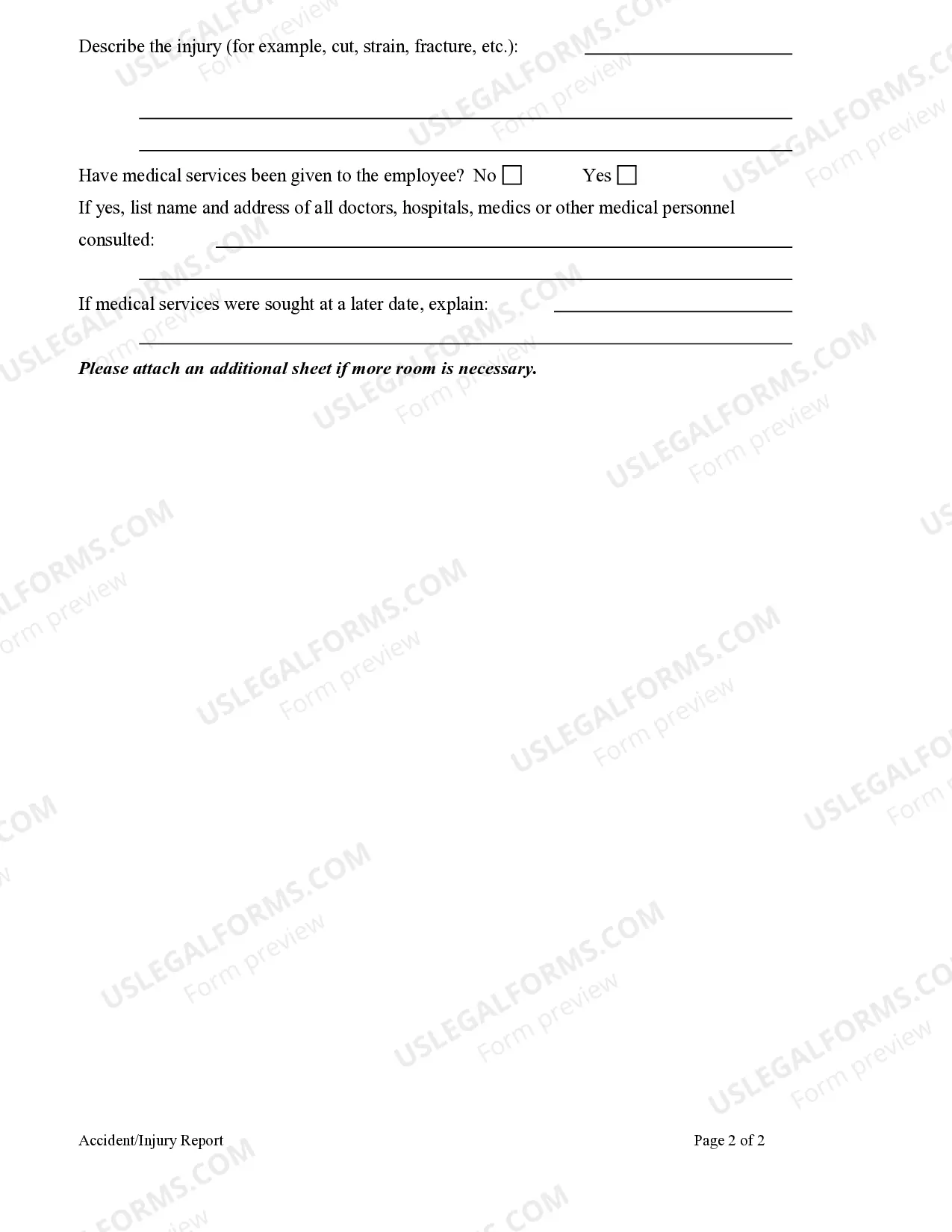
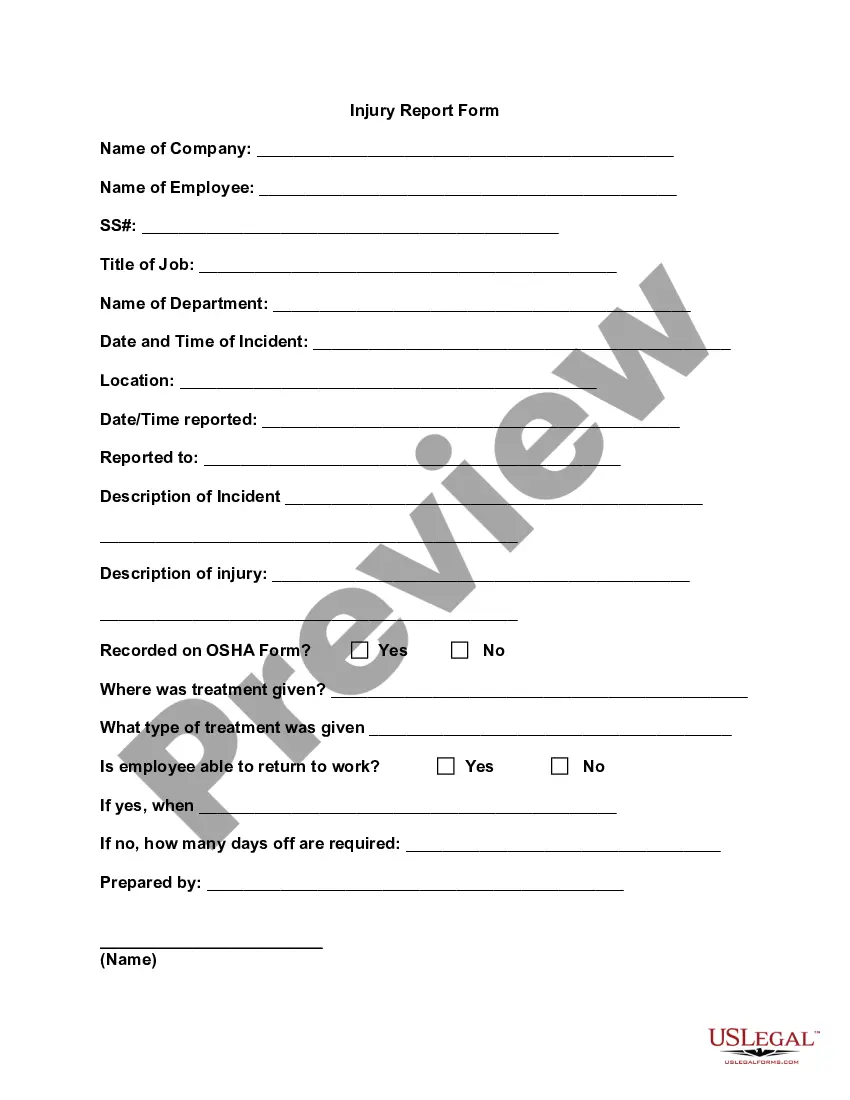
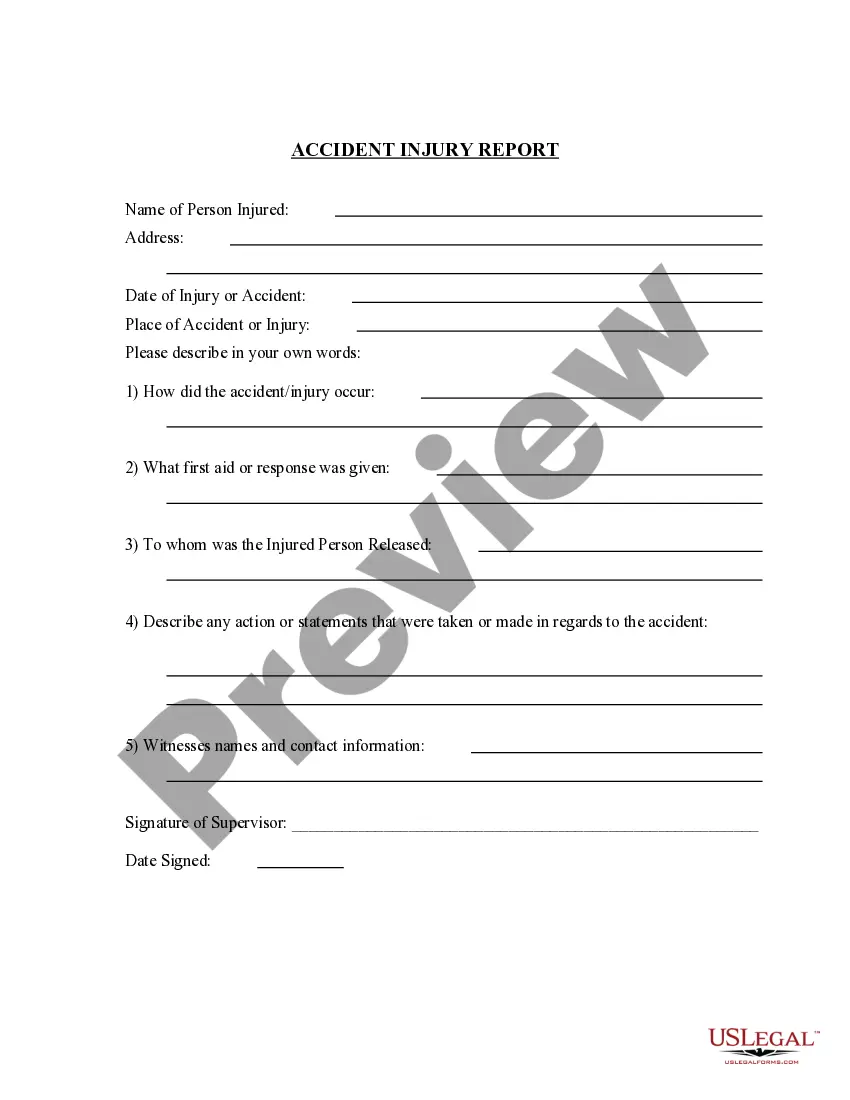
What to include in a work incident report The date and time of the incident. The name of the witness or author of the report. A detailed description of the events. The names of the affected parties. Other witness statements or important information. The result of the incident.
