Employment Letter With Job Description In Wayne
Description
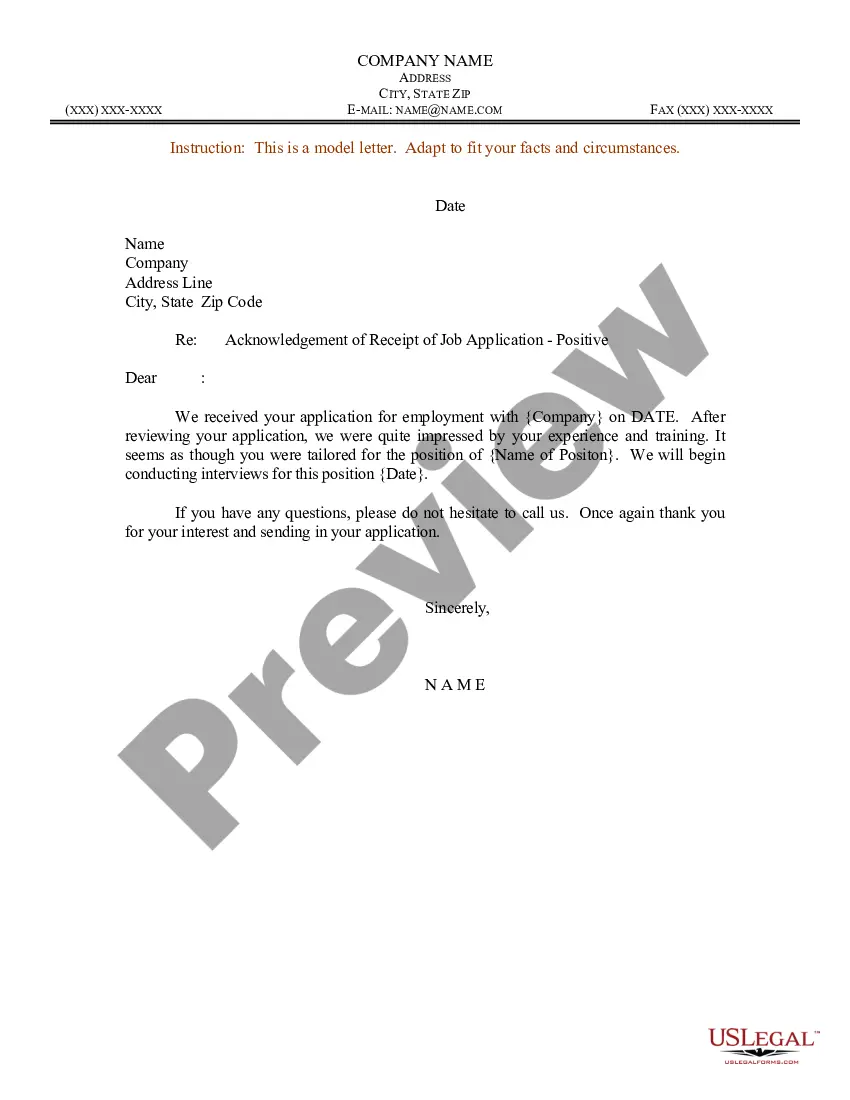


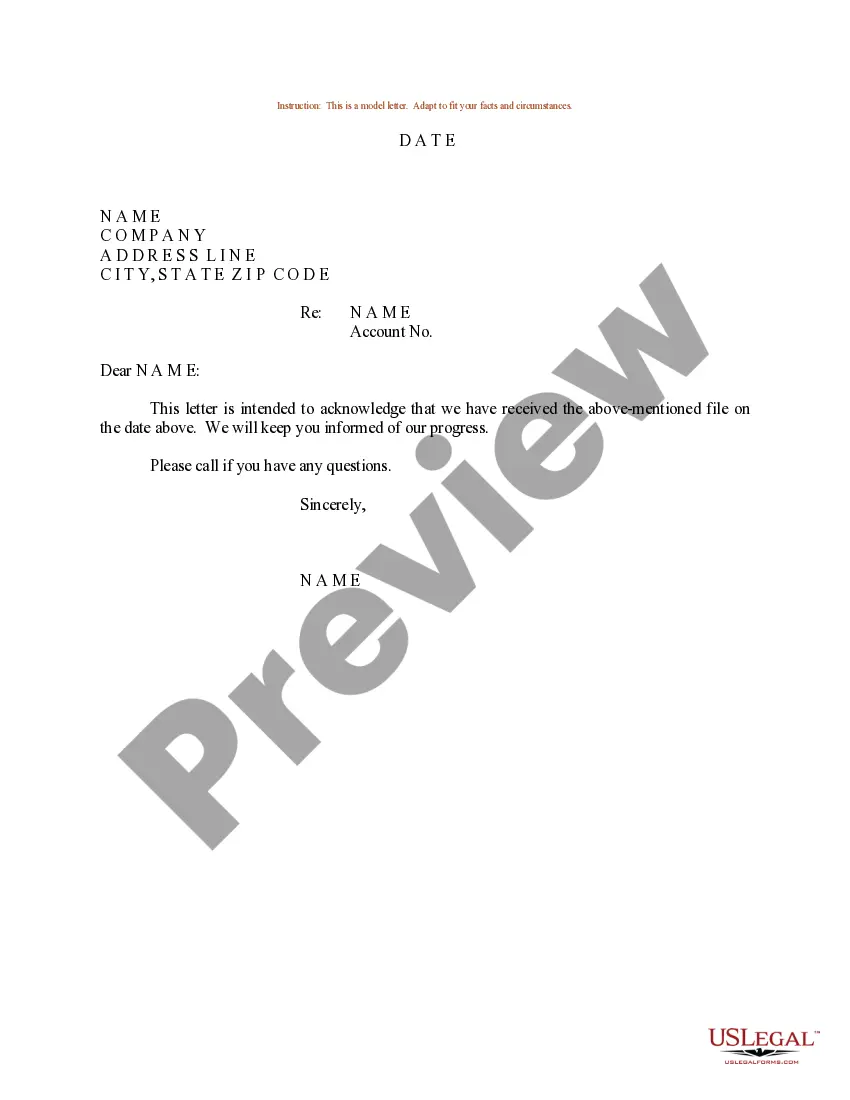
Get your form ready online
Our built-in tools help you complete, sign, share, and store your documents in one place.
Make edits, fill in missing information, and update formatting in US Legal Forms—just like you would in MS Word.
Download a copy, print it, send it by email, or mail it via USPS—whatever works best for your next step.
Sign and collect signatures with our SignNow integration. Send to multiple recipients, set reminders, and more. Go Premium to unlock E-Sign.
If this form requires notarization, complete it online through a secure video call—no need to meet a notary in person or wait for an appointment.
We protect your documents and personal data by following strict security and privacy standards.

Make edits, fill in missing information, and update formatting in US Legal Forms—just like you would in MS Word.

Download a copy, print it, send it by email, or mail it via USPS—whatever works best for your next step.

Sign and collect signatures with our SignNow integration. Send to multiple recipients, set reminders, and more. Go Premium to unlock E-Sign.

If this form requires notarization, complete it online through a secure video call—no need to meet a notary in person or wait for an appointment.

We protect your documents and personal data by following strict security and privacy standards.
Looking for another form?






Form popularity
FAQ
What Should Be Included in an Employment Verification Letter? The employee's full name. Employer name. Employer address. Name and address of the third party requesting the letter. Job title (and description – optional) Employment start date (and end date if applicable) Current or final salary.
It states that you currently work for the company and includes details such as your job title, how long you've worked there, whether you work part- or full-time, your wage or salary, and your employer's contact information. Letters of employment are usually brief as they just need to verify your income and position.
An employment verification letter typically includes the employee's name, job title, dates of employment, and salary information (if requested). It may also state whether the employment status is current or past.
Hereby, confirms that Mr./Mrs. /Miss (APPLICANT'S COMPLETE NAME), with passport number (APPLICANT'S PASSPORT NUMBER), is a full-time employee of our company, (NAME OF THE COMPANY). He/She has been working as (APPLICANT'S POSITION IN THE COMPANY) since (APPLICANT'S STARTING DATE OF WORKING IN THE COMPANY) until present.
How to write a letter of employment: Include employer and requesting organisation details. Provide employee information (name, job title, employment dates). Follow a formal business letter format. Clearly state the letter's purpose. Include any additional requested details. Provide contact information and sign off.
There are different ways to request an employment verification letter from a current or former employer: Ask your supervisor or manager. Contact Human Resources. Get a template from the company or organization requesting the letter. Use an employment verification service.
While an offer letter is a formal job offer, it is usually considered as an invitation to enter into a contract rather than a binding agreement. On the other hand, employment contracts are legally binding documents that establish the rights and obligations of both parties and are enforceable by law.
How to write a letter of employment: Include employer and requesting organisation details. Provide employee information (name, job title, employment dates). Follow a formal business letter format. Clearly state the letter's purpose. Include any additional requested details. Provide contact information and sign off.
What should be included in employment verification letters? Employer address. Name and address of the company requesting verification. Employee name. Employment dates. Employee job title. Employee job description. Employee current salary. Reason for termination (If applicable)
How to write a letter of employment: Include employer and requesting organisation details. Provide employee information (name, job title, employment dates). Follow a formal business letter format. Clearly state the letter's purpose. Include any additional requested details. Provide contact information and sign off.

