Sample Letter Acknowledgment Of Complaint In Santa Clara
Description
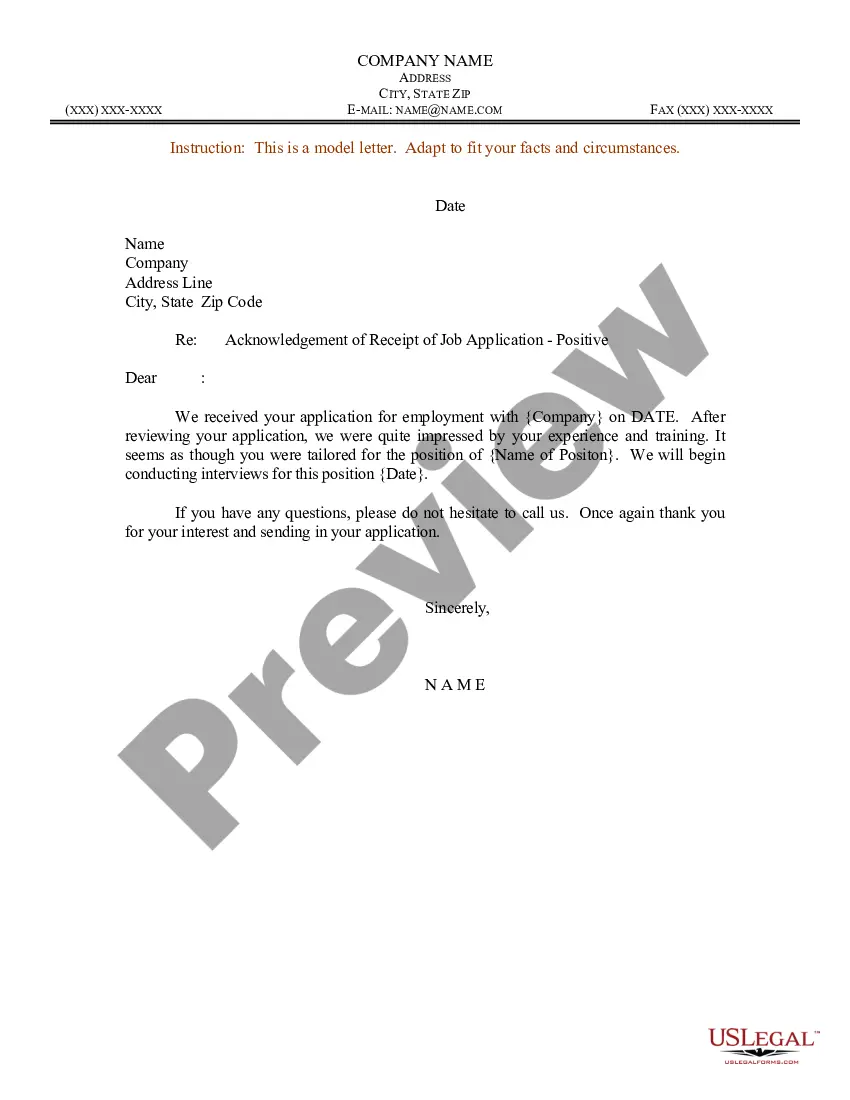



Get your form ready online
Our built-in tools help you complete, sign, share, and store your documents in one place.
Make edits, fill in missing information, and update formatting in US Legal Forms—just like you would in MS Word.
Download a copy, print it, send it by email, or mail it via USPS—whatever works best for your next step.
Sign and collect signatures with our SignNow integration. Send to multiple recipients, set reminders, and more. Go Premium to unlock E-Sign.
If this form requires notarization, complete it online through a secure video call—no need to meet a notary in person or wait for an appointment.
We protect your documents and personal data by following strict security and privacy standards.

Make edits, fill in missing information, and update formatting in US Legal Forms—just like you would in MS Word.

Download a copy, print it, send it by email, or mail it via USPS—whatever works best for your next step.

Sign and collect signatures with our SignNow integration. Send to multiple recipients, set reminders, and more. Go Premium to unlock E-Sign.

If this form requires notarization, complete it online through a secure video call—no need to meet a notary in person or wait for an appointment.

We protect your documents and personal data by following strict security and privacy standards.
Looking for another form?






Form popularity
FAQ
Yourself it is important to always have an updated. Address on hand with the court. The court willMoreYourself it is important to always have an updated. Address on hand with the court. The court will sometimes send out notices on their own volition. And it's important that you receive those notices.
Letters Testamentary, or the letter of administration form, also known as Judicial Council of California Form DE-150, is what the Santa Clara County Probate Court issues at the time of, or after the hearing petitioning the court for an order for probate.
Mailing a copy of the summons and complaint, two copies of a notice and acknowledgement of receipt, and a self-addressed, stamped envelope to the person to be served; and. Having the person to be served complete, sign, and return one of the notice and acknowledgements of receipt.
Do letters of testamentary expire? One question we get is “do the letters of testamentary expire?” Technically, no, they don't expire. It's not as if your executorship has ended and you need to renew it. Rather, letters are a certificate proving you are still the executor.
A parent's testamentary trust can be established with instructions that the funds would only be distributed to the beneficiaries following a specific milestone. For example, funds from the trust would not be distributed to a decedent's children until they turn 18 years of age.
Tell the court that the other party received a summons or other legal papers in a civil case that were delivered to (served on) that party. Get form POS-015. Effective: January 1, 2005. View POS-015 Notice and Acknowledgment of Receipt—Civil form.
The parties may stipulate without leave of court to one 15-day extension beyond the 30-day time period prescribed for the response after service of the initial complaint.
Tells the court that you had legal papers in a civil case - other than a summons - delivered to (served on) the other party. Lists the papers that were served and tells who they were served on, where, when, and how they were served, and who served them.
Under federal rules, defendants generally have 21 days to file an answer after they are served with a complaint; the U.S. government has 60 or 90 days, depending on whether it has waived service.
