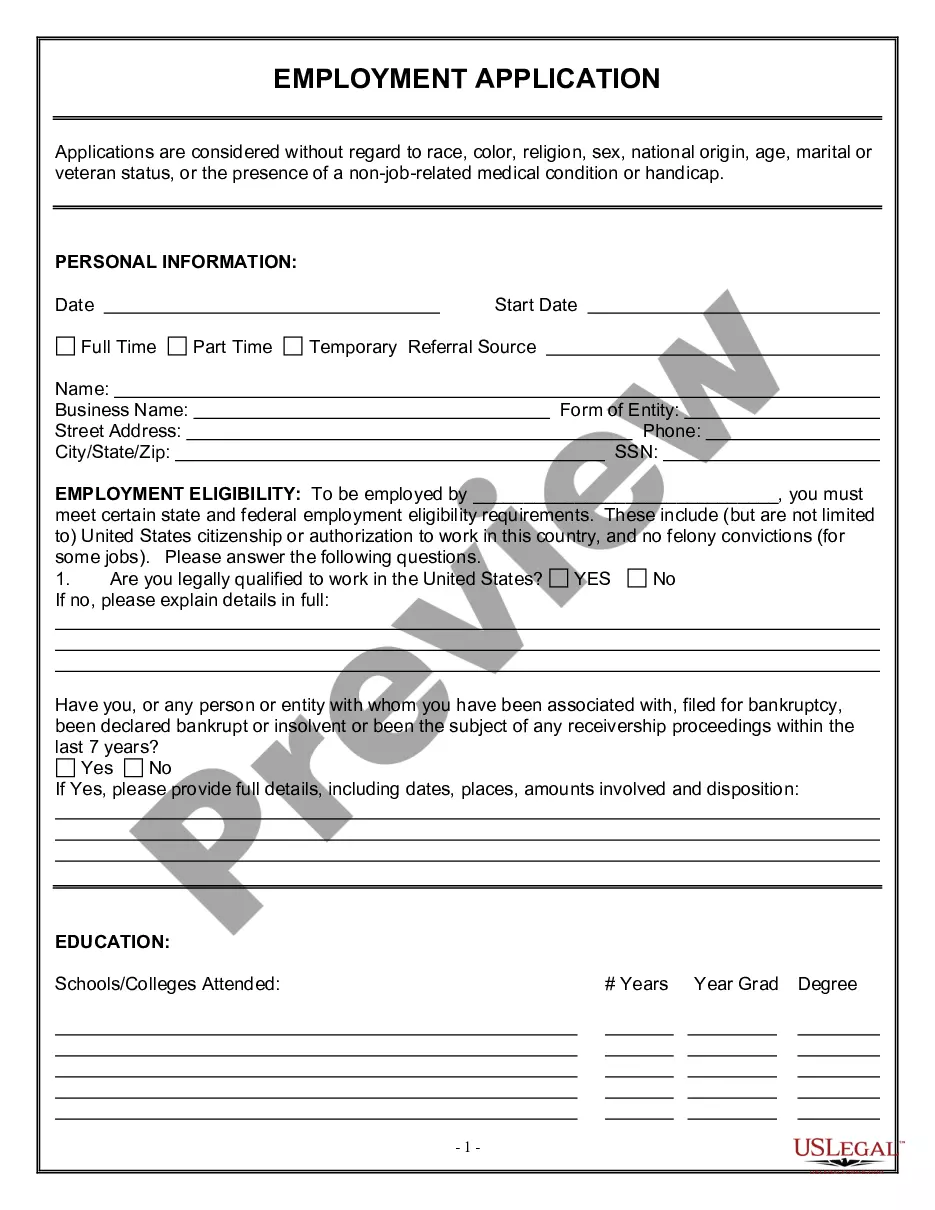
Job Application For Employment In Ohio
Description
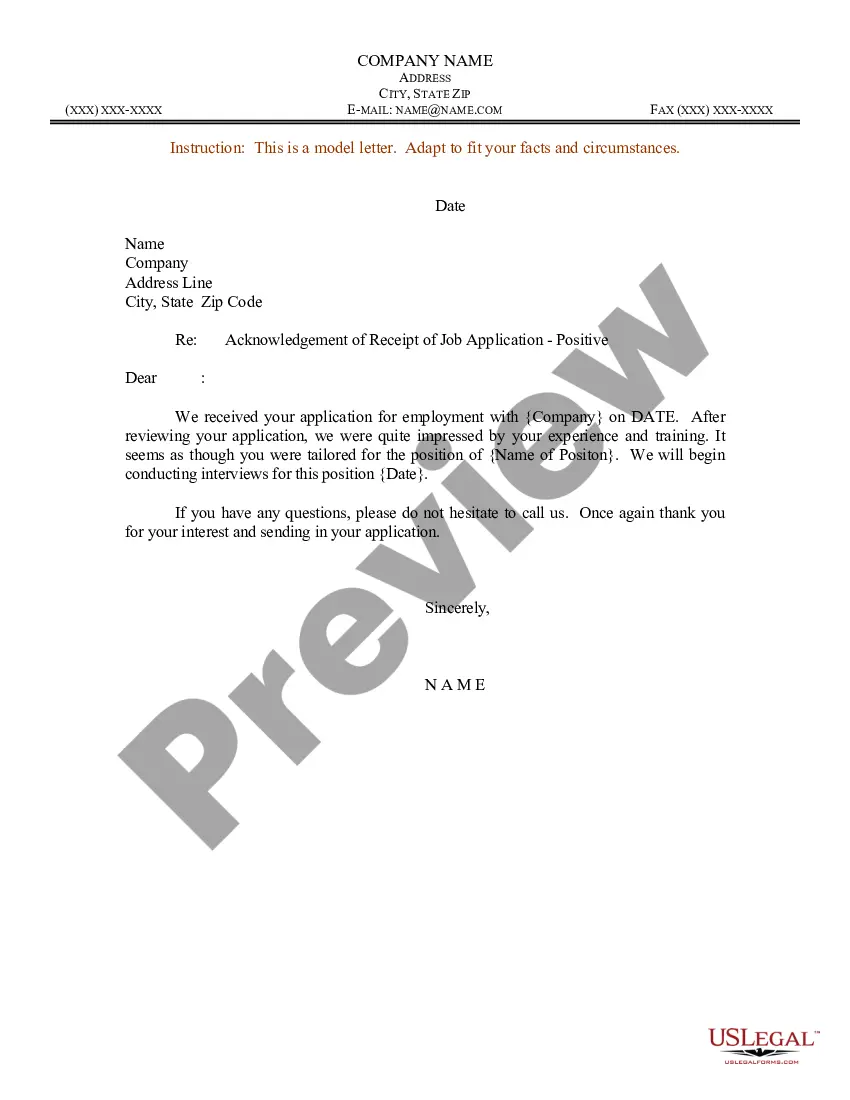


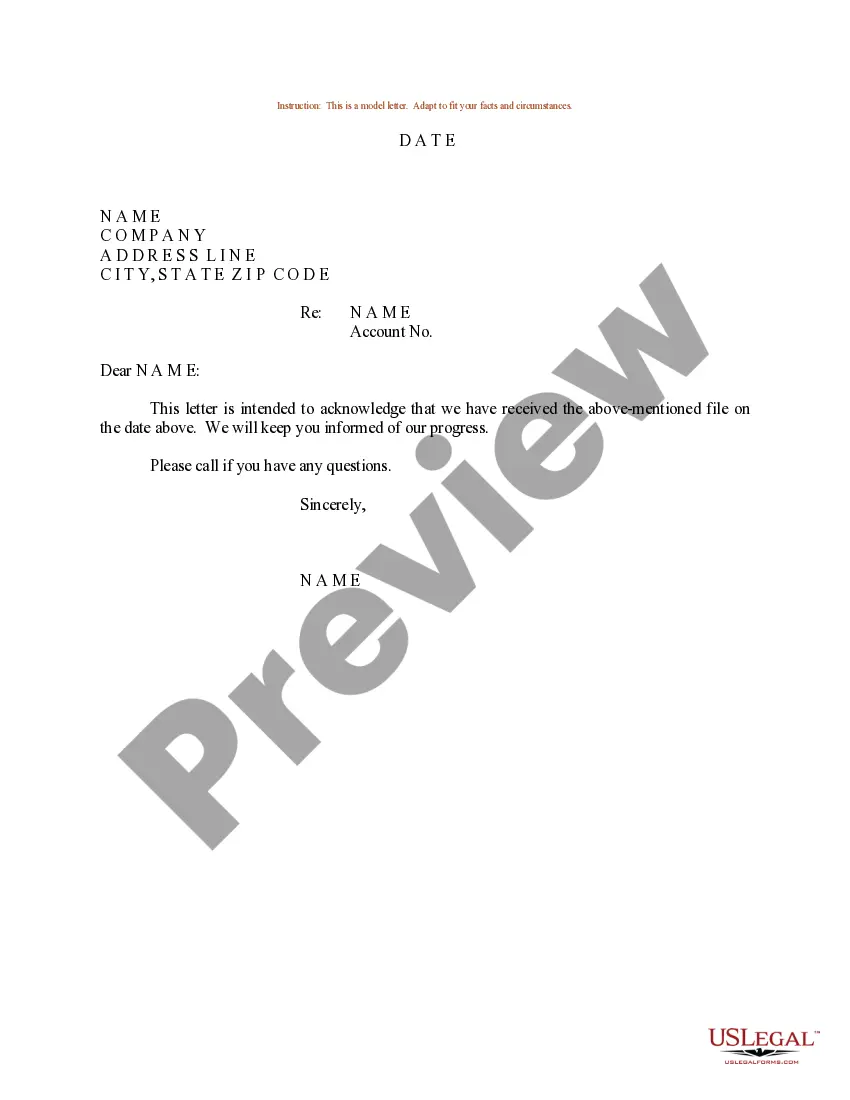
Get your form ready online
Our built-in tools help you complete, sign, share, and store your documents in one place.
Make edits, fill in missing information, and update formatting in US Legal Forms—just like you would in MS Word.
Download a copy, print it, send it by email, or mail it via USPS—whatever works best for your next step.
Sign and collect signatures with our SignNow integration. Send to multiple recipients, set reminders, and more. Go Premium to unlock E-Sign.
If this form requires notarization, complete it online through a secure video call—no need to meet a notary in person or wait for an appointment.
We protect your documents and personal data by following strict security and privacy standards.

Make edits, fill in missing information, and update formatting in US Legal Forms—just like you would in MS Word.

Download a copy, print it, send it by email, or mail it via USPS—whatever works best for your next step.

Sign and collect signatures with our SignNow integration. Send to multiple recipients, set reminders, and more. Go Premium to unlock E-Sign.

If this form requires notarization, complete it online through a secure video call—no need to meet a notary in person or wait for an appointment.

We protect your documents and personal data by following strict security and privacy standards.
Looking for another form?
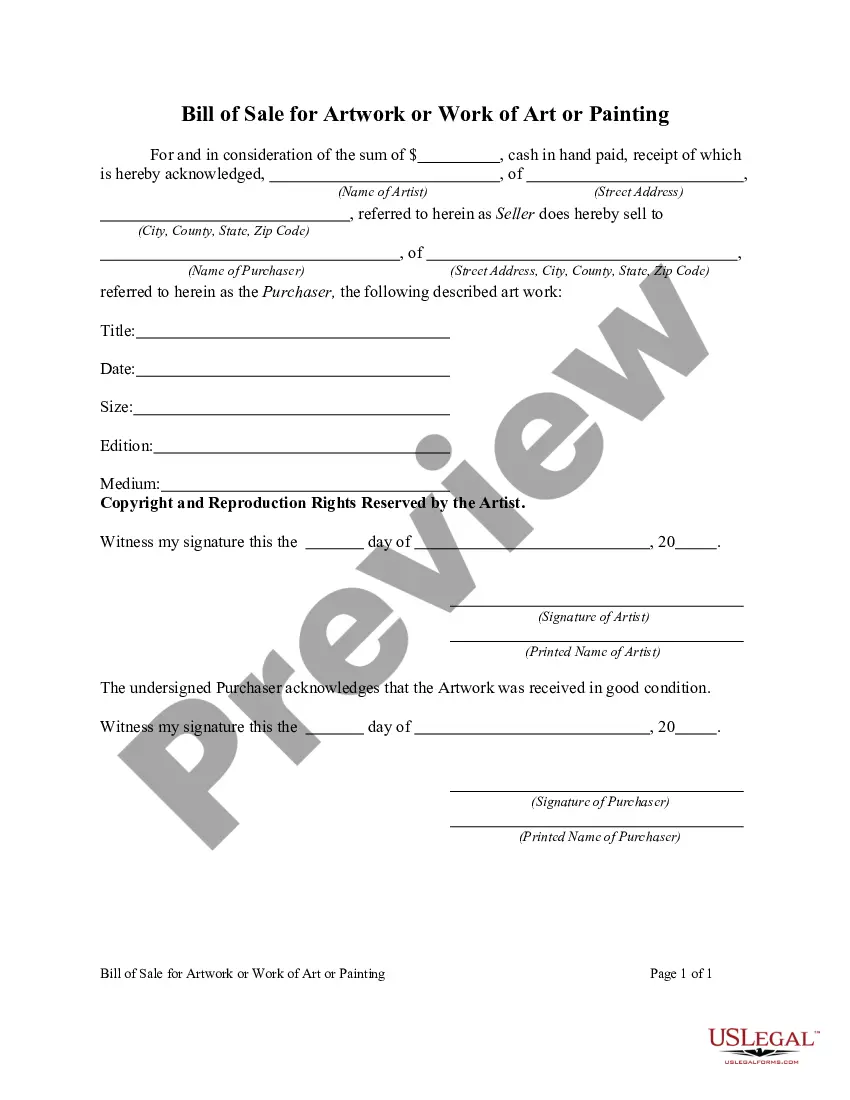






Form popularity
FAQ
The most common stages include submitting a resume and cover letter, completing an application form, attending interviews (which may be multiple rounds), performing job-specific assessments or tests, and finally, receiving a job offer followed by negotiation and acceptance.
Paper: Applicants either receive paper job applications from an employer or print them out from an online source to mail to an employer once completed. Online: An online job application is typically filled out through the company's website or link in the job posting.
As a job seeker, you can get help finding a job. You also can get access to the internet, computers, printers, technology training, and more. As an employer, you can get help recruiting employees and providing job training. Services and availability vary by location.
The Ohio Department of Job and Family Services administers Ohio's WIOA funding, most of which is allocated to the OhioMeansJobs centers, which the agency supervises. Locally, OhioMeansJobs centers are managed by 20 regional workforce development boards, which are business-led and establish local policies.
Job seekers must complete two work-search activities each week you request unemployment benefits. This form can help you keep track of your work-search activities.
How to complete a job application Read over the job application. Use a professional name and email address. Follow the instructions. Tailor your cover letter to the job. Include keywords in your resume. Check your responses for errors. Track your applications when applying for multiple jobs. Tidy your social media profiles.
The general and operations managers classification, which is the most common job in Ohio, had a median hourly wage of $45.14.
New Hire Paperwork and Compliance Guide for Ohio I-9 Form. W-4 Form. W-9 Form. New Hire Reporting. Ohio State Income Tax. Unemployment Insurance. Workers' Compensation. Final Thoughts.

