Sample Management Contract With Witness Signature In Washington
Description

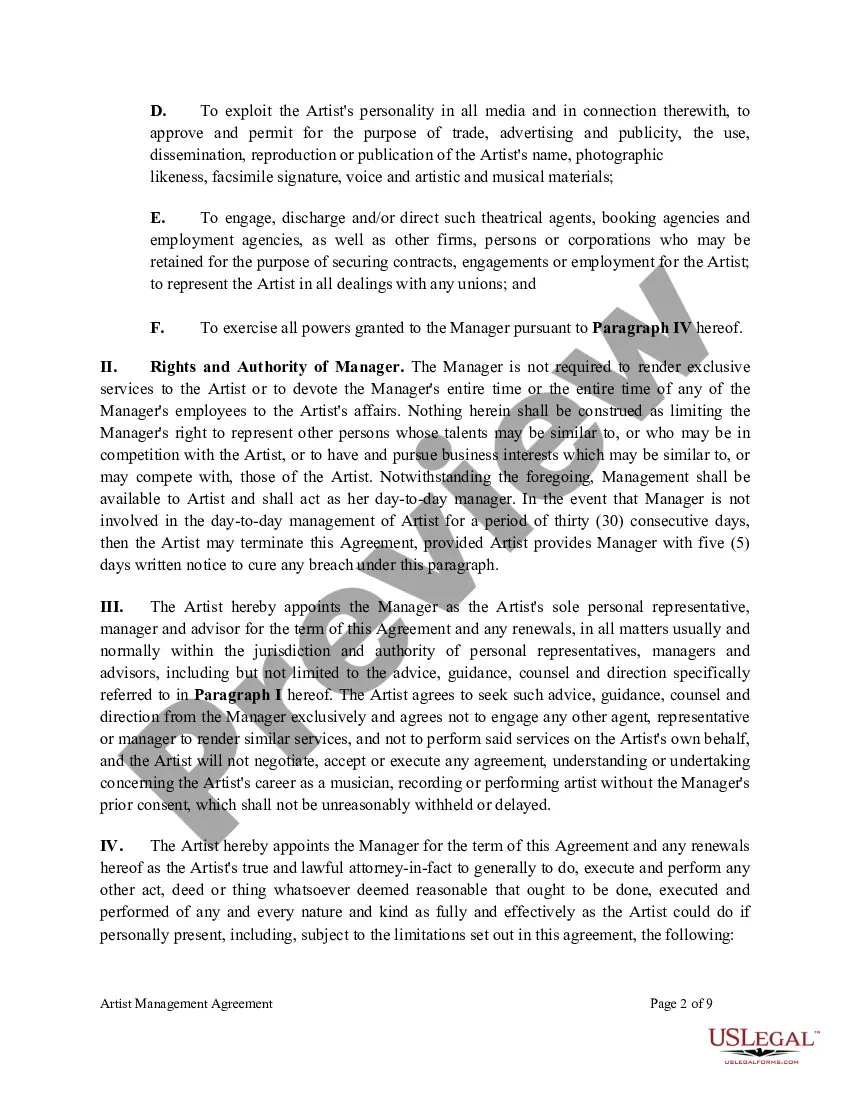
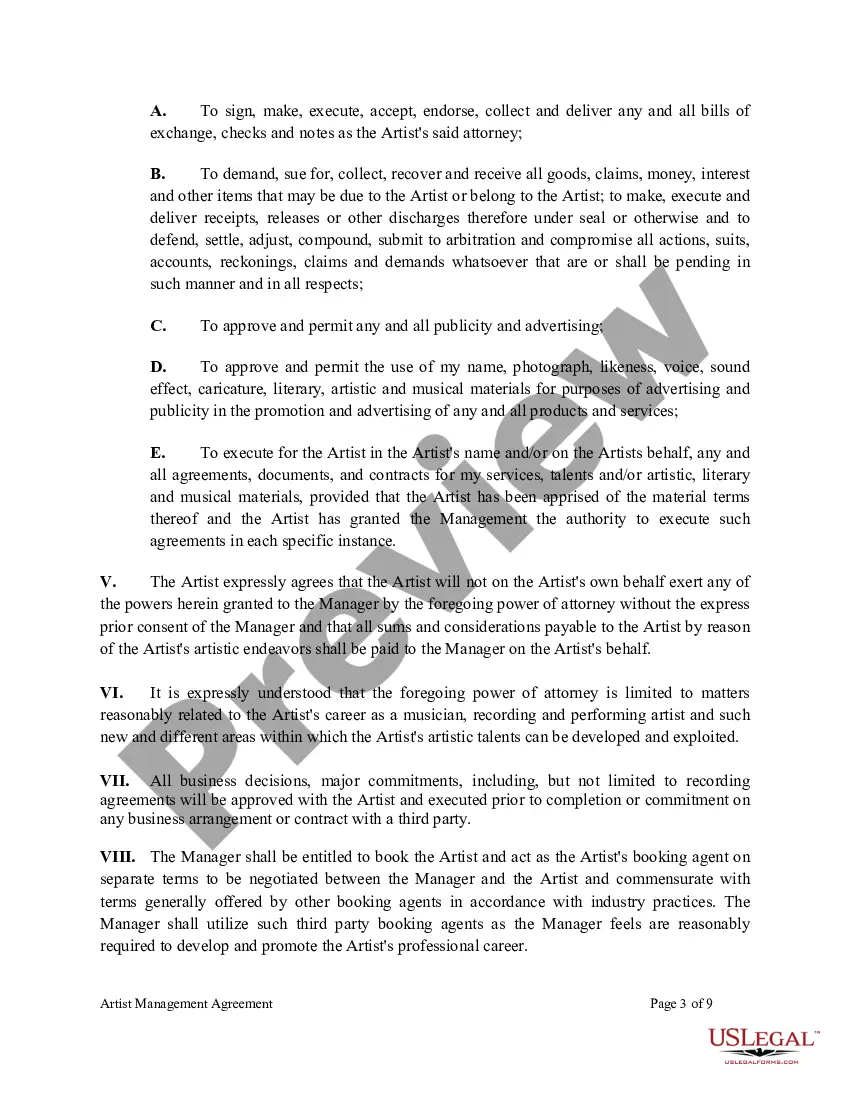
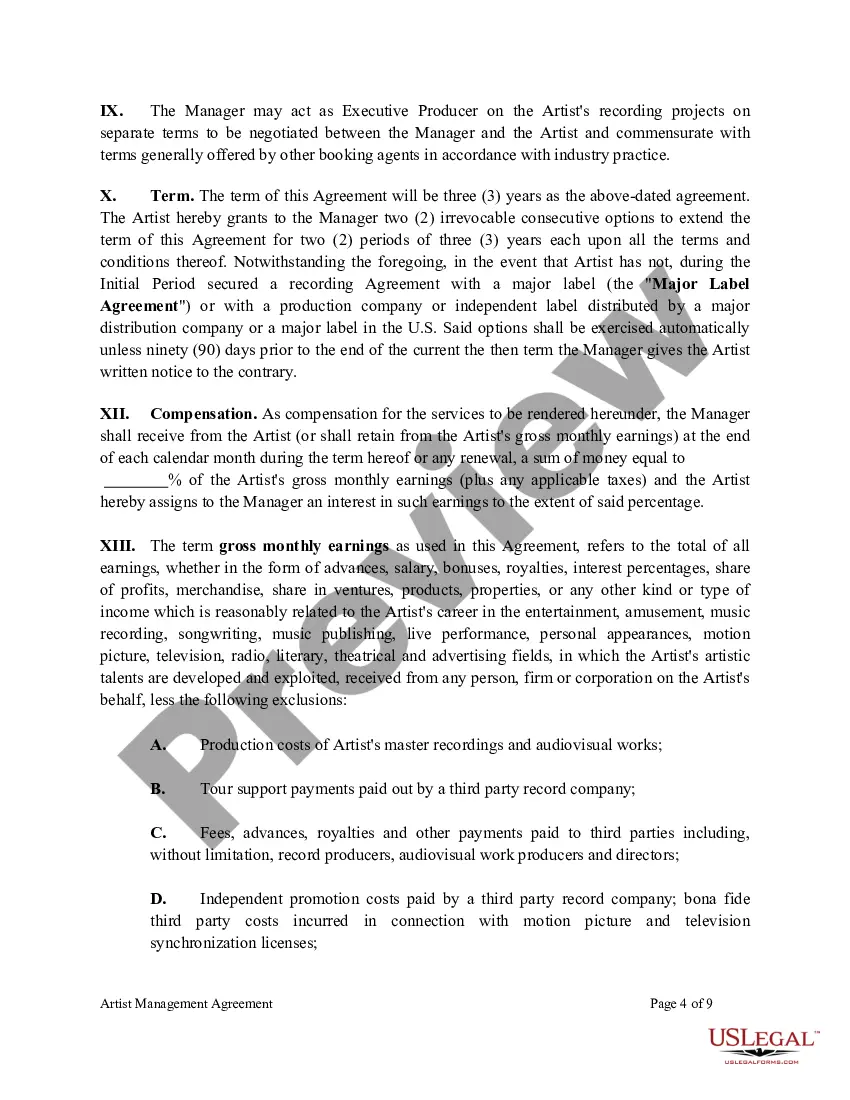
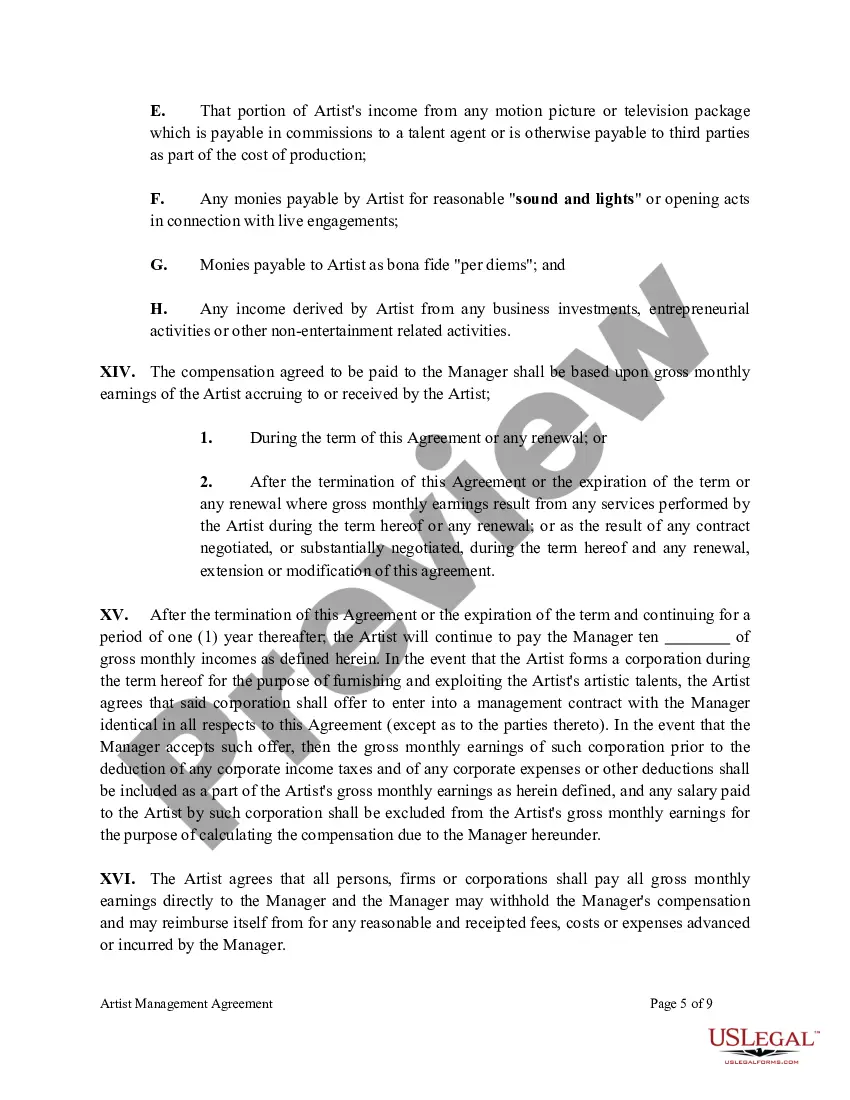
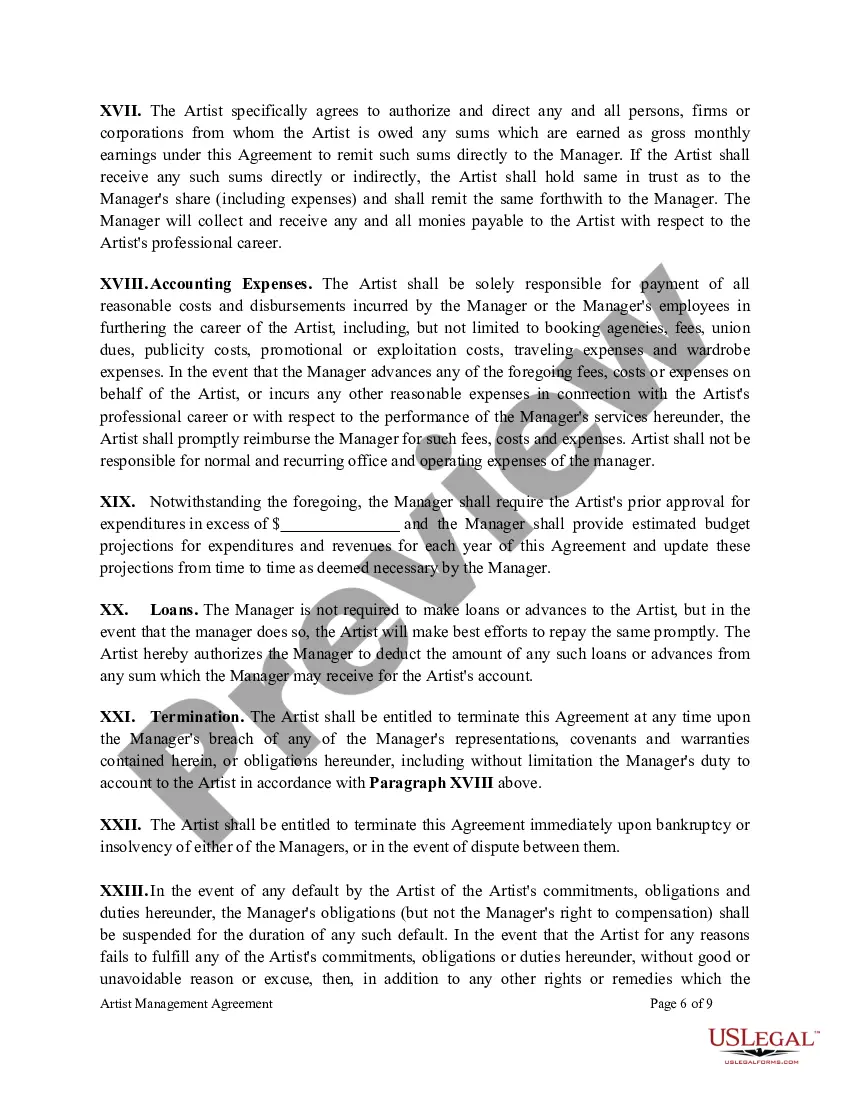
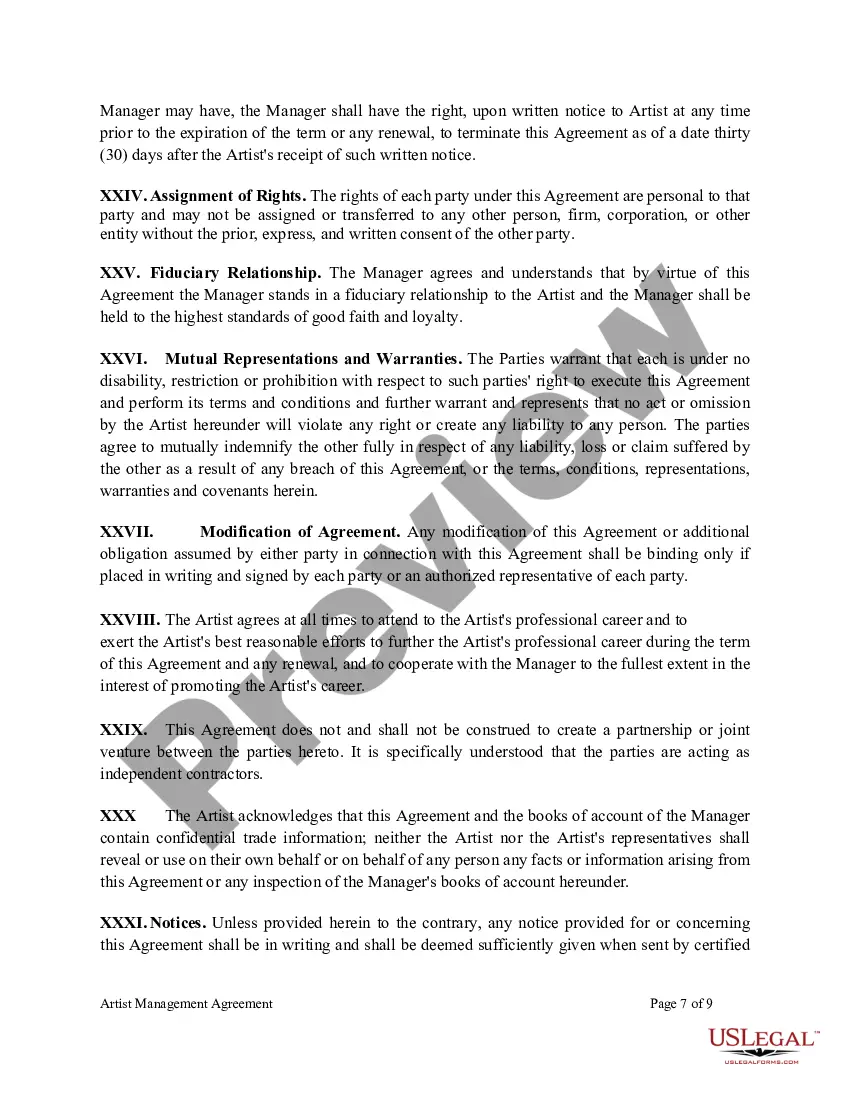
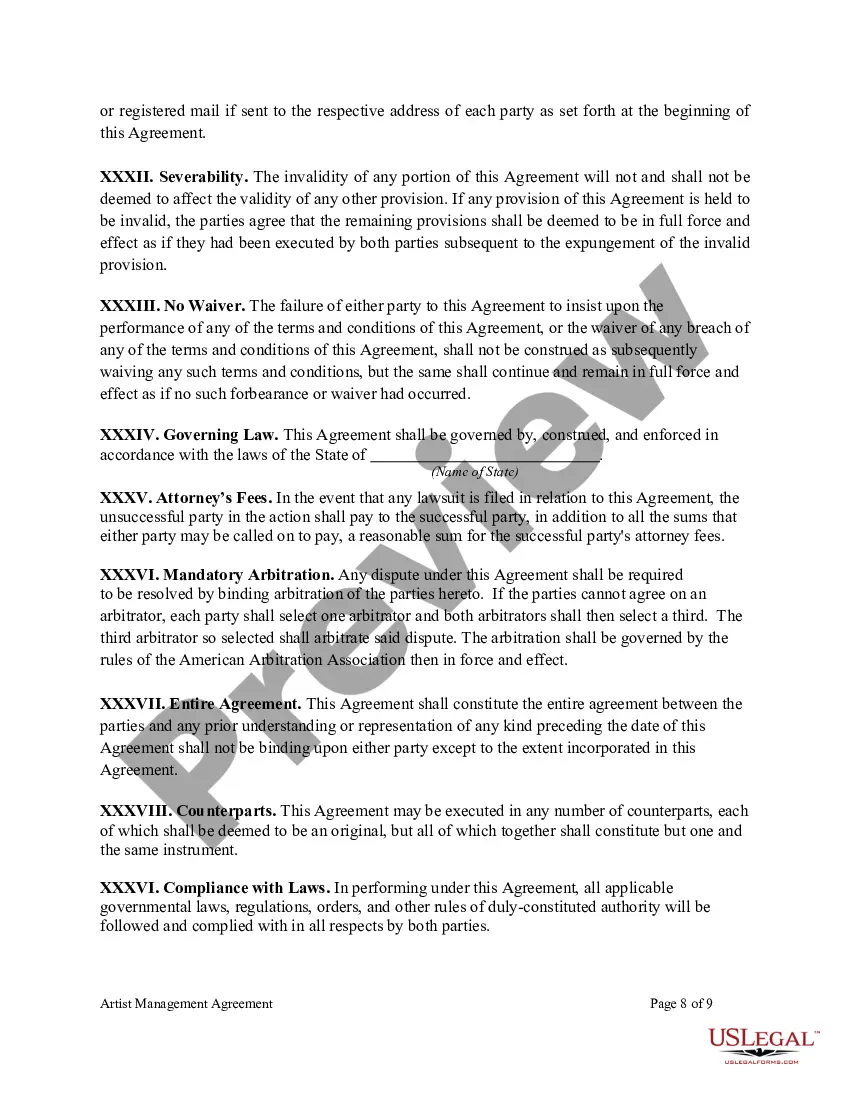
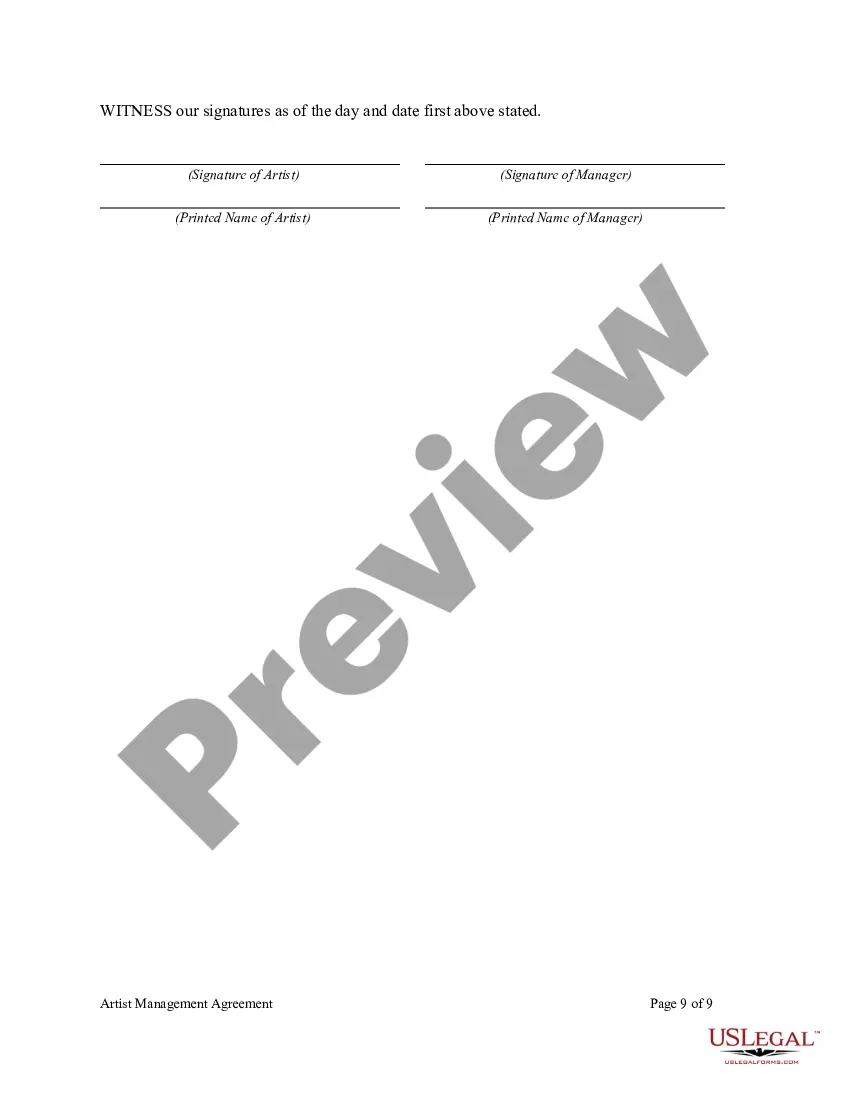
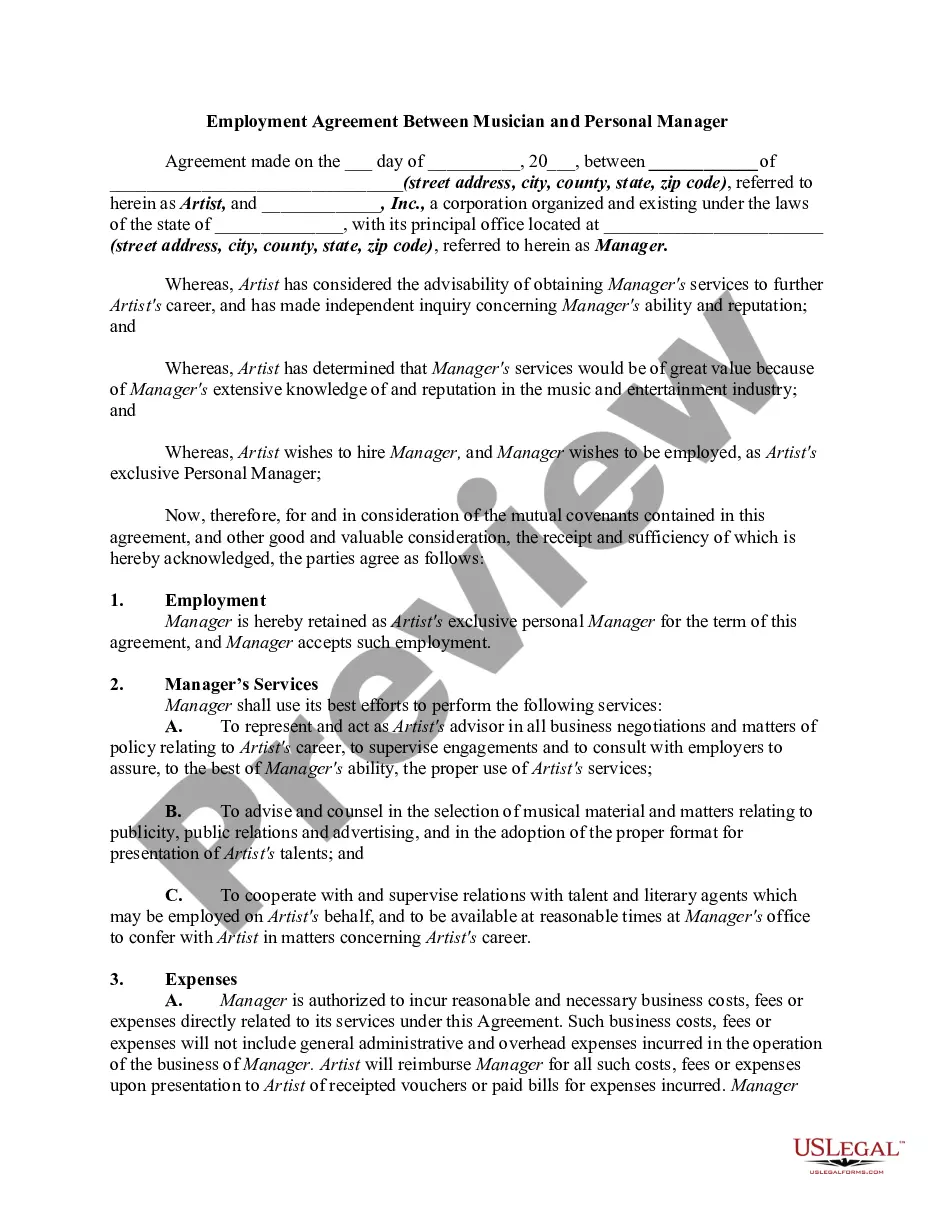
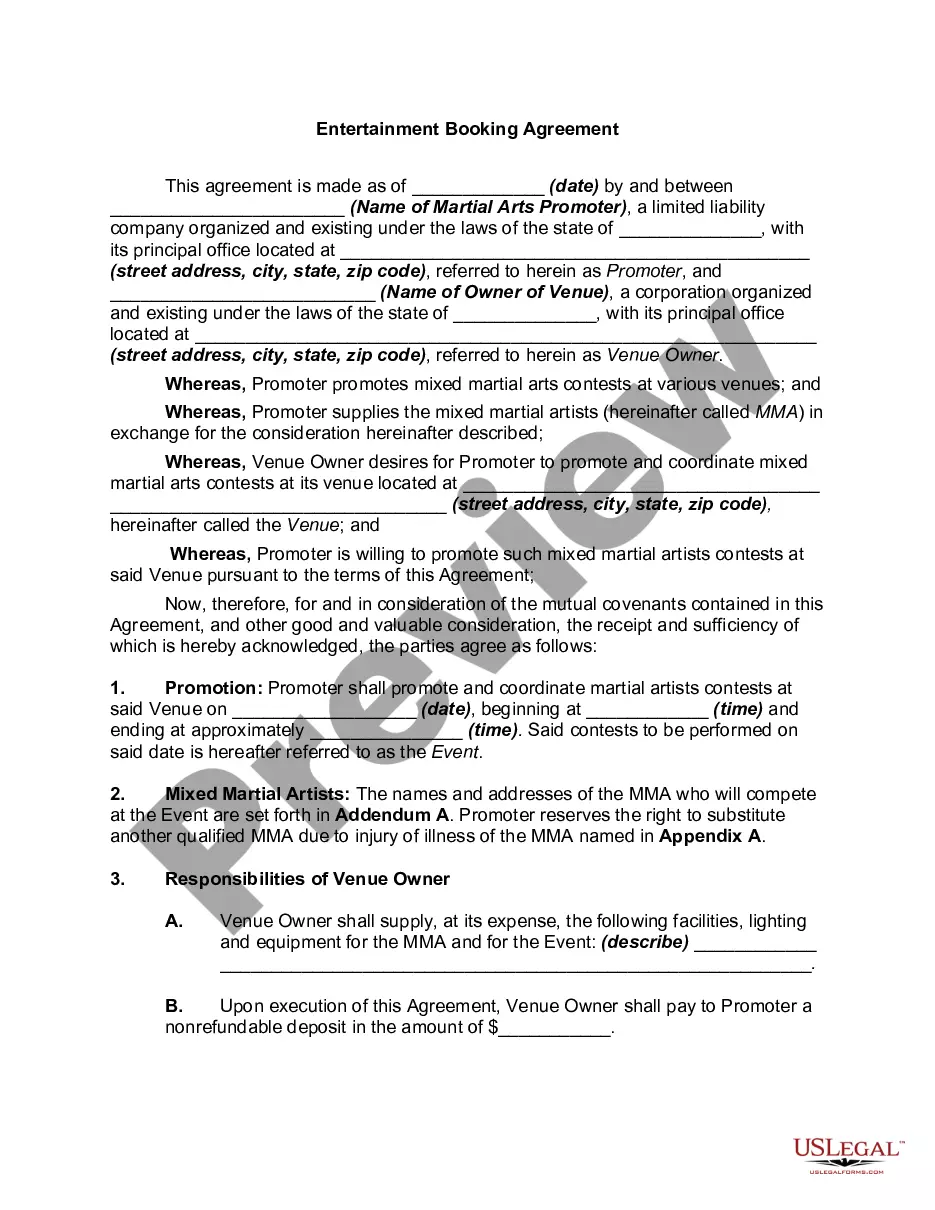
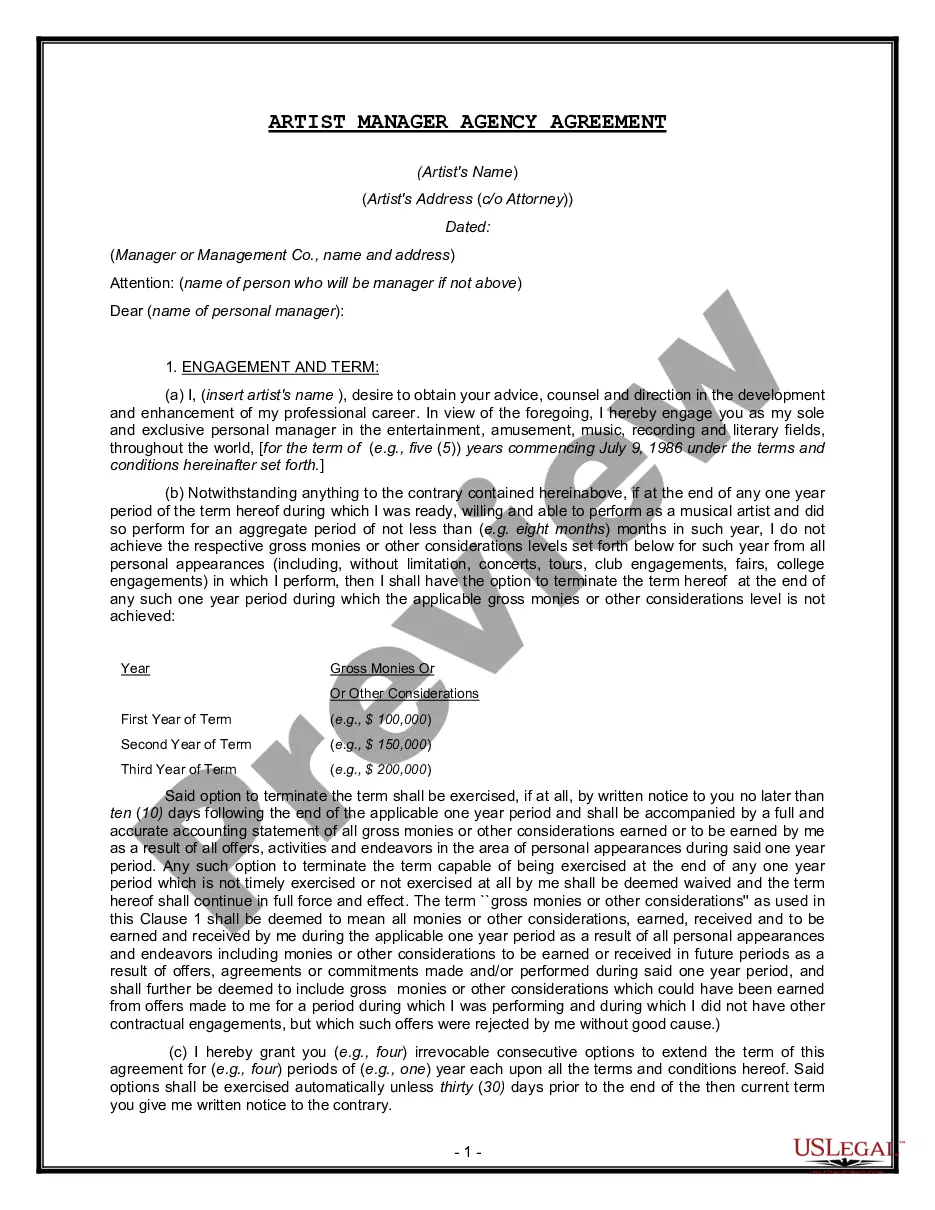
Get your form ready online
Our built-in tools help you complete, sign, share, and store your documents in one place.
Make edits, fill in missing information, and update formatting in US Legal Forms—just like you would in MS Word.
Download a copy, print it, send it by email, or mail it via USPS—whatever works best for your next step.
Sign and collect signatures with our SignNow integration. Send to multiple recipients, set reminders, and more. Go Premium to unlock E-Sign.
If this form requires notarization, complete it online through a secure video call—no need to meet a notary in person or wait for an appointment.
We protect your documents and personal data by following strict security and privacy standards.

Make edits, fill in missing information, and update formatting in US Legal Forms—just like you would in MS Word.

Download a copy, print it, send it by email, or mail it via USPS—whatever works best for your next step.

Sign and collect signatures with our SignNow integration. Send to multiple recipients, set reminders, and more. Go Premium to unlock E-Sign.

If this form requires notarization, complete it online through a secure video call—no need to meet a notary in person or wait for an appointment.

We protect your documents and personal data by following strict security and privacy standards.
Looking for another form?

Form popularity
FAQ
WPI 301.01 (7th ed.) A contract is a legally enforceable promise or set of promises. In order for a promise or set of promises to be legally enforceable, there must be mutual assent and consideration. Use this instruction when the existence of a contract or its terms is at issue.
For a contract to be valid and recognized by the common law, it must include certain elements-- offer, acceptance, consideration, intention to create legal relations, authority and capacity, and certainty. Without these elements, a contract is not legally binding and may not be enforced by the courts.
In contract law, “A promise is an expression that justifies the person to whom it is made in reasonably believing that a commitment has been made that something specific will happen or not happen in the future.” Washington law recognizes that, “A promise may be expressed orally, in writing, or by conduct.”
There are four essential elements of forming a contract: offer, acceptance, consideration, and intention to create legal relations. Beyond this, the terms of the contract must also be unambiguous, and the parties must have the mental capacity to agree.
Generally, no. In Washington State, most rental agreements do not need to be notarized. Notarizing rental agreements in Washington State is typically unnecessary for both residential and non-residential leases with a term of one year or less.
A contract is an agreement between parties, creating mutual obligations that are enforceable by law. The basic elements required for the agreement to be a legally enforceable contract are: mutual assent, expressed by a valid offer and acceptance; adequate consideration; capacity; and legality.
How to Properly Sign a Contract So It Will Be Enforceable Make Sure the Contract You're Signing Is the Contract You Agreed to Sign. Date the Contract. Make Sure Both Parties Sign the Contract. Make Sure Any Last Minute Changes to the Contract Are Initialed. The Parties Must Sign the Contract in Their Correct Capacity.
A written contract may expressly state that it becomes binding on both parties when only one party signs it; a business may ask a customer purchasing a product or service to sign a written agreement, with the contract becoming enforceable even though the business never signs it.
Some contracts must be witnessed The witness must be an “officer” as defined under the law, which includes a lawyer, notary public, judge, and some other professional categories. The witness must be present when the party whose signature is to be witnessed is signing the contract.
A witness signature verifies the authenticity of a document and fulfills legal requirements. These are widely used in financial institutions and play an essential part in completing any contractual binding. This act ensures that the party going into the contract or agreement is authentic and identified by the witness.
