Contract Management With Example In Washington
Description












Get your form ready online
Our built-in tools help you complete, sign, share, and store your documents in one place.
Make edits, fill in missing information, and update formatting in US Legal Forms—just like you would in MS Word.
Download a copy, print it, send it by email, or mail it via USPS—whatever works best for your next step.
Sign and collect signatures with our SignNow integration. Send to multiple recipients, set reminders, and more. Go Premium to unlock E-Sign.
If this form requires notarization, complete it online through a secure video call—no need to meet a notary in person or wait for an appointment.
We protect your documents and personal data by following strict security and privacy standards.

Make edits, fill in missing information, and update formatting in US Legal Forms—just like you would in MS Word.

Download a copy, print it, send it by email, or mail it via USPS—whatever works best for your next step.

Sign and collect signatures with our SignNow integration. Send to multiple recipients, set reminders, and more. Go Premium to unlock E-Sign.

If this form requires notarization, complete it online through a secure video call—no need to meet a notary in person or wait for an appointment.

We protect your documents and personal data by following strict security and privacy standards.
Looking for another form?



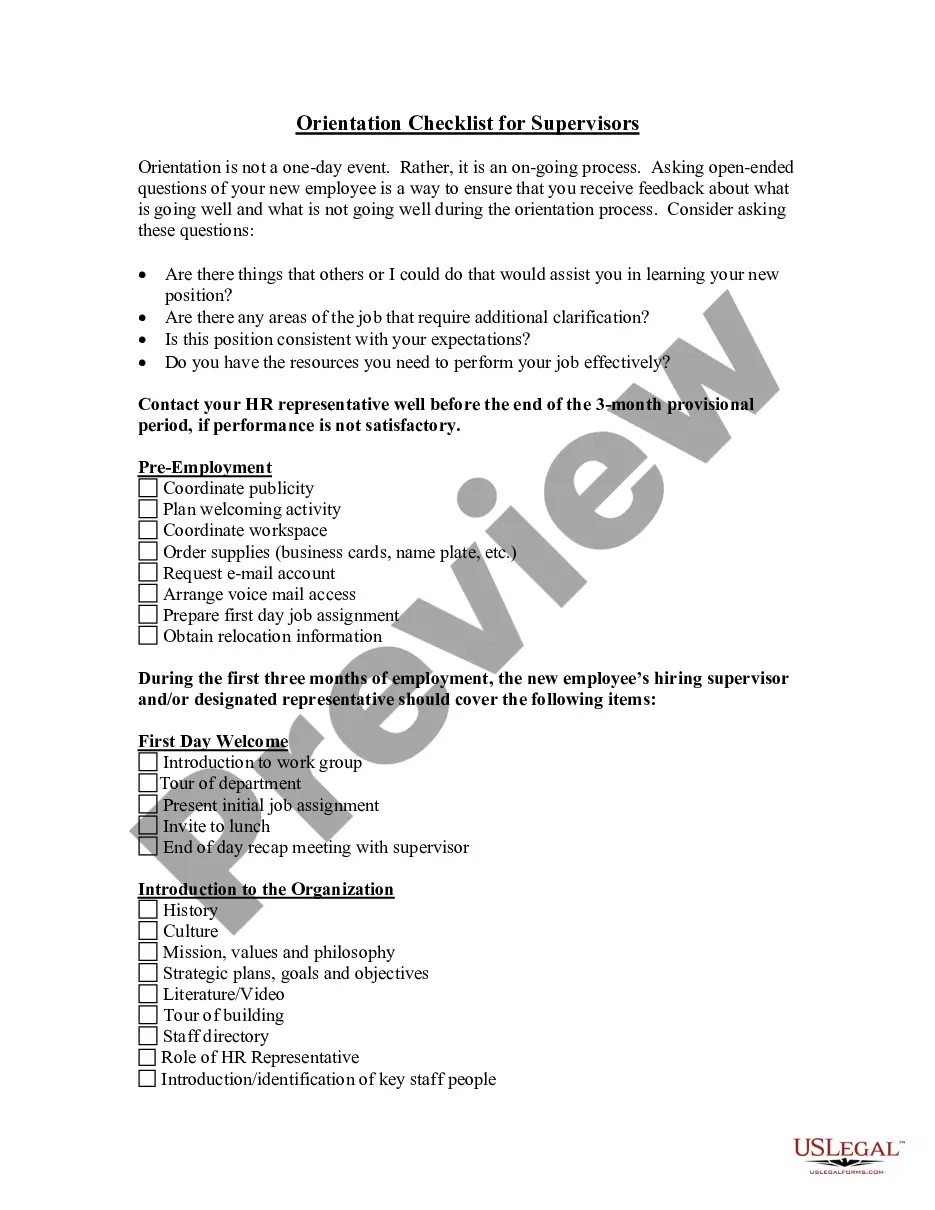



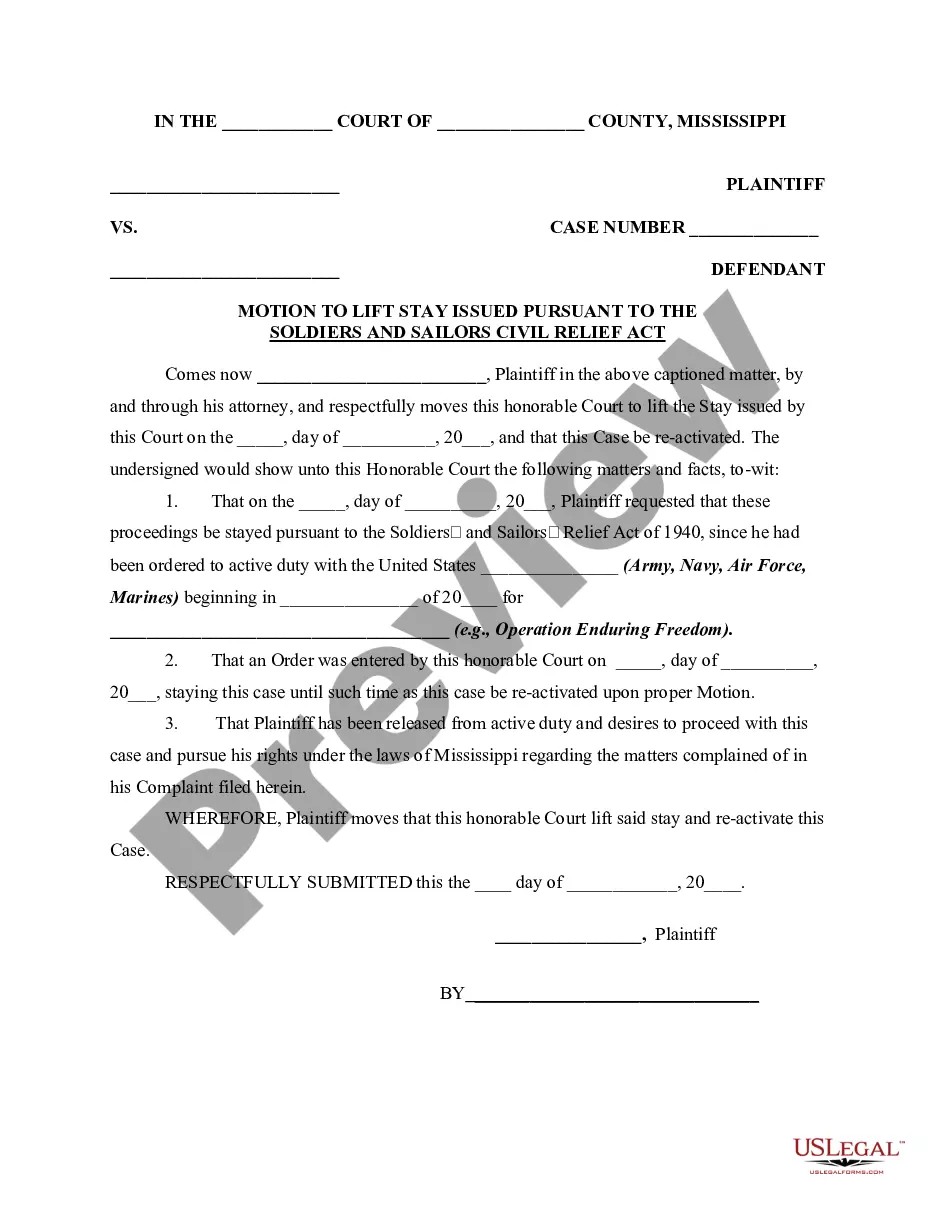

Form popularity
FAQ
A robust management contract should include: Defined Responsibilities: Clear scope of services the management company will handle. Compensation Structure: Agreed terms of payment, such as fixed fees or performance-based incentives. Duration and Renewal Terms: Specific start and end dates, with conditions for renewal.
Exploring the key stages of the contract management lifecycle Stage 1: Contract Initiation. Stage 2: Contract Creation and Negotiation. Stage 3: Contract Approval. Stage 4: Contract Execution. Stage 5: Contract Monitoring and Management. Stage 6: Contract Renewal or Termination.
Contract management is the process of managing legally-binding agreements from initiation through to execution. Contract management activities include creation and negotiation, execution, compliance monitoring and renewal or close out.
Decide how long the contract should be in place. The average duration of a management contract is a year, with options for extension and/or renegotiation after that. Expectations. Both parties must understand what is expected of them and how their performance will be measured.
Below is an example of a management contract: ABC Consulting agrees to provide management services to XYZ Corporation for the period of January 1, 2022, to December 31, 2022. ABC Consulting will be responsible for managing the sales department of XYZ Corporation, including its employees, processes, and systems.
Contract management is the process of creating, implementing, and reviewing contracts. Whether this is between a business and supplier, or partner, contract management is an essential part of your business. As your business grows, contract management can become complex.
Management Contracts Involving Hotels The contract is between the hotel owner and the management company, which takes over operation management. Sometimes, the contract is for only one of the outlets of the hotel, whereas in other instances, the contract may be for the entire hotel chain.
For example, if signing a new construction contract begins with the procurement department, then finance, sales, and so on, it's the responsibility of contract administration to ensure that this sequence follows as designated.
Contract management is the process of managing legally-binding agreements from initiation through to execution. Contract management activities include creation and negotiation, execution, compliance monitoring and renewal or close out.
There are typically four types of requirement: Functional: operational capabilities, look-and-feel, number of users/contracts handled. Provided by CLM specialists, stakeholders. Technical: system architecture, database, delivery model, integrations with other systems.
