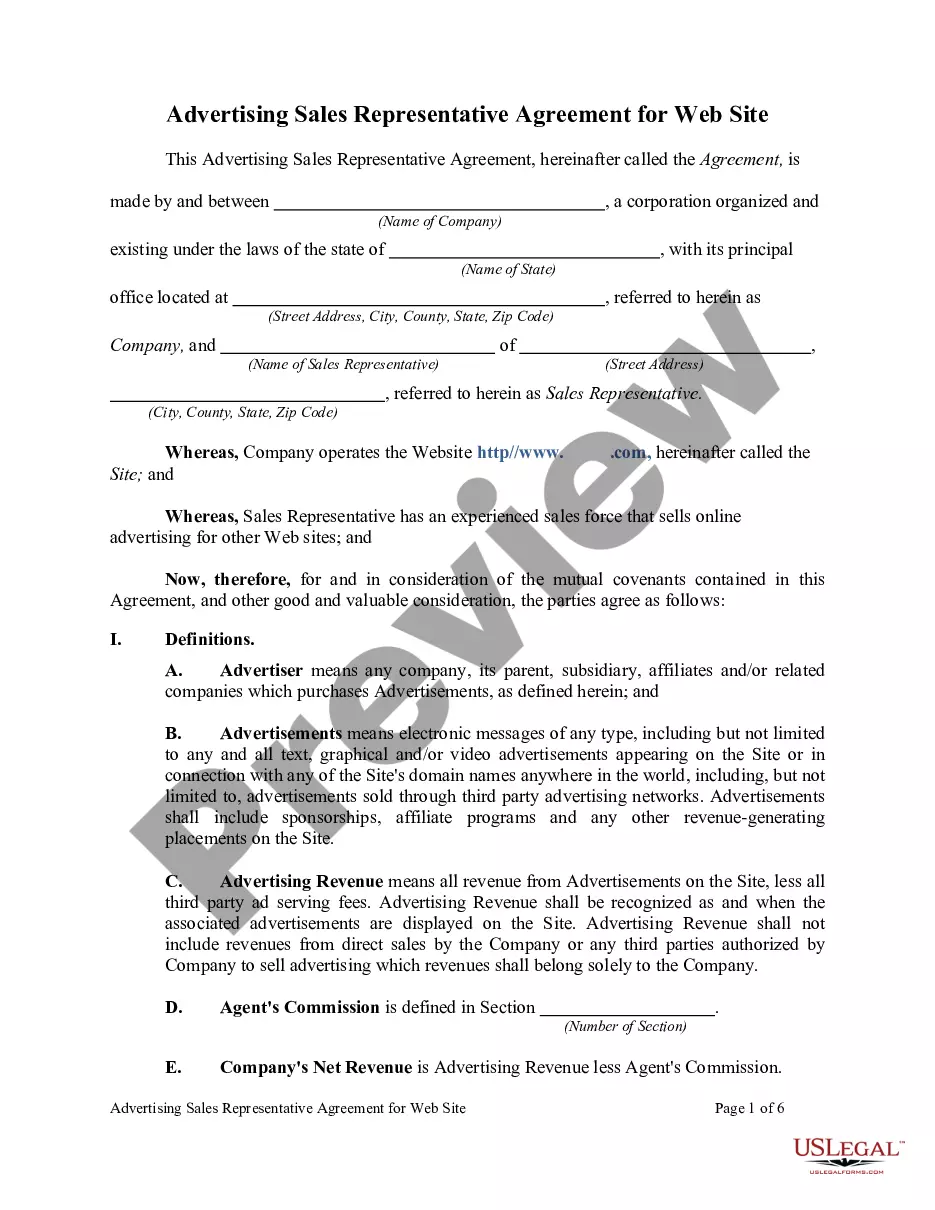
Artist Record Deal Contract In Suffolk
Description


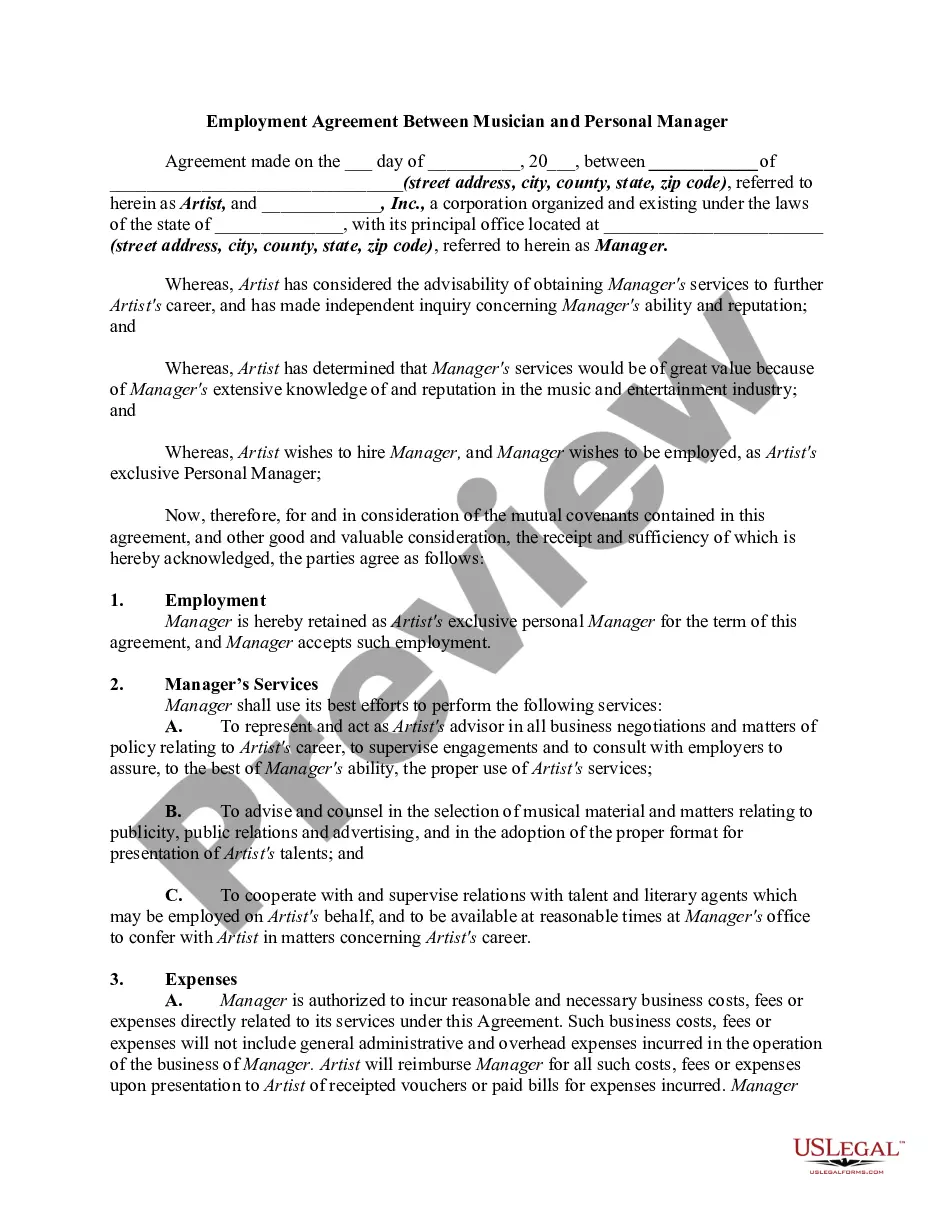
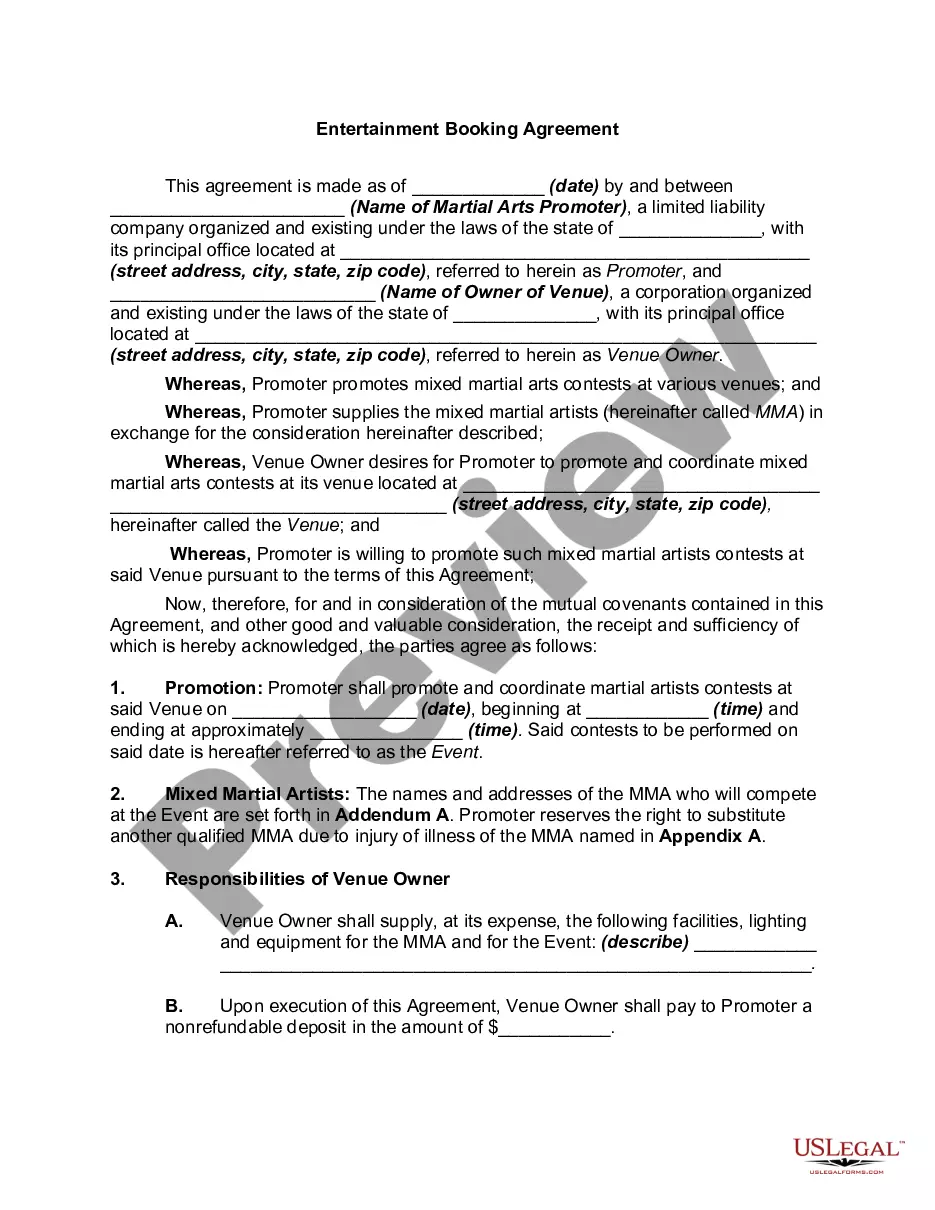
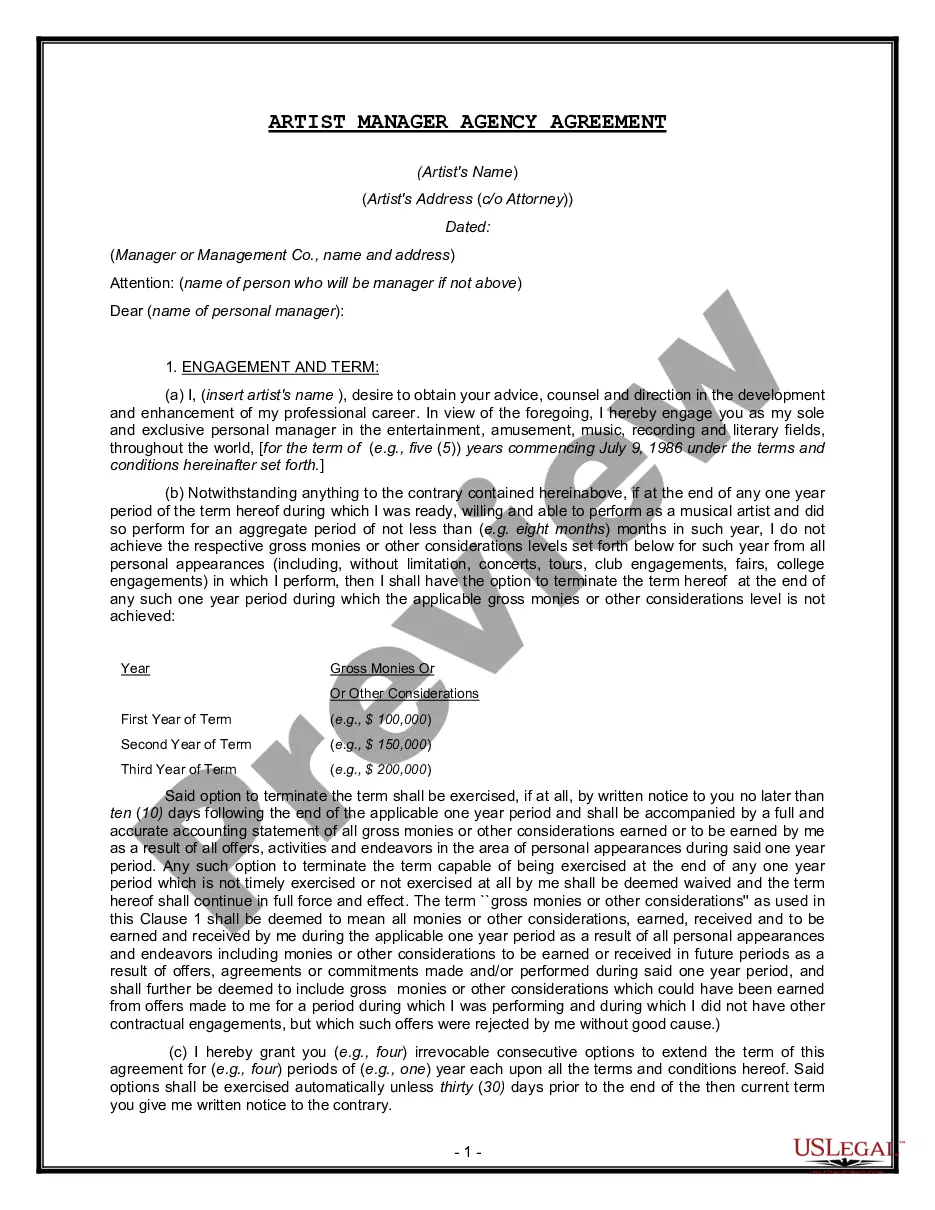
Get your form ready online
Our built-in tools help you complete, sign, share, and store your documents in one place.
Make edits, fill in missing information, and update formatting in US Legal Forms—just like you would in MS Word.
Download a copy, print it, send it by email, or mail it via USPS—whatever works best for your next step.
Sign and collect signatures with our SignNow integration. Send to multiple recipients, set reminders, and more. Go Premium to unlock E-Sign.
If this form requires notarization, complete it online through a secure video call—no need to meet a notary in person or wait for an appointment.
We protect your documents and personal data by following strict security and privacy standards.

Make edits, fill in missing information, and update formatting in US Legal Forms—just like you would in MS Word.

Download a copy, print it, send it by email, or mail it via USPS—whatever works best for your next step.

Sign and collect signatures with our SignNow integration. Send to multiple recipients, set reminders, and more. Go Premium to unlock E-Sign.

If this form requires notarization, complete it online through a secure video call—no need to meet a notary in person or wait for an appointment.

We protect your documents and personal data by following strict security and privacy standards.
Looking for another form?






Form popularity
FAQ
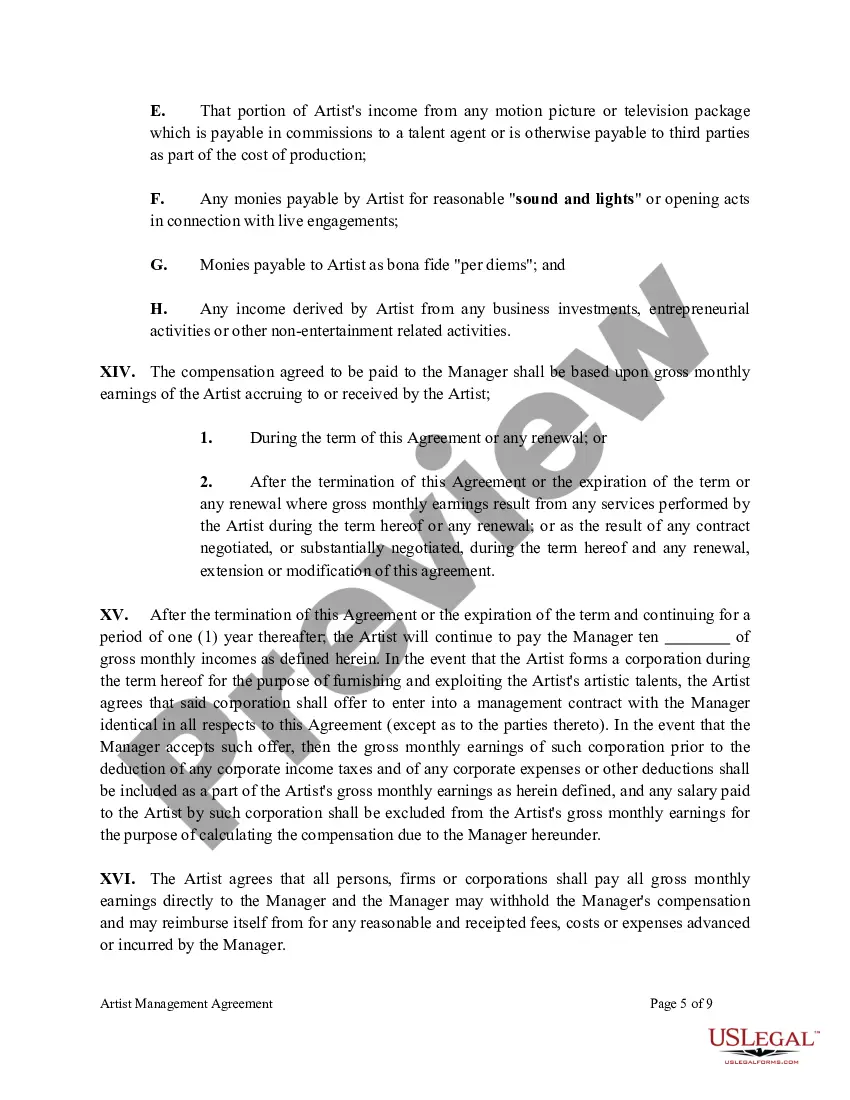
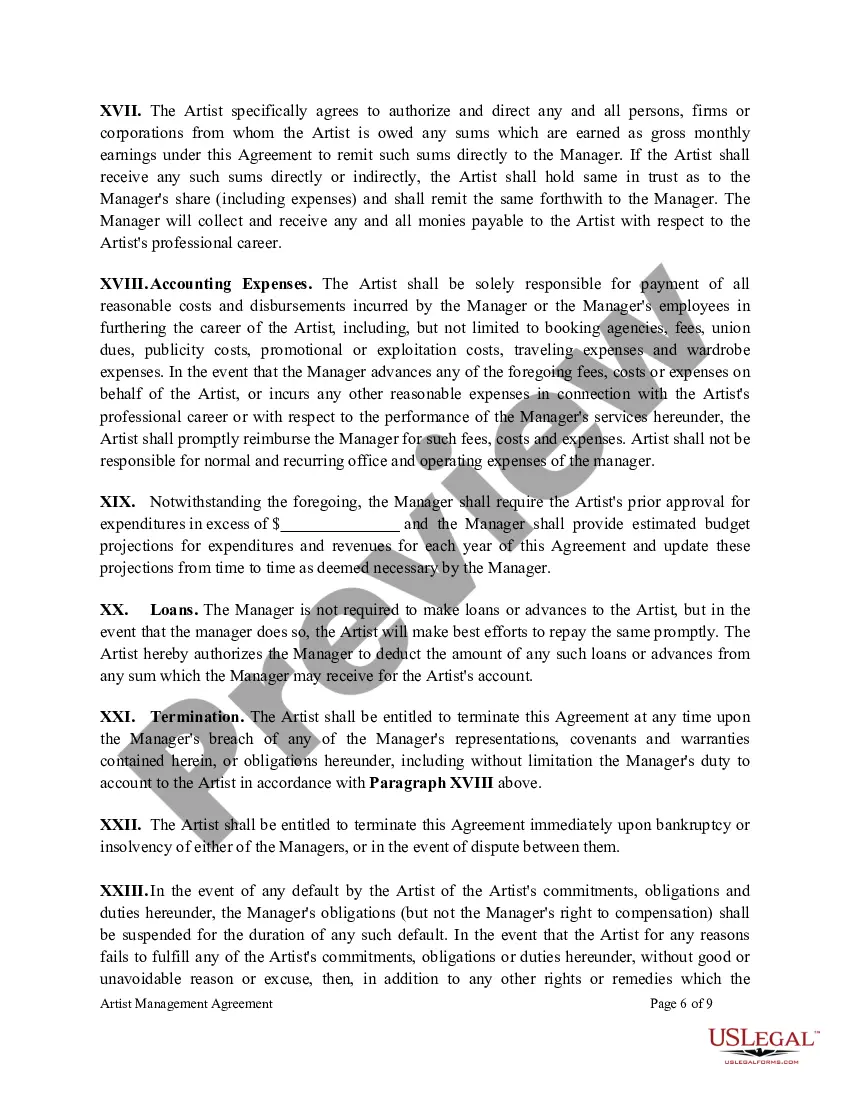
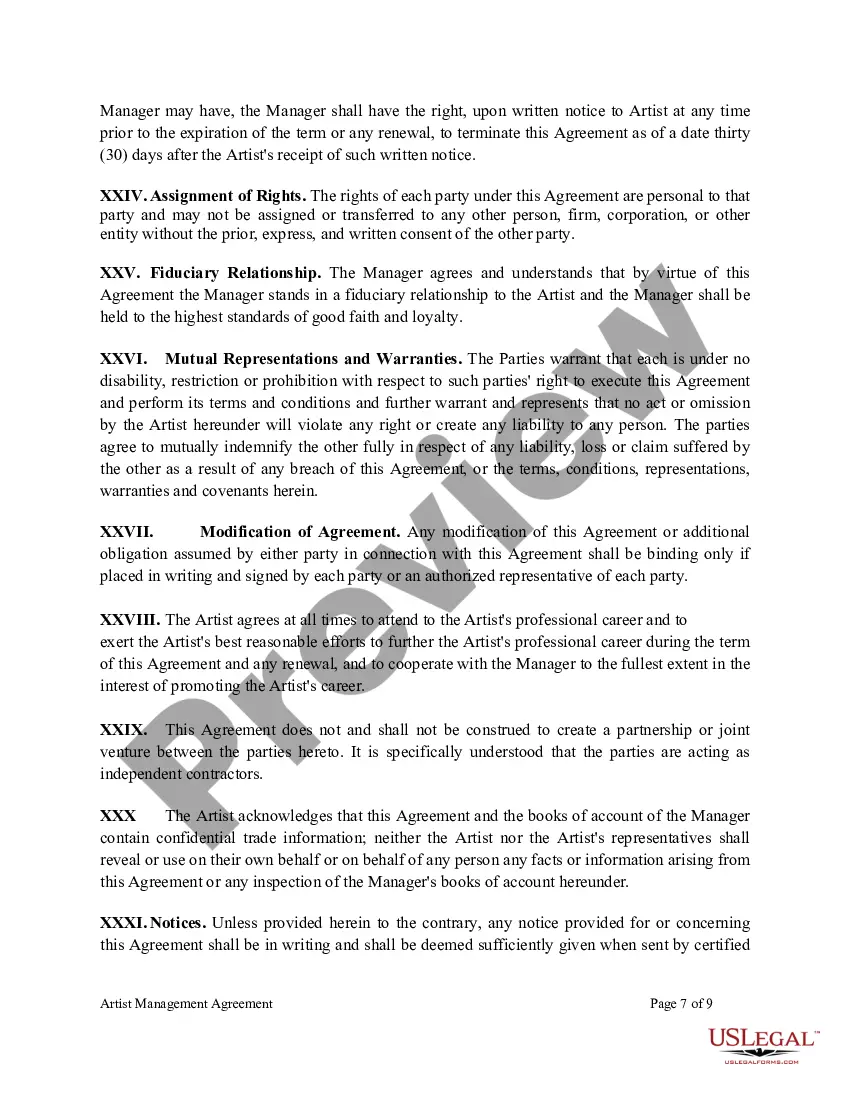
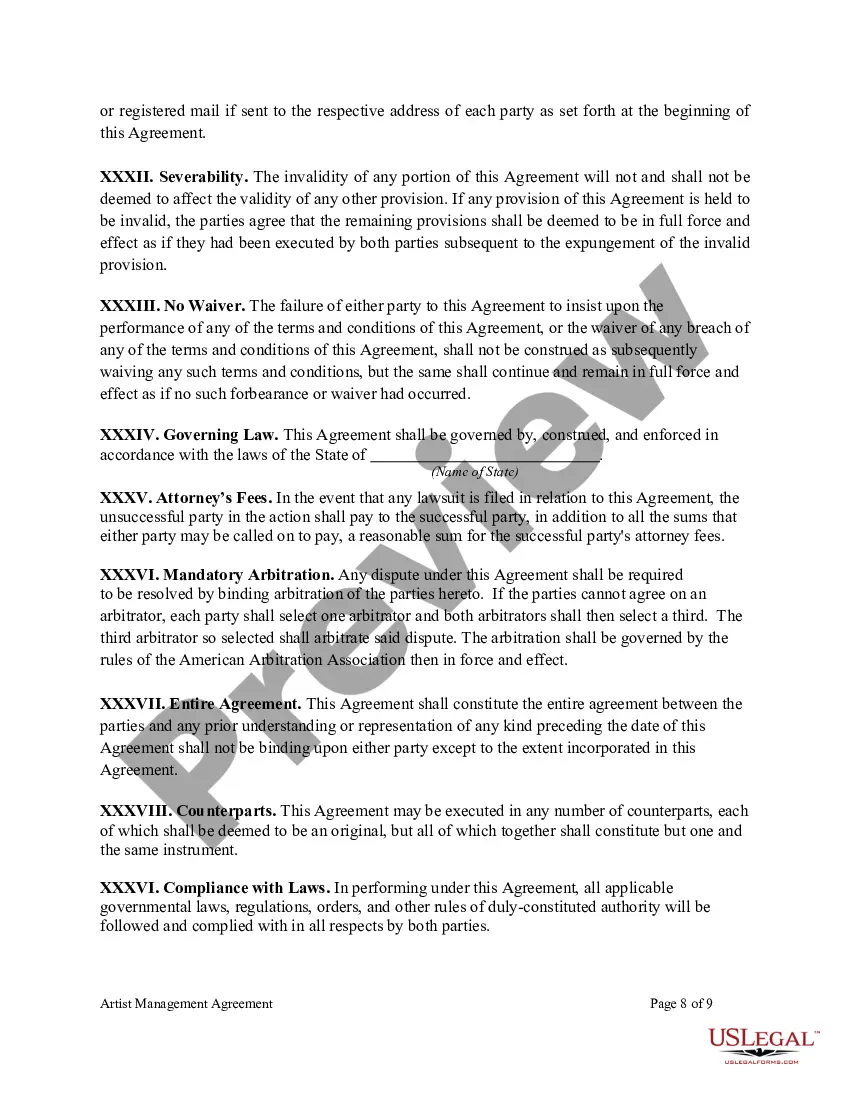
Your Music Recording Contract should cover details like: Compensation and royalties. Where and when the album will be recorded. The album's release date. Who has creative control over specific elements of the album. The termination clause. The exclusive agreement clause. Dispute resolution. Promotional appearances.
It's standard for acts to receive around 15% of revenue in traditional deals, 50% with indie labels, and generally between 65% and 85% with AWAL, depending on our level of involvement and the resources we provide. Industry legalese for sales is Exploitations, btw.
Record Contract Basics - Conclusion These are a few of the main points in record contracts. Often, a contract will be over 40 pages long.
The 360 deal is one of the most common, and most misunderstood, contracts in the industry. Many hate it on sight, assuming that it's designed to solely screw over the artist. However, it's not the predatory contract that many assume it to be.
Traditional Record Deal In this exchange, the record label will grant the artist a hefty advance for their masters' ownership and 80% of their royalties. I have never seen an artist get more than 22% of their royalties, and typically it's much lower than that.
How to get signed by a record label Define your sound. Build your online presence. Release high-quality music. Develop your industry network. Submit your music. Music managers and music lawyers.
How to get signed by a record label Define your sound. Build your online presence. Release high-quality music. Develop your industry network. Submit your music. Music managers and music lawyers.
GETTING SIGNED TO A MAJOR LABEL We're talking between 20-100k followers. Many artists end up hiring social media management to get this done so they can stay focused on the music.
If your music quality is on par with the top artists currently signed, you still have a 1 in 100 chance to be signed to a top independent record label or 1% chance.