Music Contract Examples In Los Angeles
Description

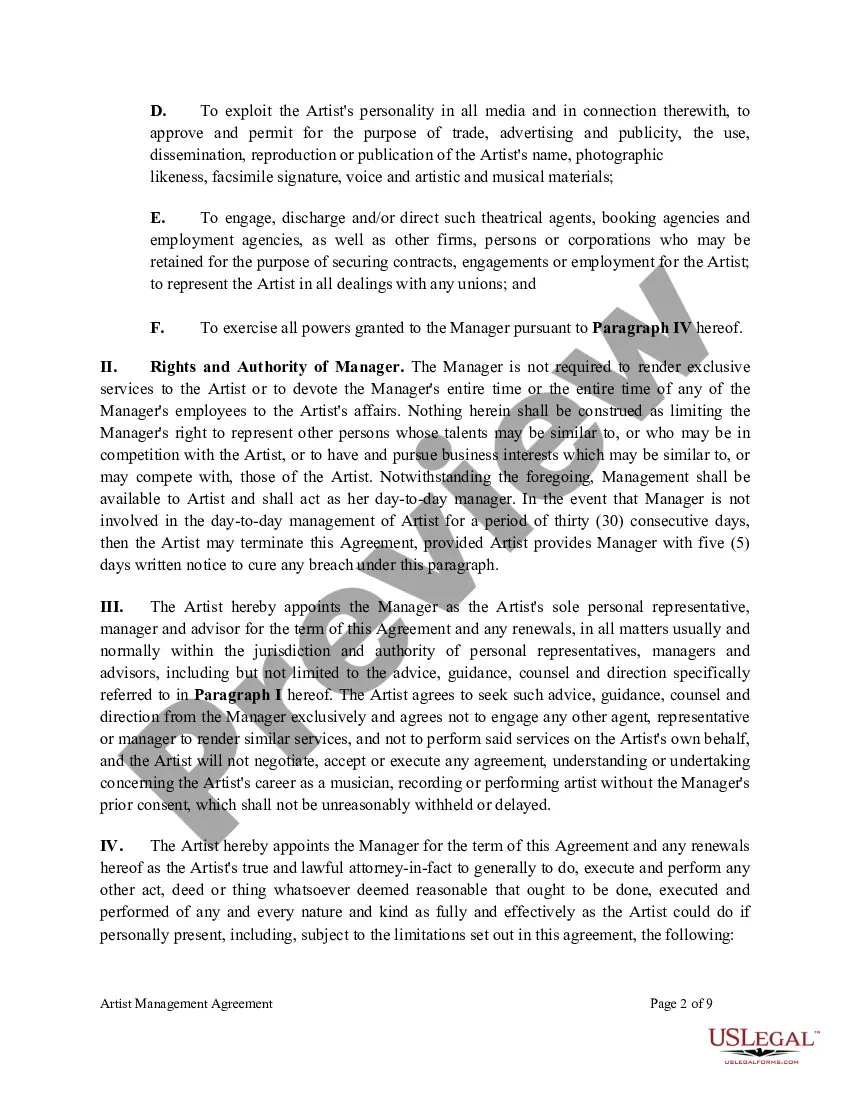
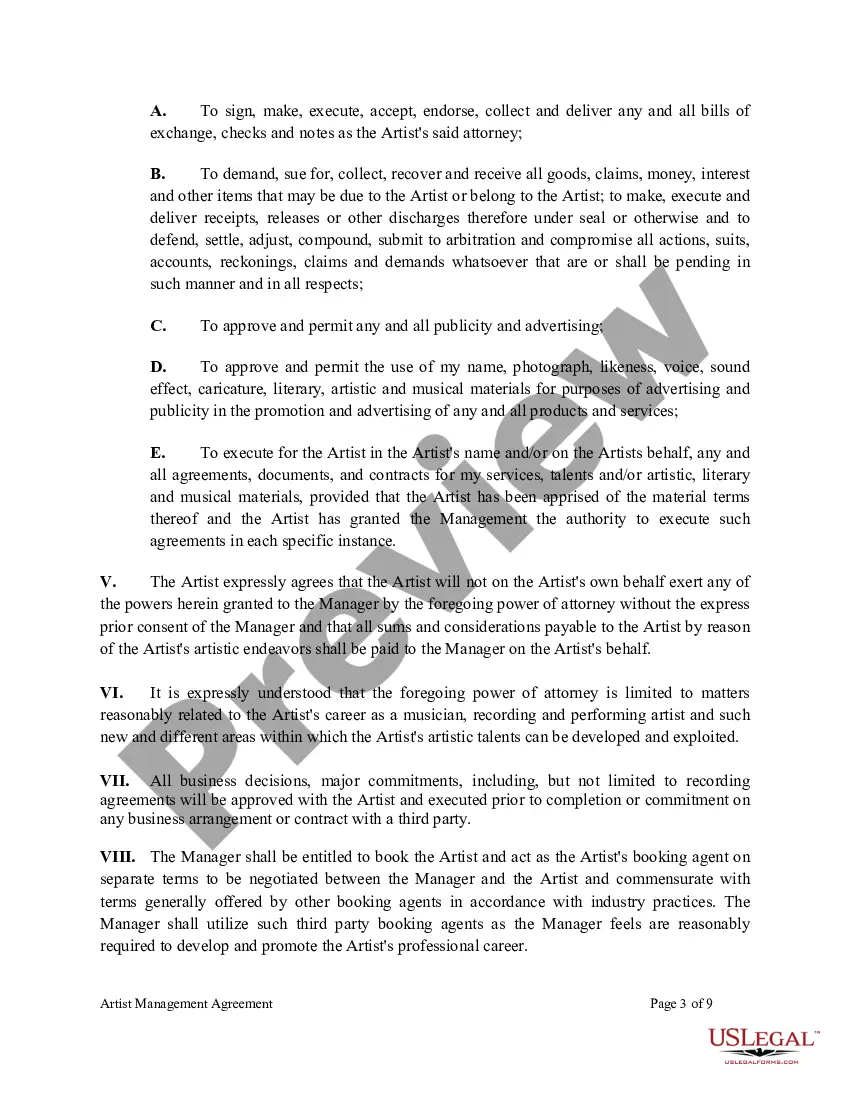
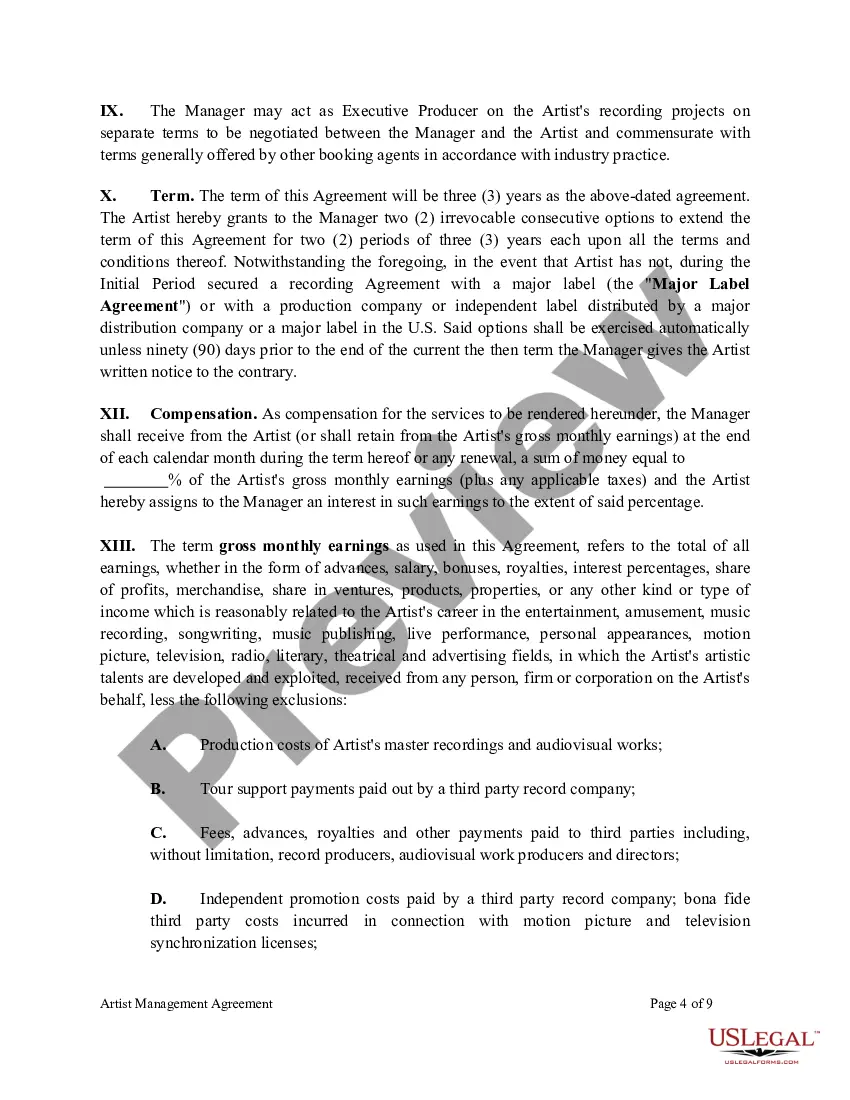
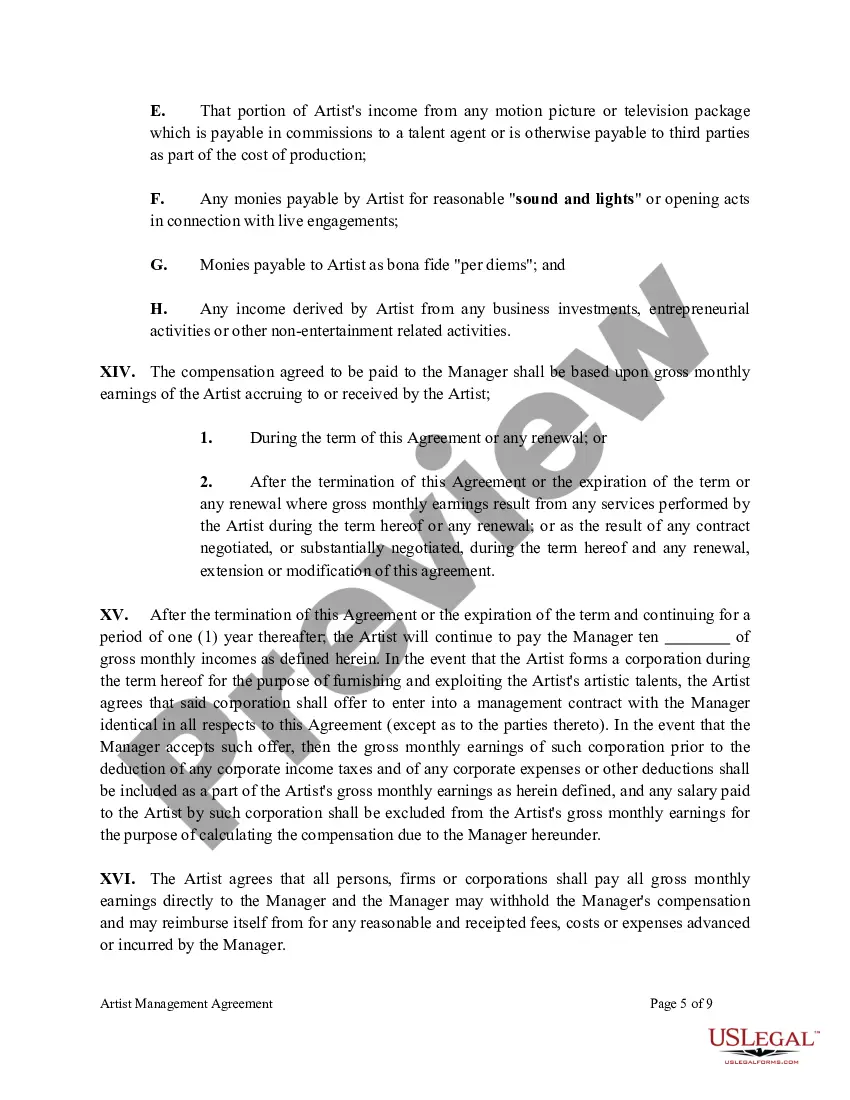
Get your form ready online
Our built-in tools help you complete, sign, share, and store your documents in one place.
Make edits, fill in missing information, and update formatting in US Legal Forms—just like you would in MS Word.
Download a copy, print it, send it by email, or mail it via USPS—whatever works best for your next step.
Sign and collect signatures with our SignNow integration. Send to multiple recipients, set reminders, and more. Go Premium to unlock E-Sign.
If this form requires notarization, complete it online through a secure video call—no need to meet a notary in person or wait for an appointment.
We protect your documents and personal data by following strict security and privacy standards.

Make edits, fill in missing information, and update formatting in US Legal Forms—just like you would in MS Word.

Download a copy, print it, send it by email, or mail it via USPS—whatever works best for your next step.

Sign and collect signatures with our SignNow integration. Send to multiple recipients, set reminders, and more. Go Premium to unlock E-Sign.

If this form requires notarization, complete it online through a secure video call—no need to meet a notary in person or wait for an appointment.

We protect your documents and personal data by following strict security and privacy standards.
Looking for another form?



Form popularity
FAQ
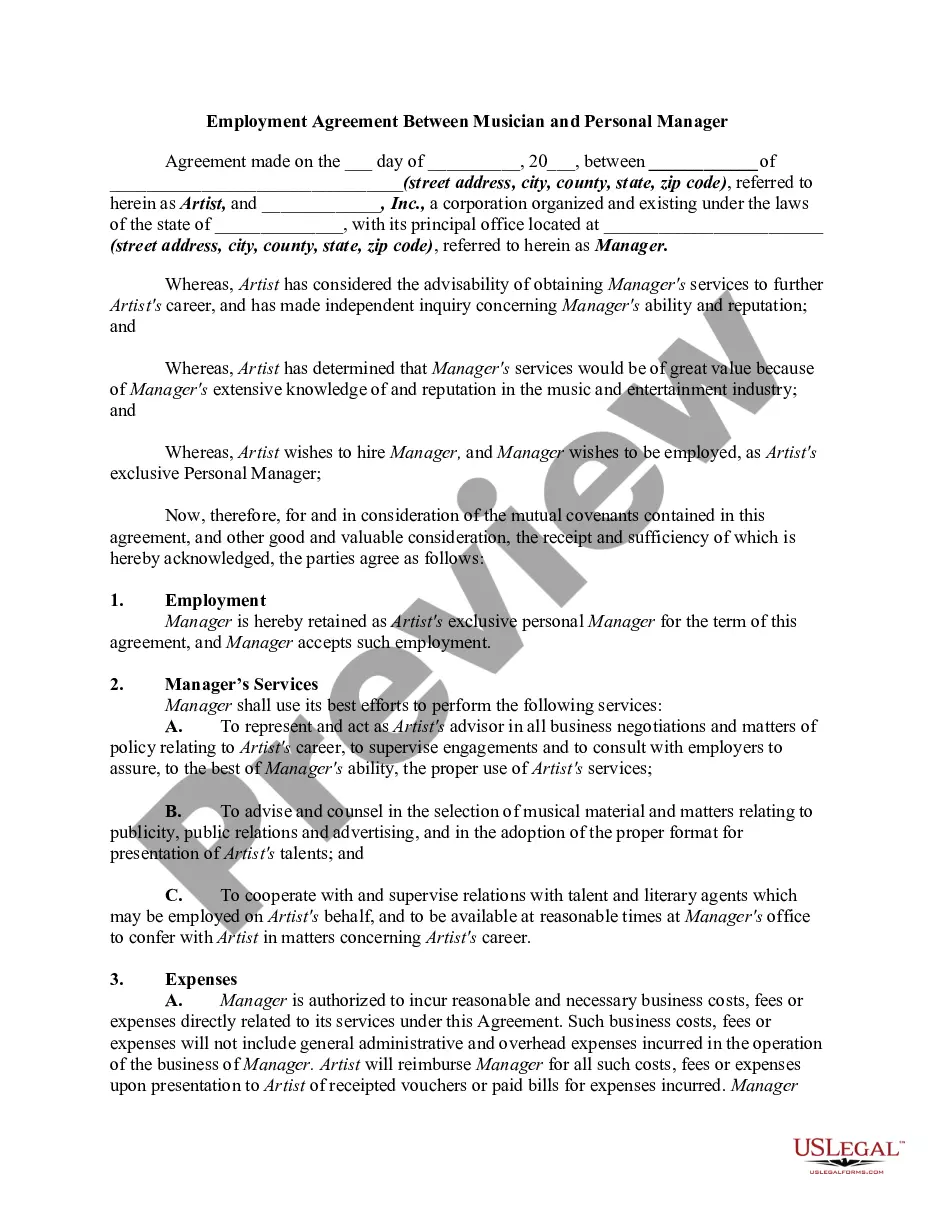
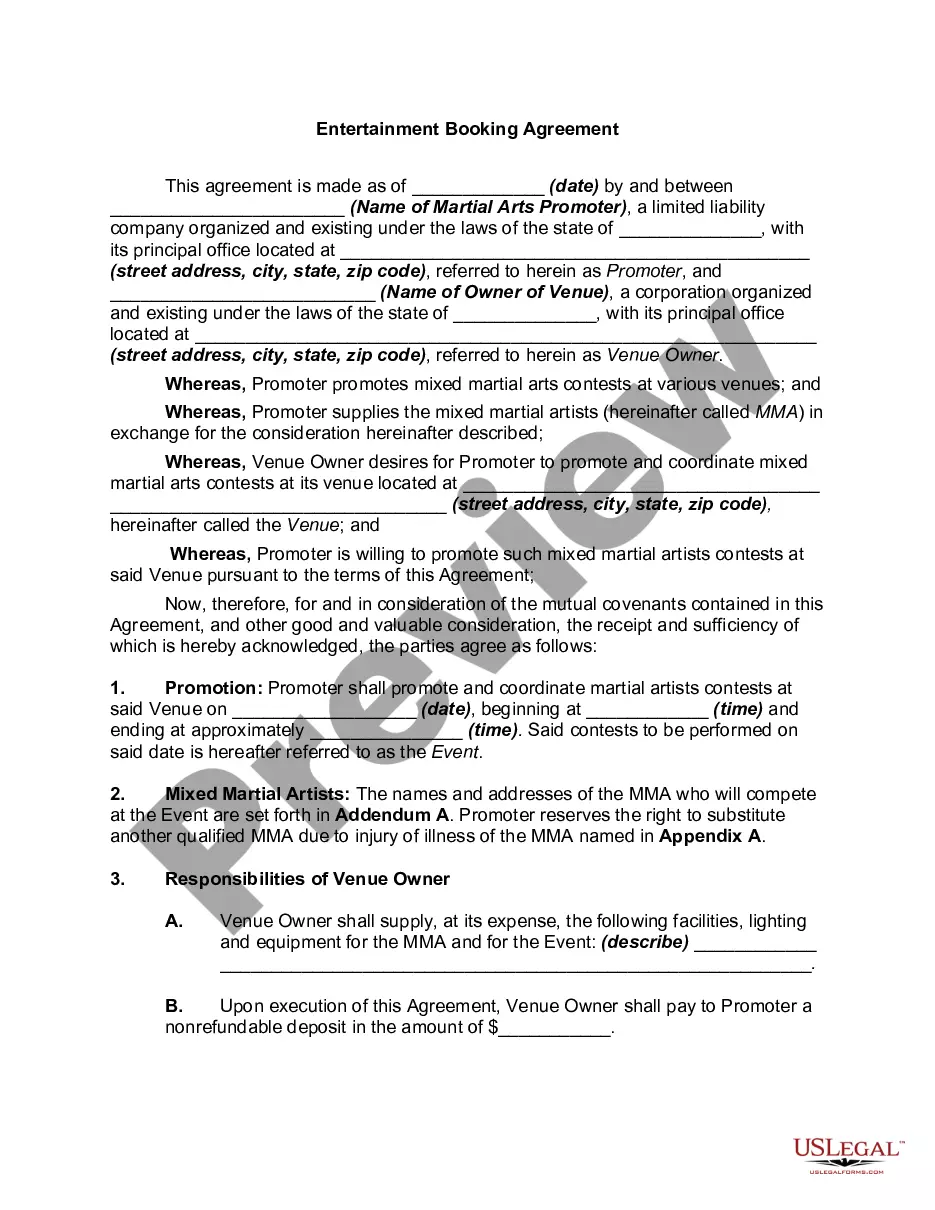
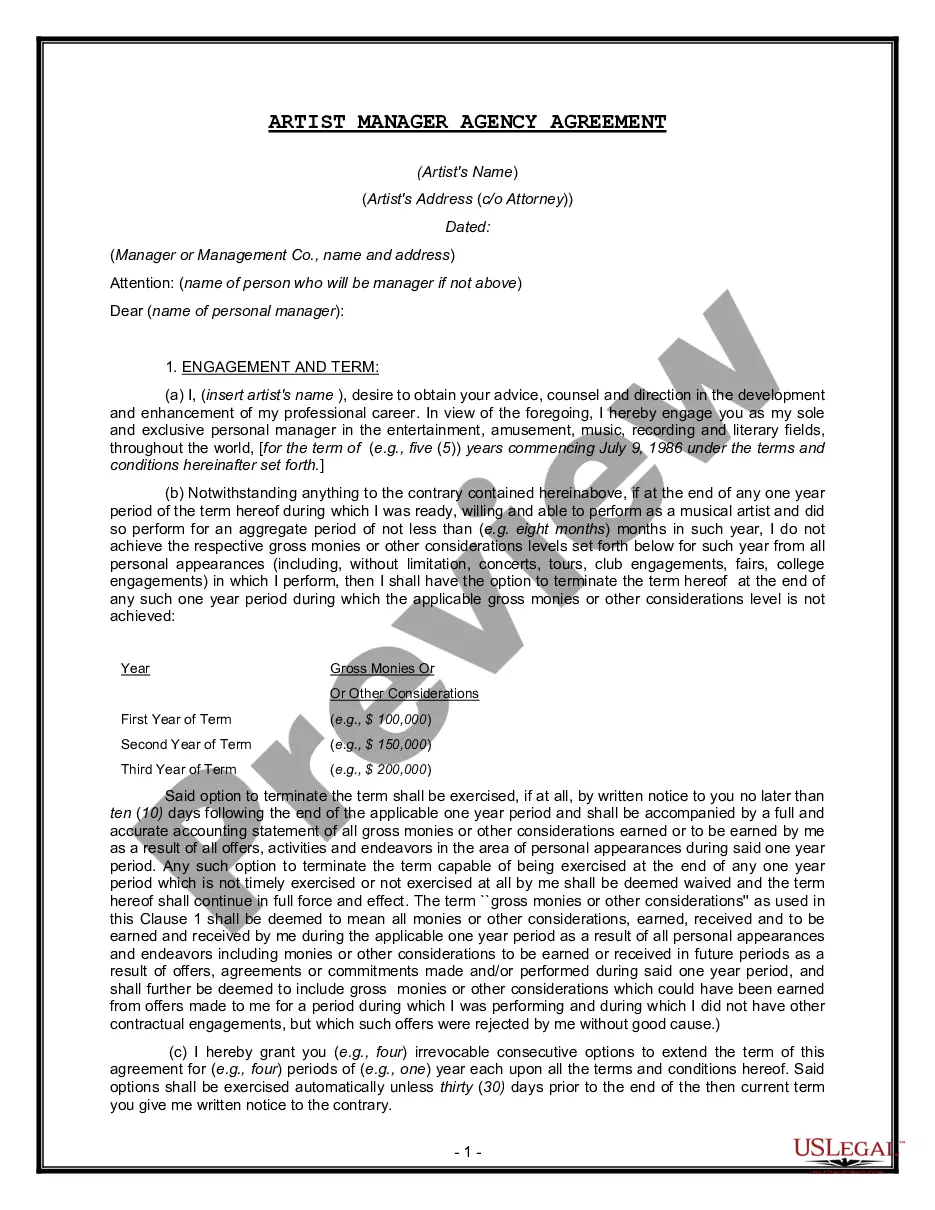
Out of all of the types of music contracts, co-publishing (co-pub) agreements are the most frequently used. Under this agreement, the music publishing company and the artist are partners, and both parties co-own the copyrights to the music. Terms can vary widely, but a 50/50 split is common.
The industry standard is 50/50 , our's is 70/30 – that's 70% to Artist and only 30% to Company but when the Contract ends you retain 100%.
How to get signed by a record label Define your sound. Build your online presence. Release high-quality music. Develop your industry network. Submit your music. Music managers and music lawyers.
When you sign a deal with a record label, they often take a majority of the royalty split. If you see “80/20 split” for example, that means the label takes 80% of earnings from that income stream, and the artist takes 20%.
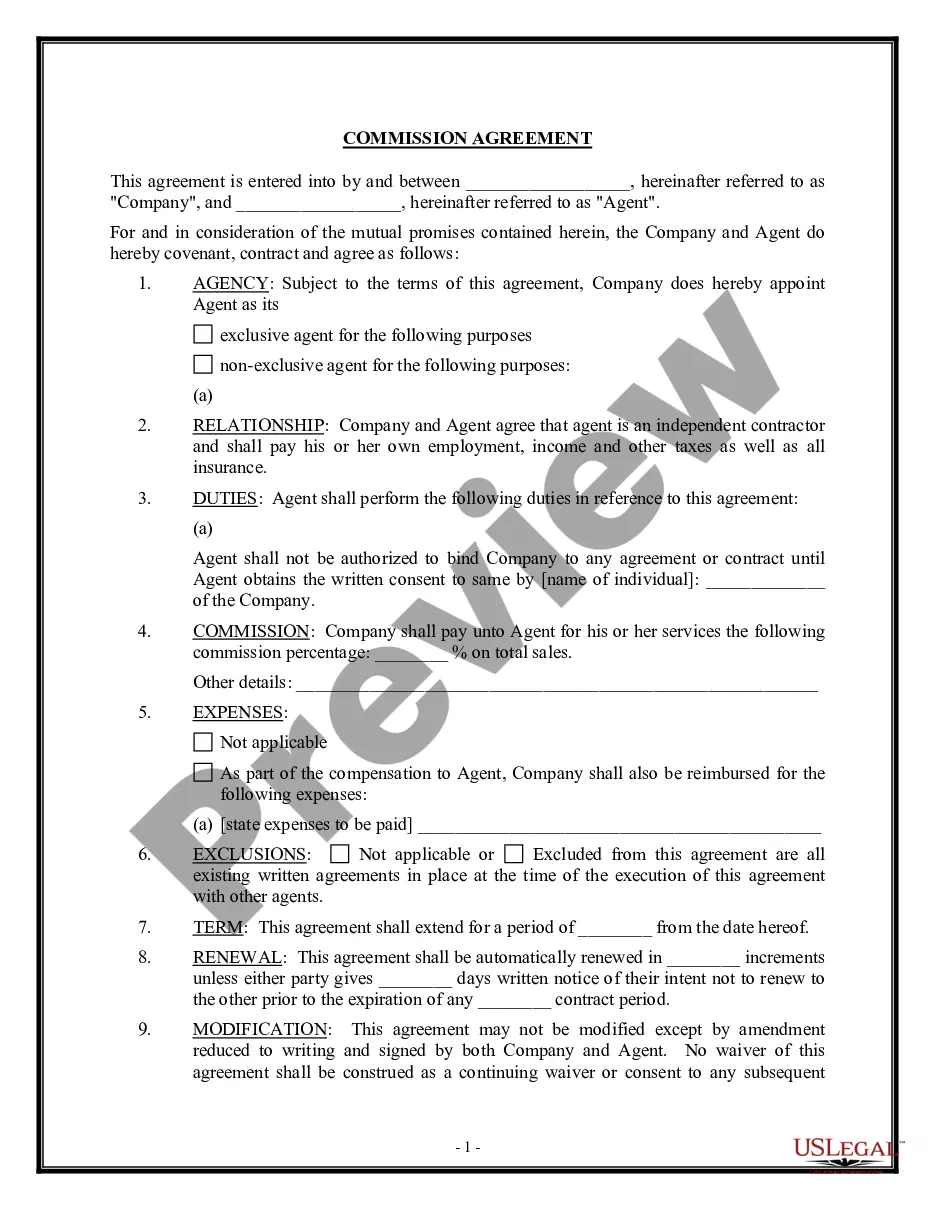
A 70/30 commission split indicates that the total commission earned will be divided between two parties in a ratio of 70% to one party and 30% to the other. This percentage split is commonly used in various business and sales agreements.
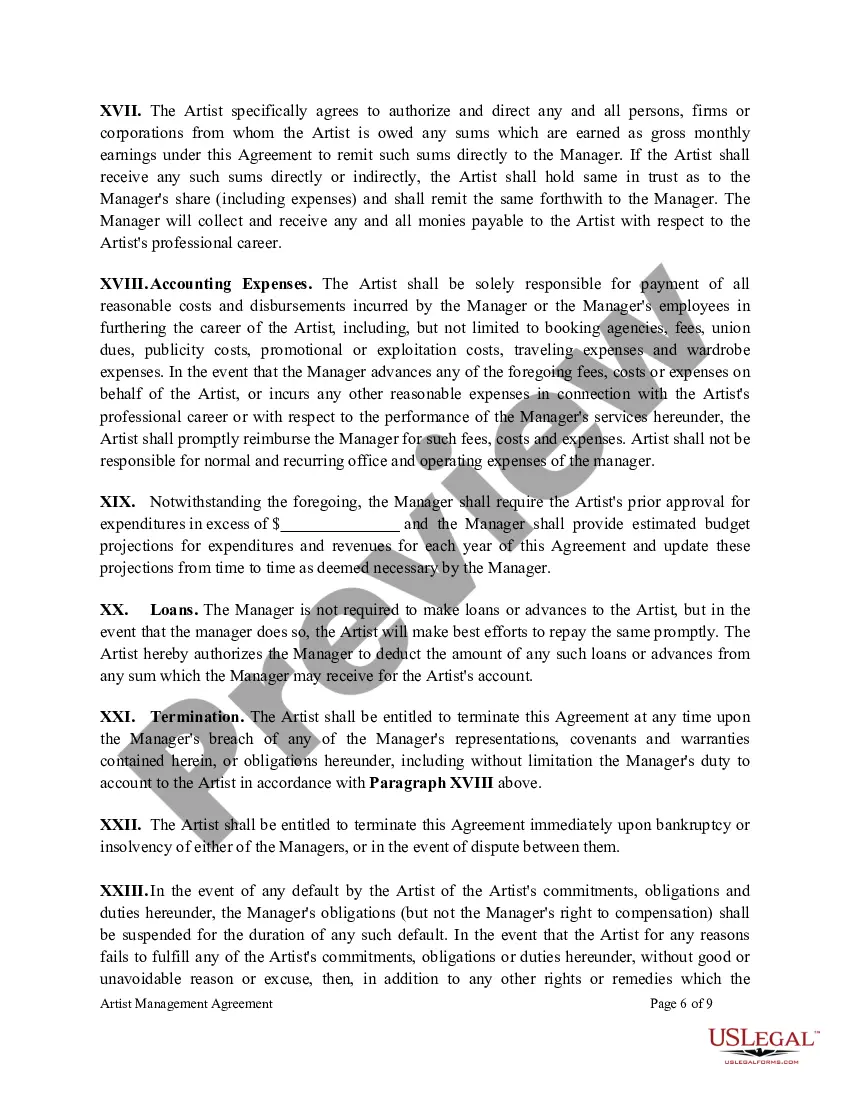
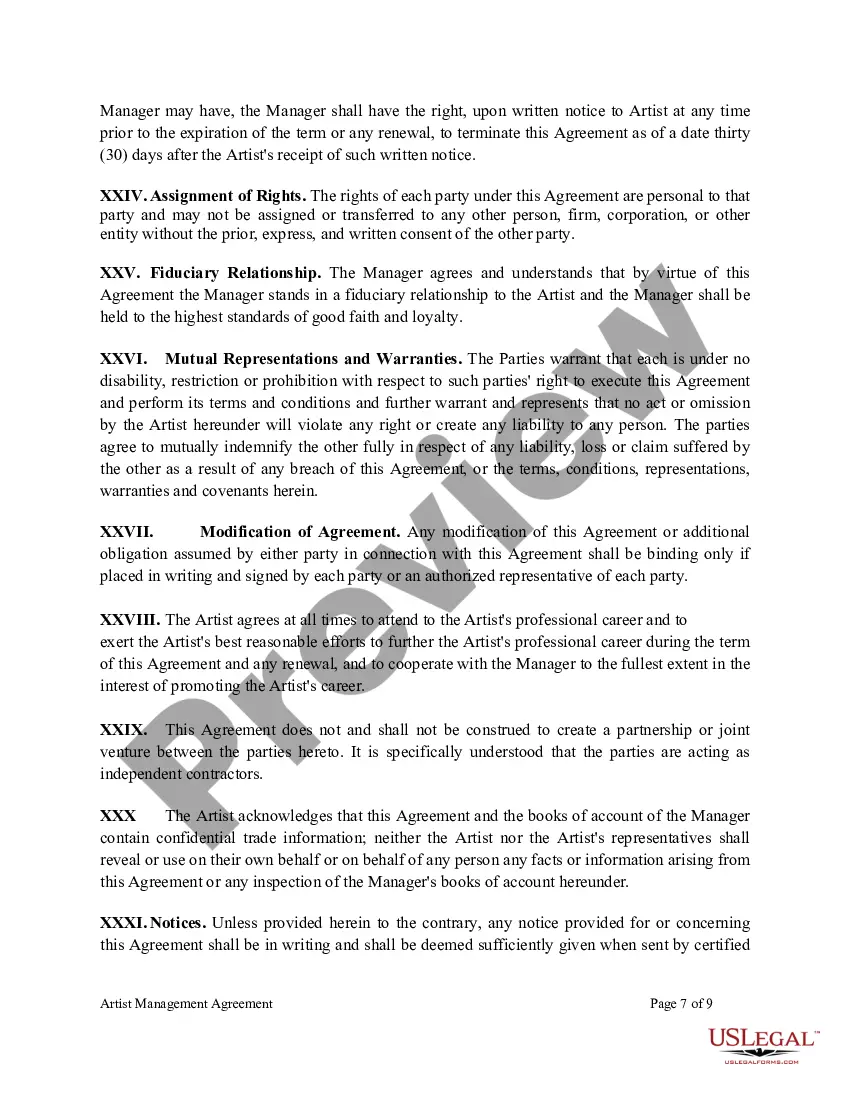
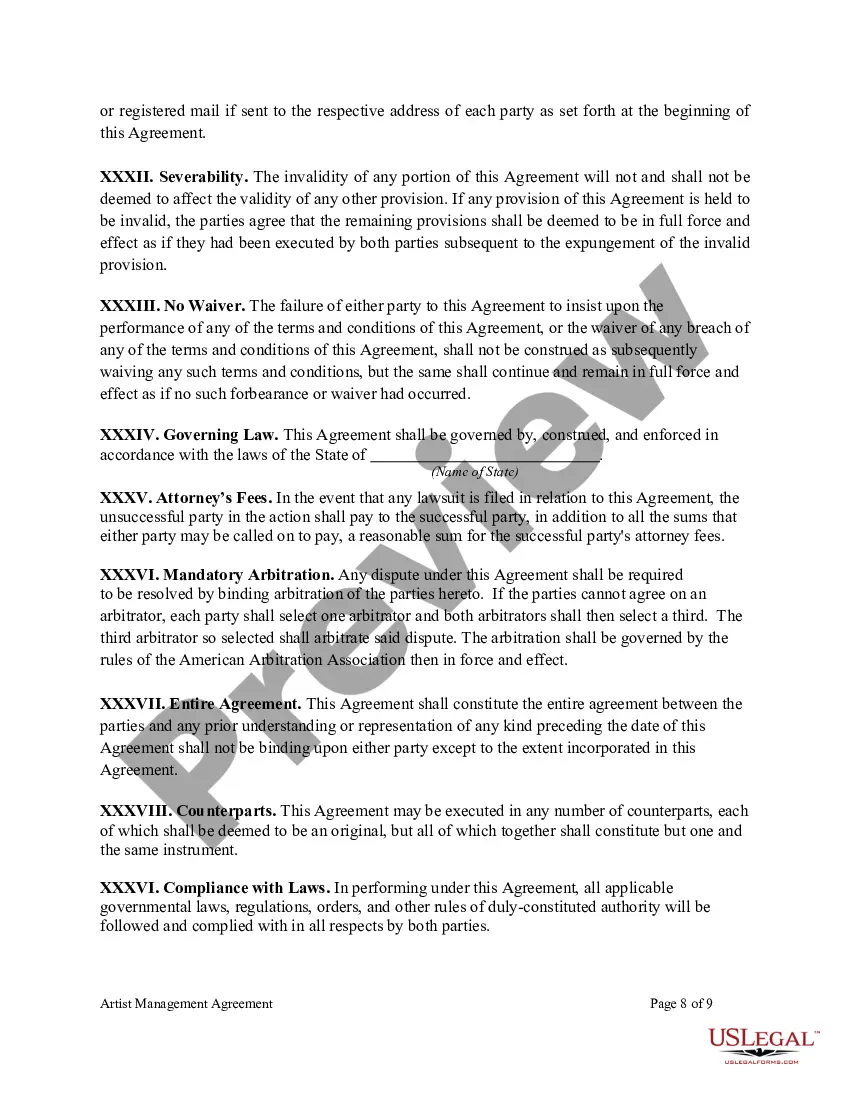
Your Music Recording Contract should cover details like: Compensation and royalties. Where and when the album will be recorded. The album's release date. Who has creative control over specific elements of the album. The termination clause. The exclusive agreement clause. Dispute resolution. Promotional appearances.
Major labels or their subsidiaries often work on a 70/30 or even 85/15 split, with the majority kept by the label. For indie labels, it is standard practice to offer a 40/60 or 50/50 split (label/artist).
The “70/30 Deal,” is a cross between a gross and net distribution deal. The distributor gets to recoup some specific expenses, then splits revenues 70/30 in its favor.
Your Music Recording Contract should cover details like: Compensation and royalties. Where and when the album will be recorded. The album's release date. Who has creative control over specific elements of the album. The termination clause. The exclusive agreement clause. Dispute resolution. Promotional appearances.
