Talent Management Contract Forbes In Illinois
Description

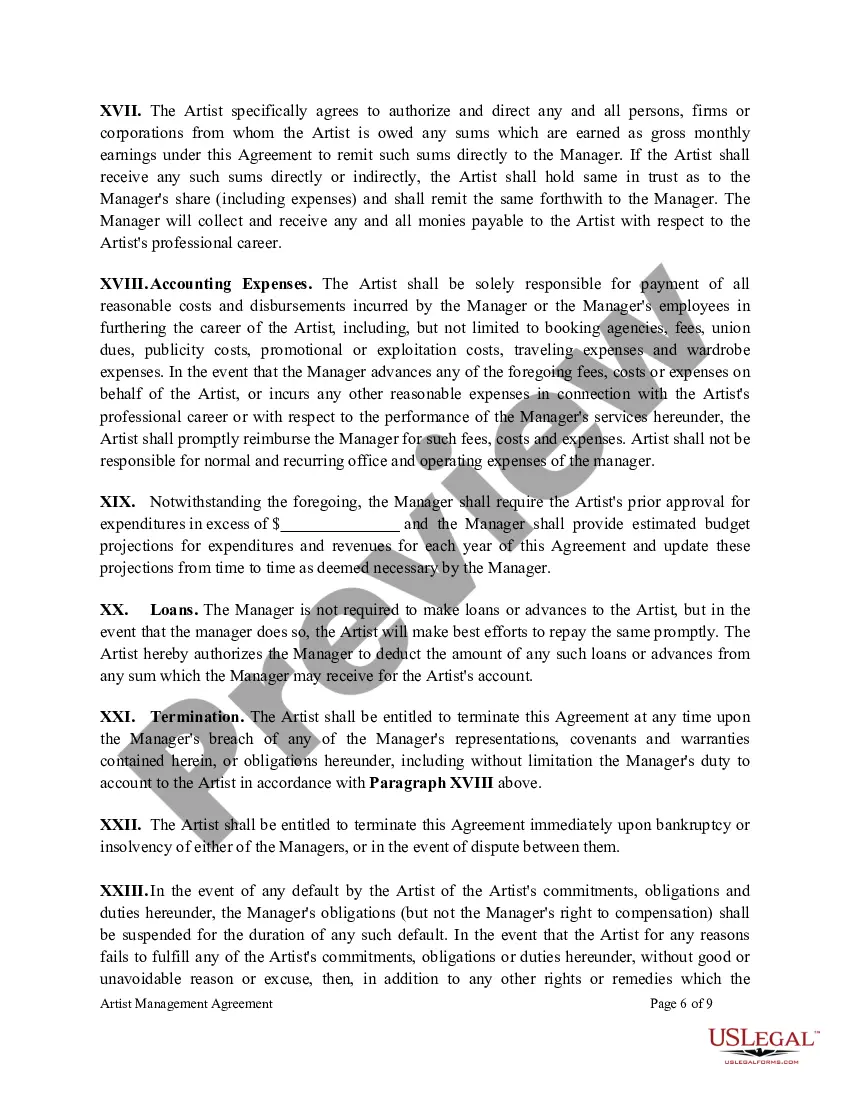
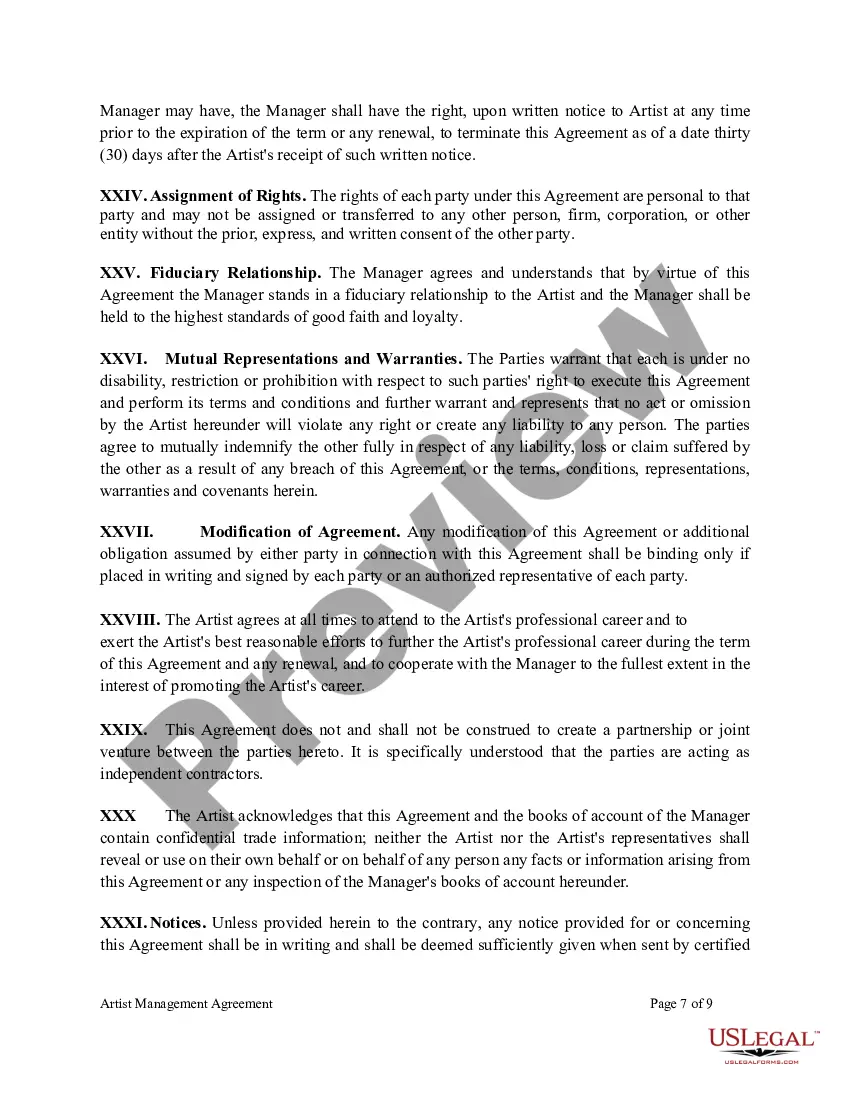
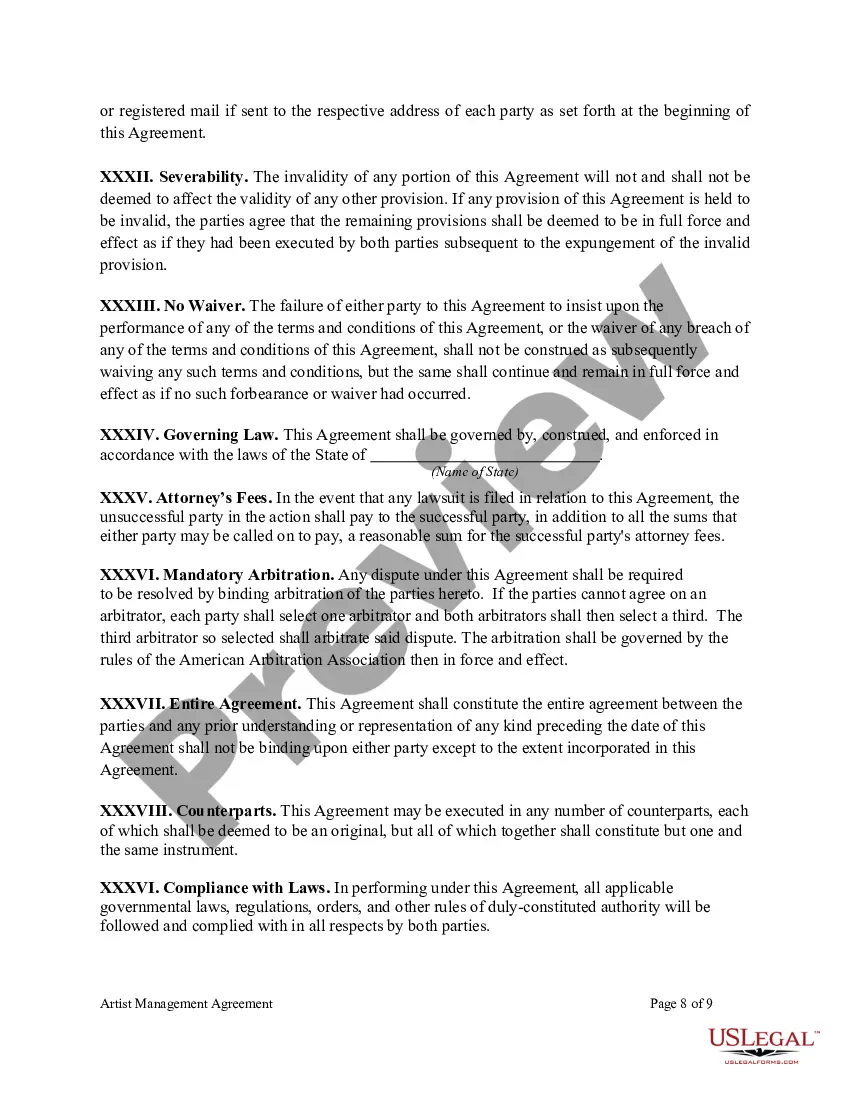

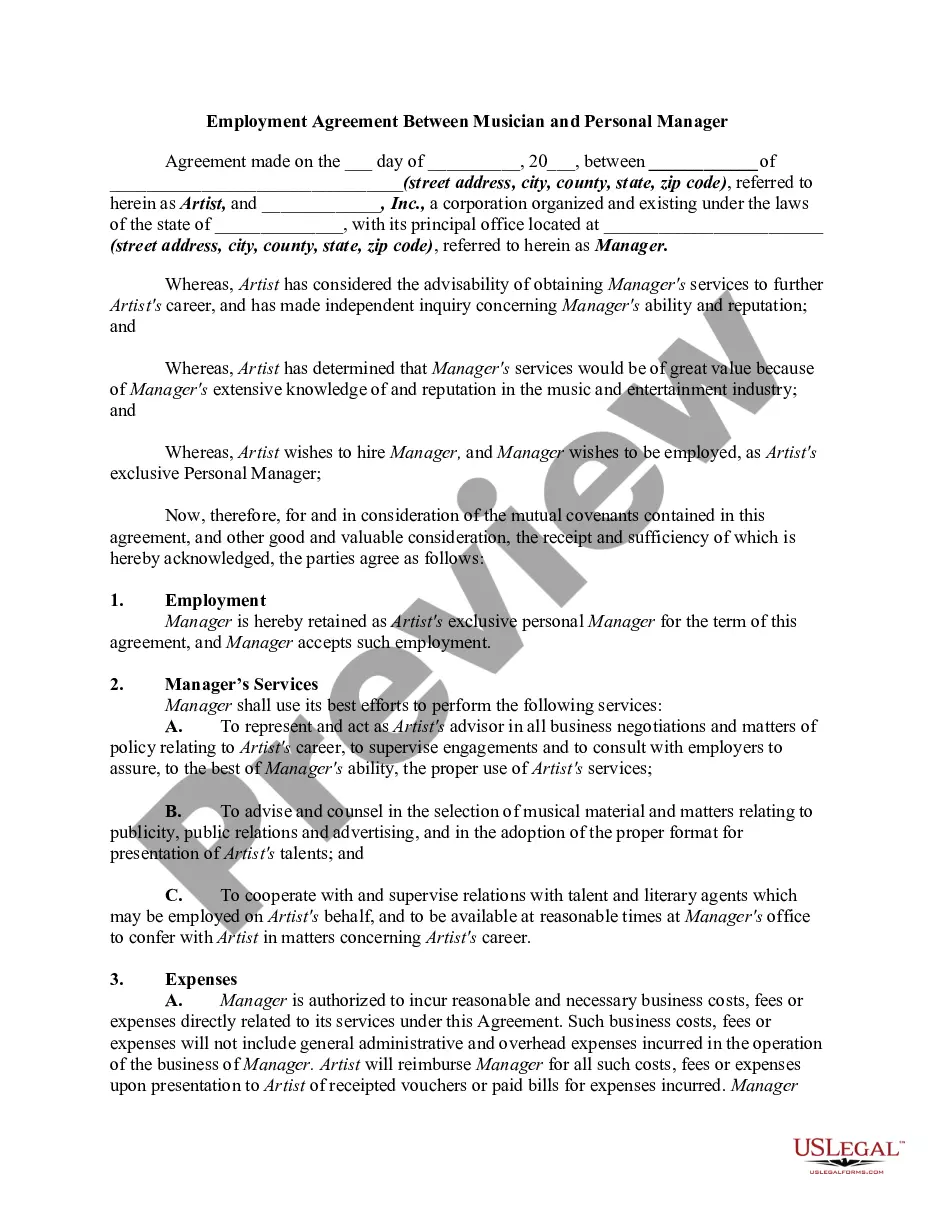
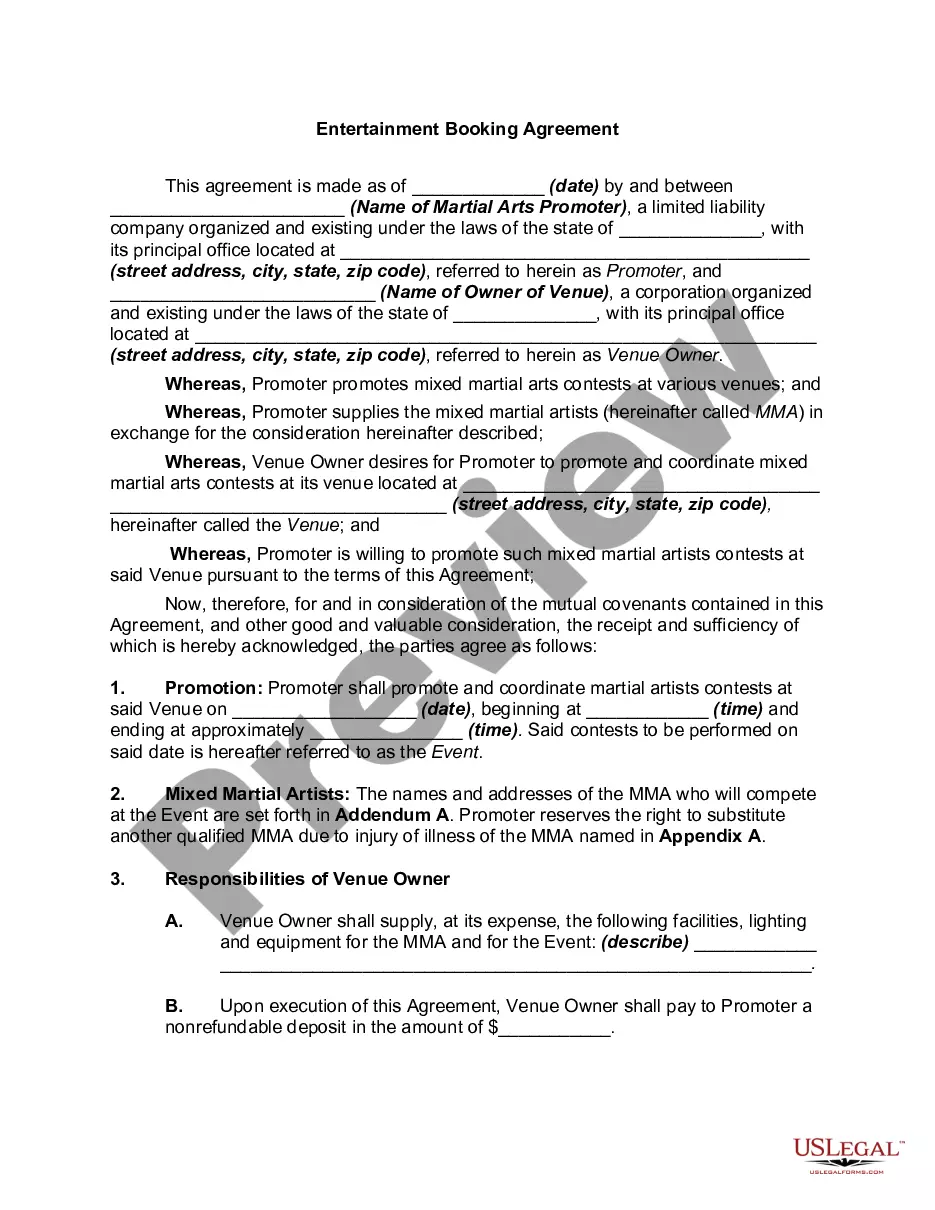
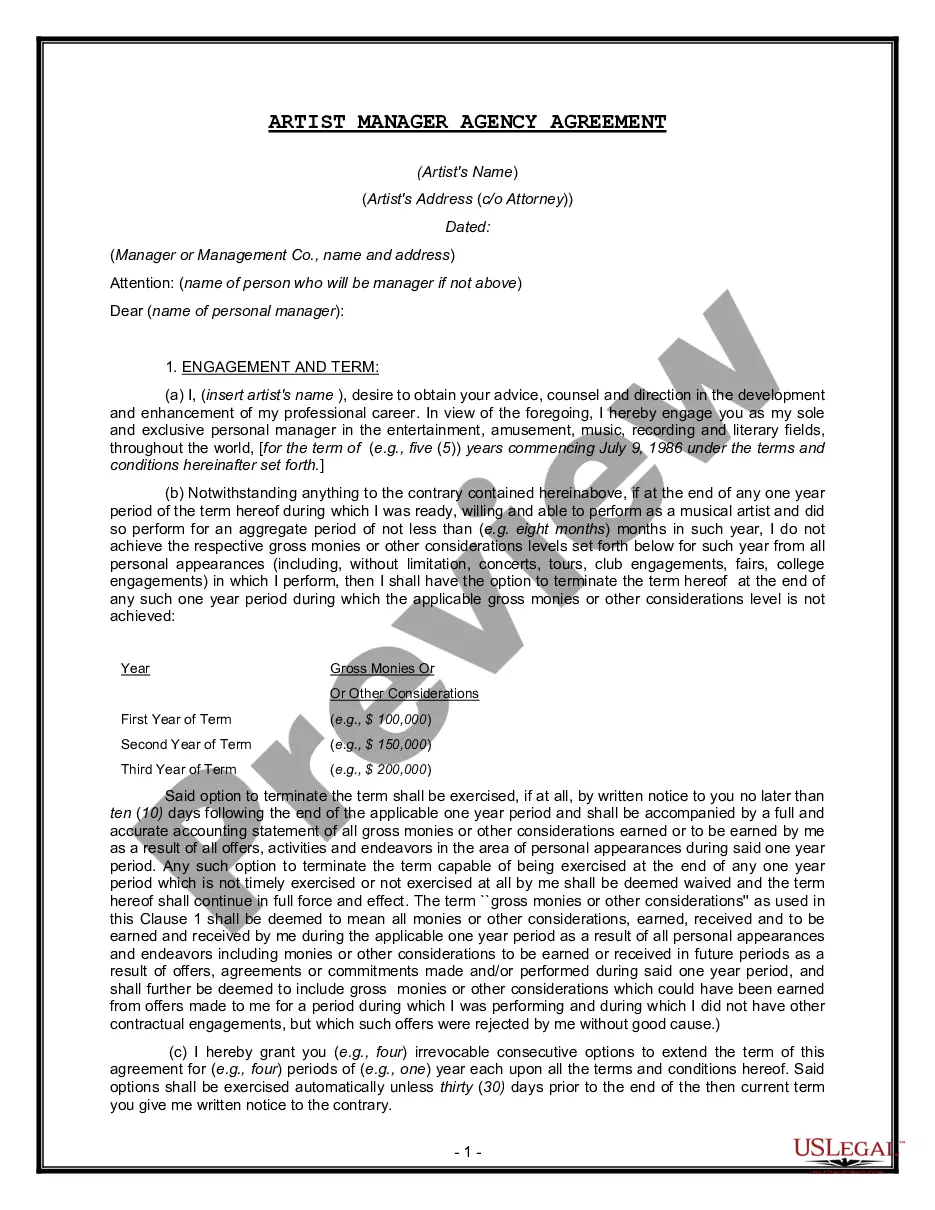
Get your form ready online
Our built-in tools help you complete, sign, share, and store your documents in one place.
Make edits, fill in missing information, and update formatting in US Legal Forms—just like you would in MS Word.
Download a copy, print it, send it by email, or mail it via USPS—whatever works best for your next step.
Sign and collect signatures with our SignNow integration. Send to multiple recipients, set reminders, and more. Go Premium to unlock E-Sign.
If this form requires notarization, complete it online through a secure video call—no need to meet a notary in person or wait for an appointment.
We protect your documents and personal data by following strict security and privacy standards.

Make edits, fill in missing information, and update formatting in US Legal Forms—just like you would in MS Word.

Download a copy, print it, send it by email, or mail it via USPS—whatever works best for your next step.

Sign and collect signatures with our SignNow integration. Send to multiple recipients, set reminders, and more. Go Premium to unlock E-Sign.

If this form requires notarization, complete it online through a secure video call—no need to meet a notary in person or wait for an appointment.

We protect your documents and personal data by following strict security and privacy standards.
Looking for another form?





Form popularity
FAQ
As a general rule, managers take a percentage of all income generated by the artist in exchange for their management services. Commission rates typically range from 15-25% of the artist's gross income from: Recording royalties: Sales, streaming and licensing of recorded music.
While HR usually provides the processes, workflows, and systems to enable talent management, it is ultimately managers who are responsible for nurturing, guiding, developing, and identifying talent.
The Head (Talent Management) establishes the overall talent management strategy and framework to identify the right talent and drive organisational success. He/She develops career development frameworks and programmes to provide fulfilling career opportunities for employees.
How do you build an internal talent pool? Review Business Strategy to understand priorities and hiring projections. Define key competencies. Identify roles that are key to business growth. Evaluate & identify skill gaps. Curate Learning & Development programs.
Talent Management is a distinct function of Human Resource Management. HRM's objective is to hire the right people and manage them effectively through thoughtful policies and procedures. Talent Management focuses on ways to develop employees by mapping out career paths and training programs.
HR professionals are primarily responsible for leading talent management efforts. They must develop and implement talent management strategies that align with organizational goals, culture, and values.
A typical talent management framework may include the following areas: Talent strategy and planning. Talent acquisition. Employee performance management. Training and development. Succession planning and identifying. Total rewards.
