Talent Management Contract Format In Houston
Description

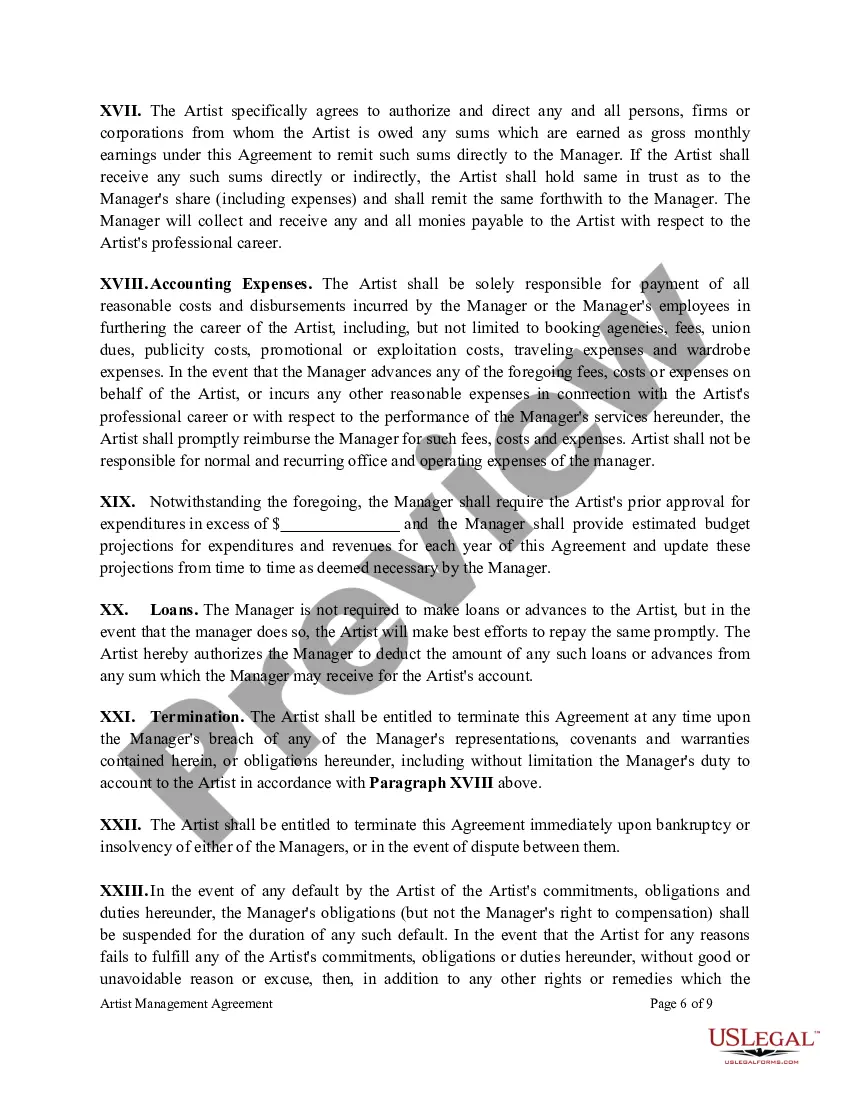
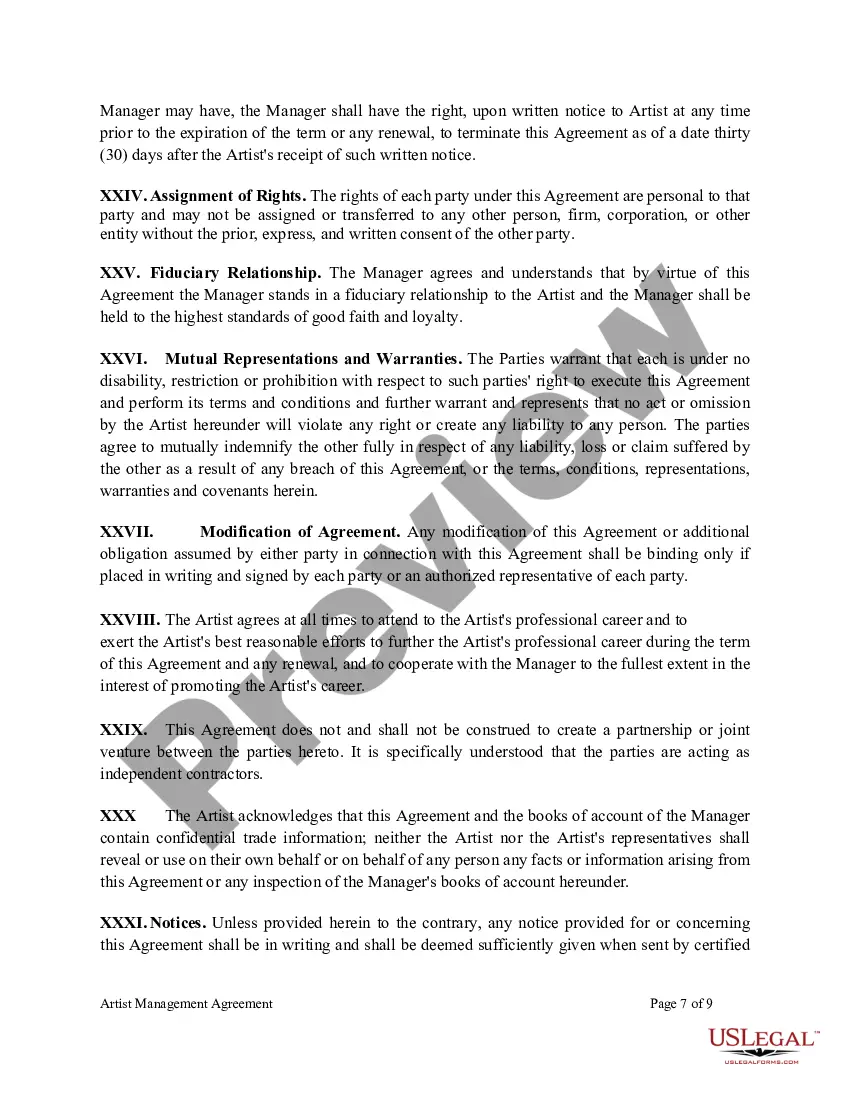
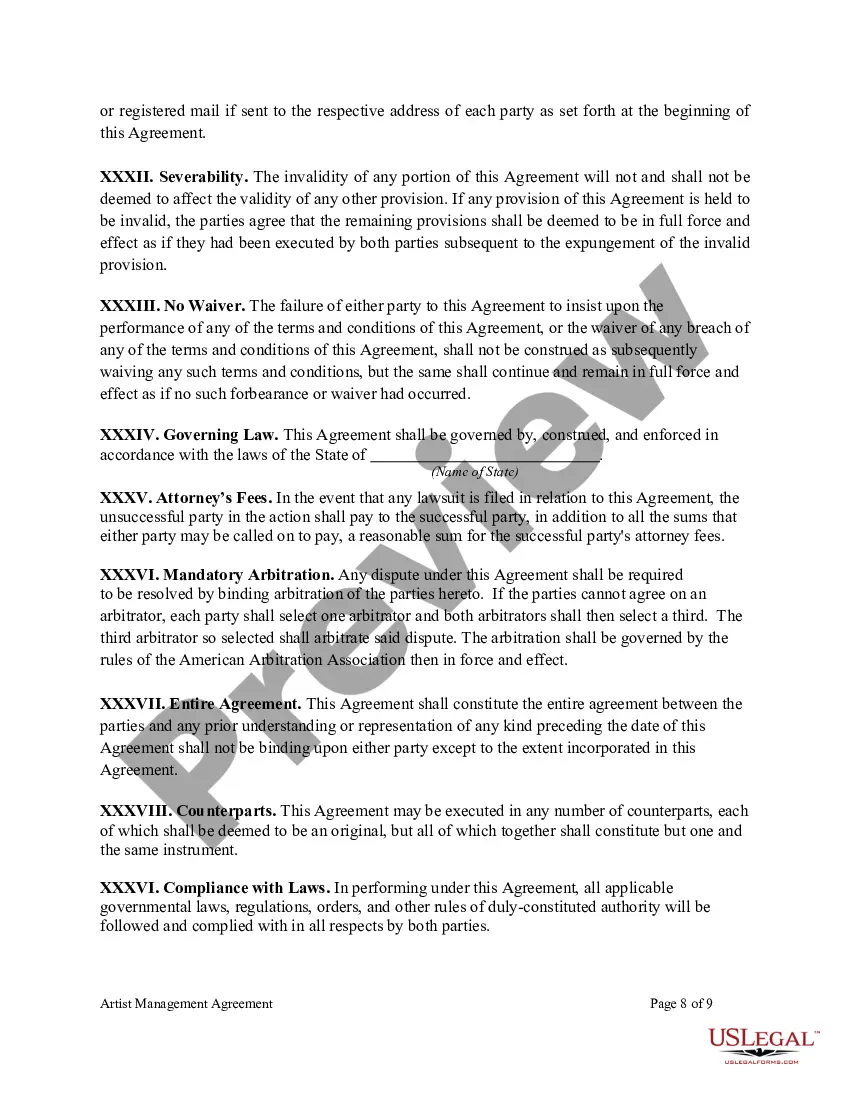

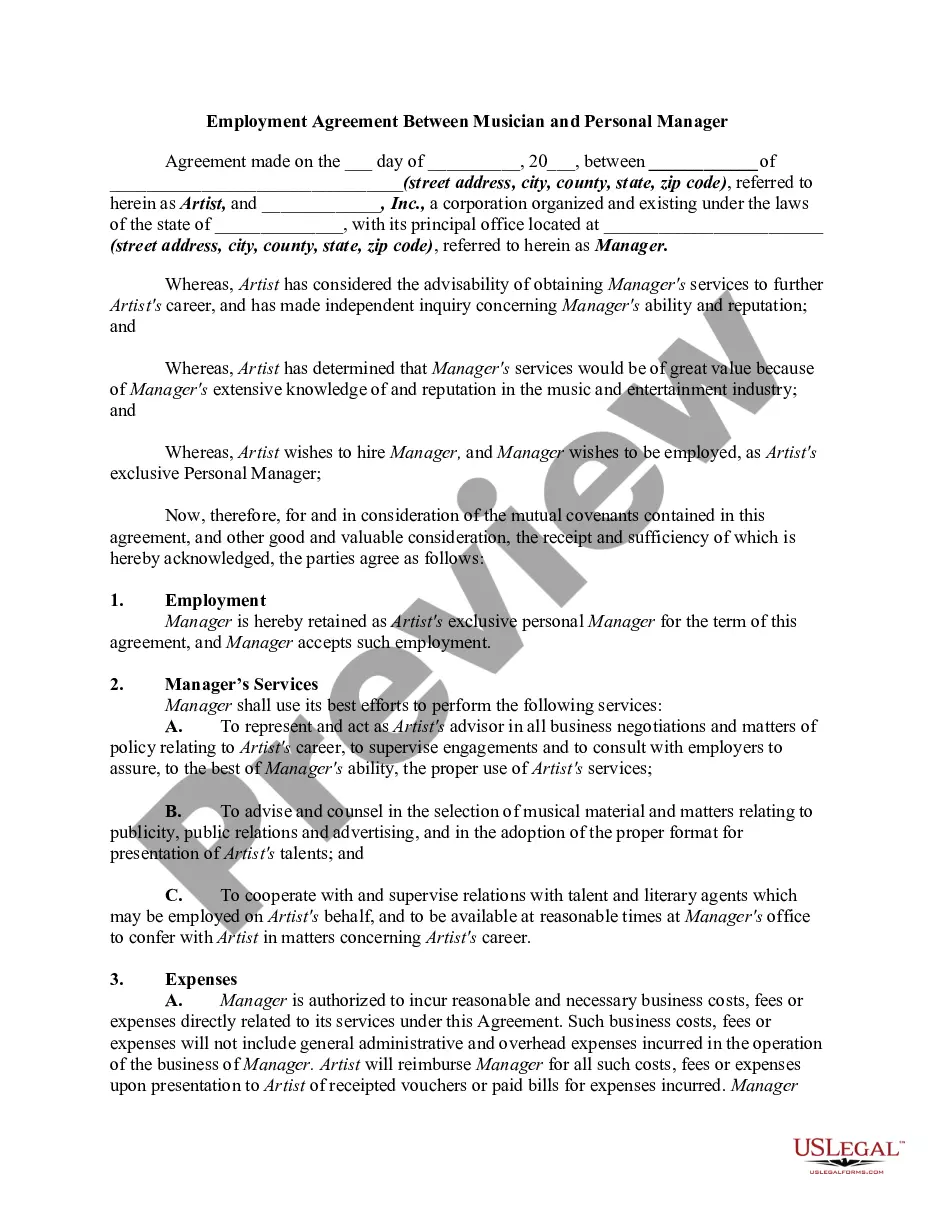
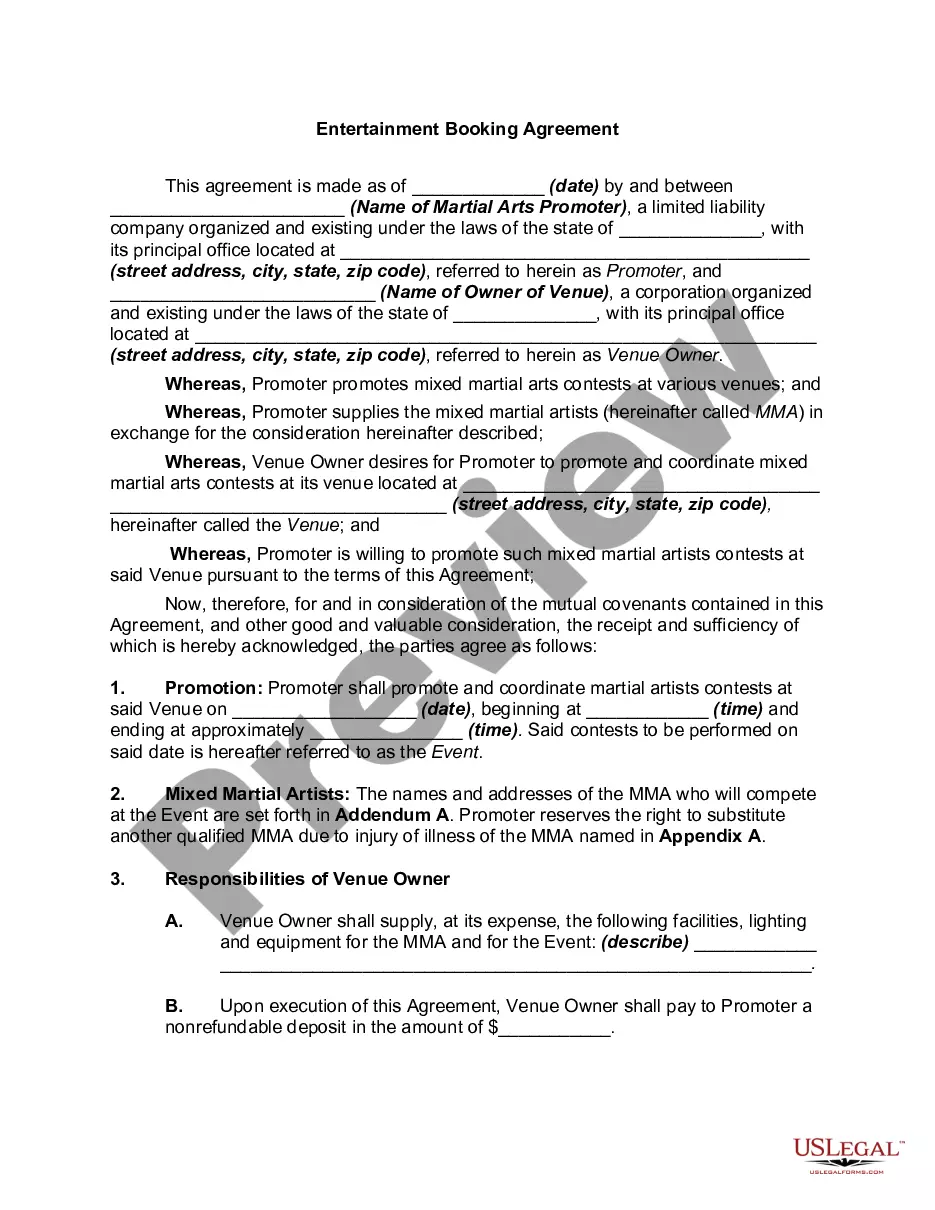
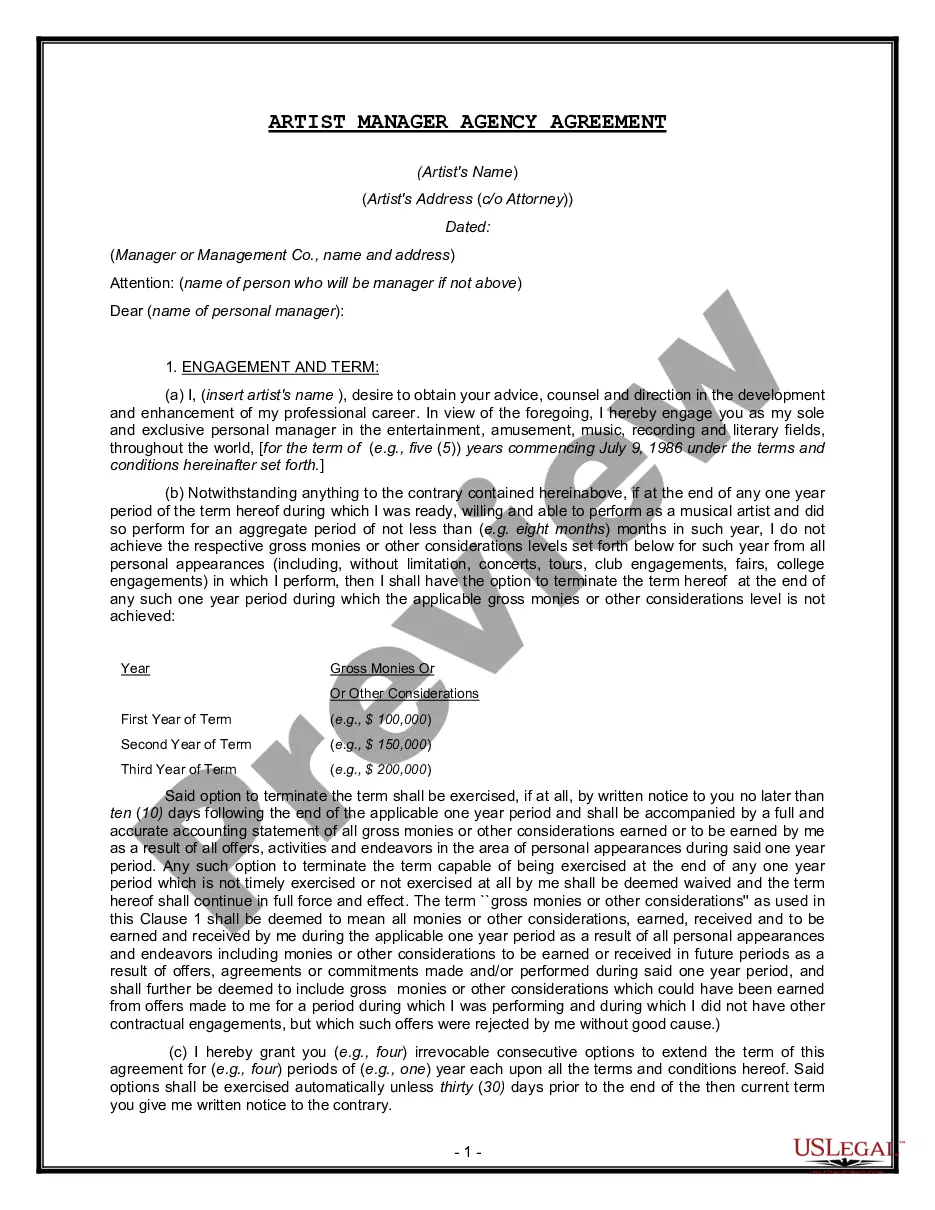
Get your form ready online
Our built-in tools help you complete, sign, share, and store your documents in one place.
Make edits, fill in missing information, and update formatting in US Legal Forms—just like you would in MS Word.
Download a copy, print it, send it by email, or mail it via USPS—whatever works best for your next step.
Sign and collect signatures with our SignNow integration. Send to multiple recipients, set reminders, and more. Go Premium to unlock E-Sign.
If this form requires notarization, complete it online through a secure video call—no need to meet a notary in person or wait for an appointment.
We protect your documents and personal data by following strict security and privacy standards.

Make edits, fill in missing information, and update formatting in US Legal Forms—just like you would in MS Word.

Download a copy, print it, send it by email, or mail it via USPS—whatever works best for your next step.

Sign and collect signatures with our SignNow integration. Send to multiple recipients, set reminders, and more. Go Premium to unlock E-Sign.

If this form requires notarization, complete it online through a secure video call—no need to meet a notary in person or wait for an appointment.

We protect your documents and personal data by following strict security and privacy standards.
Looking for another form?








Form popularity
FAQ
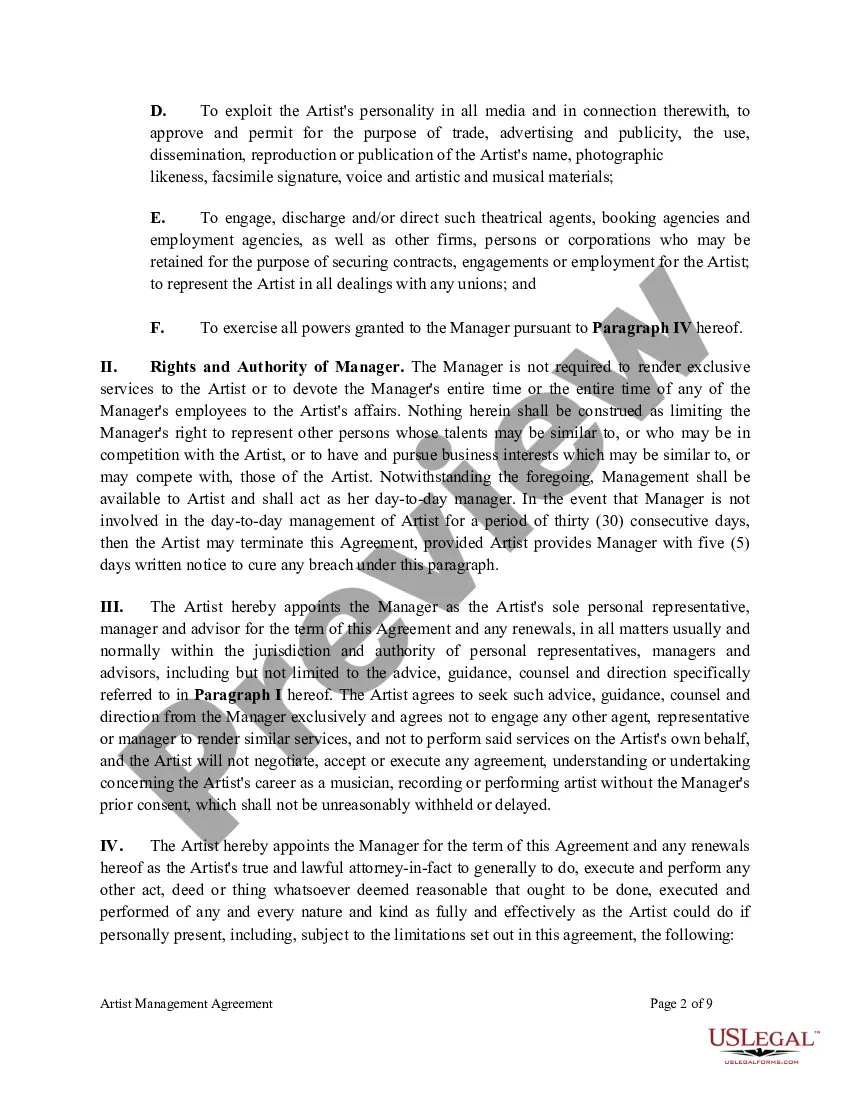
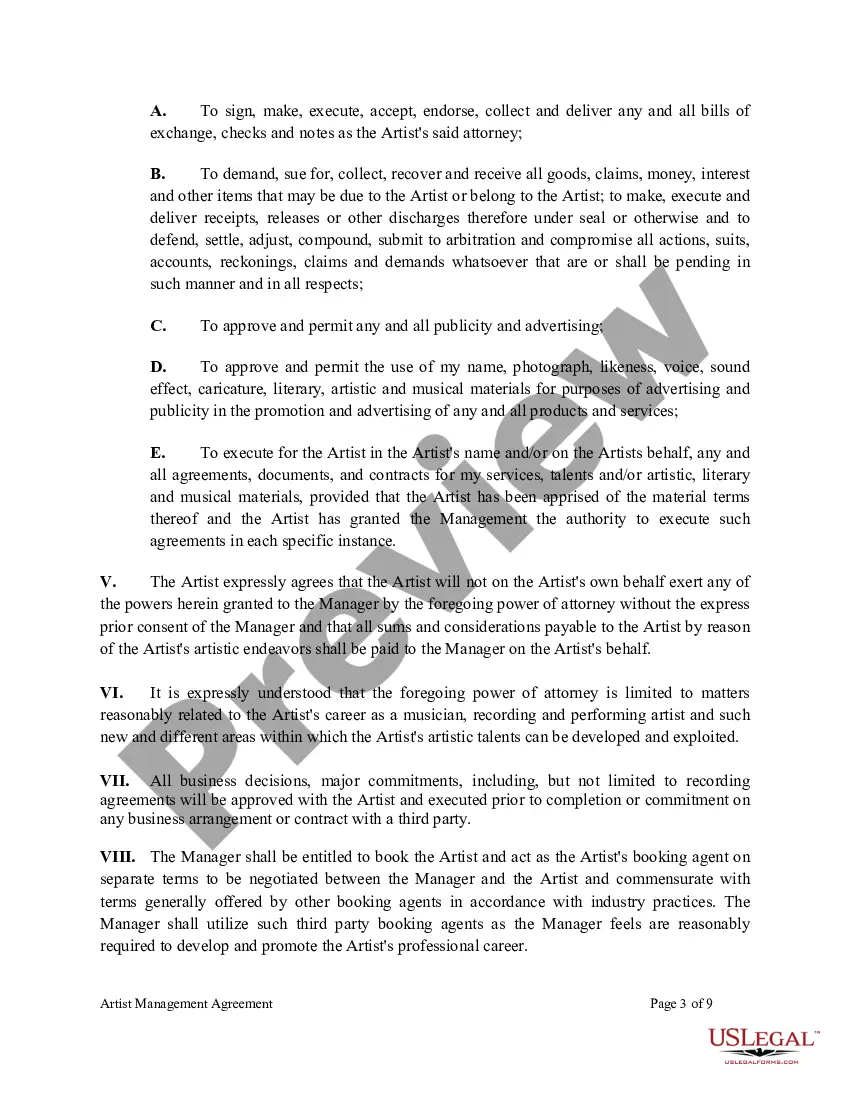
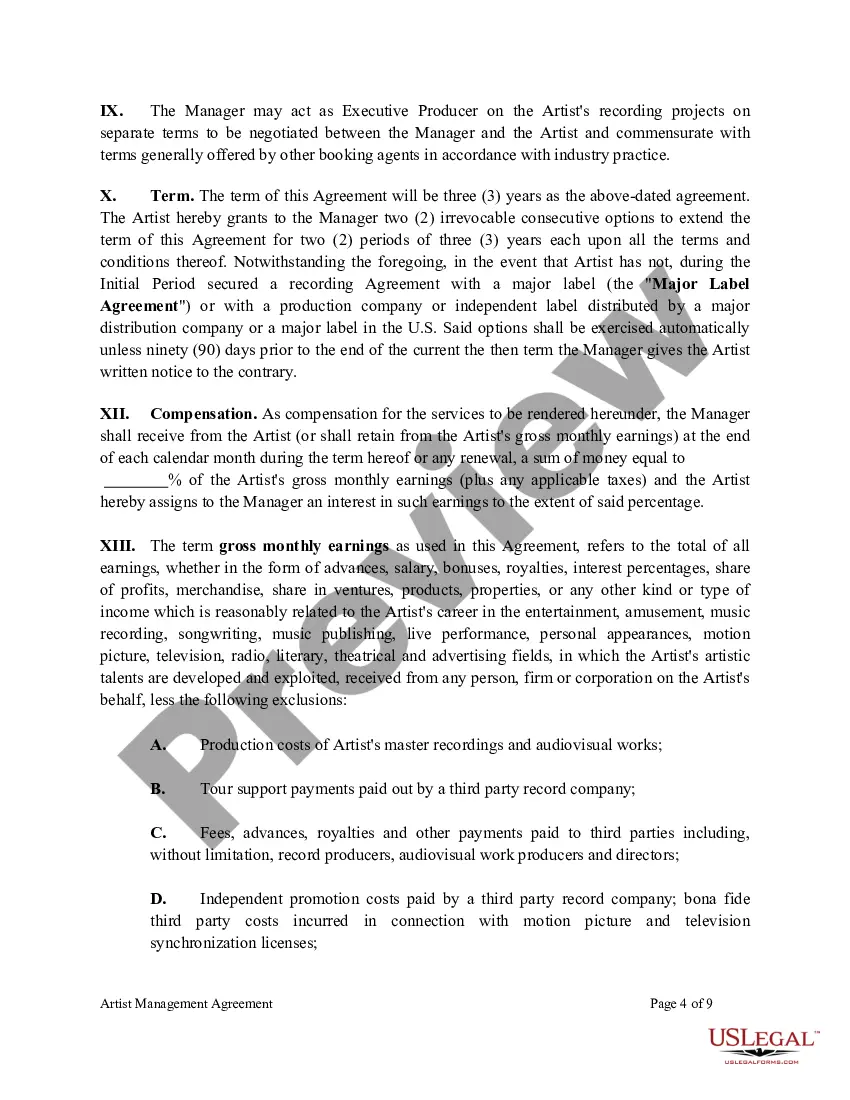
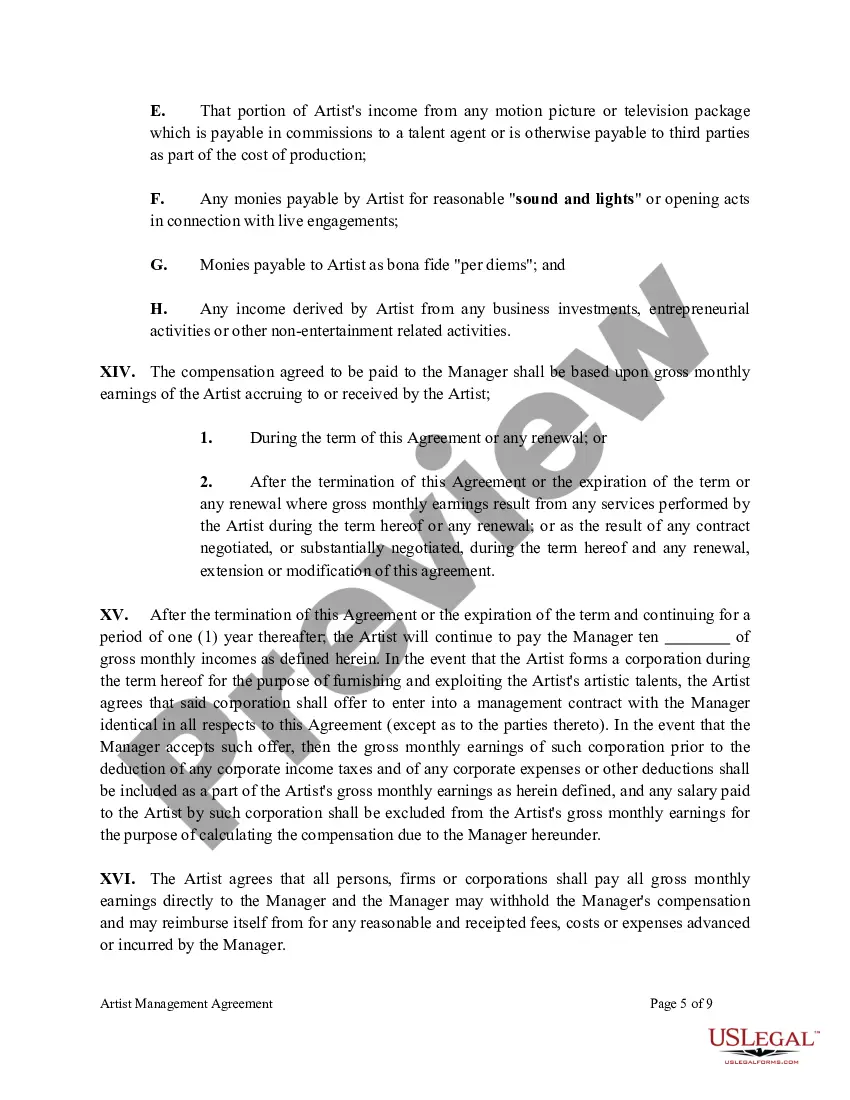
A talent agency contract is a legal agreement between a talent agency and a talent, such as an actor, musician, or model. This contract outlines the terms and conditions under which the talent agency will represent the talent and seek out opportunities for them to work in their industry.
As a general rule, managers take a percentage of all income generated by the artist in exchange for their management services. Commission rates typically range from 15-25% of the artist's gross income from: Recording royalties: Sales, streaming and licensing of recorded music.
Examples of contract management Vendor contracts: Contract management might involve negotiating the terms and conditions, keeping track of delivery dates, managing disputes, ensuring compliance with the agreed terms, and renegotiating or terminating the contract as necessary.
Management Contracts Involving Hotels The contract is between the hotel owner and the management company, which takes over operation management. Sometimes, the contract is for only one of the outlets of the hotel, whereas in other instances, the contract may be for the entire hotel chain.
Below is an example of a management contract: ABC Consulting agrees to provide management services to XYZ Corporation for the period of January 1, 2022, to December 31, 2022. ABC Consulting will be responsible for managing the sales department of XYZ Corporation, including its employees, processes, and systems.
Typically, the term of a Talent Agency Agreement will range anywhere between six months to three years. For Talent engaging their first Agency, it is advisable for Talent to try to negotiate a relatively short initial term (e.g., a one-year initial term).
Many talent managers begin their journey by obtaining an undergrad degree in relevant fields such as arts management, entertainment management, business, or communication. These programs provide a strong foundation in the principles of talent management and the entertainment industry.
How to become a talent manager Earn your degree. Many employers might require you to earn a high school diploma, while others may prefer a bachelor's degree. Gain experience in the entertainment industry. Network with industry professionals. Determine your niche. Join an organization for support.
4 Steps to Landing a Talent Manager Who Has Your Back Narrow down a list of potential talent managers based on your work. Follow submission guidelines. Send your materials. Prepare questions for prospective managers.
