Assets Asset Purchase For Credit In Salt Lake
Description
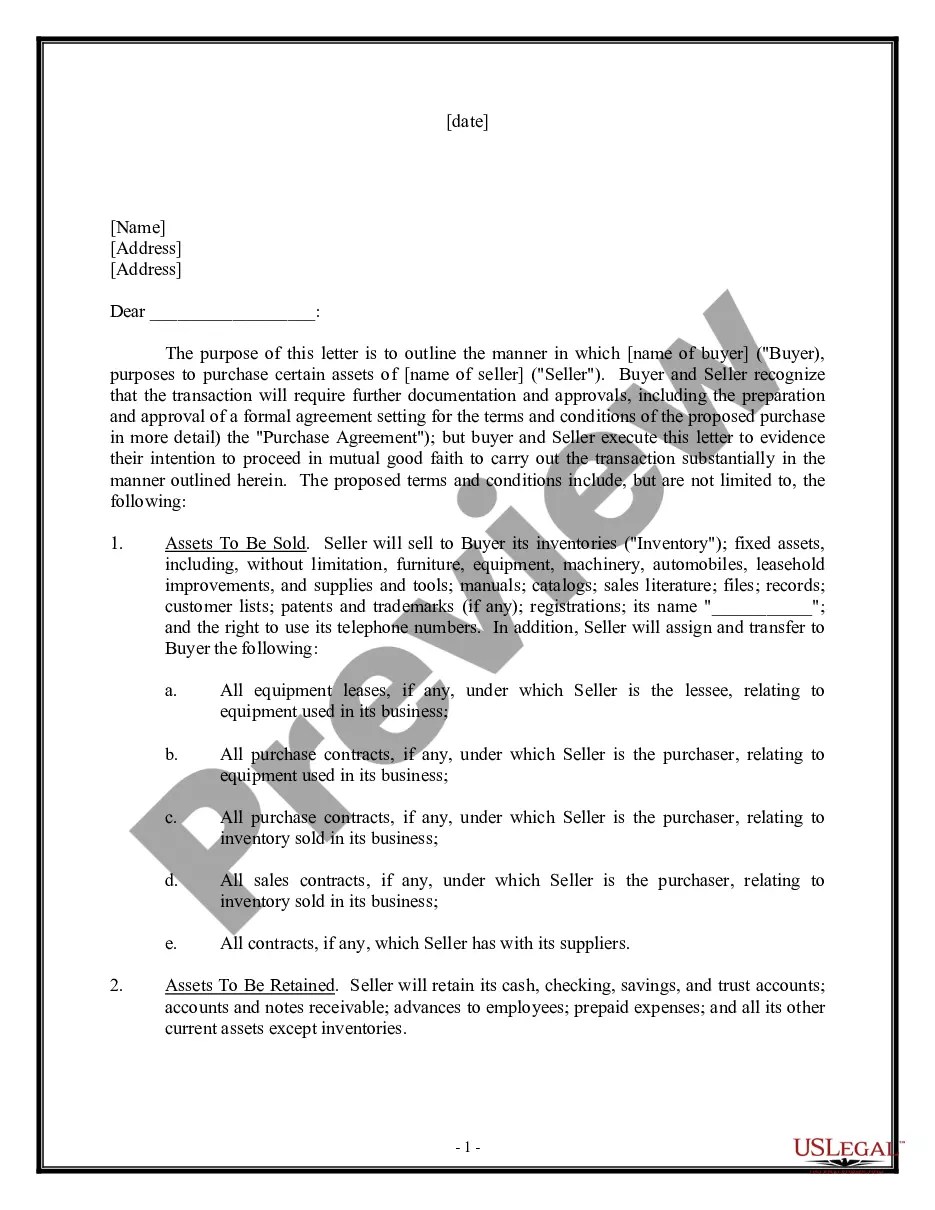
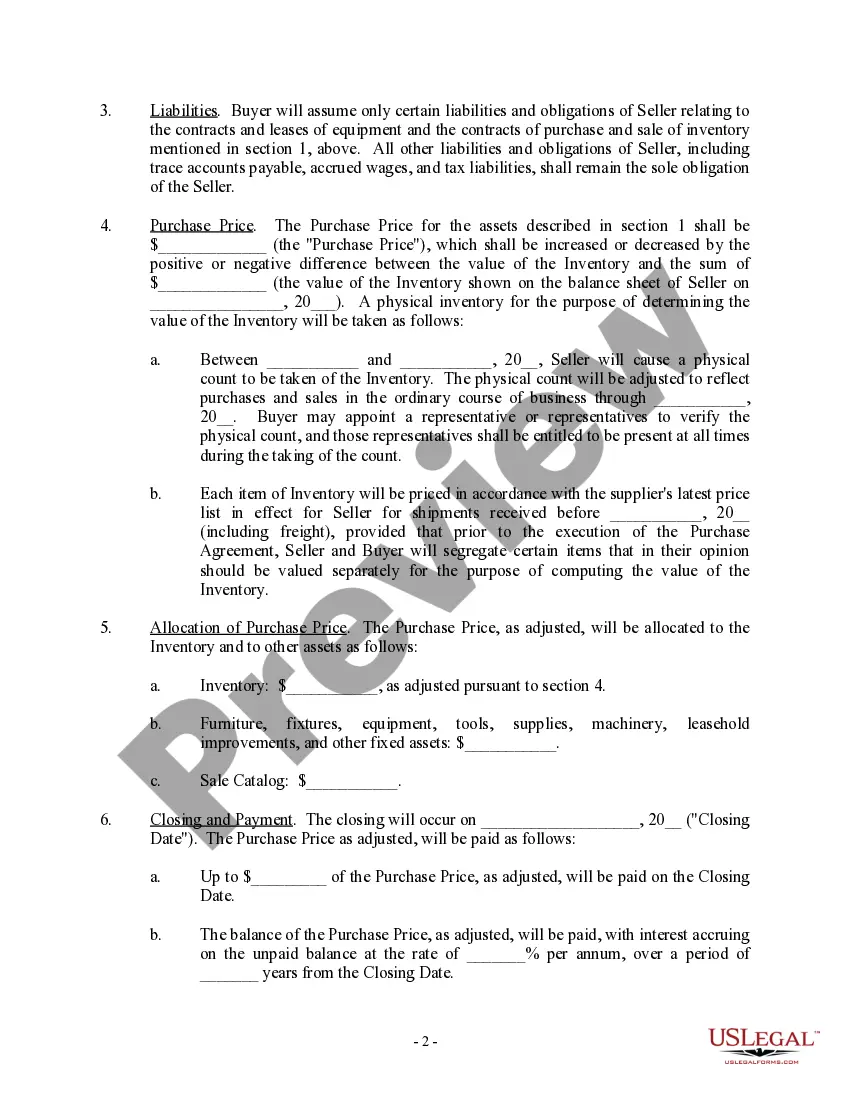
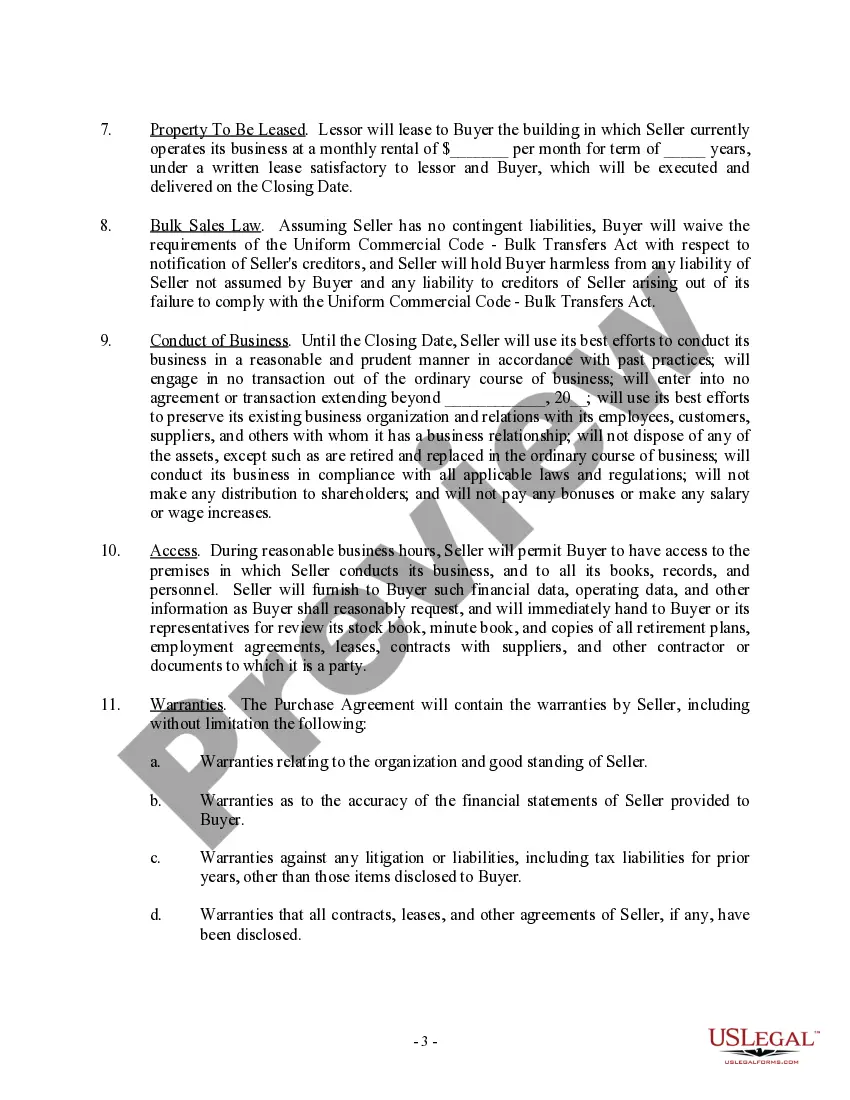
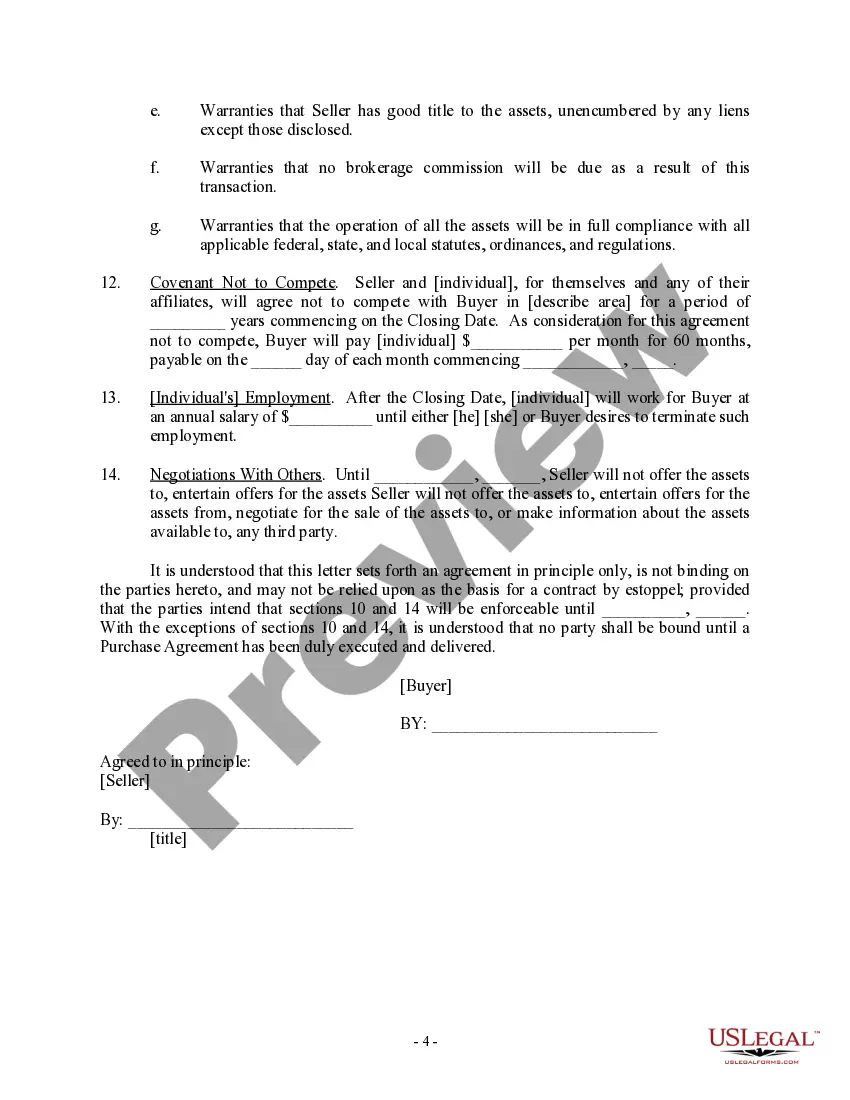
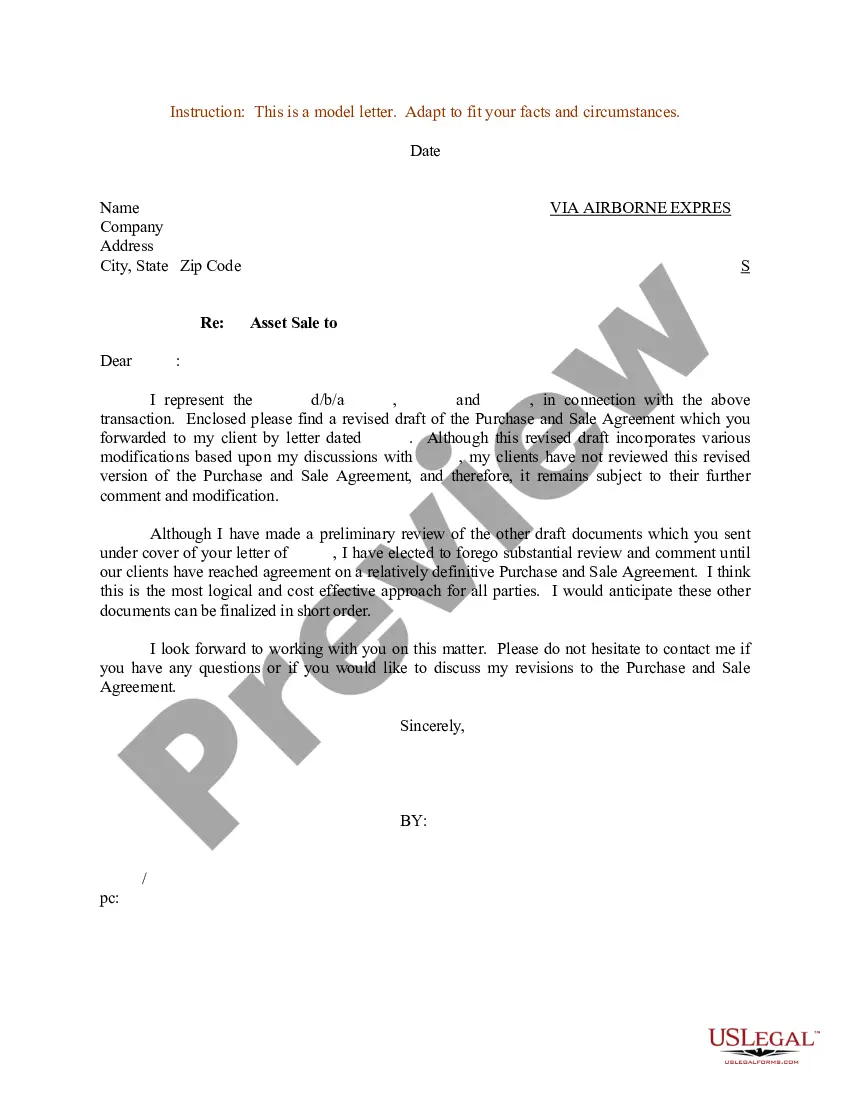
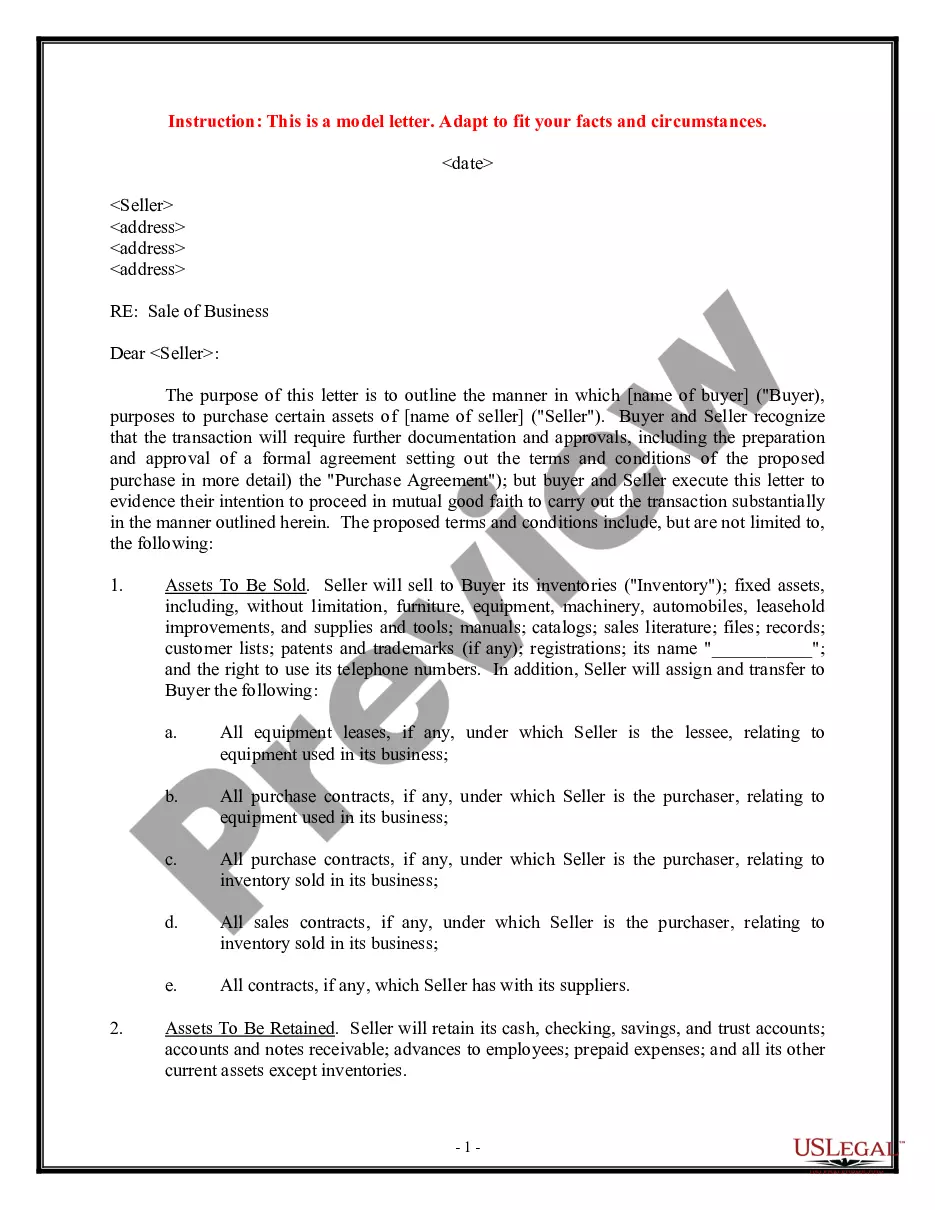
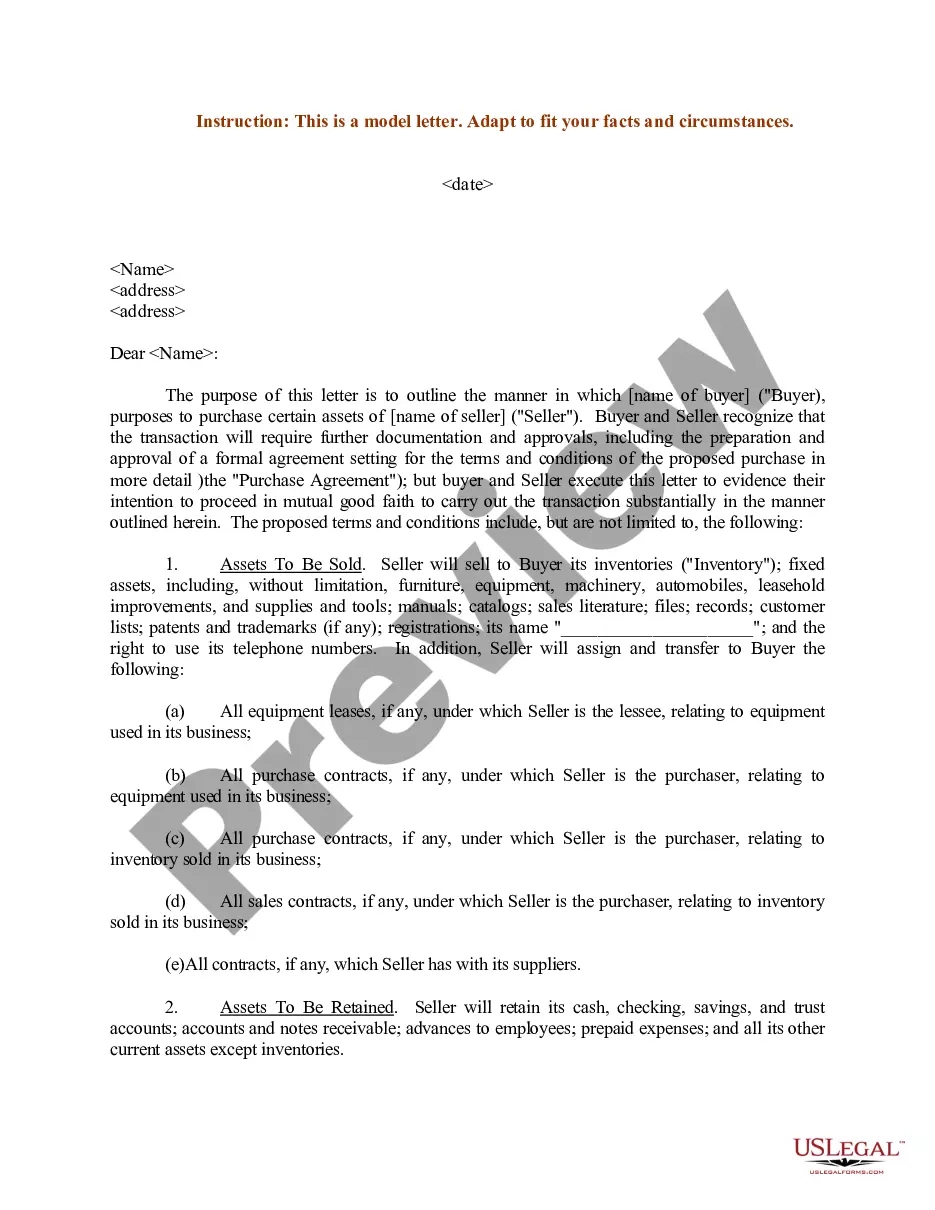
Get your form ready online
Our built-in tools help you complete, sign, share, and store your documents in one place.
Make edits, fill in missing information, and update formatting in US Legal Forms—just like you would in MS Word.
Download a copy, print it, send it by email, or mail it via USPS—whatever works best for your next step.
Sign and collect signatures with our SignNow integration. Send to multiple recipients, set reminders, and more. Go Premium to unlock E-Sign.
If this form requires notarization, complete it online through a secure video call—no need to meet a notary in person or wait for an appointment.
We protect your documents and personal data by following strict security and privacy standards.

Make edits, fill in missing information, and update formatting in US Legal Forms—just like you would in MS Word.

Download a copy, print it, send it by email, or mail it via USPS—whatever works best for your next step.

Sign and collect signatures with our SignNow integration. Send to multiple recipients, set reminders, and more. Go Premium to unlock E-Sign.

If this form requires notarization, complete it online through a secure video call—no need to meet a notary in person or wait for an appointment.

We protect your documents and personal data by following strict security and privacy standards.
Looking for another form?




Form popularity
FAQ
Application Asset is a self-contained, reusable code related to a particular application and tested independently from the project business logic. Creating Assets separates the application-related development from the rest of the project.
Here's how to journalize the transaction. Step 1: Identify the Disposed Asset – ... Step 2: Calculate the Carrying Value – ... Step 3: Record the Disposal Date – ... Step 4: Adjust Accumulated Depreciation – ... Step 5: Update Fixed Asset Account – ... Step 6: Calculate Gain/Loss on Disposal – ... Step 7: Record Gain/Loss –
A company's liabilities are obligations or debts to others, such as loans or accounts payable. A credit increases liabilities, while a debit decreases them. For example, when a company buys $10,000 worth of inventory on credit, it debits inventory and credits accounts payable (the liability).
A backup line is a line of credit (LOC) that protects investors in the event that a company defaults on its commercial paper: a type of unsecured, short-term debt instrument issued by corporations typically to finance payroll, accounts payable and inventories, and meet other short-term liabilities.
An Asset-Based Line of Credit from First National Bank is a credit line secured by your accounts receivable and your current inventory.
Assets equal liabilities plus shareholders' equity on a balance sheet or in a ledger using Pacioli's method of bookkeeping or double-entry accounting. An increase in the value of assets is a debit to the account and a decrease is a credit.
Securities-based lending—sometimes referred to as SBL—is the practice of making loans using securities as collateral. Securities-based lending is a way to access capital that can be used for almost any purpose, such as buying real estate, purchasing property like jewelry or a sports car, or investing in a business.
