Granting Plea For Religious Liberty In Montgomery
Description
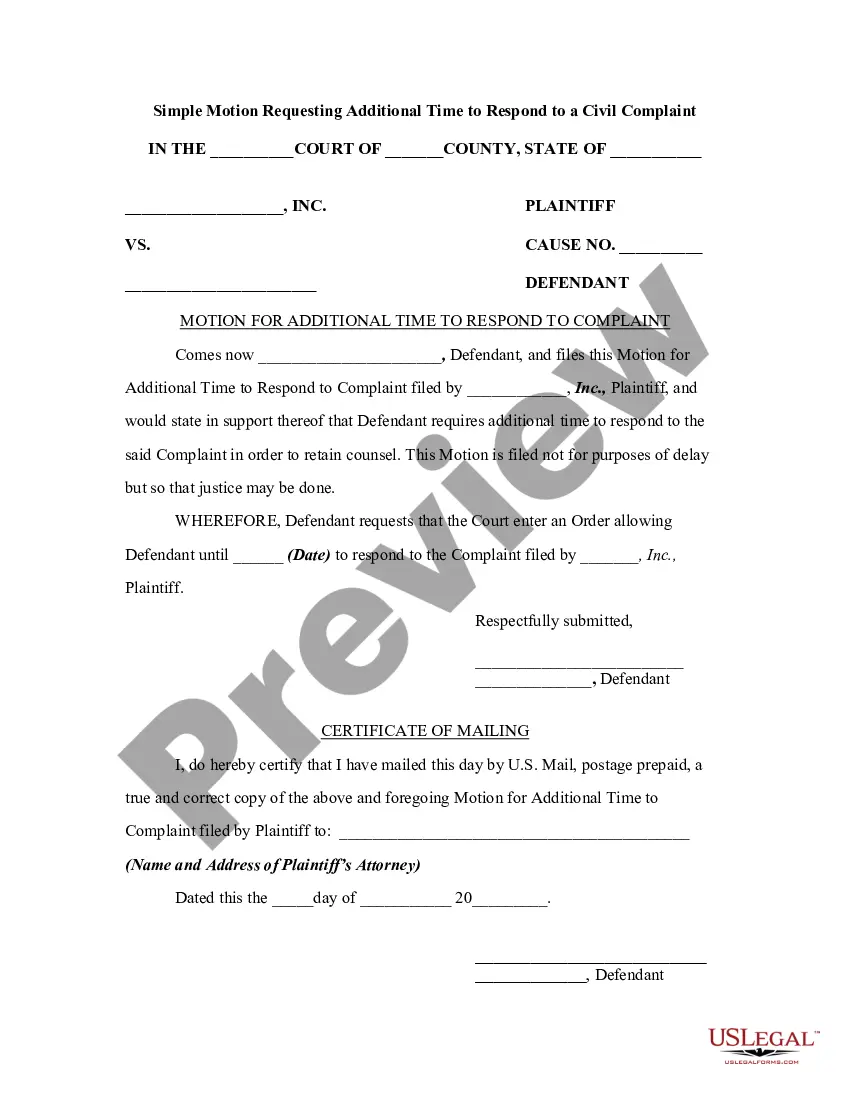
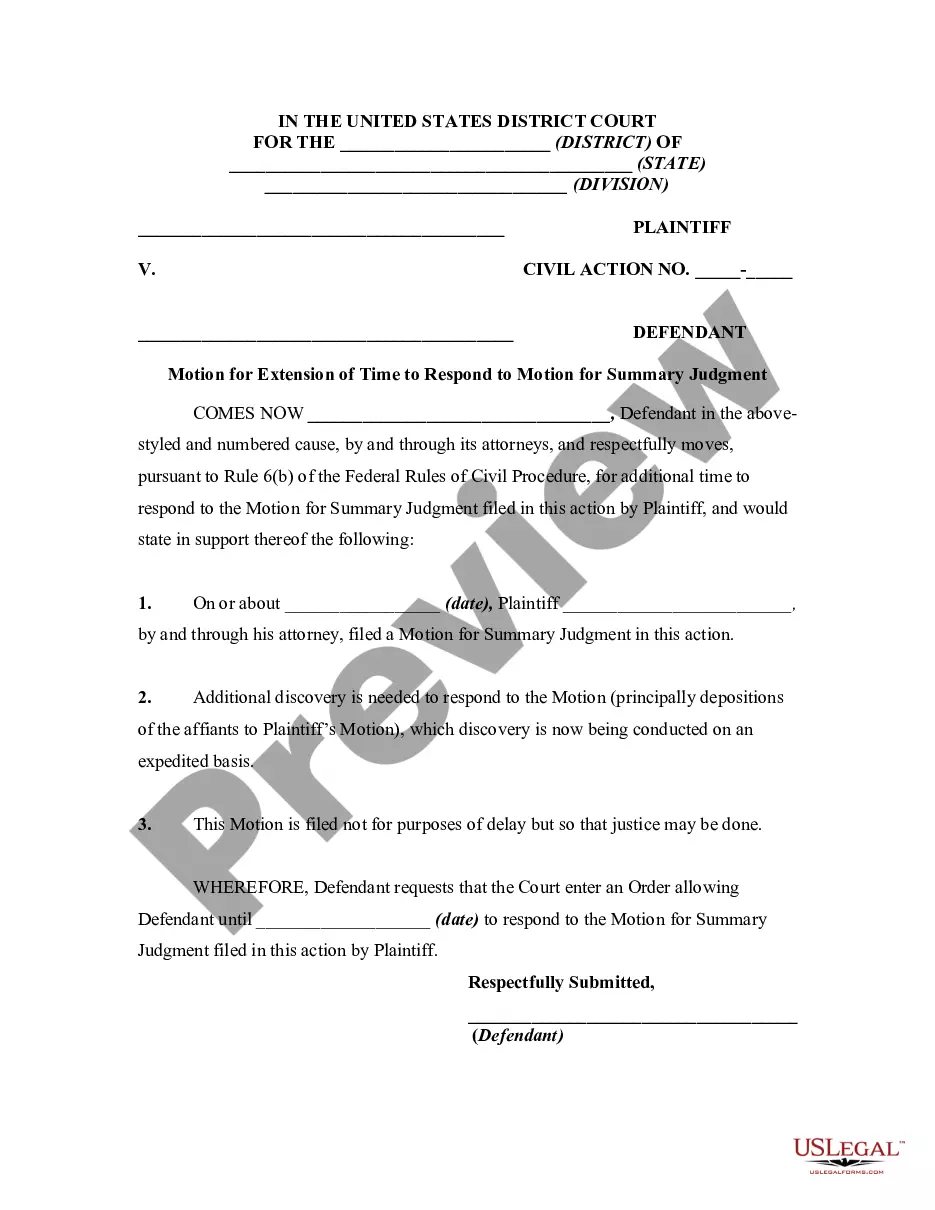
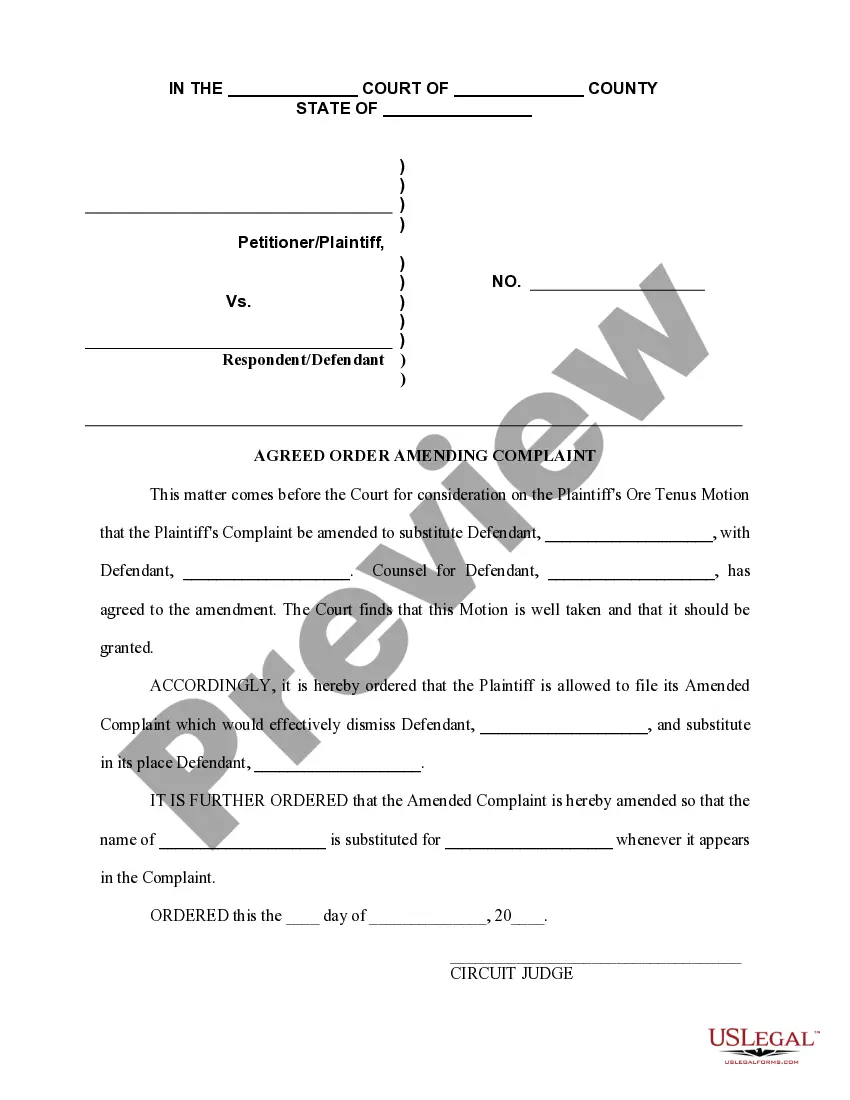
Get your form ready online
Our built-in tools help you complete, sign, share, and store your documents in one place.
Make edits, fill in missing information, and update formatting in US Legal Forms—just like you would in MS Word.
Download a copy, print it, send it by email, or mail it via USPS—whatever works best for your next step.
Sign and collect signatures with our SignNow integration. Send to multiple recipients, set reminders, and more. Go Premium to unlock E-Sign.
If this form requires notarization, complete it online through a secure video call—no need to meet a notary in person or wait for an appointment.
We protect your documents and personal data by following strict security and privacy standards.

Make edits, fill in missing information, and update formatting in US Legal Forms—just like you would in MS Word.

Download a copy, print it, send it by email, or mail it via USPS—whatever works best for your next step.

Sign and collect signatures with our SignNow integration. Send to multiple recipients, set reminders, and more. Go Premium to unlock E-Sign.

If this form requires notarization, complete it online through a secure video call—no need to meet a notary in person or wait for an appointment.

We protect your documents and personal data by following strict security and privacy standards.
Looking for another form?









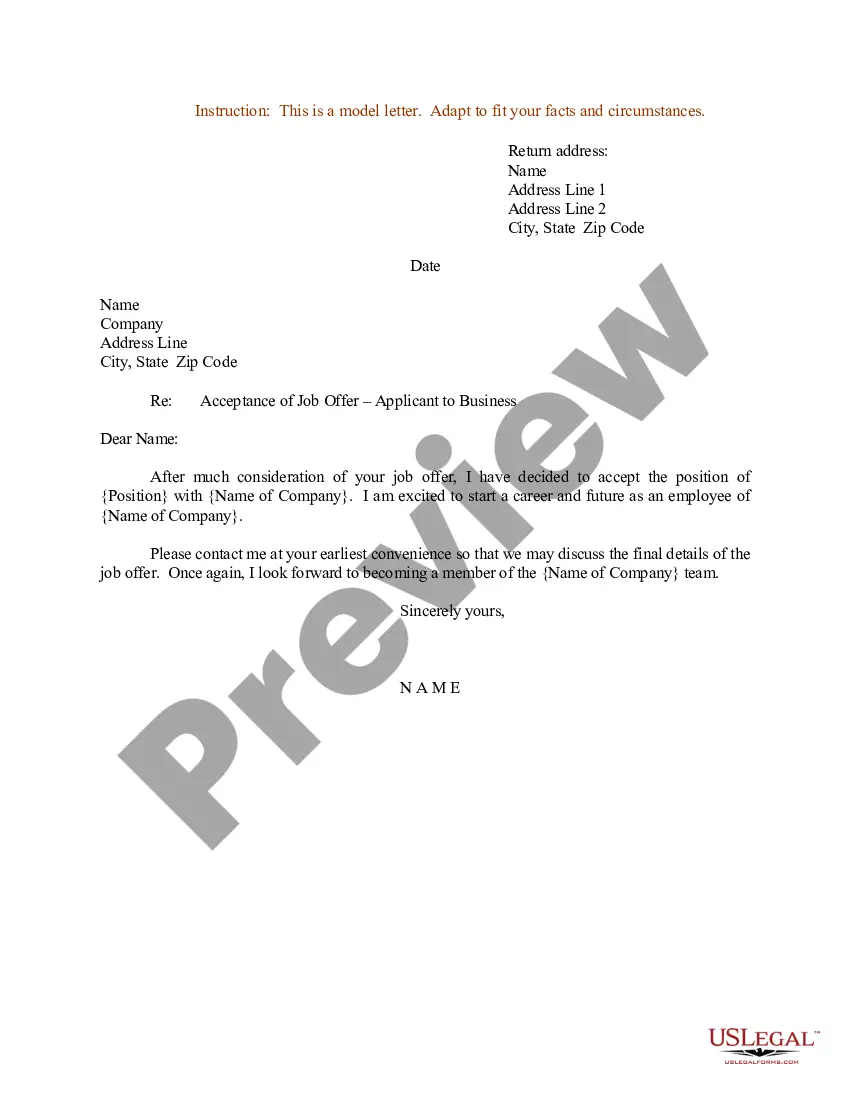
Form popularity
FAQ
When people of faith do good, they increase their ability to convince others that religious freedom should be respected and protected. Get involved in education. Be part of a club, business group, or professional association. Extend the reach of your faith. Make it a family matter and a matter of prayer.
Freedom of Religion, and The 1st and 14th Amendment It also means that the government will not interfere with a person's beliefs. The 14th amendment simply extends that protection out to state governments, holding them to the same standards as the federal government.
It encompasses the right of all Americans to exercise their religion freely, without being coerced to join an established church or to satisfy a religious test as a qualification for public office.
States can only limit manifestations of one's religion or belief, but never can place limits on holding beliefs. Manifestations of FoRB that can be limited by states extend to (1) worship, (2) observance, (3) practice, and (4) teaching, which encompass a broad range of acts.
Well, that answer is no. The Supreme Court has said the federal government may limit religious freedom – but only when it has a “compelling interest” to do so in order to protect the common good and limit people's ability to harm others.
Protected by federal law. Religious liberty is enshrined in the text of our Constitution and in numerous federal statutes. It encompasses the right of all Americans to exercise their religion freely, without being coerced to join an established church or to satisfy a religious test as a qualification for public office.
Freedom of religion or belief is guaranteed by article 18 of the Universal Declaration of Human Rights, article 18 of the International Covenant on Civil and Political Rights and the Declaration on the Elimination of All Forms of Intolerance and of Discrimination Based on Religion or Belief.
What is the difference between civil liberties and civil rights? Civil liberties protect people from undue government interference or action. Civil rights, on the other hand, protect people from discrimination.
European Persecution. The religious persecution that drove settlers from Europe to the British North American colonies sprang from the conviction, held by Protestants and Catholics alike, that uniformity of religion must exist in any given society.
He returned to England in 1643 to settle a political dispute by obtaining a charter for Providence. By this time, troubles within Providence had shown Williams that it was difficult to govern explosive spirits, and he began to focus more on religious liberty than on pushing Massachusetts into separation from England.
