Donate Land For Conservation In Nassau
Description
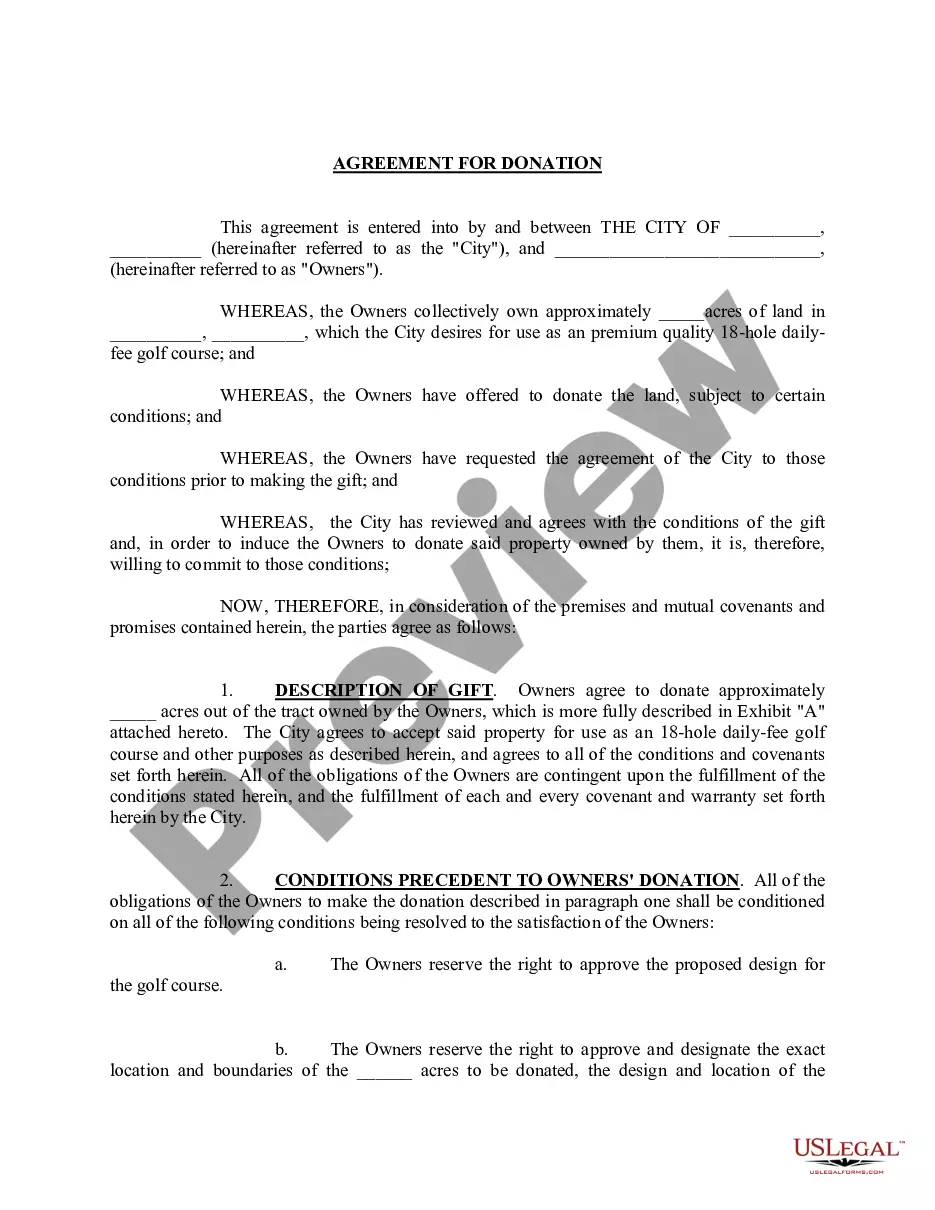
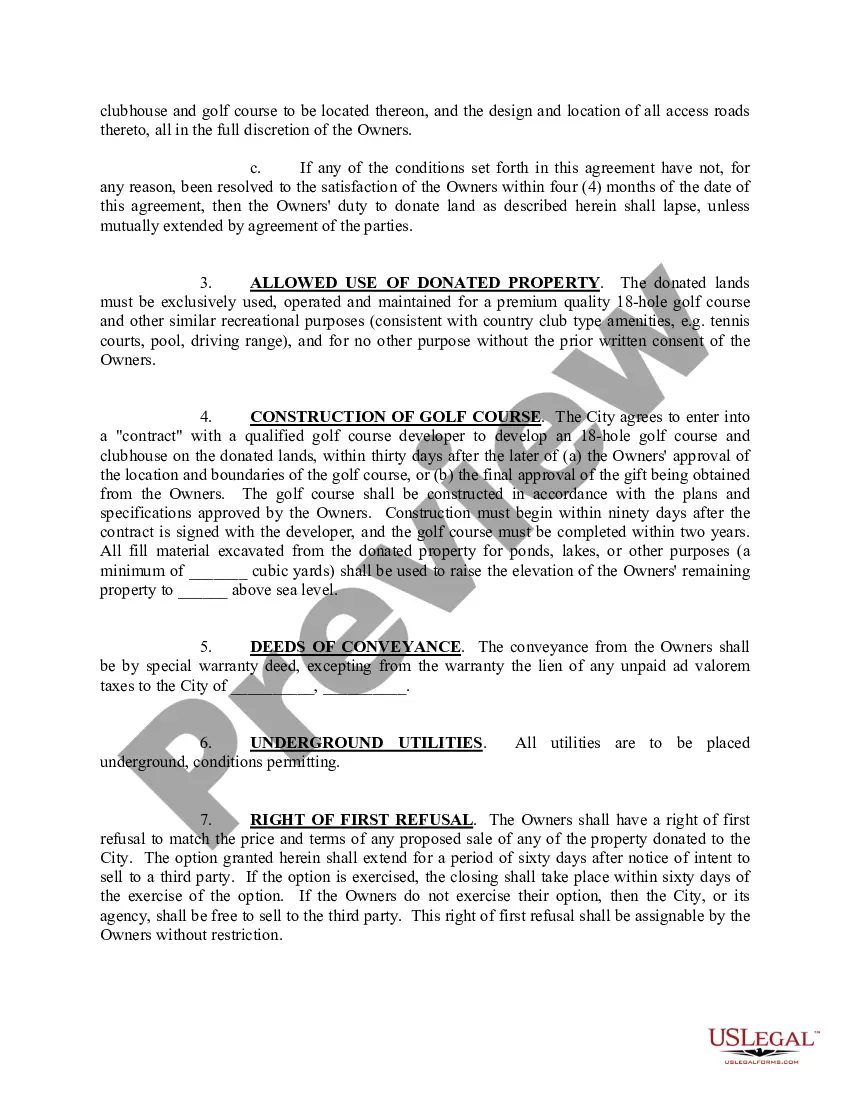
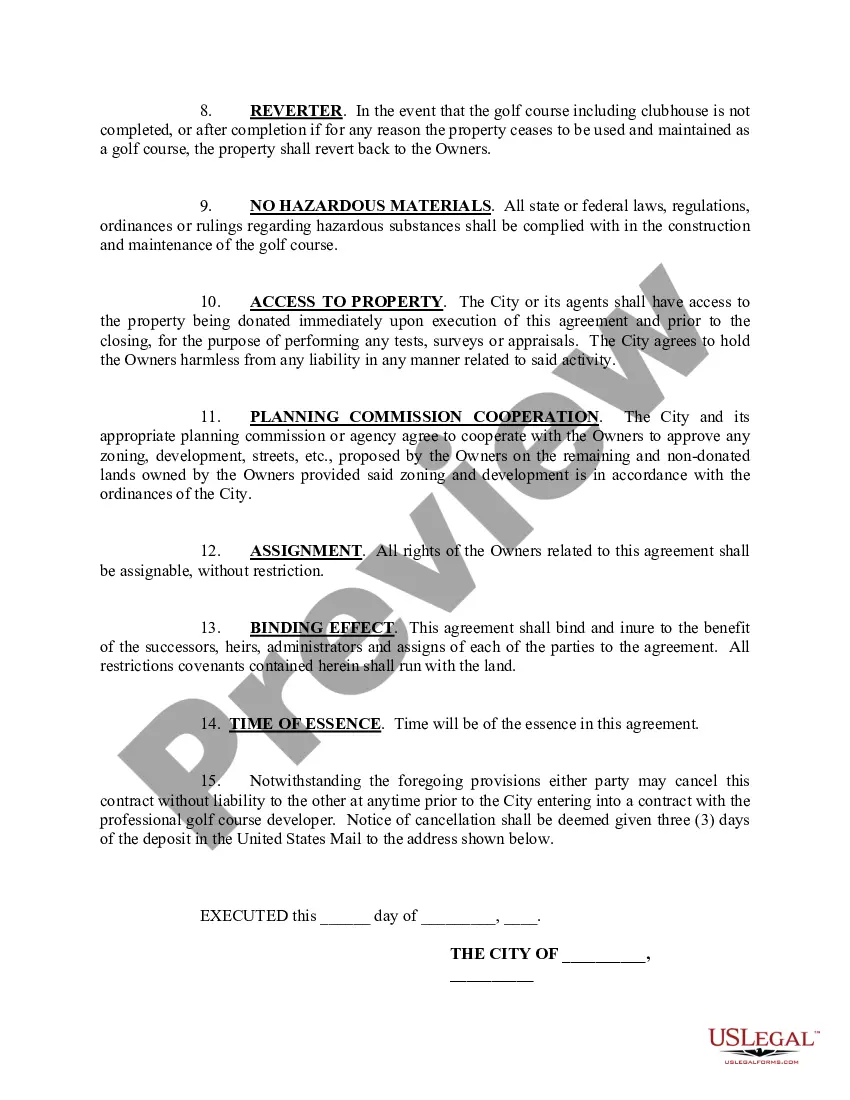
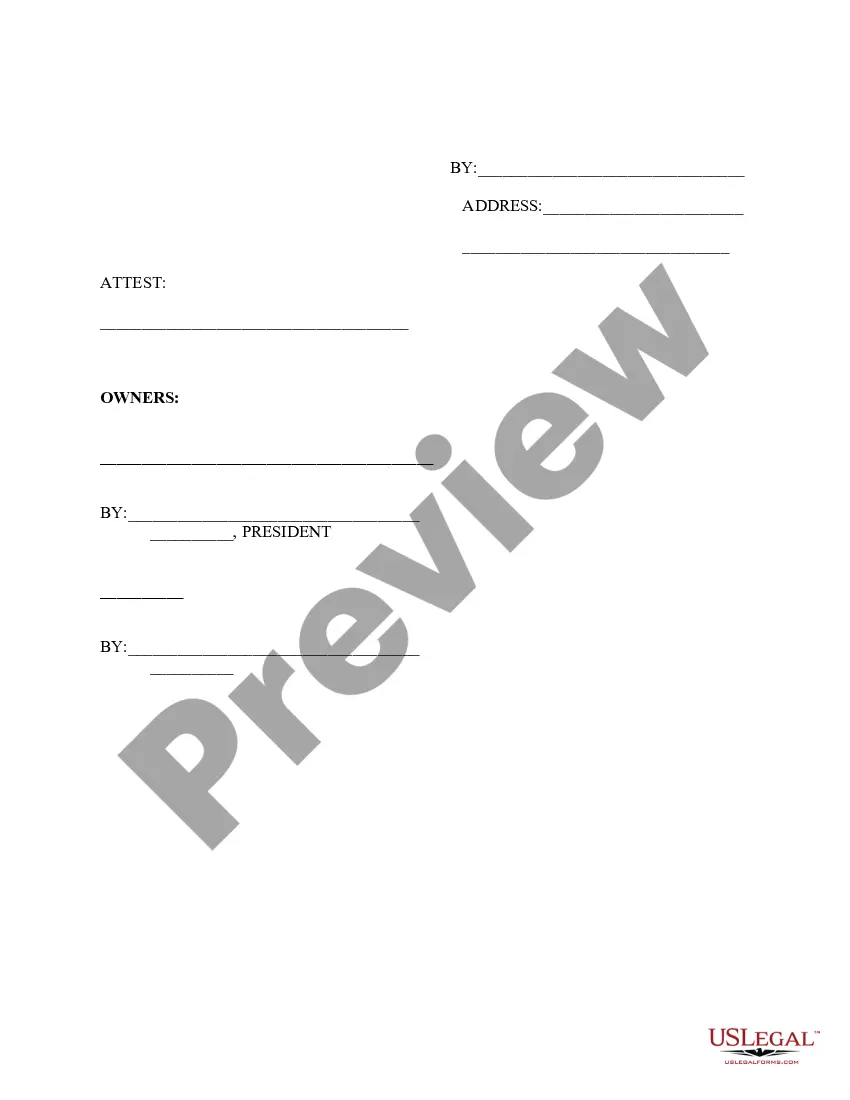
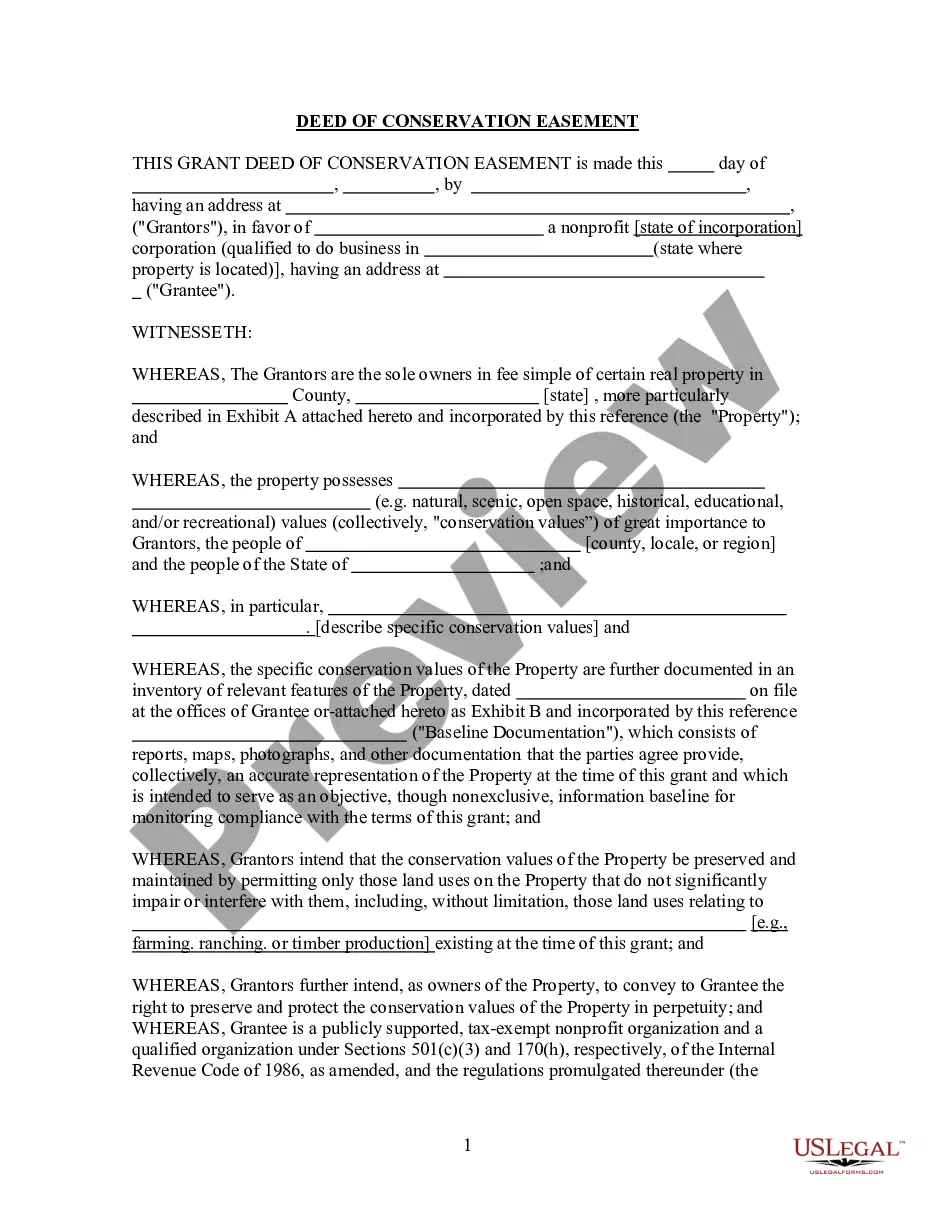
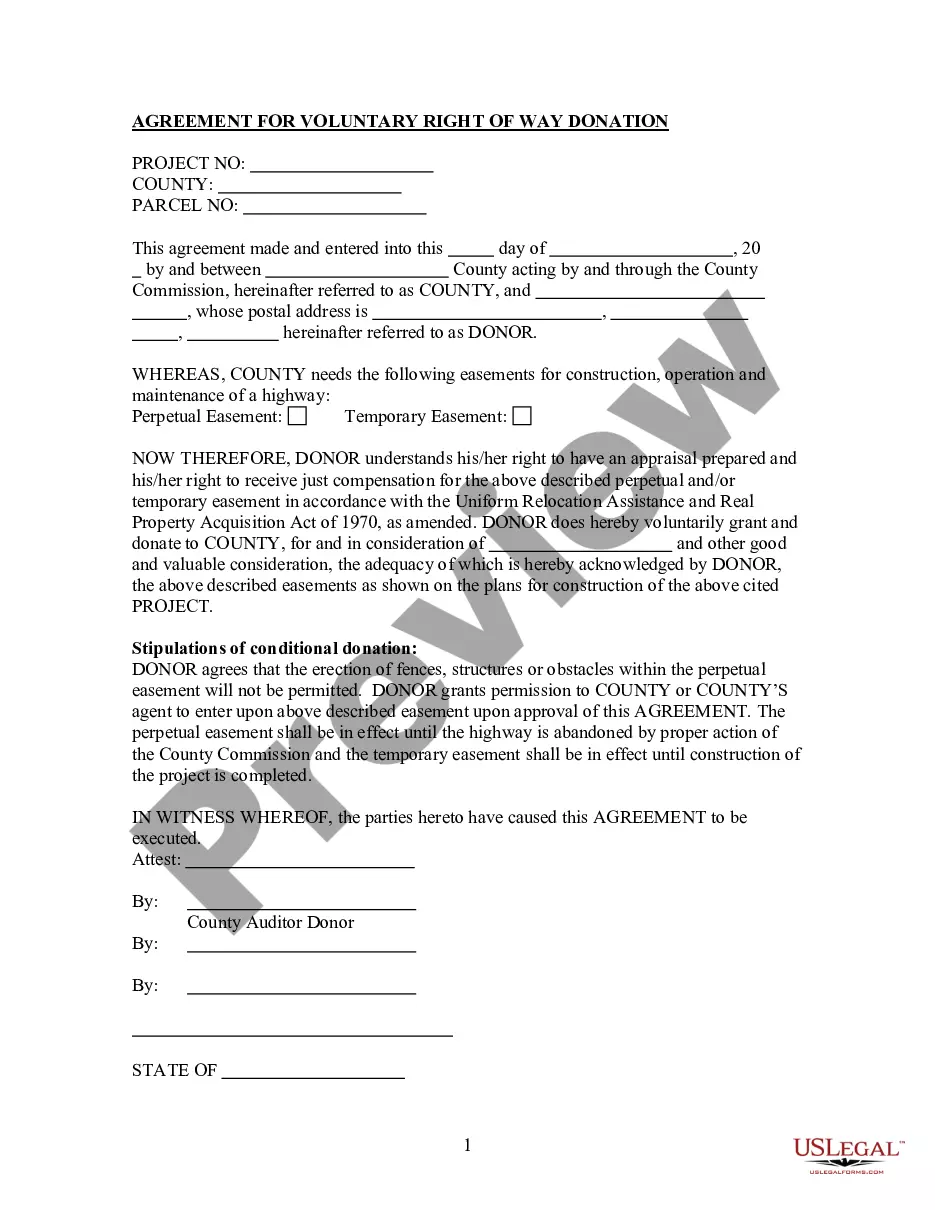
Get your form ready online
Our built-in tools help you complete, sign, share, and store your documents in one place.
Make edits, fill in missing information, and update formatting in US Legal Forms—just like you would in MS Word.
Download a copy, print it, send it by email, or mail it via USPS—whatever works best for your next step.
Sign and collect signatures with our SignNow integration. Send to multiple recipients, set reminders, and more. Go Premium to unlock E-Sign.
If this form requires notarization, complete it online through a secure video call—no need to meet a notary in person or wait for an appointment.
We protect your documents and personal data by following strict security and privacy standards.

Make edits, fill in missing information, and update formatting in US Legal Forms—just like you would in MS Word.

Download a copy, print it, send it by email, or mail it via USPS—whatever works best for your next step.

Sign and collect signatures with our SignNow integration. Send to multiple recipients, set reminders, and more. Go Premium to unlock E-Sign.

If this form requires notarization, complete it online through a secure video call—no need to meet a notary in person or wait for an appointment.

We protect your documents and personal data by following strict security and privacy standards.
Looking for another form?









Form popularity
FAQ
TNC has a long history of protecting lands, rivers, lakes and oceans through projects on the ground. We also collaborate with partner organizations in the field and with governments and other influencers to inform policy decisions and direct public funding to further our mission.
The Nature Conservancy defines a conservation easement as a voluntary, legally binding agreement that limits certain types of uses or prevents development from taking place on a piece of property now and in the future, while protecting the property's ecological or open-space values.
Most conservation easements are intended to be perpetual, and removal can only occur if the terms explicitly allow it or if there is a compelling public interest.
The conservation easement limits subdivision, development, and activities that would hinder the land's capacity to grow trees for industry. If agreeable to the landowner, it can also be used to ensure recreational access for the public.
Land conservation is the process of protecting natural land and returning developed land to its natural state.
Contact land trusts and government agencies that work to assist landowners in your community who are interested in conservation. Get to know their policies and services, and discuss what you'd like to accomplish on your land and what rights you'd like to keep.
Drawbacks Of Conservation Easements Most conservation easements are permanent and bind all future landowners (including heirs). Conservation easement holders and farmers may not always share a common vision. Conservation easements can reduce the property's overall value, making the land worth less for future sales.
TNC accepts two types of real estate gifts, both of which are critical to our work: land that donors would like permanently protected and land that donors permit us to sell, with the proceeds going to support our work. We are not able to protect all of the real estate that is offered to us.
Your Real Estate Can Be a Gift for Nature To learn more, complete the form on this page or contact our specialists at (833) 336-PLAN or legacy@tnc. You can also visit our website.
