Donate Land For Conservation In Alameda
Description
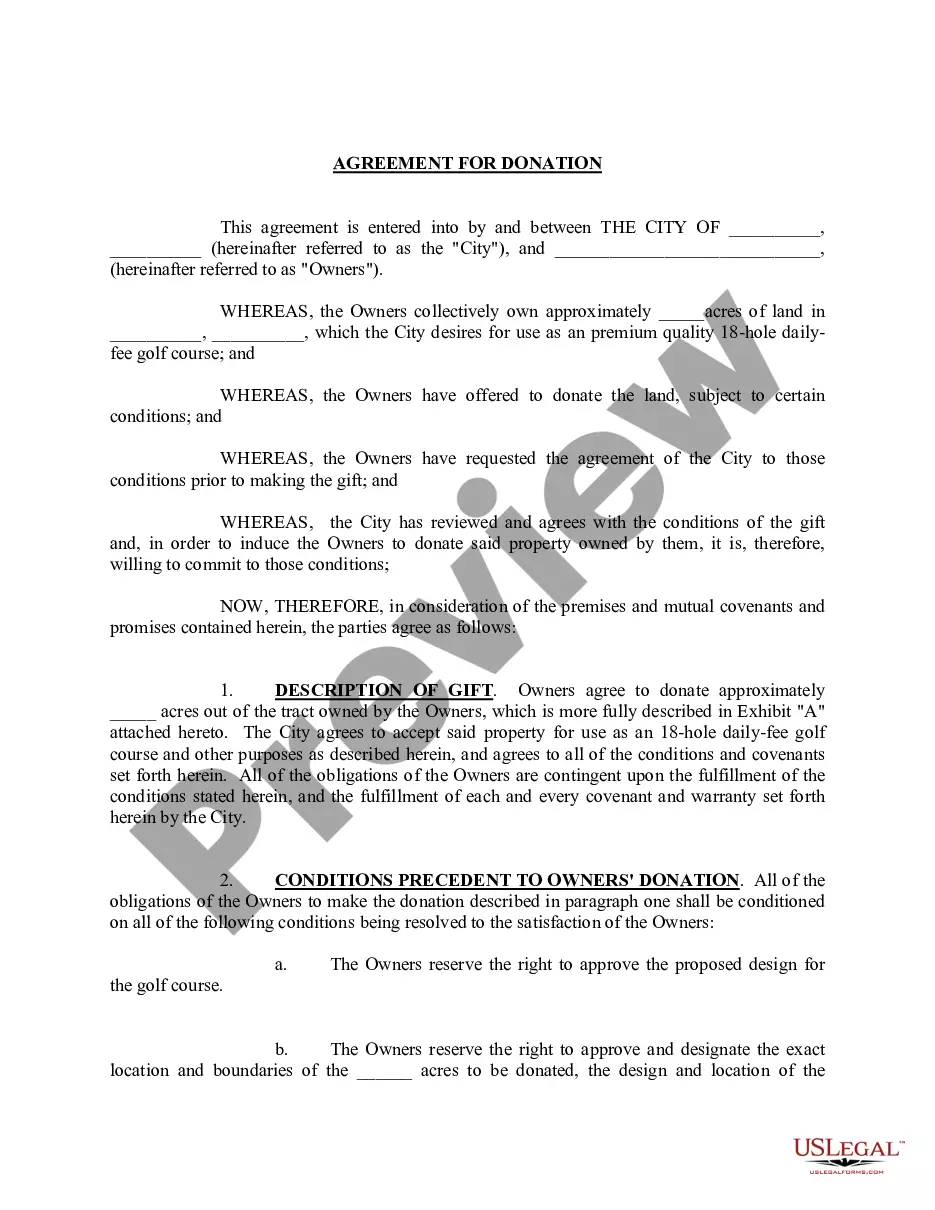
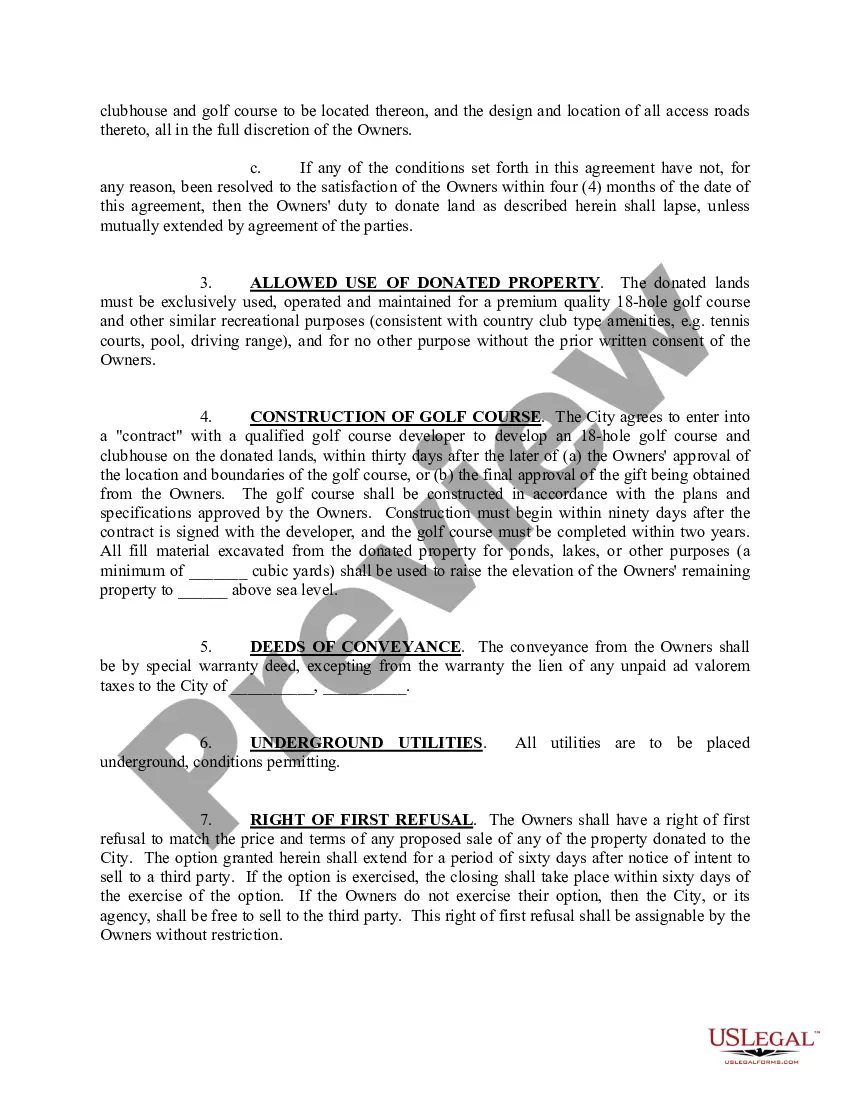
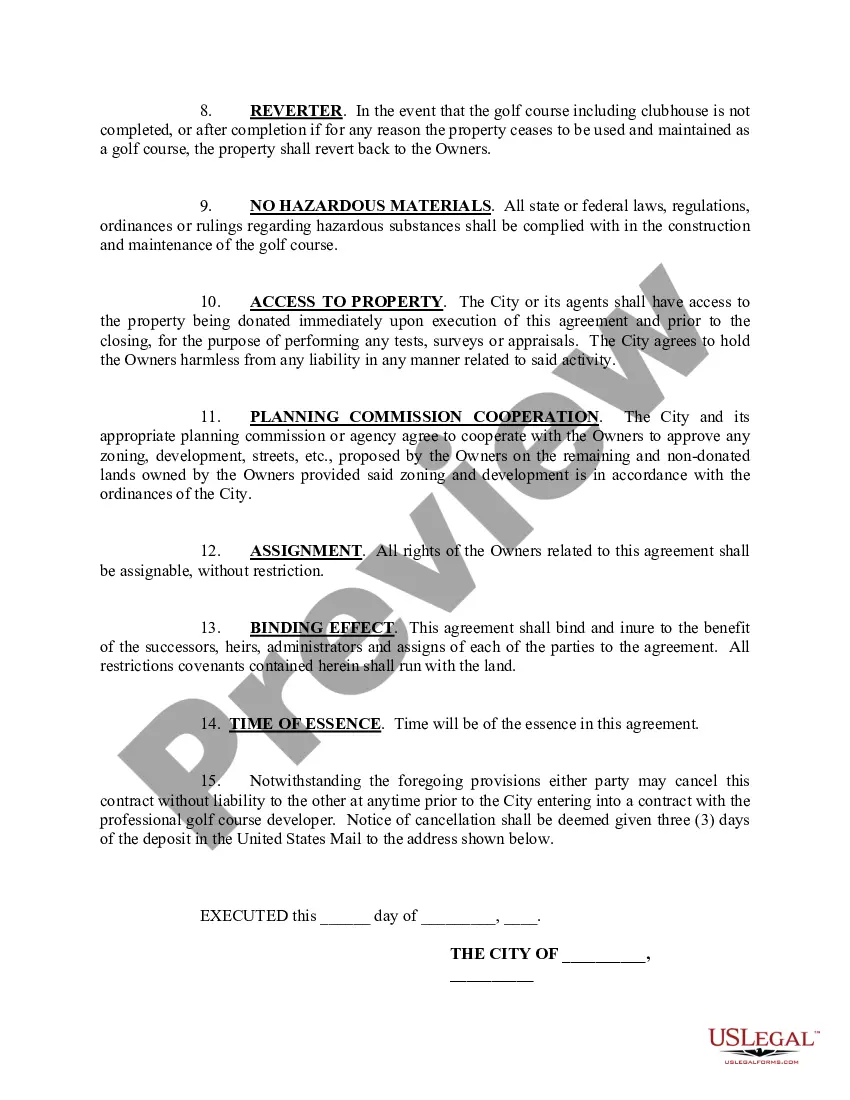
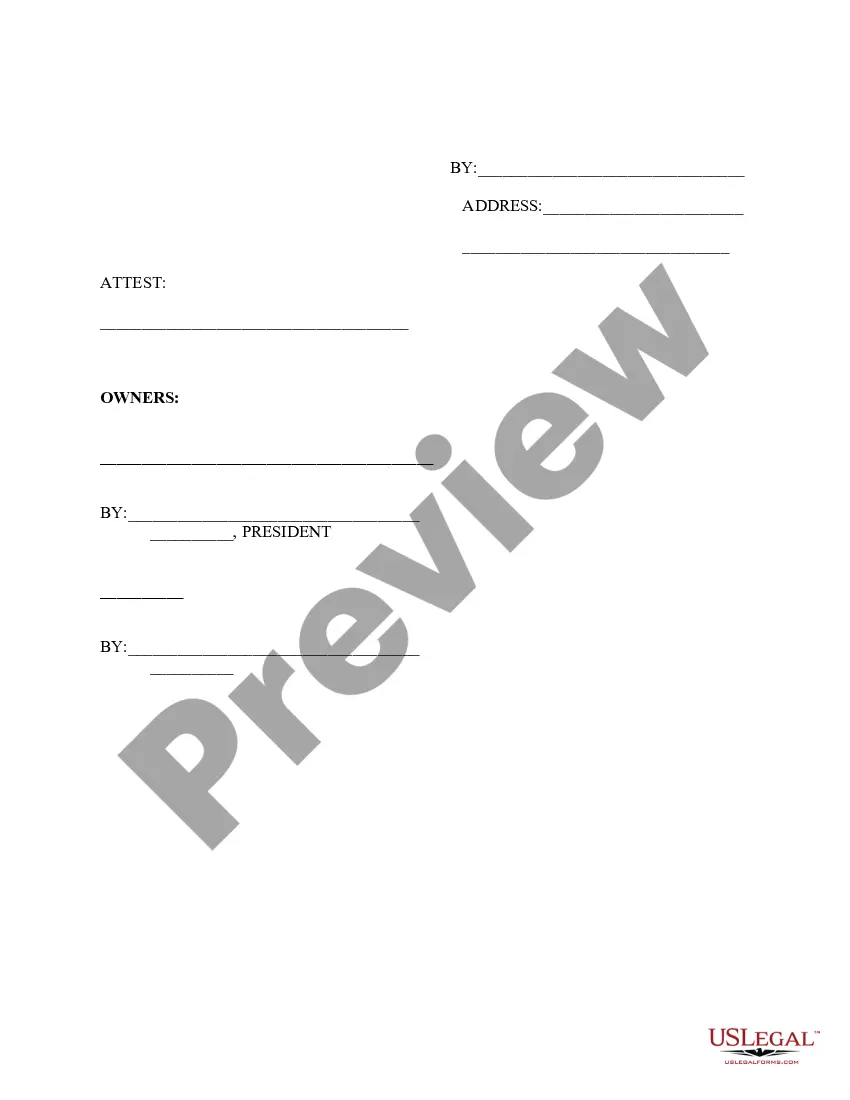
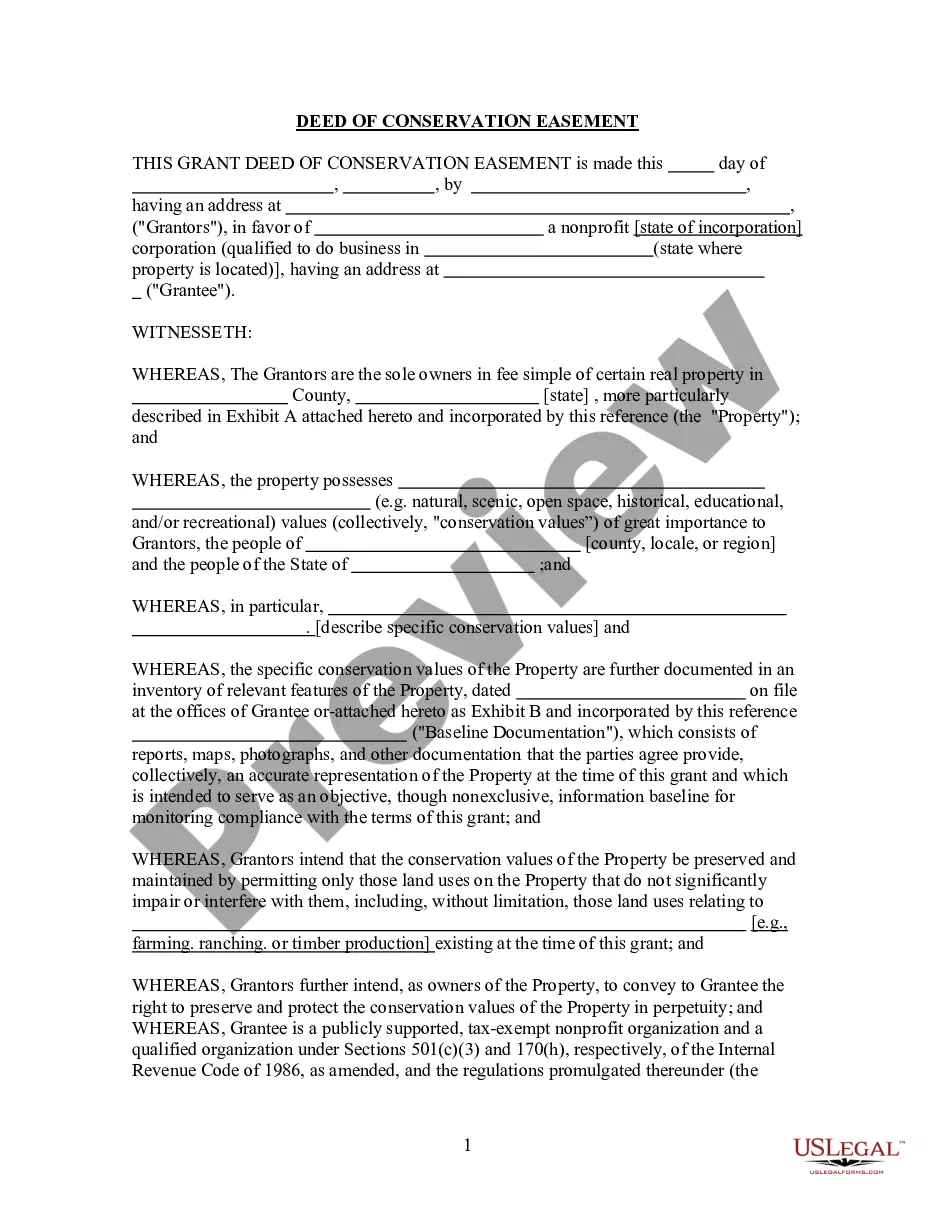
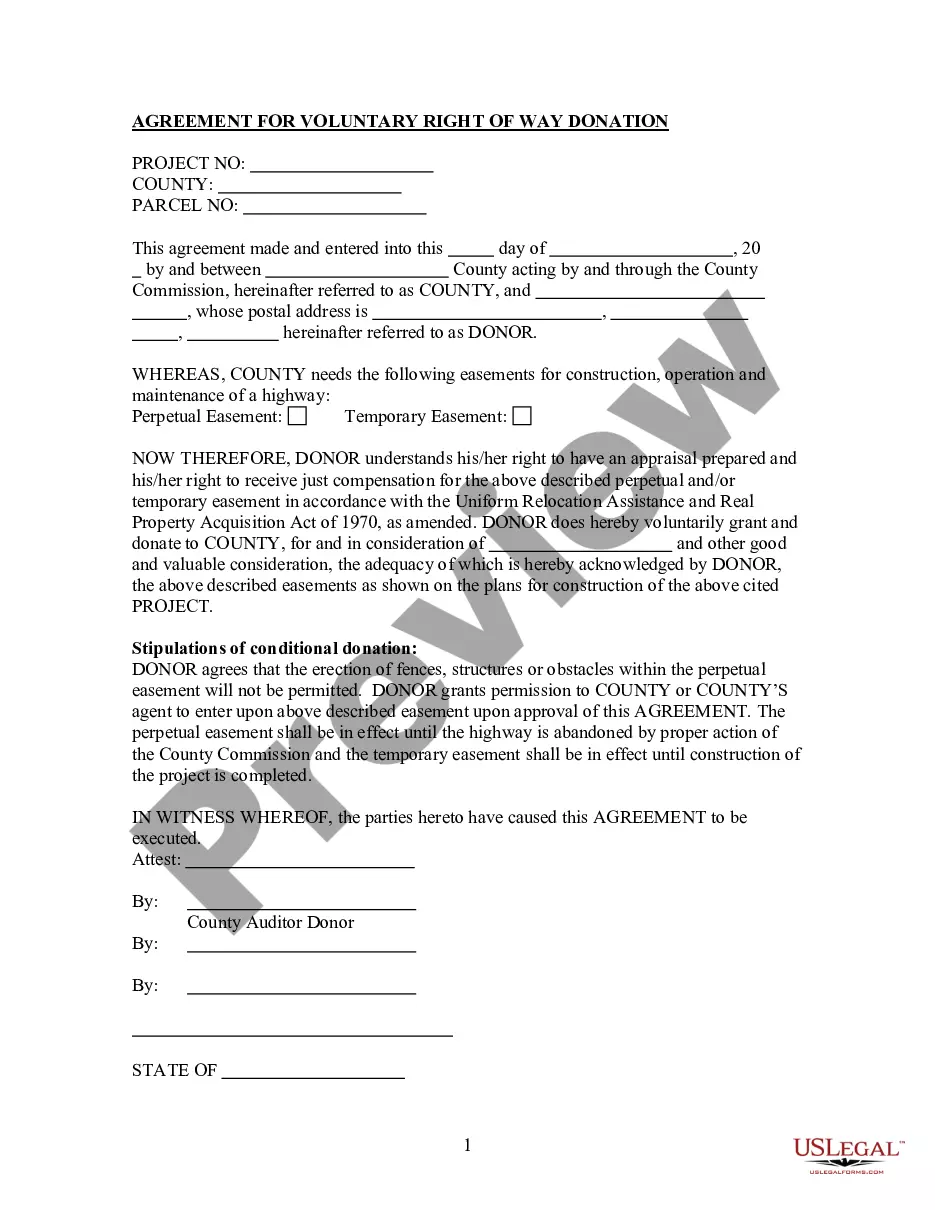
Get your form ready online
Our built-in tools help you complete, sign, share, and store your documents in one place.
Make edits, fill in missing information, and update formatting in US Legal Forms—just like you would in MS Word.
Download a copy, print it, send it by email, or mail it via USPS—whatever works best for your next step.
Sign and collect signatures with our SignNow integration. Send to multiple recipients, set reminders, and more. Go Premium to unlock E-Sign.
If this form requires notarization, complete it online through a secure video call—no need to meet a notary in person or wait for an appointment.
We protect your documents and personal data by following strict security and privacy standards.

Make edits, fill in missing information, and update formatting in US Legal Forms—just like you would in MS Word.

Download a copy, print it, send it by email, or mail it via USPS—whatever works best for your next step.

Sign and collect signatures with our SignNow integration. Send to multiple recipients, set reminders, and more. Go Premium to unlock E-Sign.

If this form requires notarization, complete it online through a secure video call—no need to meet a notary in person or wait for an appointment.

We protect your documents and personal data by following strict security and privacy standards.
Looking for another form?










Form popularity
FAQ
A popular fundraising program is the sale of donated property. Charities may also use donated property in their tax-exempt programs.
Determining the value of donated property de- pends upon many factors. You should consider all the facts and circumstances connected with the property, including any recent transactions, in determining value. Value may also be based on desirability, use, condition, scarcity, and mar- ket demand for that property.
Individuals may deduct qualified contributions of up to 100 percent of their adjusted gross income. A corporation may deduct qualified contributions of up to 25 percent of its taxable income. Contributions that exceed that amount can carry over to the next tax year.
Real Estate Donation A landowner may be interested in gifting a property to a charity or land trust. When a charity or land trusts accepts a real estate donation, the landowner can deduct the fair market value of the land from his or her federal taxes.
A conservation easement is just one of many options. You may also donate or sell property, donate or sell development rights, or do a bargain sale with a land trust. The opportunity of a permanent conservation easement can protect a family farm or ranch, allowing for future generations to continue in agriculture.
Michigan Property Donation – The Process Contact Real Estate with Causes; either choose your property type and complete the online donation form or call (888)-228-7320 and a professional volunteer representative will help you donate.
Determining the value of donated property de- pends upon many factors. You should consider all the facts and circumstances connected with the property, including any recent transactions, in determining value. Value may also be based on desirability, use, condition, scarcity, and mar- ket demand for that property.
TNC accepts two types of real estate gifts, both of which are critical to our work: land that donors would like permanently protected and land that donors permit us to sell, with the proceeds going to support our work.
If you give property to a qualified organization, you can generally deduct the fair market value (FMV) of the property at the time of the contribution.
