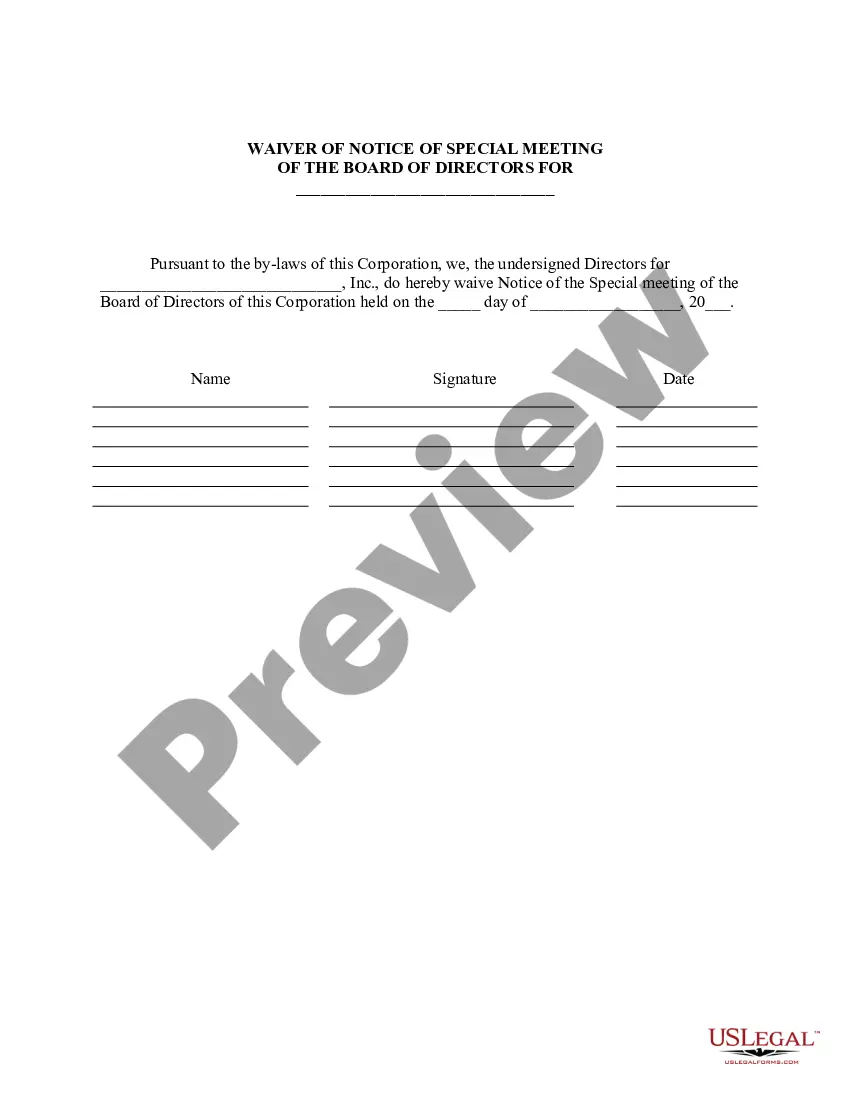
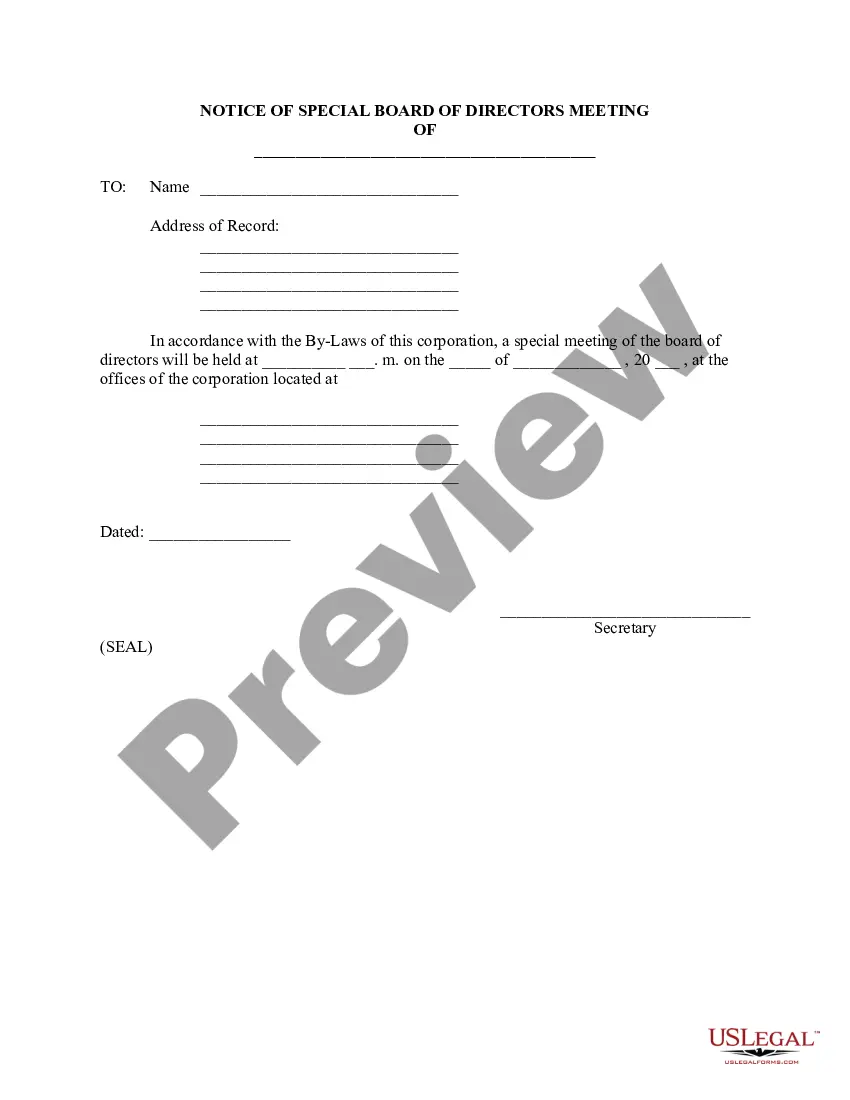
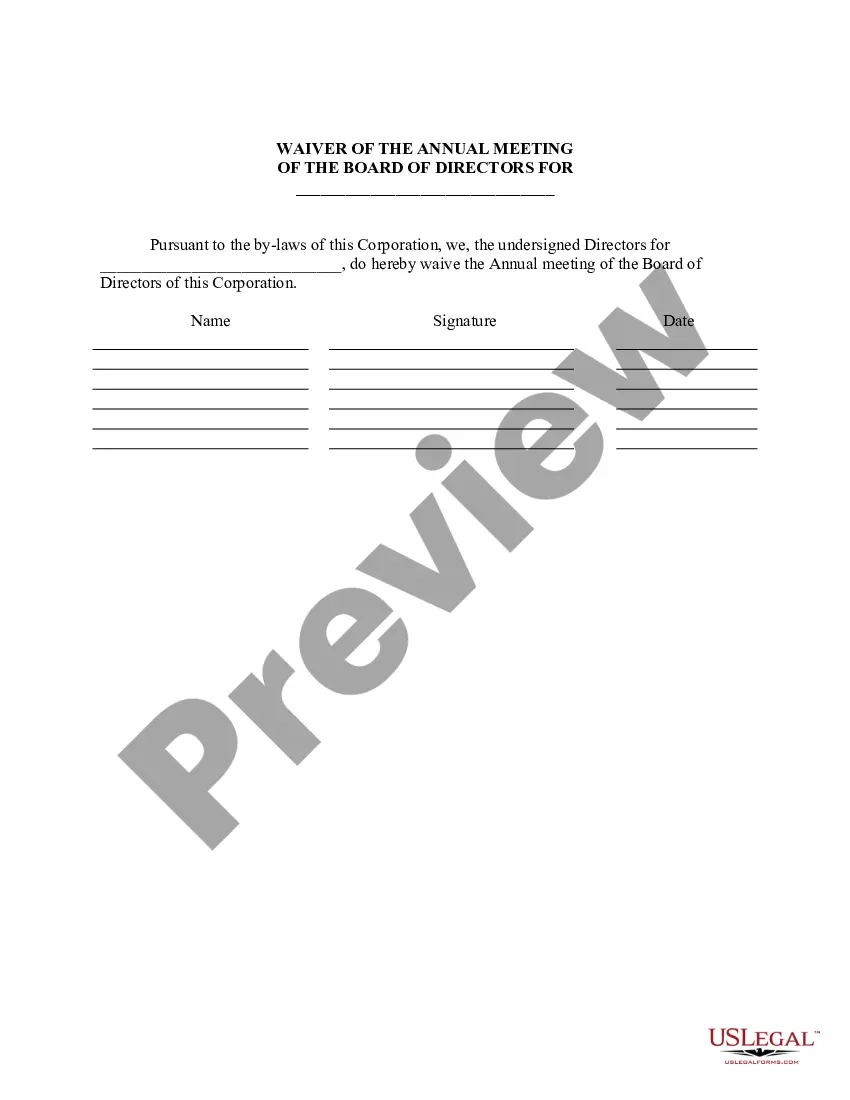
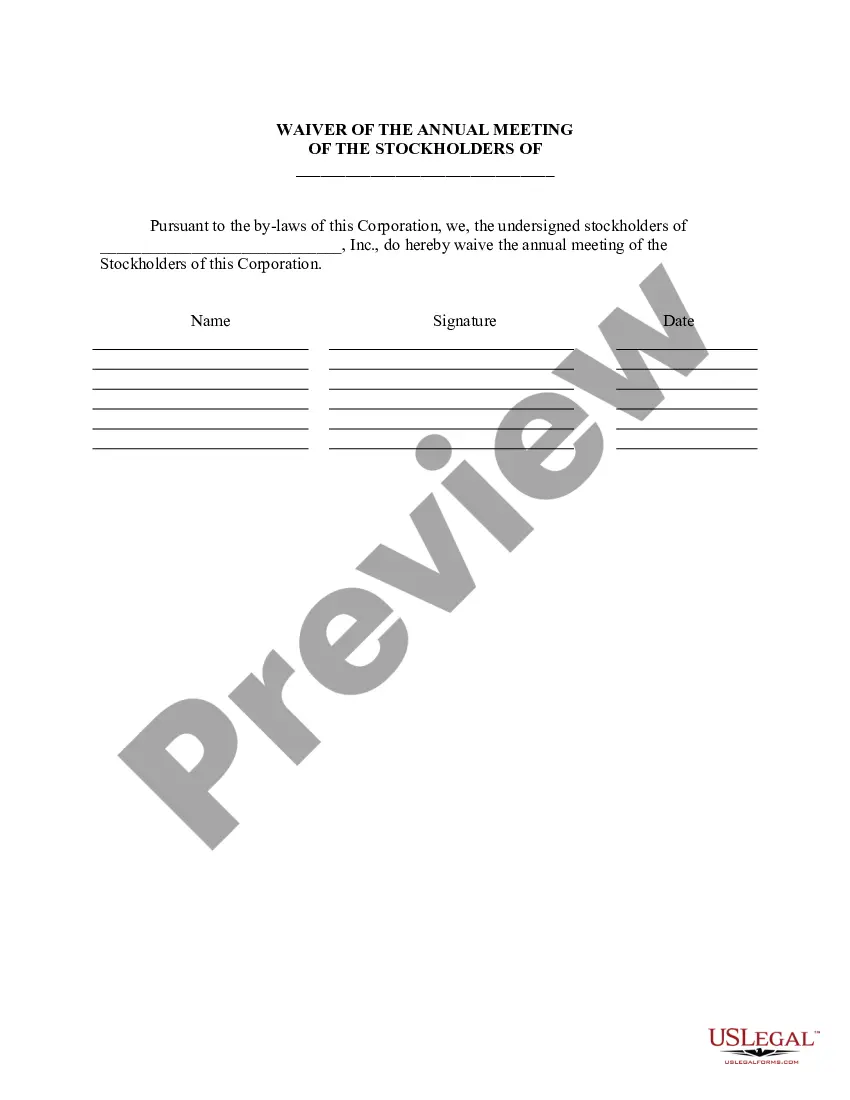
Board Directors Of Corporation In Texas
Description
Get your form ready online
Our built-in tools help you complete, sign, share, and store your documents in one place.
Make edits, fill in missing information, and update formatting in US Legal Forms—just like you would in MS Word.
Download a copy, print it, send it by email, or mail it via USPS—whatever works best for your next step.
Sign and collect signatures with our SignNow integration. Send to multiple recipients, set reminders, and more. Go Premium to unlock E-Sign.
If this form requires notarization, complete it online through a secure video call—no need to meet a notary in person or wait for an appointment.
We protect your documents and personal data by following strict security and privacy standards.

Make edits, fill in missing information, and update formatting in US Legal Forms—just like you would in MS Word.

Download a copy, print it, send it by email, or mail it via USPS—whatever works best for your next step.

Sign and collect signatures with our SignNow integration. Send to multiple recipients, set reminders, and more. Go Premium to unlock E-Sign.

If this form requires notarization, complete it online through a secure video call—no need to meet a notary in person or wait for an appointment.

We protect your documents and personal data by following strict security and privacy standards.
Looking for another form?

Form popularity
FAQ
You or another member of your LLC can serve as your LLC organizer. However, many LLCs find it helps to have someone like an attorney or a registered agent perform this role.
In the case of a nonprofit corporation, the Texas Business Organizations Code requires a nonprofit corporation to have at least three directors, one president, and one secretary; however, in a nonprofit corporation, the same person cannot be both the president and secretary.
Limited liability companies may be member managed or manager managed. In a member-managed LLC, the members operate the business directly as in a partnership. In a manager-managed LLC, the members elect managers who then run the business—similar to shareholders and directors in a corporation.
In the case of public companies, a board of directors is a group of individuals elected by shareholders to provide guidance and oversight to ensure a company's profitability and sustainability. The board has a fiduciary duty to make decisions and take actions in the interest of shareholders and stakeholders.
Chief Executive Officer (CEO): Usually the highest ranking member of an organization, the LLC CEO has general management powers and dictates the company's vision.
An LLC operating agreement can be flexible enough to allow a variety of structures and management schemes. Therefore, if they so desire, LLC members can structure their LLC similar to a corporation and designate a board of directors.
All corporations, regardless of the state, must have a shareholder-elected Board of Directors. An LLC is not required to have a Board of Directors, but can adopt this form of management if the members (the owners of the LLC) choose to do so.
Federal and state-level laws, as well as a company's incorporation documents, require public and private corporations in the U.S. to have boards of directors (BoDs). Although private LLCs do not have the same requirements, some choose to elect a board of directors after incorporating.
All corporations, regardless of the state, must have a shareholder-elected Board of Directors. An LLC is not required to have a Board of Directors, but can adopt this form of management if the members (the owners of the LLC) choose to do so.