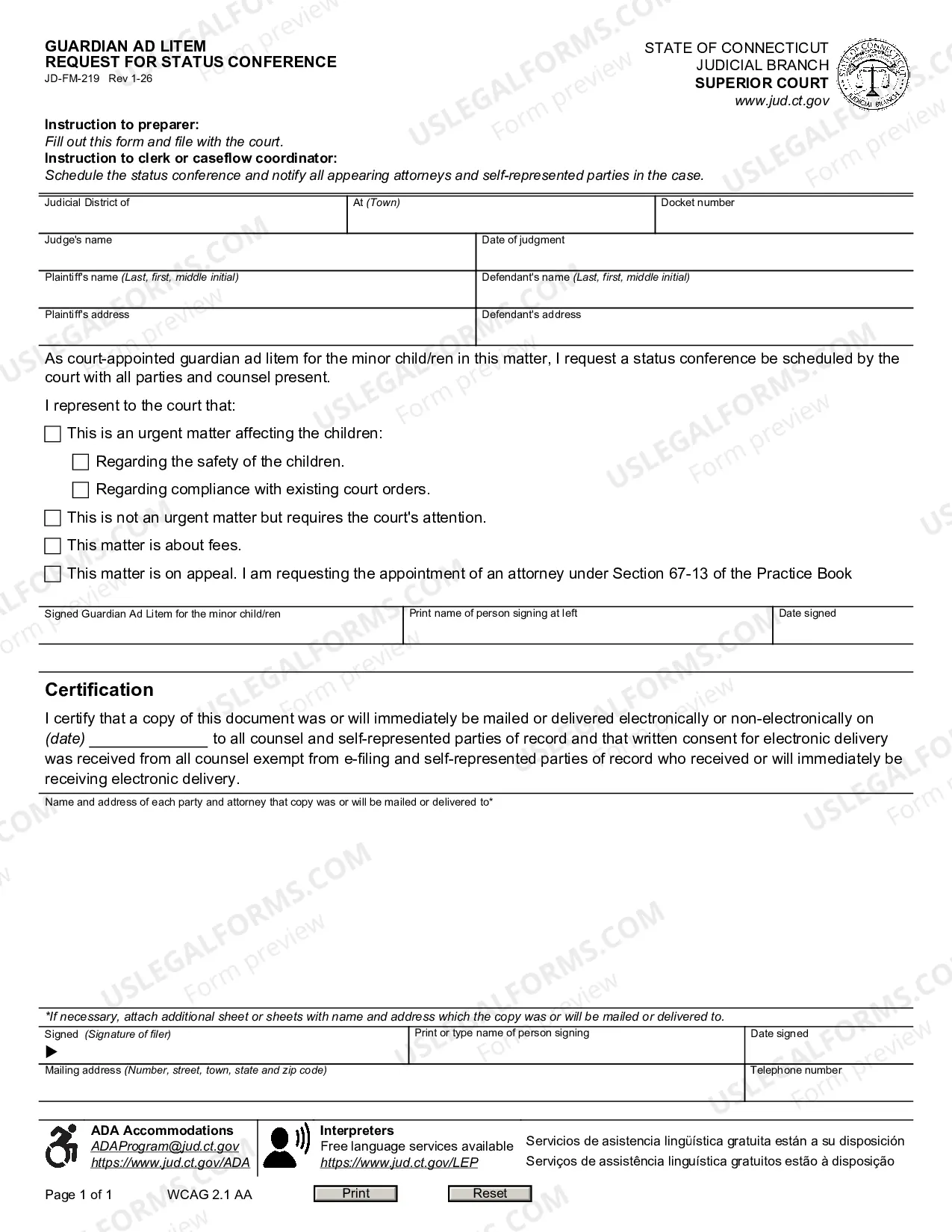
Alabama Letter from Tenant to Landlord containing Notice to landlord to withdraw improper rent increase during lease
About this form
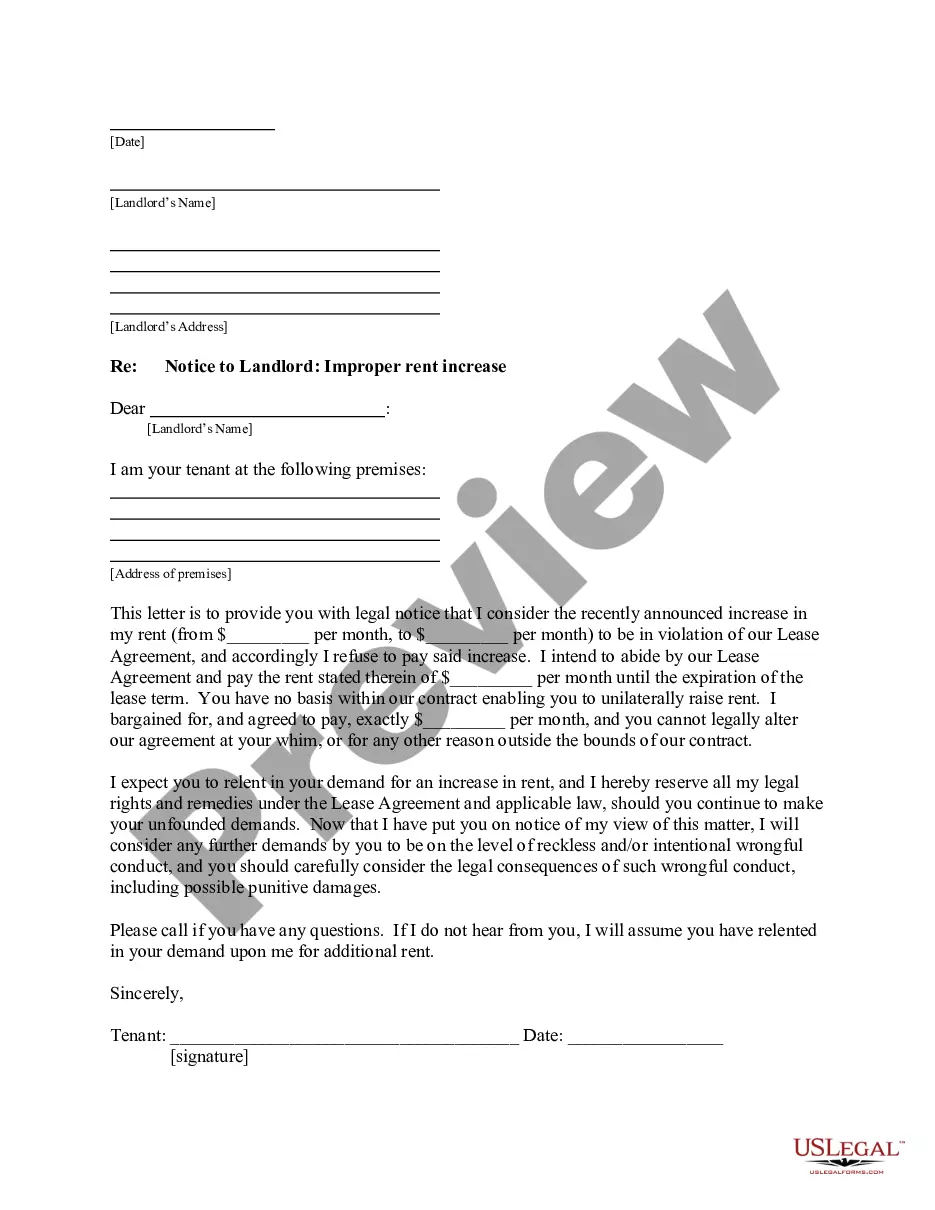
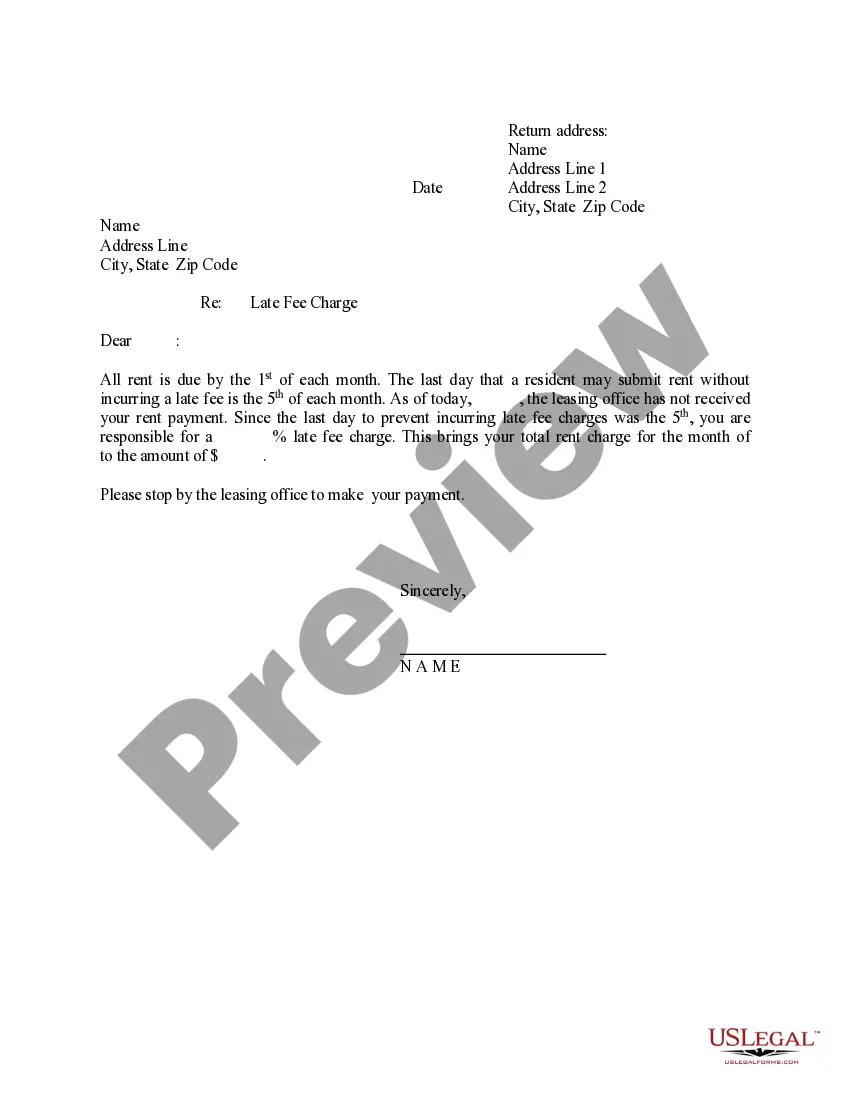
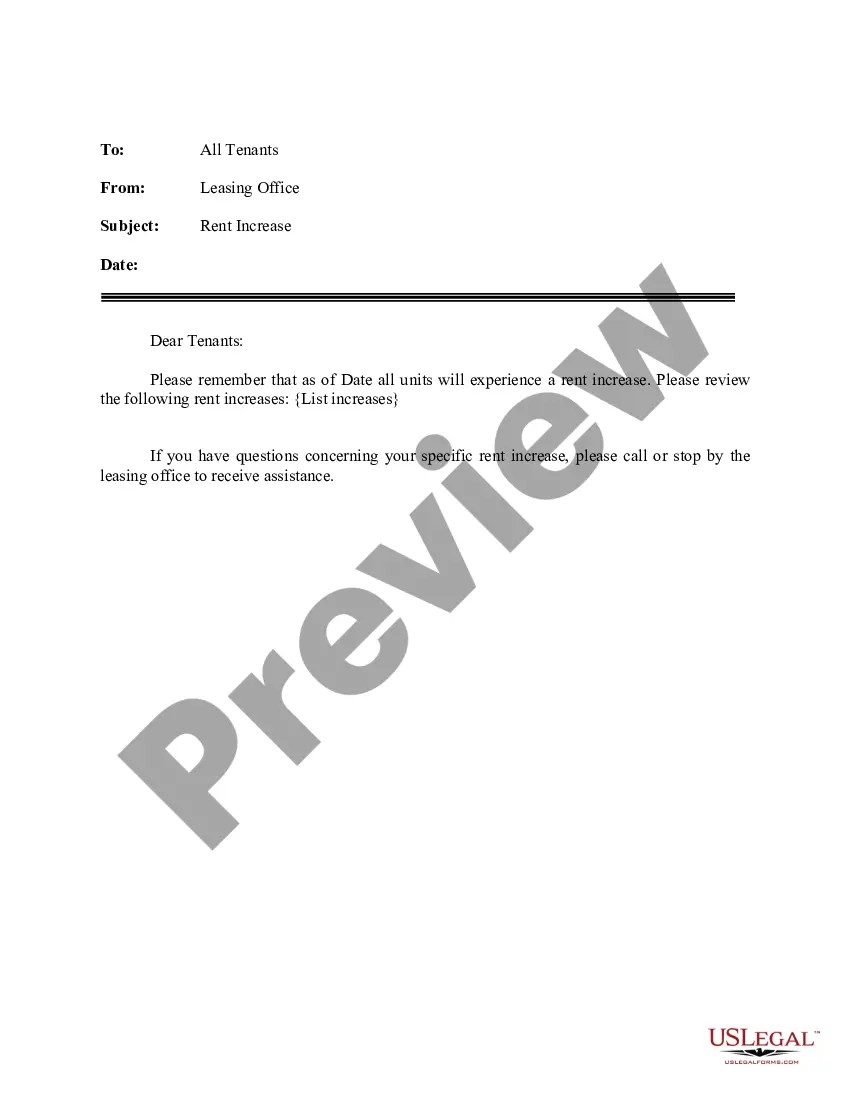
This Letter from Tenant to Landlord containing Notice to landlord to withdraw improper rent increase during lease is a formal communication that a tenant can use to challenge an unjust rent increase proposed by a landlord. This letter helps clarify the tenant's position and informs the landlord of their intent to maintain the existing rent conditions as stipulated in their lease agreement. It serves as a proactive step in upholding tenants' rights against improper rent increases, distinguishing it from generic lease correspondence.
Key parts of this document
- Identification of the tenant and landlord involved in the lease agreement.
- Clear statement expressing the tenant's refusal to accept the proposed rent increase.
- Reservation of legal rights and remedies under the lease agreement and applicable law.
- Confirmation of awareness about potential legal consequences for continued demands for increased rent.
- Signature of the tenant along with the date of the letter.


Situations where this form applies
This form is useful in situations where a tenant receives a notice of a rent increase that they believe is unjust or improper. It should be used after the tenant has reviewed their lease agreement and determined that the increase is not permissible under the terms agreed upon. Sending this letter can help document the tenant's objection and establish a record of communication regarding the dispute.
Who this form is for
- Tenants who have received a notice of a rent increase from their landlord.
- Individuals who wish to formally dispute the proposed rent increase based on their lease agreement.
- Renters who want to assert their rights and preserve options for legal remedies.
Instructions for completing this form
- Identify yourself as the tenant and provide your contact information.
- Clearly state the date of the letter to establish a timeline.
- Express your refusal of the proposed rent increase and provide reasons if applicable.
- Include a statement reserving all rights under the lease agreement and applicable law.
- Sign the letter and date it to confirm your intent.
Does this form need to be notarized?
In most cases, this form does not require notarization. However, some jurisdictions or signing circumstances might. US Legal Forms offers online notarization powered by Notarize, accessible 24/7 for a quick, remote process.
Get your form ready online
Our built-in tools help you complete, sign, share, and store your documents in one place.
Make edits, fill in missing information, and update formatting in US Legal Forms—just like you would in MS Word.
Download a copy, print it, send it by email, or mail it via USPS—whatever works best for your next step.
Sign and collect signatures with our SignNow integration. Send to multiple recipients, set reminders, and more. Go Premium to unlock E-Sign.
If this form requires notarization, complete it online through a secure video call—no need to meet a notary in person or wait for an appointment.
We protect your documents and personal data by following strict security and privacy standards.

Make edits, fill in missing information, and update formatting in US Legal Forms—just like you would in MS Word.

Download a copy, print it, send it by email, or mail it via USPS—whatever works best for your next step.

Sign and collect signatures with our SignNow integration. Send to multiple recipients, set reminders, and more. Go Premium to unlock E-Sign.

If this form requires notarization, complete it online through a secure video call—no need to meet a notary in person or wait for an appointment.

We protect your documents and personal data by following strict security and privacy standards.
Common mistakes to avoid
- Failing to date the letter which can lead to confusion about the timeline.
- Not providing sufficient detail about the rent increase issue.
- Neglecting to sign the letter before sending it to the landlord.
- Using vague language that does not clearly communicate the refusal of the rent increase.
Why complete this form online
- Convenience of downloading the form instantly from any device.
- Access to templates that are drafted by licensed attorneys to ensure legal compliance.
- Ability to easily edit and customize the form to fit your specific situation.
- Documentation of communication with your landlord for future reference.
Looking for another form?
Form popularity
FAQ
To write a rent increase letter to your tenant, start by clearly stating the current rent amount and the proposed increase. Specify the effective date of the new rent and ensure you follow any local regulations regarding notice periods. If you need to provide a notice to withdraw an improper rent increase, consider using an Alabama Letter from Tenant to Landlord containing Notice to landlord to withdraw improper rent increase during lease. Utilizing a trusted platform like USLegalForms can simplify this process, ensuring your letter meets all legal requirements.
Alabama does not impose a state cap on rent increases, allowing landlords substantial flexibility. However, any increase must comply with the terms of the lease and any applicable local ordinances. If a tenant faces an unexpected rise in rent, they may seek guidance through an Alabama Letter from Tenant to Landlord containing Notice to landlord to withdraw improper rent increase during lease to address the issue.
Landlords in Alabama typically must provide at least 30 days' notice if they do not intend to renew a lease. This notice should allow the tenant ample time to make necessary arrangements. It's important for both parties to communicate clearly, especially if improper rent increases have been a concern.
When informing a tenant about a rent increase, clarity is key. The letter should detail the new rental amount, the reasons for the increase, and the effective date. Utilizing an Alabama Letter from Tenant to Landlord containing Notice to landlord to withdraw improper rent increase during lease can help communicate concerns effectively and professionally.
If a landlord chooses not to renew a lease, they should generally provide 30 days' notice to the tenant. This ensures that tenants have adequate time to find alternative housing. It's critical for tenants to understand their rights, as improper increases may lead to the need for an Alabama Letter from Tenant to Landlord containing Notice to landlord to withdraw improper rent increase during lease.
In Alabama, the minimum notice a landlord must provide depends on the lease agreement's terms. Typically, landlords should provide at least 30 days' notice for month-to-month leases. This notice period gives both parties sufficient time to prepare for any changes or decisions, including addressing improper rent increases.
Yes, a landlord can choose not to renew a lease in Alabama for various reasons. However, they must adhere to specific notice requirements outlined in the lease agreement or state law. To address any concerns about potential issues, tenants might consider sending an Alabama Letter from Tenant to Landlord containing Notice to landlord to withdraw improper rent increase during lease.
A good rent increase letter should be direct yet considerate. Start by informing the tenant of the current rent and the proposed increase, along with the effective date. Be sure to explain the reasons behind the increase, and allow space for questions or discussions to maintain a positive landlord-tenant relationship.
In Alabama, there are generally no limits on how much a landlord can increase rent. However, certain procedures must be followed, including providing written notice to tenants. To ensure compliance with local laws, landlords may find it beneficial to consult resources or platforms like uslegalforms to help navigate regulations.
In Alabama, a landlord must typically provide a 30-day notice for a tenant to move out. This notice must be in writing and clearly state the intent to terminate the lease. However, given specific circumstances, such as lease violations, the notice period may vary, so it's crucial to check lease agreements or legal advice.