Consumer Protection Agency For Banking In San Jose
Description
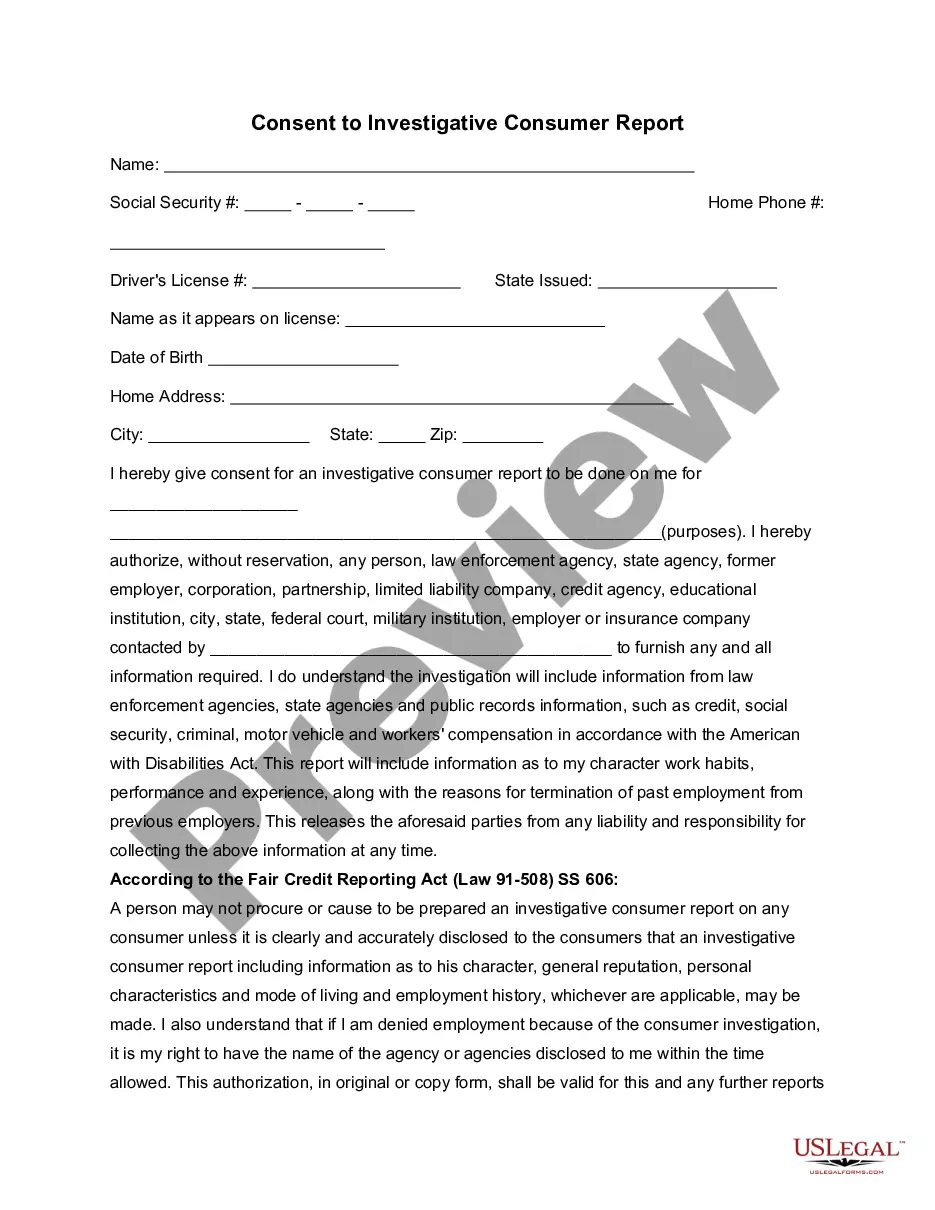

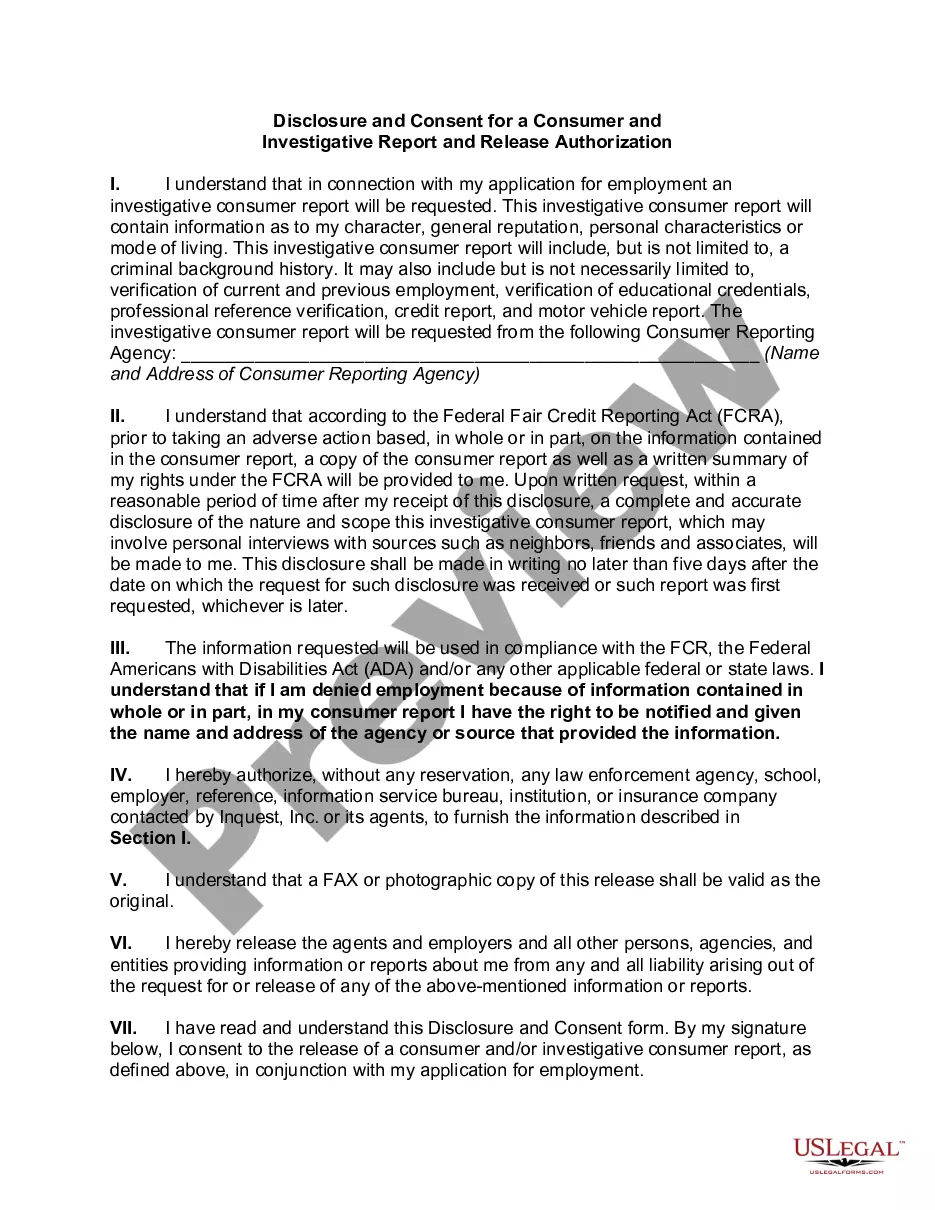
Get your form ready online
Our built-in tools help you complete, sign, share, and store your documents in one place.
Make edits, fill in missing information, and update formatting in US Legal Forms—just like you would in MS Word.
Download a copy, print it, send it by email, or mail it via USPS—whatever works best for your next step.
Sign and collect signatures with our SignNow integration. Send to multiple recipients, set reminders, and more. Go Premium to unlock E-Sign.
If this form requires notarization, complete it online through a secure video call—no need to meet a notary in person or wait for an appointment.
We protect your documents and personal data by following strict security and privacy standards.

Make edits, fill in missing information, and update formatting in US Legal Forms—just like you would in MS Word.

Download a copy, print it, send it by email, or mail it via USPS—whatever works best for your next step.

Sign and collect signatures with our SignNow integration. Send to multiple recipients, set reminders, and more. Go Premium to unlock E-Sign.

If this form requires notarization, complete it online through a secure video call—no need to meet a notary in person or wait for an appointment.

We protect your documents and personal data by following strict security and privacy standards.
Looking for another form?

Form popularity
FAQ
Depending on the facts of your case, you may be able to sue your bank in small claims court. You may also be able to join a class-action lawsuit against a particular financial services company.
If you have a dispute with a bank, you can't file a lawsuit in court in most situations under US law. Rather, you must submit your dispute to arbitration. With arbitration, the outcome of the dispute is in the hands of a set of arbitrators, and their decision typically can't be appealed.
If you've suffered from unfair lending practices or had deceptive dealings with a financial institution, assert your right as a consumer and file a complaint. While you can file a consumer complaint against a bank, you should seek help from an attorney experienced in consumer protection law.
The Consumer Protection Unit prosecutes cases on behalf of the People of the State of California where the interests of the public at large are involved.
The Consumer Financial Protection Bureau (CFPB) helps consumers by providing educational materials and accepting complaints. It supervises banks, lenders, and large non-bank entities, such as credit reporting agencies and debt collection companies.
Consistent with applicable law, we securely share complaints with other state and federal agencies to, among other things, facilitate: supervision activities, enforcement activities, and. monitor the market for consumer financial products and services.
The California Department of Financial Protection and Innovation (DFPI) supports a healthy and trusted financial marketplace in California through regulation and enforcement that protects consumers and enables responsible innovation.
You can submit your complaint or inquiry online at the FDIC Information and Support Center at . Alternatively, you can submit a complaint via mail to the Consumer Response Unit at 1100 Walnut Street, Box#11, Kansas City, MO 64106.
National Consumer Helpline - NCH. The Department of Consumer Affairs has launched this portal as an integrated Grievance Redress Mechanism (INGRAM) for bringing all Stakeholders such as Consumers, Central and State Government Agencies, Private Companies, Regulators, Ombudsmen and call centres etc.
