Erisa Law And Divorce In Minnesota
Description
















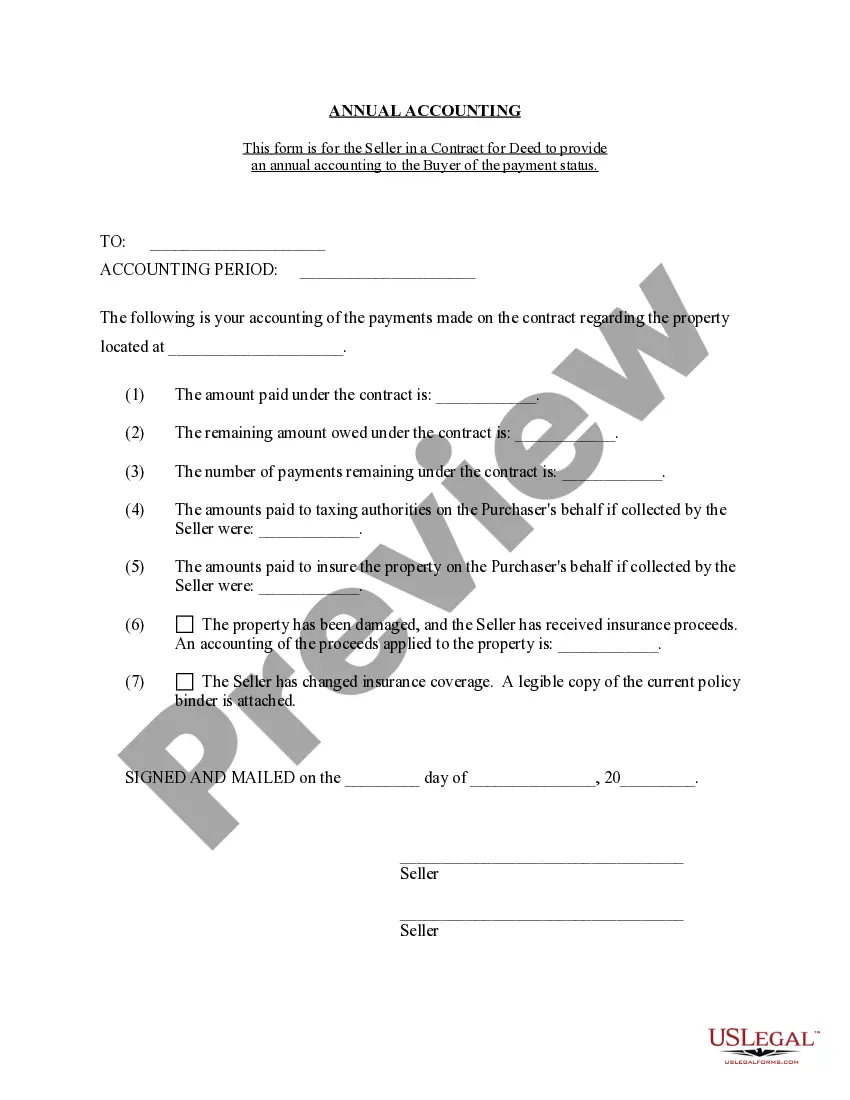
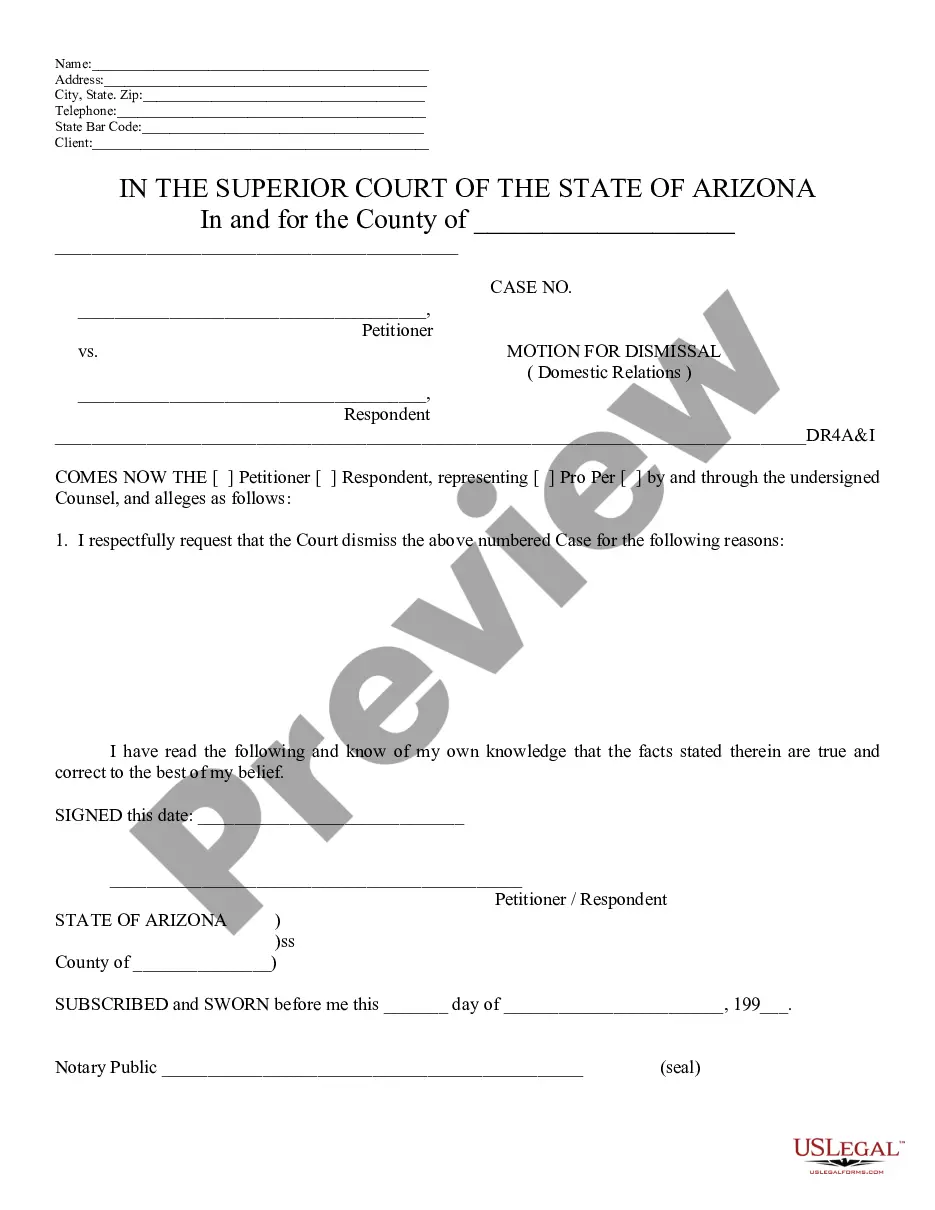
Get your form ready online
Our built-in tools help you complete, sign, share, and store your documents in one place.
Make edits, fill in missing information, and update formatting in US Legal Forms—just like you would in MS Word.
Download a copy, print it, send it by email, or mail it via USPS—whatever works best for your next step.
Sign and collect signatures with our SignNow integration. Send to multiple recipients, set reminders, and more. Go Premium to unlock E-Sign.
If this form requires notarization, complete it online through a secure video call—no need to meet a notary in person or wait for an appointment.
We protect your documents and personal data by following strict security and privacy standards.

Make edits, fill in missing information, and update formatting in US Legal Forms—just like you would in MS Word.

Download a copy, print it, send it by email, or mail it via USPS—whatever works best for your next step.

Sign and collect signatures with our SignNow integration. Send to multiple recipients, set reminders, and more. Go Premium to unlock E-Sign.

If this form requires notarization, complete it online through a secure video call—no need to meet a notary in person or wait for an appointment.

We protect your documents and personal data by following strict security and privacy standards.
Looking for another form?
Form popularity
FAQ
Generally, you need spousal consent for an IRA designation if you reside in one of the following community property states: Arizona. California. Louisiana. Idaho. New Mexico. Nevada. Texas. Wisconsin.
Most courts will give a fair and equitable split (most times, 50/50) on all assets acquired after marriage. That includes the 401(k) for either of you but it could also depend on what the distribution of assets is. If she keeps all the equity in the house, you may keep all the 401(k).
The Spouse Is the Automatic Beneficiary for Married People A federal law, the Employee Retirement Income Security Act (ERISA), governs most pensions and retirement accounts.
In California, all assets of a marriage, including 401(k)s, IRAs, and other retirement accounts or plans, will be divided.
For retirement accounts started during a marriage, the division is rather simple. In most cases, the courts will deem that it should be split in half between the spouse and yourself no matter who the owner is.
Spousal consent in this context is agreement by the spouse of a married participant to an action by the participant that affects the participant's qualified retirement plan account.
If you wish to select a different beneficiary, your spouse must consent by signing a waiver, witnessed by a notary or plan representative.
If you are going through a divorce, your marital property will be divided based on principles of equity and fairness. This doesn't mean you automatically receive 50% of each asset. You, your spouse, and your attorneys can negotiate how to divide the property depending on your needs, and your goals.