Elder Care Law For Dummies
Description

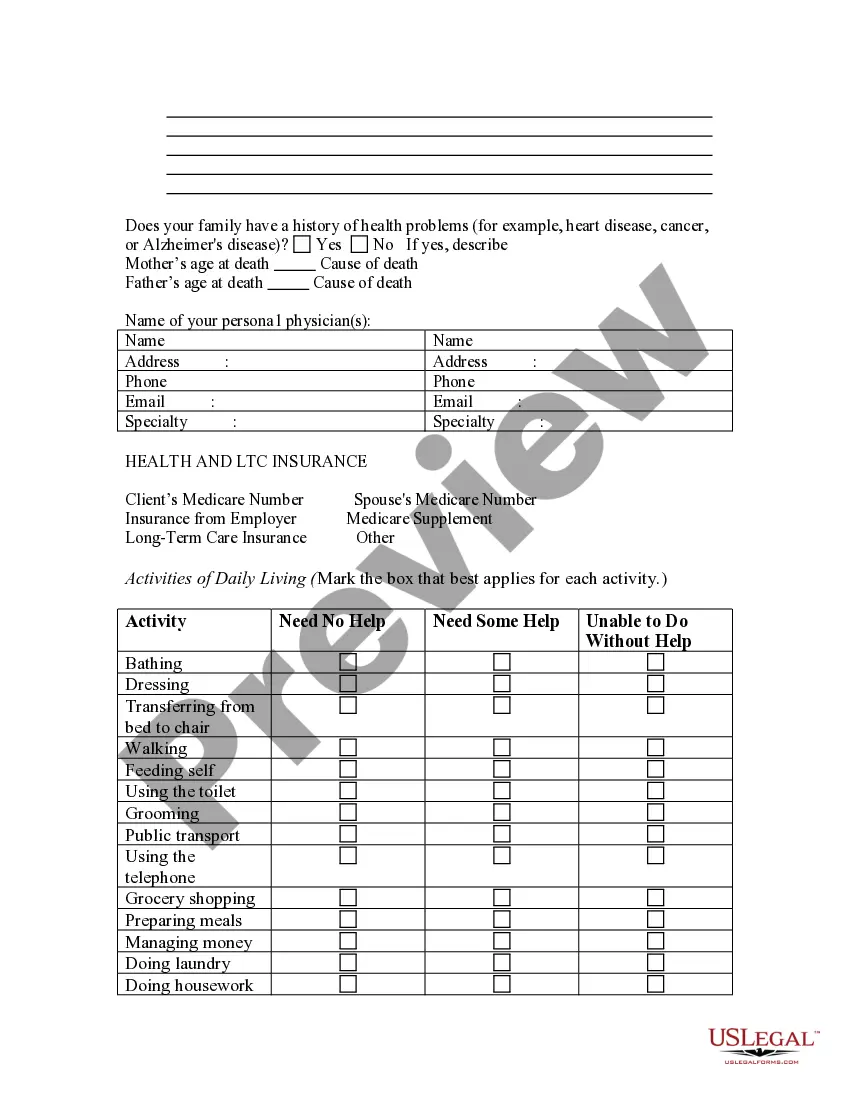
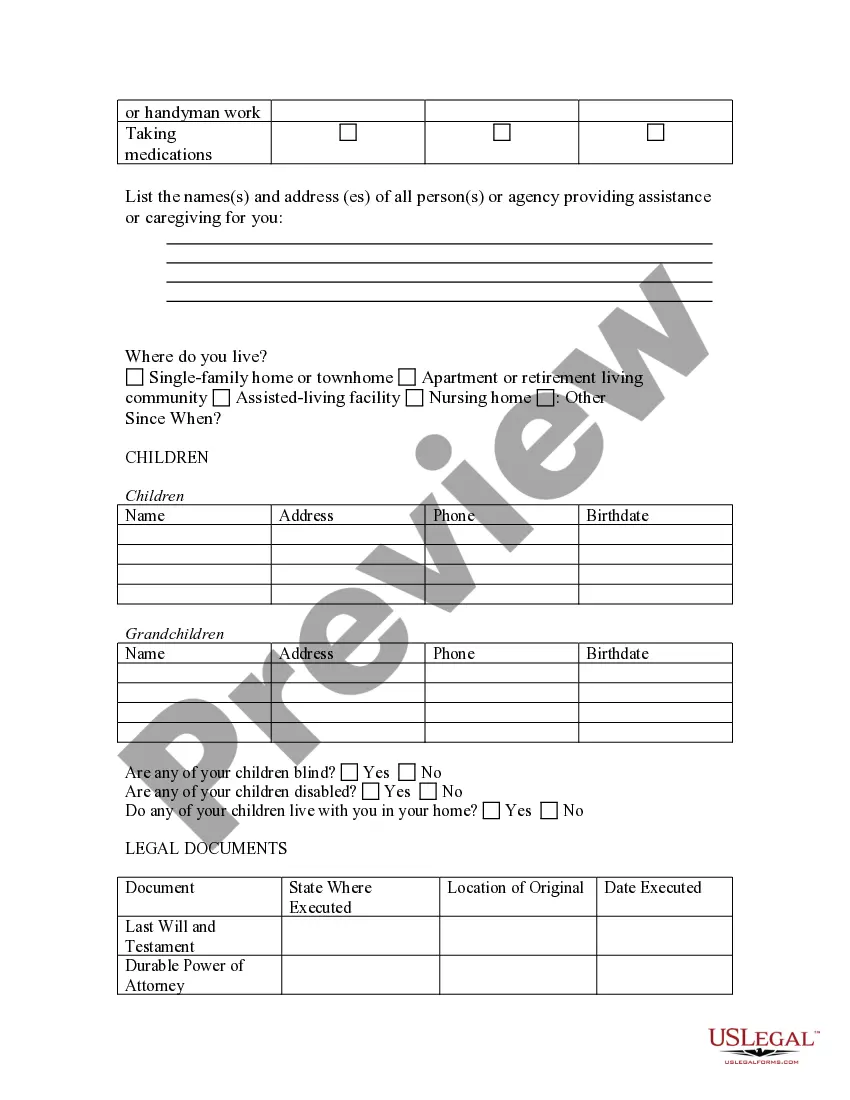
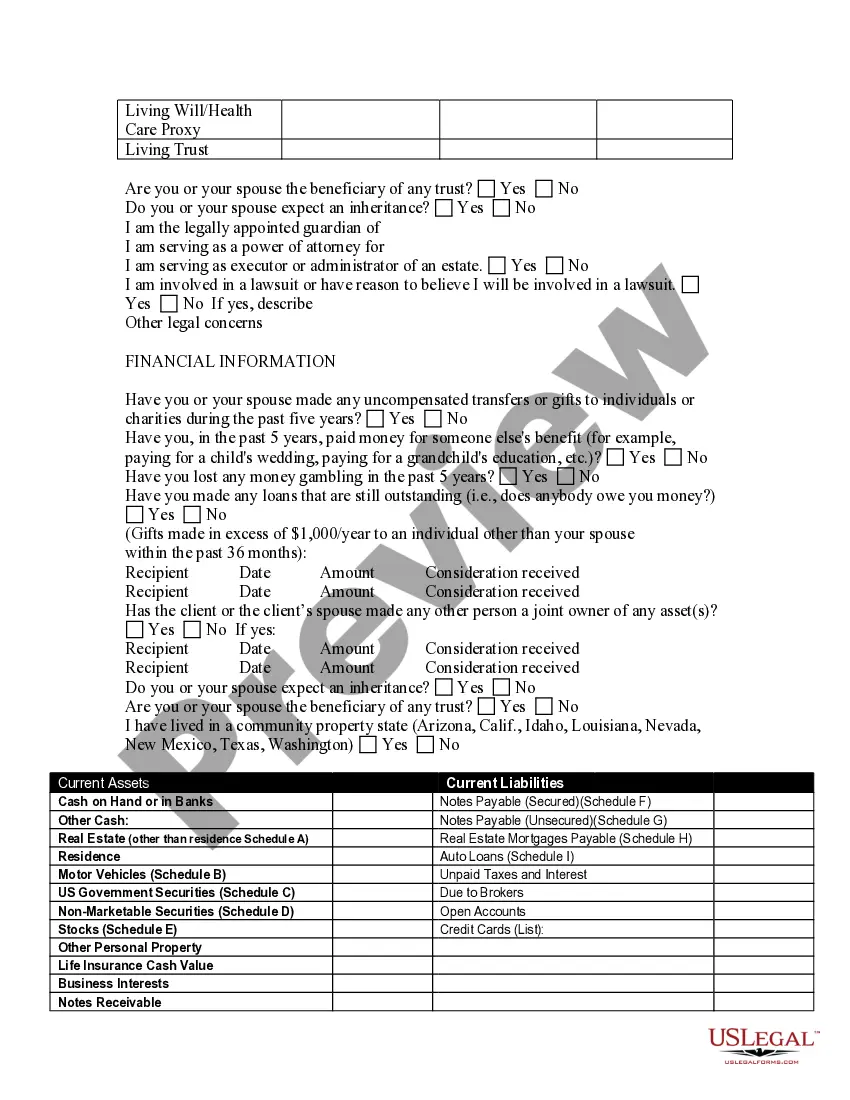
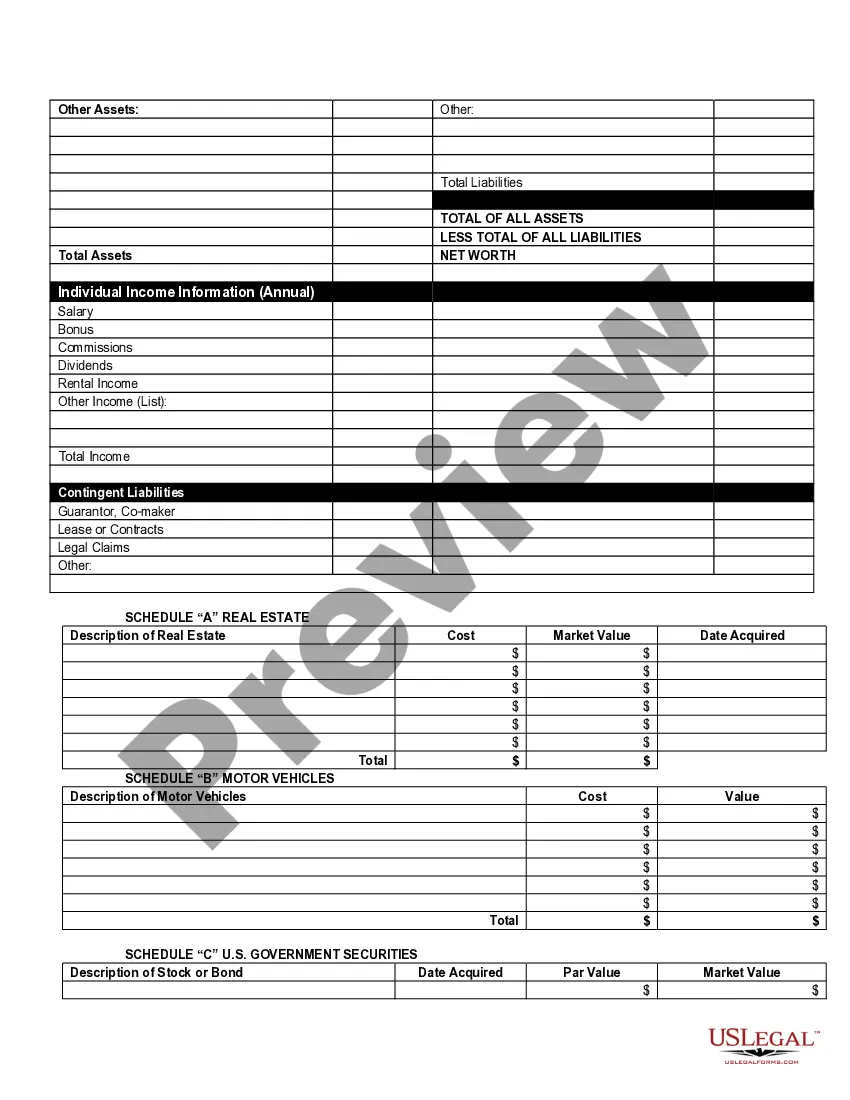
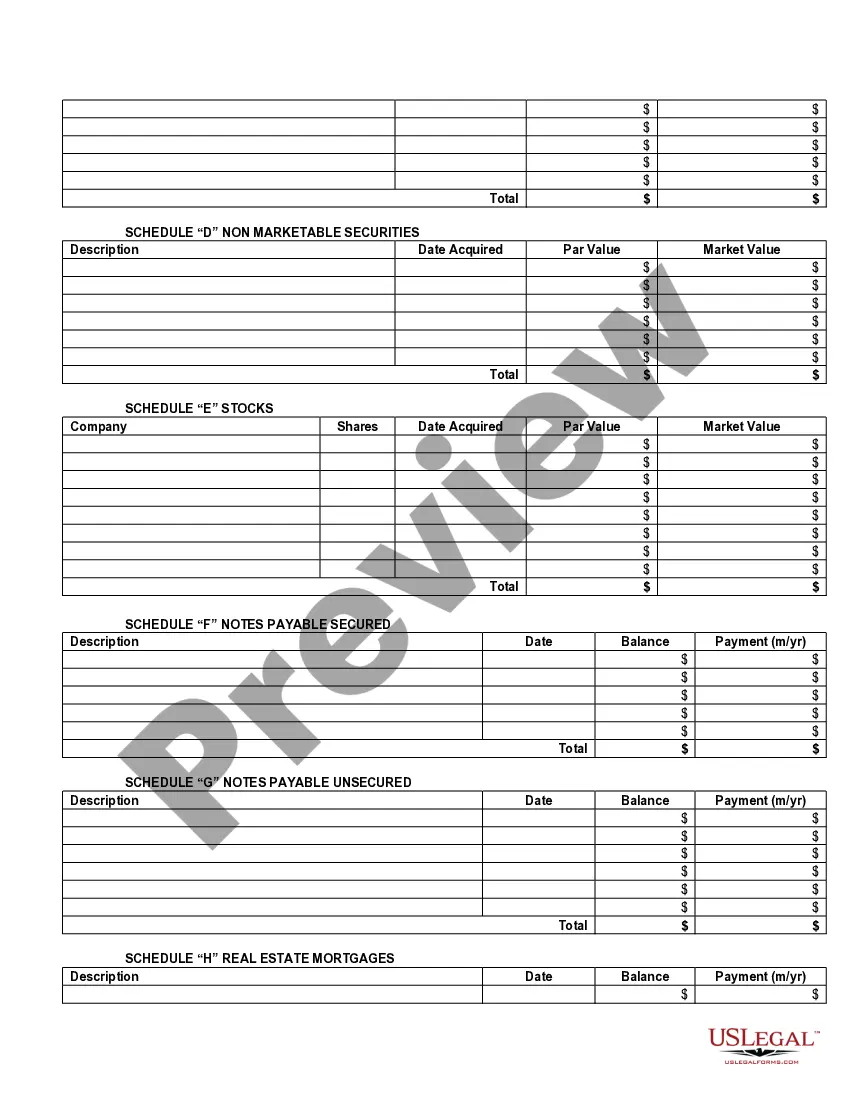
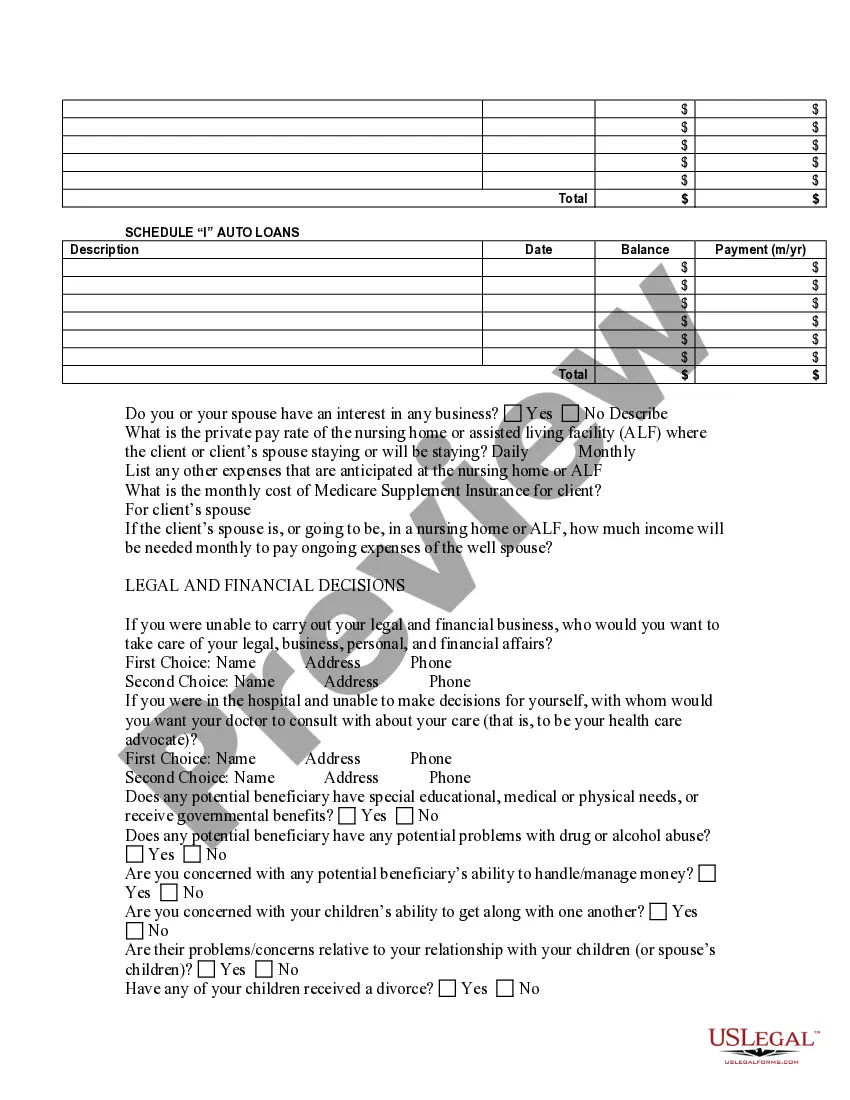
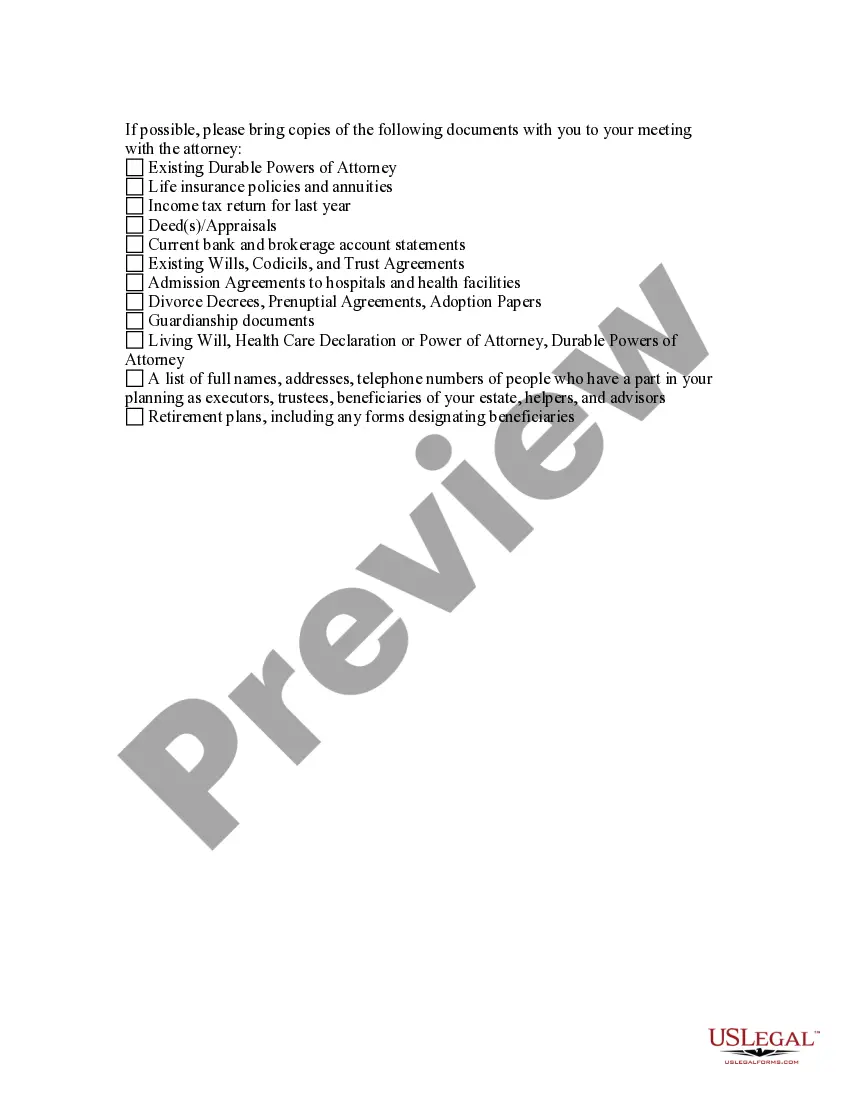

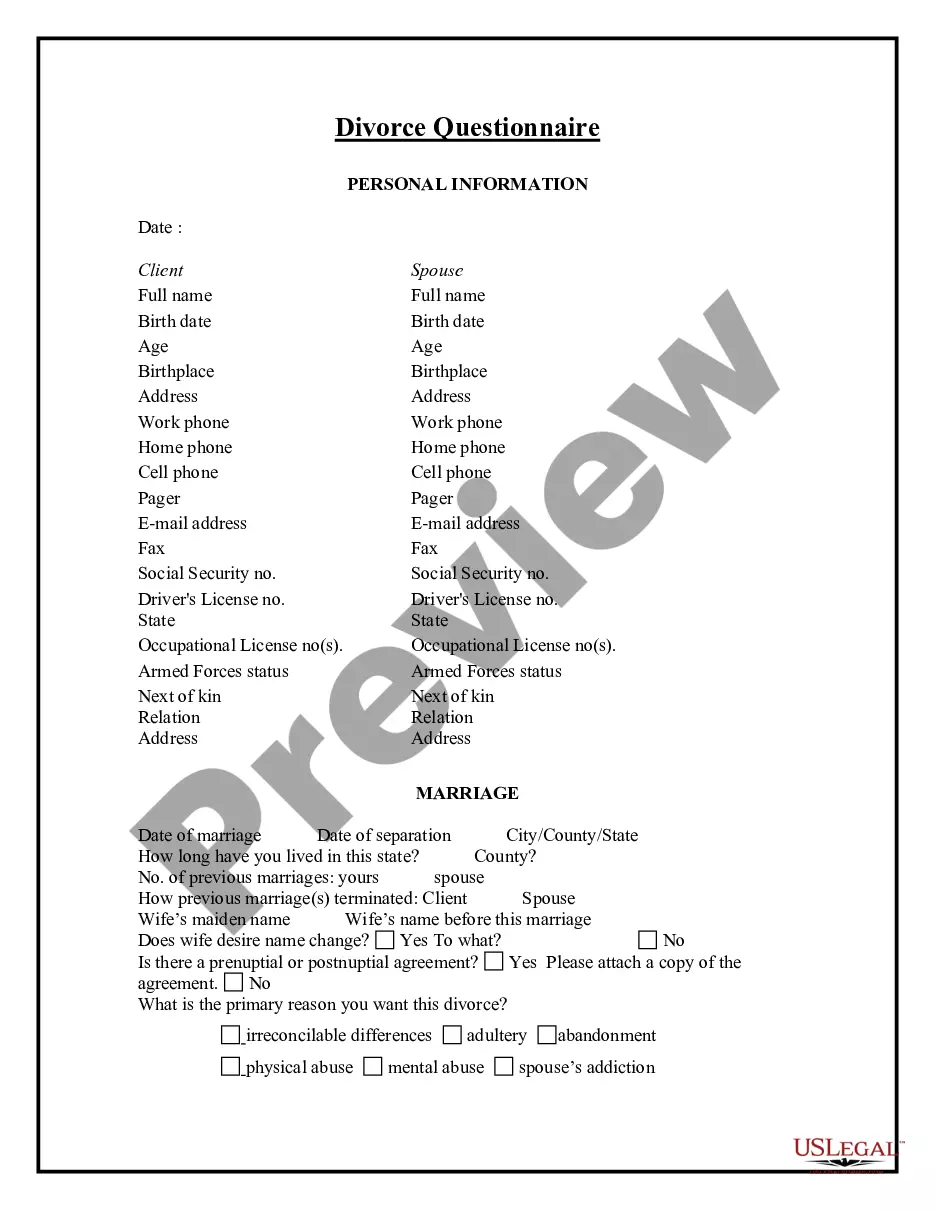
Get your form ready online
Our built-in tools help you complete, sign, share, and store your documents in one place.
Make edits, fill in missing information, and update formatting in US Legal Forms—just like you would in MS Word.
Download a copy, print it, send it by email, or mail it via USPS—whatever works best for your next step.
Sign and collect signatures with our SignNow integration. Send to multiple recipients, set reminders, and more. Go Premium to unlock E-Sign.
If this form requires notarization, complete it online through a secure video call—no need to meet a notary in person or wait for an appointment.
We protect your documents and personal data by following strict security and privacy standards.

Make edits, fill in missing information, and update formatting in US Legal Forms—just like you would in MS Word.

Download a copy, print it, send it by email, or mail it via USPS—whatever works best for your next step.

Sign and collect signatures with our SignNow integration. Send to multiple recipients, set reminders, and more. Go Premium to unlock E-Sign.

If this form requires notarization, complete it online through a secure video call—no need to meet a notary in person or wait for an appointment.

We protect your documents and personal data by following strict security and privacy standards.
Looking for another form?






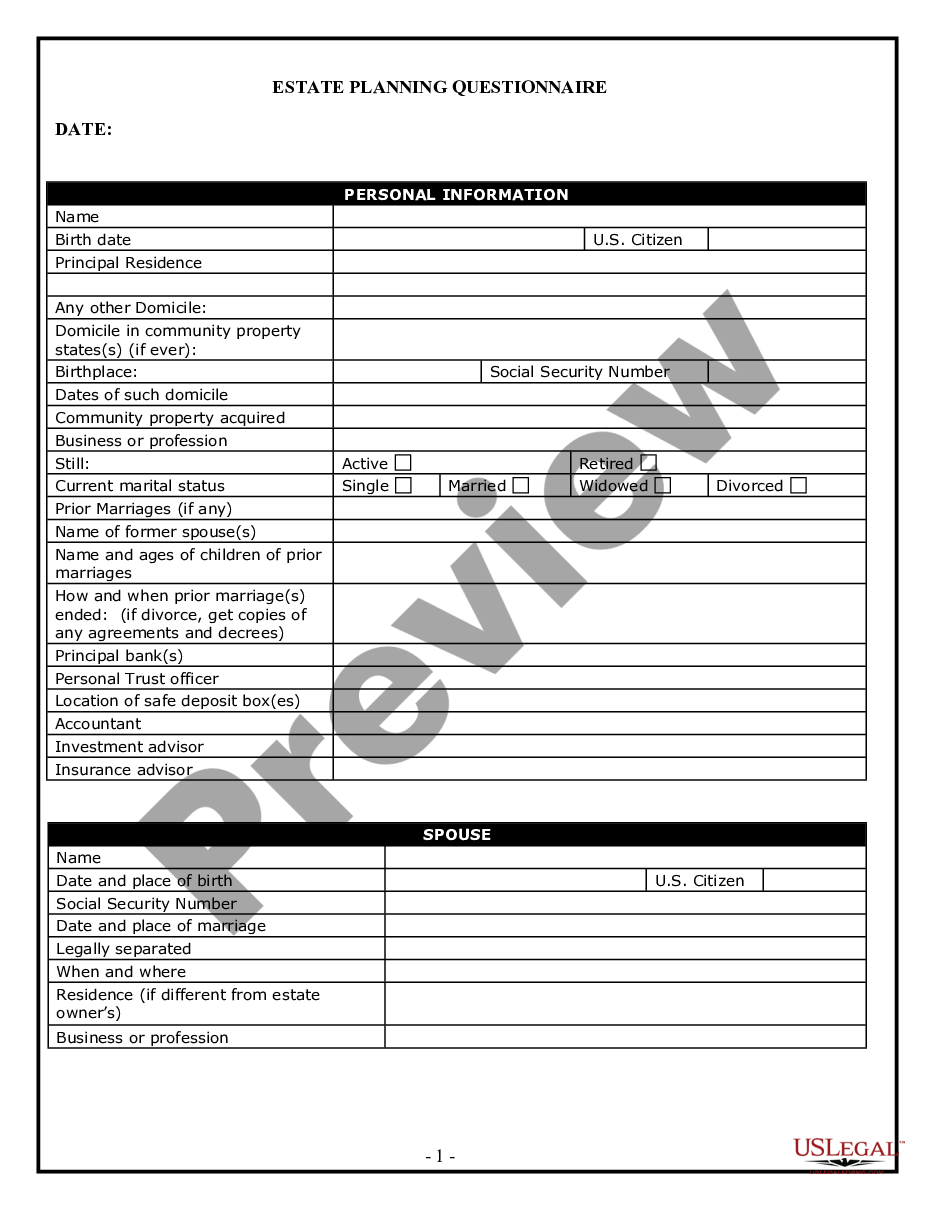
How to fill out Elder Law Questionnaire?
- Log in to your US Legal Forms account if you're a returning user, ensuring your subscription is active.
- Explore the available legal templates by checking the Preview mode and confirm it meets your requirements.
- Use the Search tab if you don’t find what you need, and explore other relevant templates.
- Purchase your desired document by clicking the Buy Now button and selecting your subscription plan.
- Complete the transaction by entering your payment details through credit card or PayPal.
- Download the specific form to your device and access it anytime through the My Forms section of your profile.
By following these straightforward steps, you can successfully procure legal documentation related to elder care. With US Legal Forms, rest assured that you have reliable resources at your fingertips.
Start today and secure the peace of mind you deserve. Access US Legal Forms now!
Form popularity
FAQ
Elder law works by providing legal services tailored to the unique needs of older adults. It helps them understand their rights, navigate healthcare options, and plan their estates. For a clearer understanding of how to approach these matters, resources like elder care law for dummies can guide you in making informed decisions to secure your future.
You should hire an elder law attorney when you face complex issues involving aging, such as planning for long-term care or navigating benefits. It’s wise to seek legal advice before making significant financial or medical decisions. By consulting resources focused on elder care law for dummies, you gain clarity on when legal intervention becomes necessary for your situation.
Elderly law in the United States encompasses a range of regulations and statutes aimed at protecting seniors. This area of law addresses issues like Medicare, Medicaid, and elder abuse prevention. Understanding elderly law, often simplified in guides like elder care law for dummies, enables families to advocate for the rights and well-being of their aging loved ones.
The purpose of an elder lawyer is to assist older adults in navigating legal issues related to aging. This includes areas such as estate planning, guardianship, and long-term care assistance. By understanding elder care law for dummies, you can better appreciate how these professionals protect your rights and interests as you age.
Common health issues affecting the elderly include chronic conditions such as diabetes, osteoporosis, and cognitive decline, like dementia. Understanding these health issues is vital within elder care law for dummies, as they often require specific legal considerations related to care and support. Staying informed can lead to better health outcomes and legal protections for seniors.
Legal issues in elder care can include disputes over wills, healthcare decisions, and financial management. Elder care law for dummies covers various situations such as Medicaid eligibility, asset protection, and elder abuse cases. It's important to be informed about these legalities to ensure comprehensive support for older adults.
Ethical issues in elder law often revolve around autonomy, informed consent, and the ability to represent the interests of elderly clients. Lawyers must balance the legal rights of the elderly with their personal wishes, which can sometimes conflict. Understanding these ethical concerns is essential for anyone involved in elder care law for dummies.
An example of elder law would be the legal aspects surrounding guardianship, which involves appointing someone to make decisions for an elderly person who cannot do so themselves. This area of elder care law for dummies helps ensure that vulnerable seniors receive appropriate care and support. It highlights the importance of having a legal framework that protects their interests.
The five essential rights in elder care law for dummies include the right to safety, the right to make personal decisions, the right to privacy, the right to receive adequate health care, and the right to protection against abuse. Each of these rights plays a vital role in promoting autonomy and dignity for seniors. Knowing these rights enables you to help protect and empower older adults.
In the realm of elder care law for dummies, we need to be aware that common rights violations can include neglect, financial exploitation, and lack of proper consent for medical treatment. Elderly individuals often face discrimination and abuse, which can seriously affect their quality of life. Understanding these violations is crucial for advocating their rights and ensuring their safety.