West Virginia Paid Up Lease Pooling Provision
Understanding this form
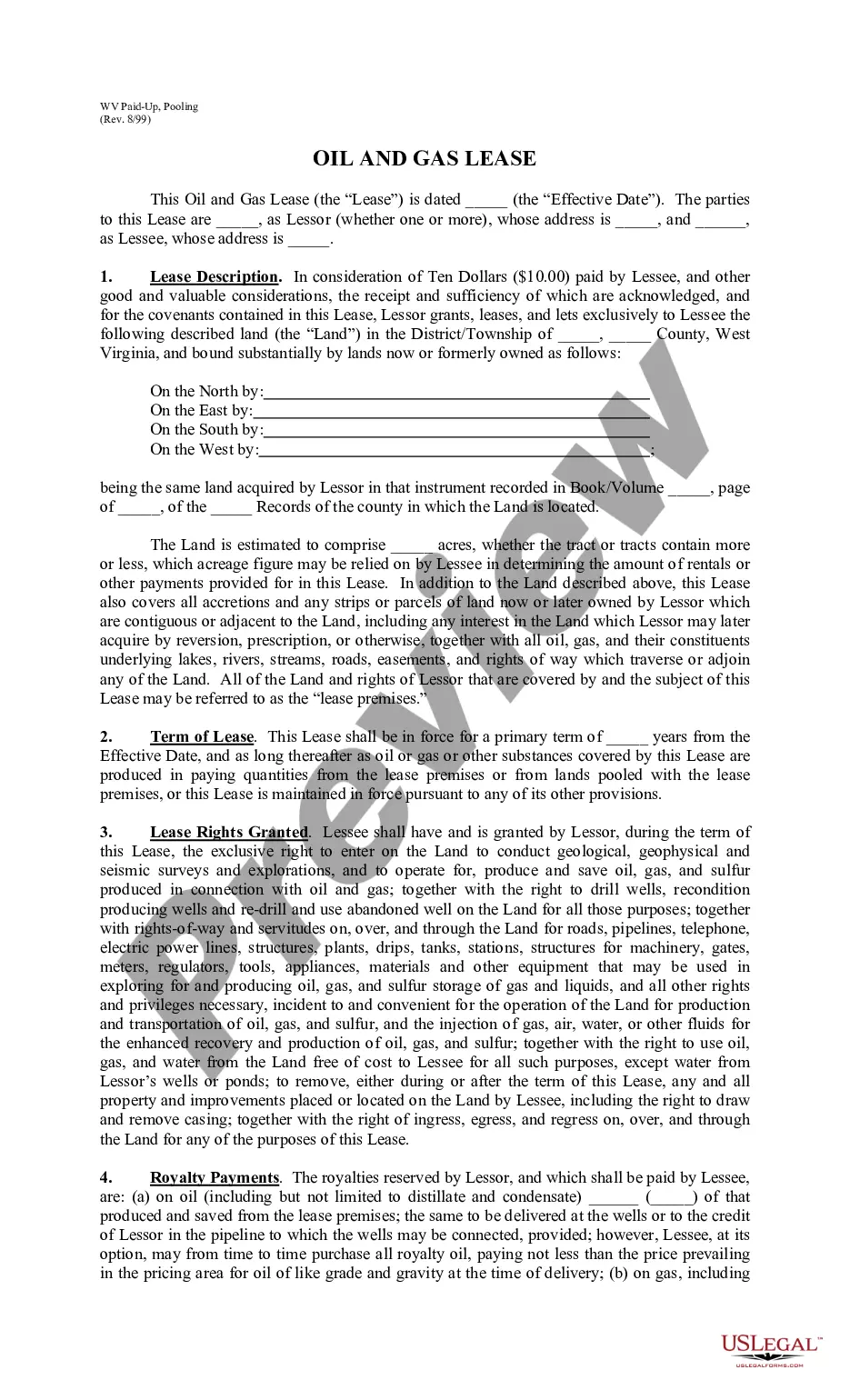
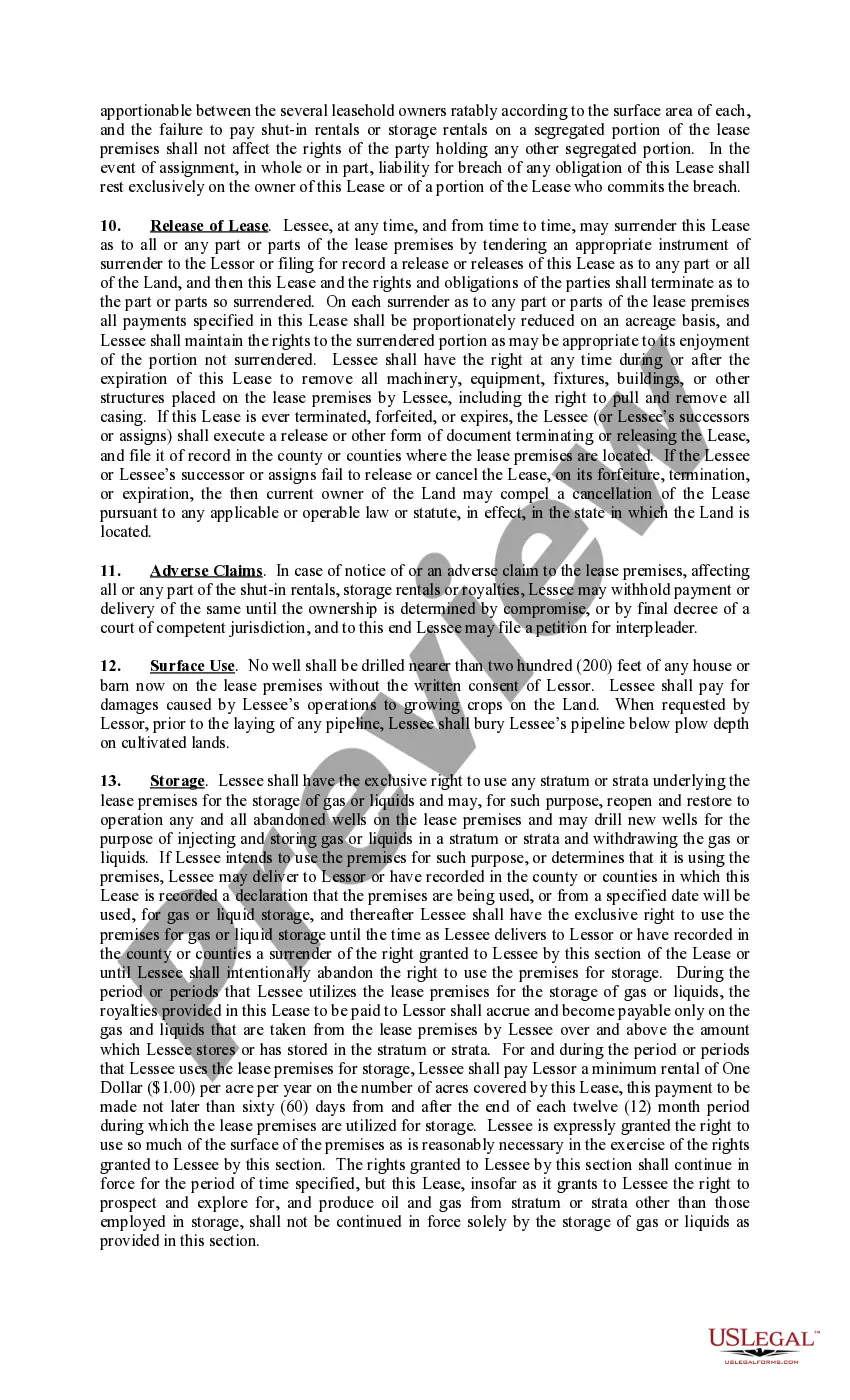
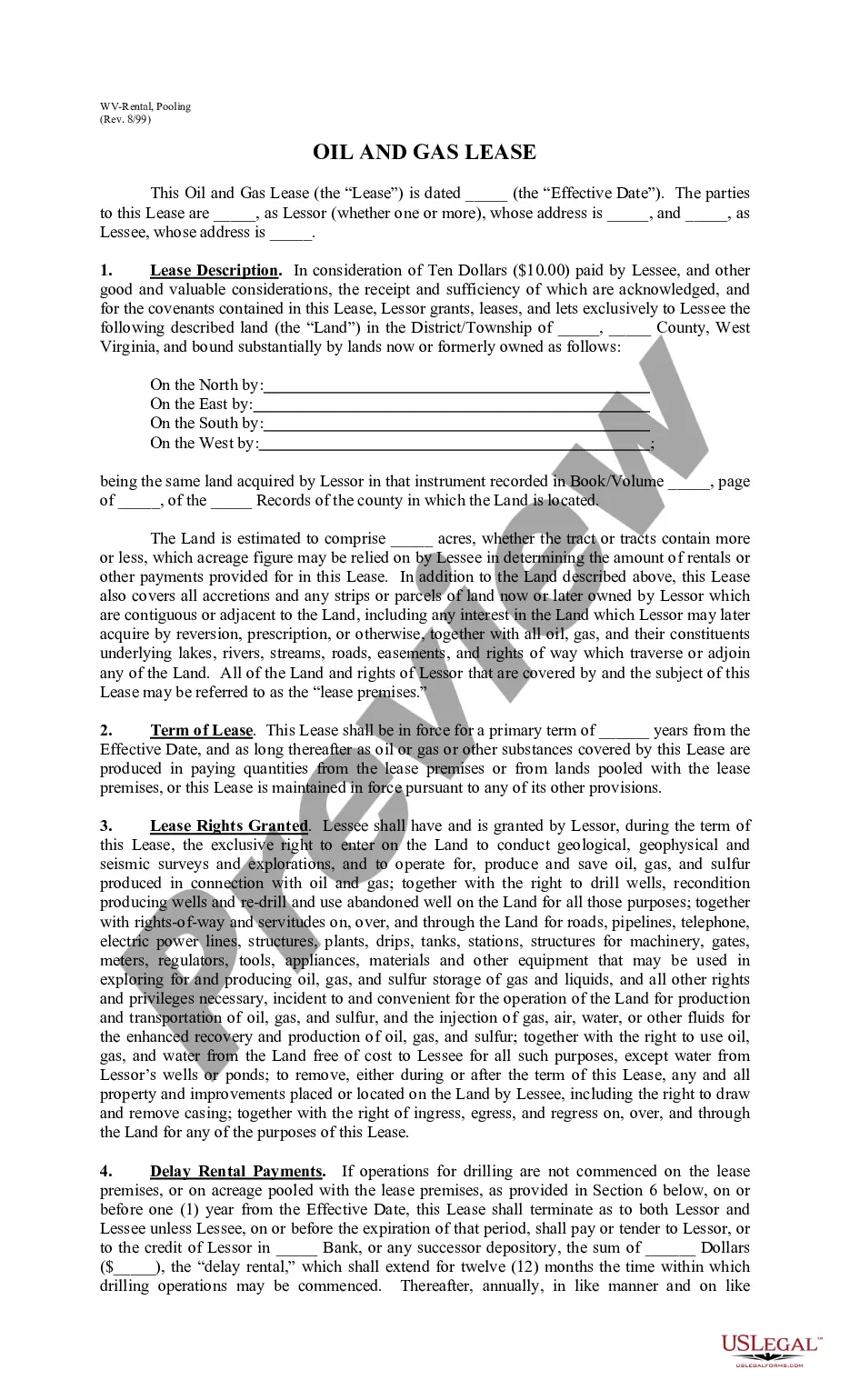
The Paid Up Lease Pooling Provision is a legal document used in West Virginia that allows a lessor to grant exclusive rights to a lessee for mining, extracting, and operating for oil, gas, and other minerals on a specified land. This form differs from standard lease agreements by including a pooling clause, which permits the lessee to combine multiple plots of land for resource extraction without the obligation to commence immediate operations. This structure provides flexibility and financial clarity for both parties involved.
Main sections of this form
- Lease description specifying the land and its dimensions.
- Term of the lease outlining duration and conditions for extension.
- Rights granted to the lessee, including exploration and drilling privileges.
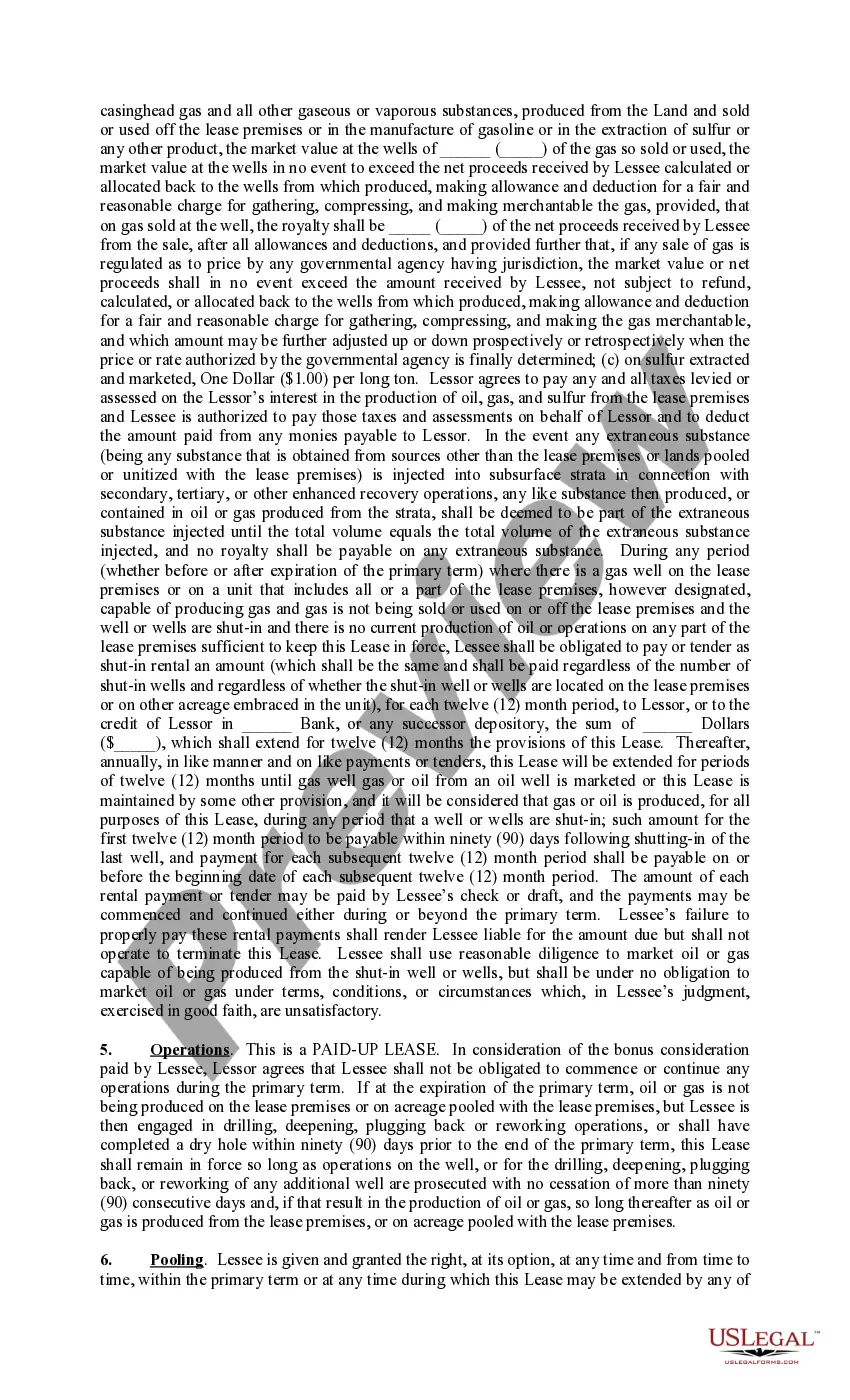
- Royalty payment structures for oil, gas, and sulfur extractions.
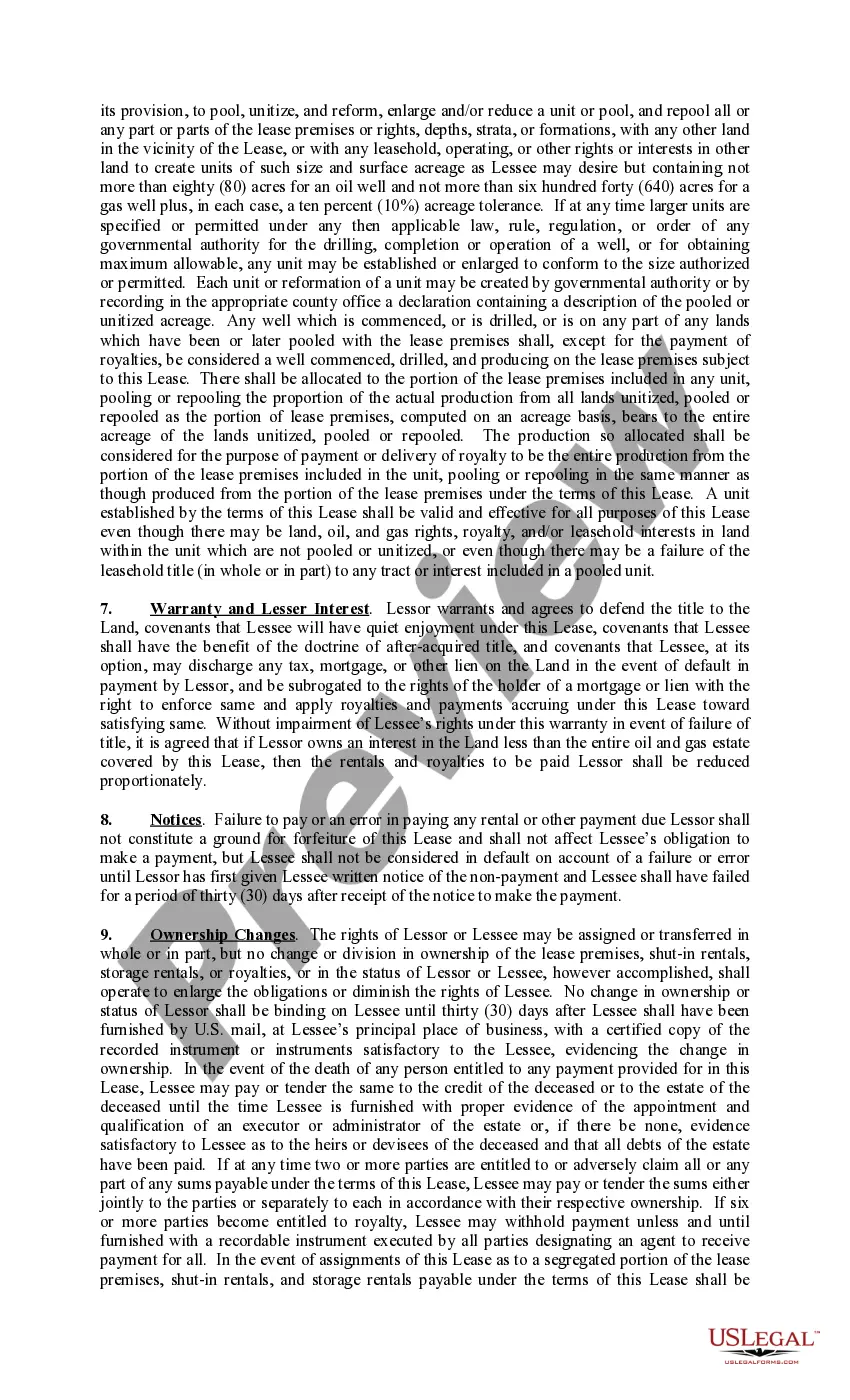
- Pooling rights enabling the lessee to combine acreage for extraction activities.
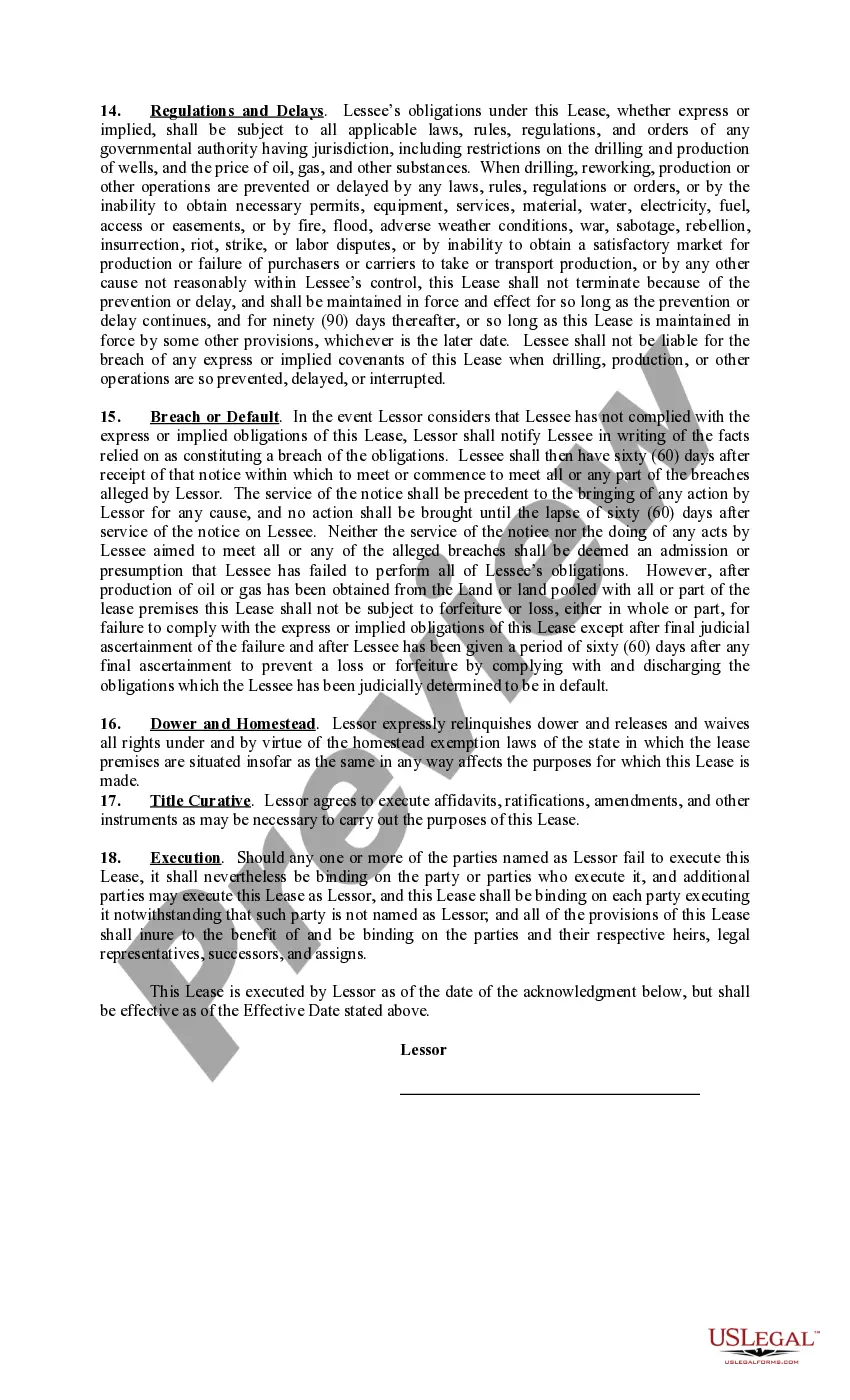
- Provisions for lease termination and surface use.
Common use cases
This form is typically used when a landowner wishes to lease their property for oil and gas operations without immediately commencing these activities. It is particularly useful in situations where exploration is planned, but the lessee needs the flexibility to manage multiple leaseholds or requires additional time before starting operations. This form is ideal for those wanting to secure their rights to mineral extraction while allowing flexibility in development timing.
Who needs this form
This form is intended for:
- Landowners (lessors) who wish to lease their property for mineral extraction.
- Oil and gas companies or individuals (lessees) looking to secure rights for exploration and production.
- Legal professionals representing either party in the leasing agreement.
Steps to complete this form
- Identify and input the names and addresses of the lessor and lessee.
- Clearly define the leased land description, including boundaries and total acreage.
- Set the effective date and term length of the lease.
- Specify the royalty payments for oil, gas, and sulfur extractions.
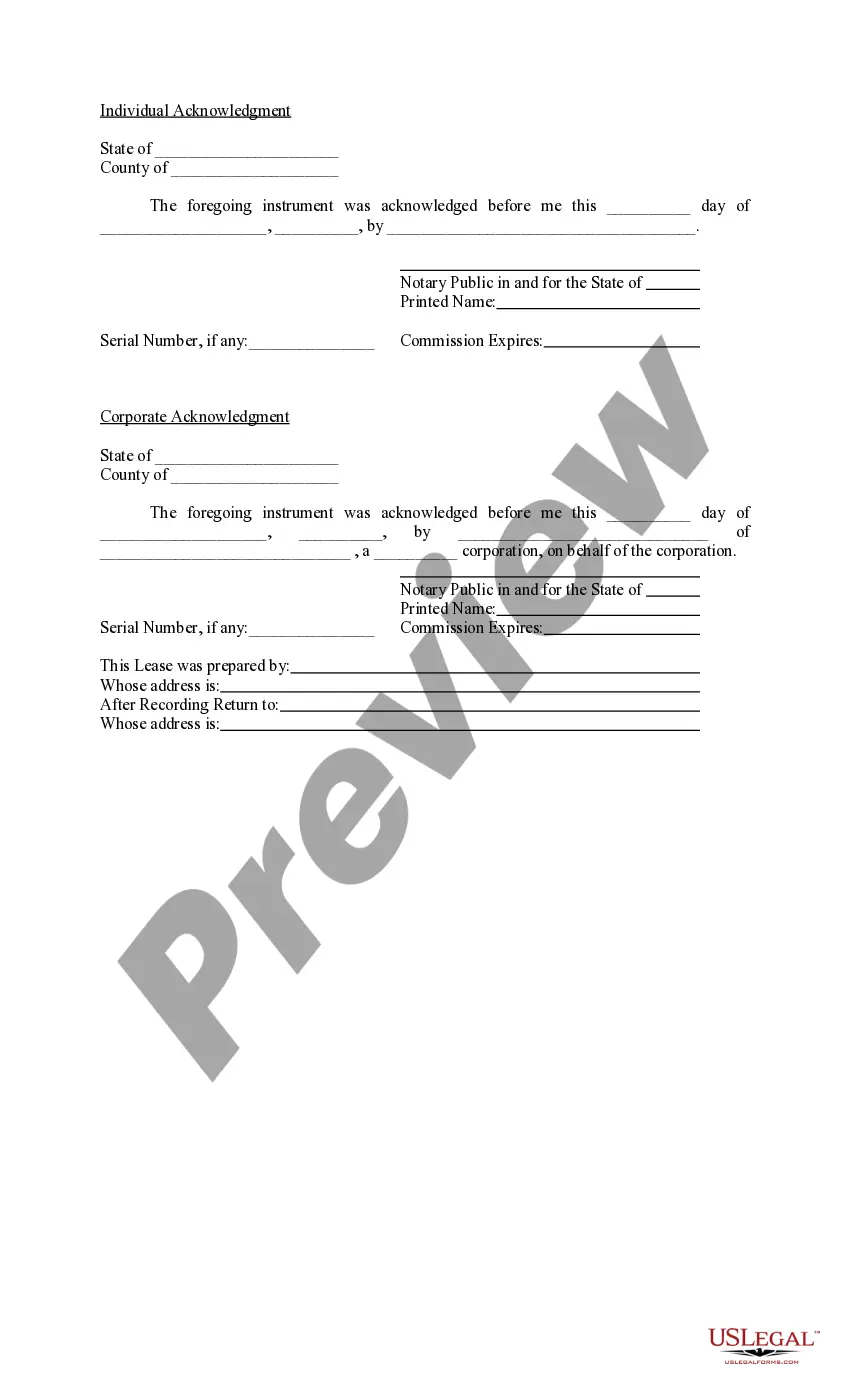
- Sign the lease in the presence of a notary public if required.
Does this form need to be notarized?
Yes, this form must be notarized to be legally valid. Notarization helps to authenticate the identities of the parties involved and ensures that the document is executed with proper legal formality. US Legal Forms offers integrated online notarization, available 24/7 through secure video calls, ensuring convenience without the need to travel.
Get your form ready online
Our built-in tools help you complete, sign, share, and store your documents in one place.
Make edits, fill in missing information, and update formatting in US Legal Forms—just like you would in MS Word.
Download a copy, print it, send it by email, or mail it via USPS—whatever works best for your next step.
Sign and collect signatures with our SignNow integration. Send to multiple recipients, set reminders, and more. Go Premium to unlock E-Sign.
If this form requires notarization, complete it online through a secure video call—no need to meet a notary in person or wait for an appointment.
We protect your documents and personal data by following strict security and privacy standards.

Make edits, fill in missing information, and update formatting in US Legal Forms—just like you would in MS Word.

Download a copy, print it, send it by email, or mail it via USPS—whatever works best for your next step.

Sign and collect signatures with our SignNow integration. Send to multiple recipients, set reminders, and more. Go Premium to unlock E-Sign.

If this form requires notarization, complete it online through a secure video call—no need to meet a notary in person or wait for an appointment.

We protect your documents and personal data by following strict security and privacy standards.
Avoid these common issues
- Failing to clearly identify the property boundaries and measurements.
- Leaving out the effective date and term length of the lease.
- Not specifying the percentage and method of calculating royalty payments.
- Overlooking necessary signatures or notarization requirements.
Advantages of online completion
- Convenience of completing the form at any time without needing to visit a lawyer's office.
- Ability to edit the form to align with specific needs easily.
- Access to forms prepared by licensed attorneys, ensuring legal compliance.
- Instant downloads for immediate use, expediting the leasing process.
Looking for another form?

Form popularity
FAQ
Indiana. Indiana laws allow landlords to hold on to security deposits for 45 days to give them time to determine any damages caused by tenants. Colorado. Colorado is one of few states that allow landlords to access the rental property without an advance notice requirement. Georgia.
Yes, West Virginia is an extremely landlord-friendly state because there are virtually no restrictions on evictions and there are no limits on rental pricing or increases.
State law prohibits landlords from entering rental housing without either the consent of the tenant or providing reasonable notice in advance, unless circumstances require the landlord to perform emergency repairs.
West Virginia Eviction Process Timeline Initial Notice Period 30-90 days, but only required for no lease/end of lease evictions. Issuance/Service of Summons and Complaint Within 10 days before the hearing; but if not served within 120 days, the eviction case may be dismissed.
Notice to Terminate Tenancy Month to Month Lease: For any lease under the term of one year, either party can terminate the lease by providing the other party written notice prior to the end of the lease. For a month to month lease, 30 days must be given. pursuant to §37-6-5.