Arizona Motion for Dismissal
Overview of this form
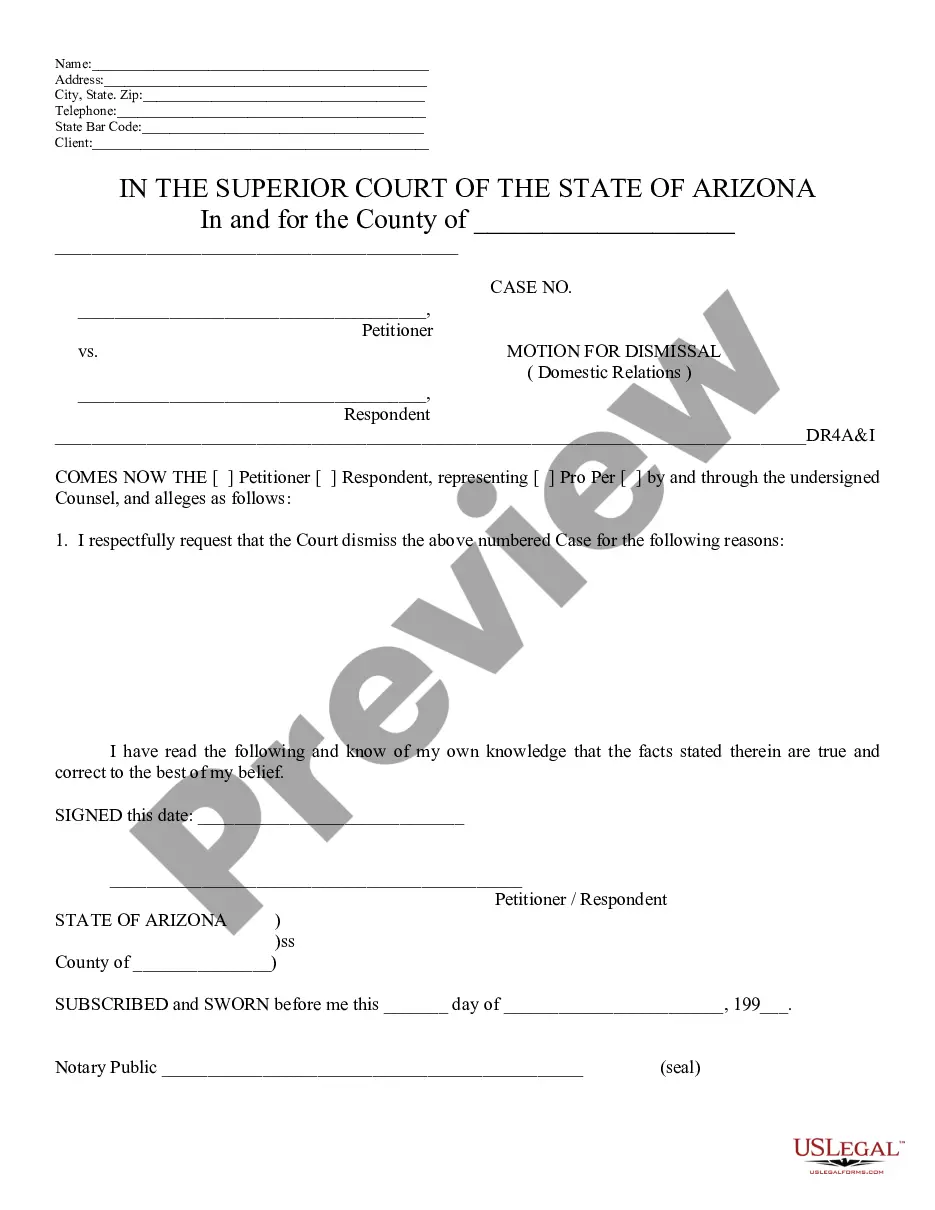
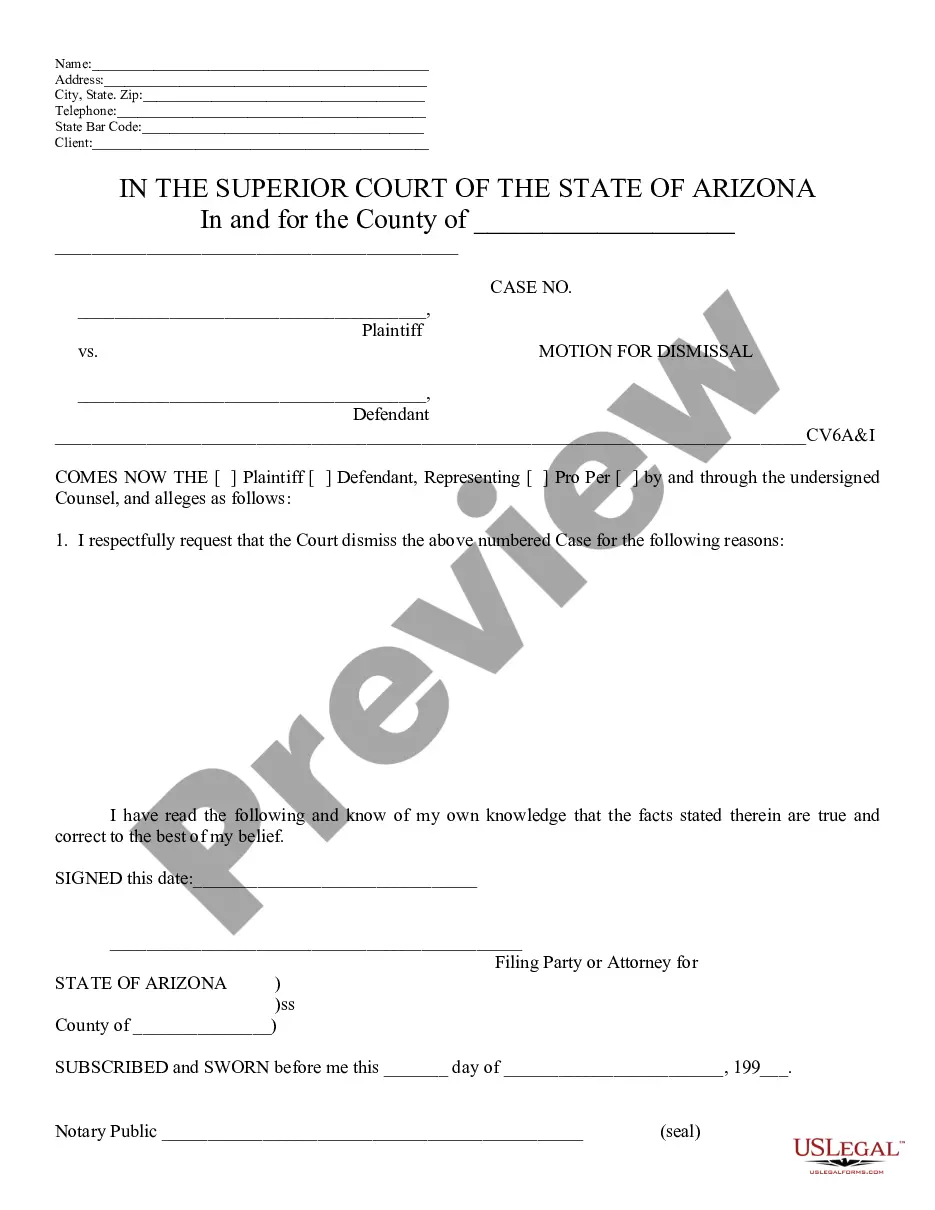
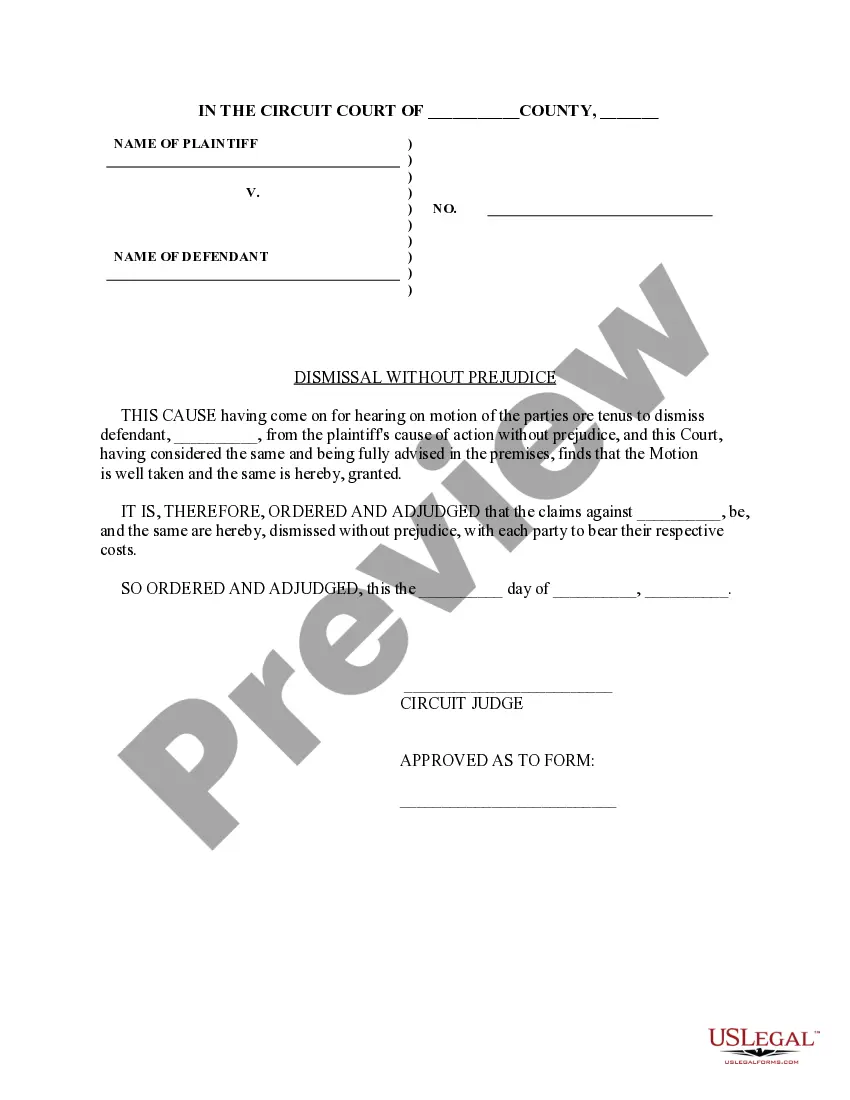
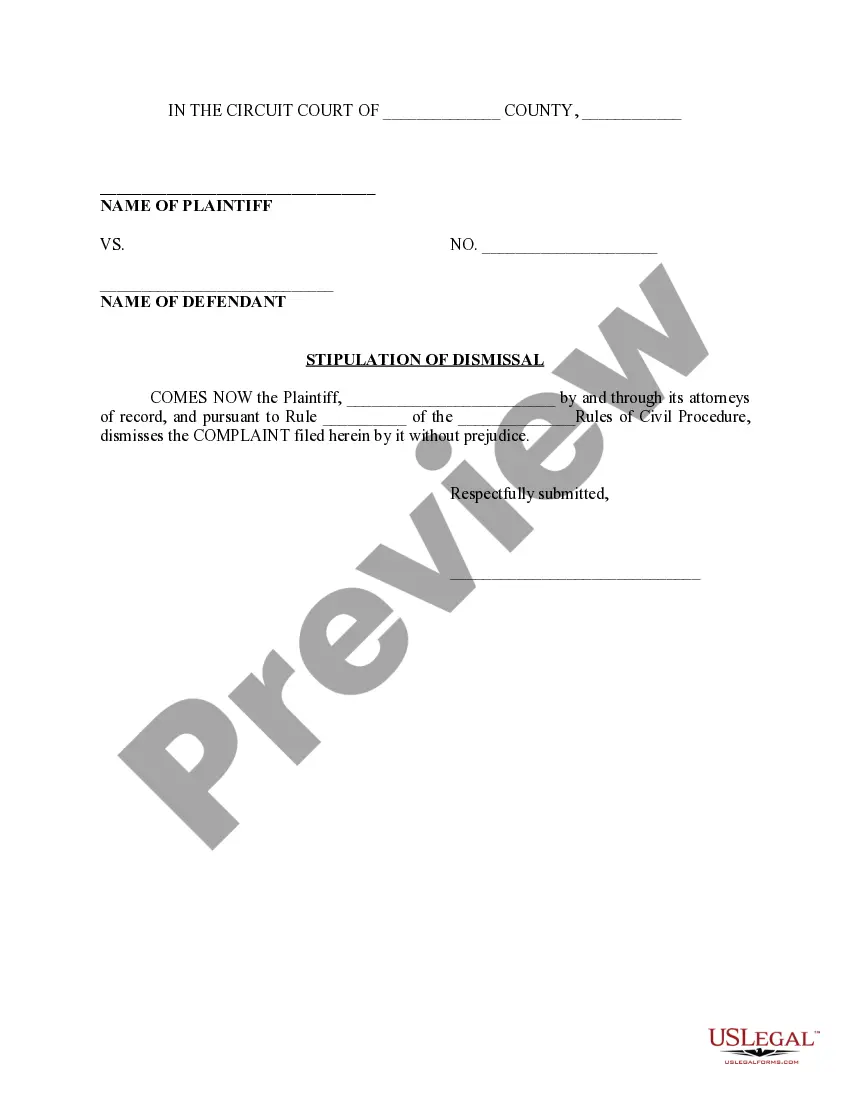
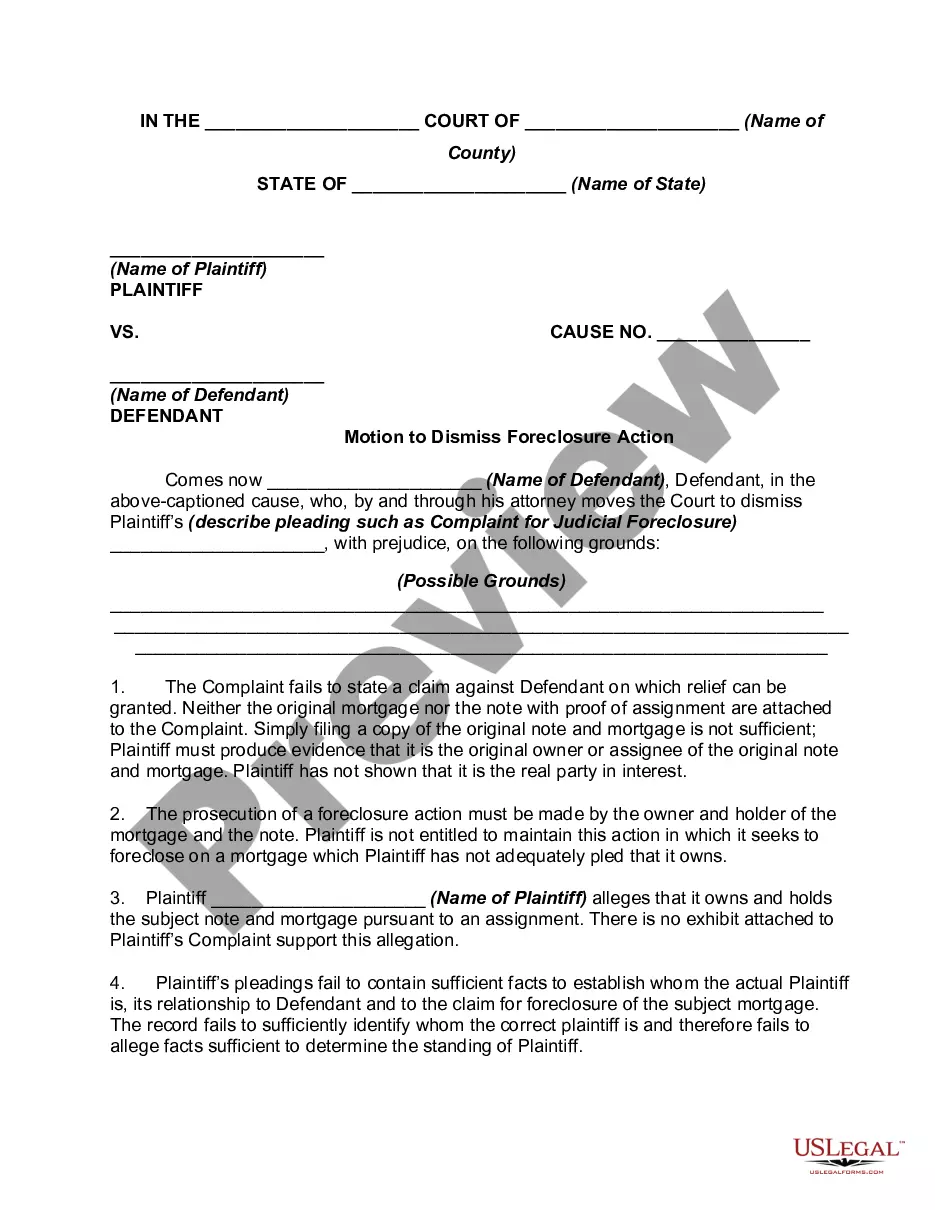
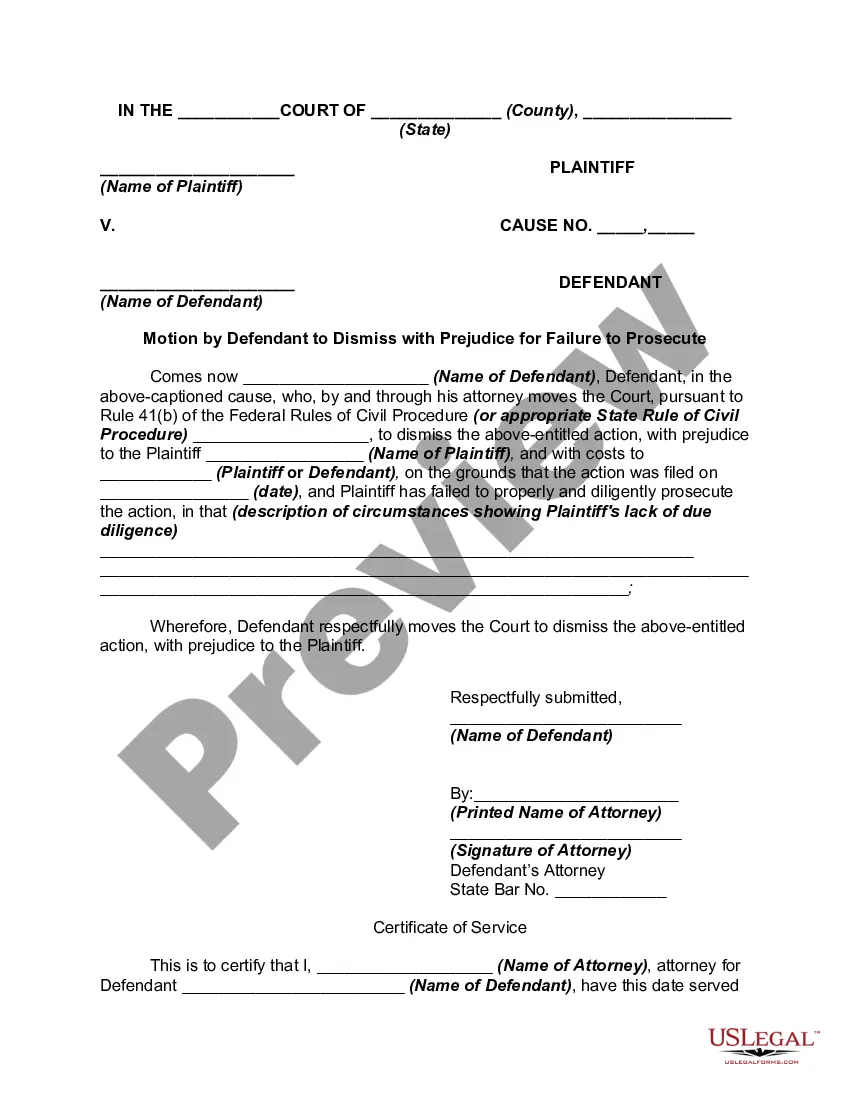
A Motion for Dismissal is a formal written request to the court asking for a case to be dismissed. This type of motion is used when the petitioner believes that there are valid reasons to terminate the case without further proceedings. It can be utilized in various legal contexts, particularly in domestic relations, and is different from other motions as it specifically seeks to halt legal action rather than to compel an action or decision from the court.
Main sections of this form
- Address and contact information for the filing party.
- Identification of the case and parties involved (Petitioner and Respondent).
- Statement of the reasons for requesting dismissal.
- Signature of the Petitioner/Respondent to affirm the accuracy of the claims.
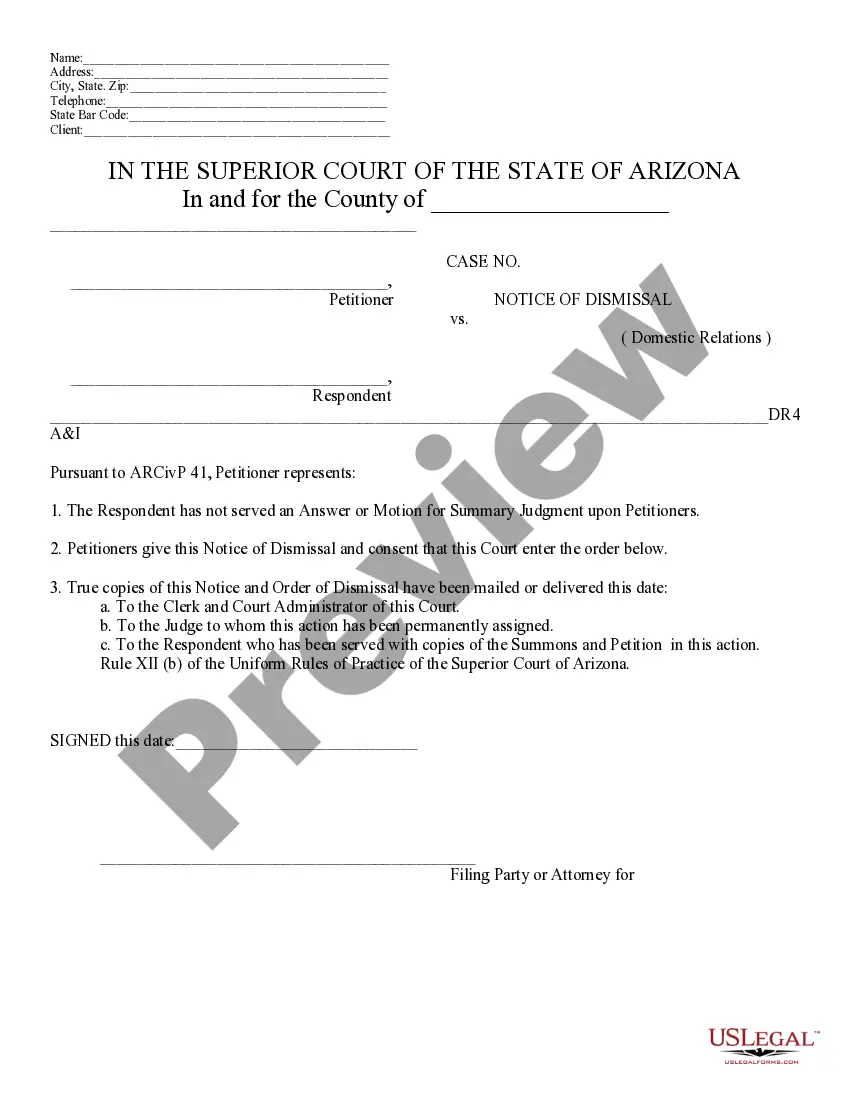
- Sections for notifications regarding the dismissal to involved parties.
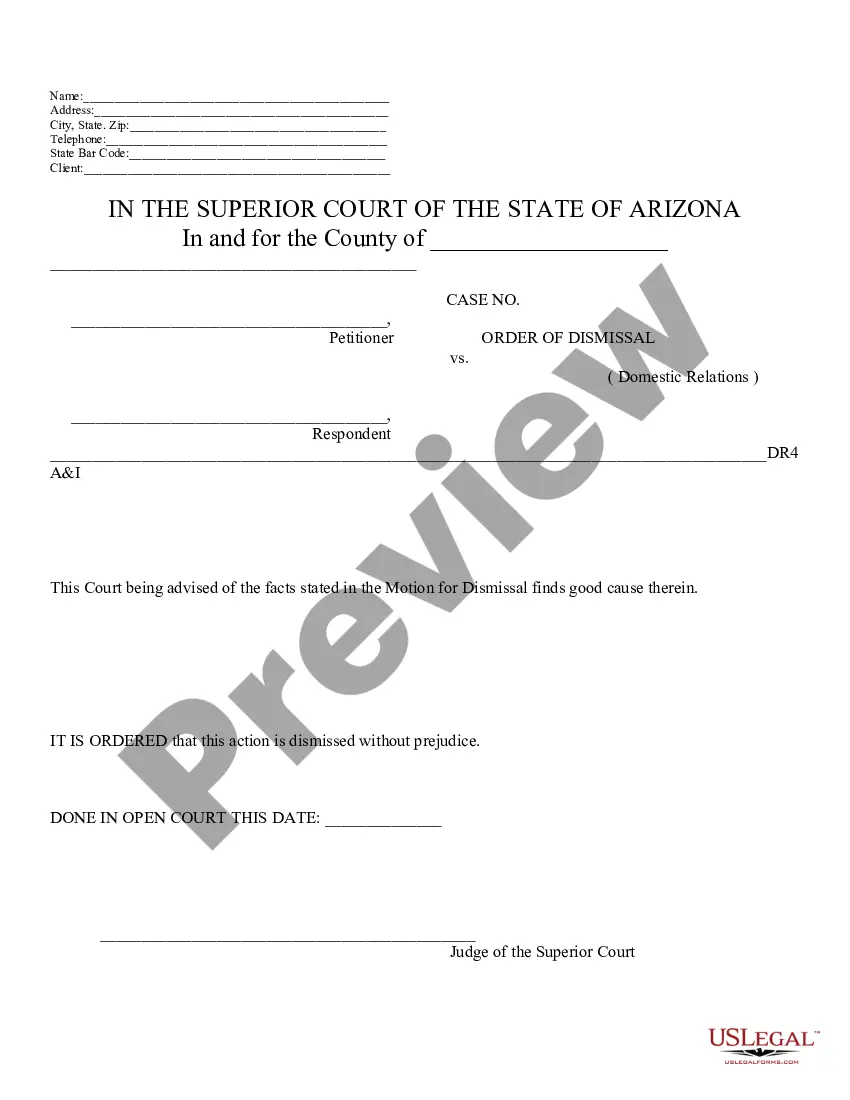
- Final order from the court confirming the dismissal.

Situations where this form applies
This form should be used when a party involved in a legal proceeding decides to request the court to dismiss the case. Common scenarios include situations where the responding party has not answered the filed petition or when the petitioner no longer wishes to pursue the case due to changed circumstances or settlements outside of court. It is an essential tool for legally terminating cases in a timely manner in a domestic relations context.
Who should use this form
- Individuals who are the petitioners or respondents in a case filed within the court.
- Parties who represent themselves in legal matters (pro per litigants).
- Anyone involved in domestic relations cases who wishes to terminate pending legal action.
How to complete this form
- Fill in your name and contact details at the top of the form.
- Clearly identify the case number and the parties involved in the legal action.
- State the reasons for requesting a dismissal in the provided section.
- Sign and date the form to affirm the truthfulness of the information.
- Ensure that copies are sent to all involved parties, including the court and respondent.
Notarization requirements for this form
To make this form legally binding, it must be notarized. Our online notarization service, powered by Notarize, lets you verify and sign documents remotely through an encrypted video session.
Get your form ready online
Our built-in tools help you complete, sign, share, and store your documents in one place.
Make edits, fill in missing information, and update formatting in US Legal Forms—just like you would in MS Word.
Download a copy, print it, send it by email, or mail it via USPS—whatever works best for your next step.
Sign and collect signatures with our SignNow integration. Send to multiple recipients, set reminders, and more. Go Premium to unlock E-Sign.
If this form requires notarization, complete it online through a secure video call—no need to meet a notary in person or wait for an appointment.
We protect your documents and personal data by following strict security and privacy standards.

Make edits, fill in missing information, and update formatting in US Legal Forms—just like you would in MS Word.

Download a copy, print it, send it by email, or mail it via USPS—whatever works best for your next step.

Sign and collect signatures with our SignNow integration. Send to multiple recipients, set reminders, and more. Go Premium to unlock E-Sign.

If this form requires notarization, complete it online through a secure video call—no need to meet a notary in person or wait for an appointment.

We protect your documents and personal data by following strict security and privacy standards.
Avoid these common issues
- Failing to include a case number or identifying details.
- Not signing the form, which may result in the motion being rejected.
- Forgetting to notify all relevant parties of the dismissal.
- Providing insufficient reasons for the dismissal, which could lead to denial of the motion.
Advantages of online completion
- Immediate access to a legally compliant template, ensuring accuracy and adherence to court requirements.
- Convenience of downloading the form at any time and editing as needed.
- Cost-effectiveness compared to hiring an attorney for simple motions.
What to keep in mind
- A Motion for Dismissal is a formal way to request that a court ends legal proceedings.
- Completing the form accurately and notifying all parties is crucial for a successful dismissal.
- This form is specific to Arizona courts and aligns with local procedural rules.
Looking for another form?




Form popularity
FAQ
A case dismissed without prejudice in Arizona can typically be reopened at any time before the statute of limitations expires. This means you have the option to refile your case if new evidence arises or if circumstances change. However, it's essential to act within the historical legal timeframe relevant to your case. Seeking advice from legal professionals can clarify the best course of action for your specific situation.
In Arizona, you generally have 20 days to respond to a motion to dismiss after it has been served to you. This response is crucial as it allows you to present your arguments against the requested dismissal. Failing to respond within the deadline could lead to the court granting the motion by default. It's important to understand the timeline and act promptly to protect your rights.
Filing a motion to dismiss a case in Arizona involves drafting a document that details your reasons for dismissal and submitting it to the court. You must adhere to specific court rules and deadlines when preparing your Arizona Motion for Dismissal. After filing, serve copies to all involved parties to ensure everyone is informed. Using services like USLegalForms can streamline this process by providing templates and guidance.
A case on the dismissal calendar in Arizona indicates that the court has scheduled a hearing to consider motions for dismissal. This calendar allows judges to review cases where parties seek to have charges dropped or proceedings halted. Being on this calendar doesn't guarantee dismissal; rather, it's an opportunity for both parties to argue their positions. Understanding this process can help you prepare for the hearing effectively.
To get a case dismissed in Arizona, you typically need to file an Arizona Motion for Dismissal with the court. This motion should clearly outline the reasons for your request, such as lack of evidence or jurisdiction issues. After filing, a hearing may be scheduled where you can present your arguments. It's advisable to seek legal advice to ensure your motion is well-prepared and to increase your chances of success.
The Second Chance Law in Arizona allows individuals with certain criminal convictions to have their records cleared after completing their sentence. This law aims to provide a fresh start for those who have turned their lives around, promoting reintegration into the community. To take advantage of this law, you typically need to file a petition that includes your eligibility details. Using the Arizona Motion for Dismissal as part of this process can significantly aid in your efforts.
Filing a motion to dismiss in criminal court requires you to prepare legal documentation that outlines your reasons for the motion. You should include evidence and relevant case law supporting your claim. Once you have completed the paperwork, you must submit it to the court and serve copies to the opposing party. Understanding the nuances of the Arizona Motion for Dismissal process can be complex, so seeking assistance through professional services can be beneficial.
To get a criminal case dismissed in Arizona, you must file an Arizona Motion for Dismissal with the appropriate court. This motion usually requires you to present valid reasons why the case should not proceed, such as insufficient evidence or a lack of legal grounds. It is crucial to follow the correct legal procedures to ensure the court considers your request. Consulting with a legal expert can provide you with tailored guidance and improve your chances of success.
To clear your record in Arizona, you typically need to file a request for expungement or a motion for dismissal. This process involves demonstrating to the court that the charges were resolved favorably or that you have met other specific requirements. Engaging with experienced legal professionals can streamline this process and significantly improve your chances. Understanding the Arizona Motion for Dismissal is essential, as it helps in addressing your case effectively.
You have 20 days to respond to a motion to dismiss in Arizona. This timeframe allows parties to present their arguments and defend their position. If you miss this window, you may face unfavorable outcomes. By utilizing US Legal Forms, you can ensure that your response to an Arizona Motion for Dismissal is timely and effectively crafted.