Payoff Option Formula In Wayne
Description

Get your form ready online
Our built-in tools help you complete, sign, share, and store your documents in one place.
Make edits, fill in missing information, and update formatting in US Legal Forms—just like you would in MS Word.
Download a copy, print it, send it by email, or mail it via USPS—whatever works best for your next step.
Sign and collect signatures with our SignNow integration. Send to multiple recipients, set reminders, and more. Go Premium to unlock E-Sign.
If this form requires notarization, complete it online through a secure video call—no need to meet a notary in person or wait for an appointment.
We protect your documents and personal data by following strict security and privacy standards.

Make edits, fill in missing information, and update formatting in US Legal Forms—just like you would in MS Word.

Download a copy, print it, send it by email, or mail it via USPS—whatever works best for your next step.

Sign and collect signatures with our SignNow integration. Send to multiple recipients, set reminders, and more. Go Premium to unlock E-Sign.

If this form requires notarization, complete it online through a secure video call—no need to meet a notary in person or wait for an appointment.

We protect your documents and personal data by following strict security and privacy standards.
Looking for another form?


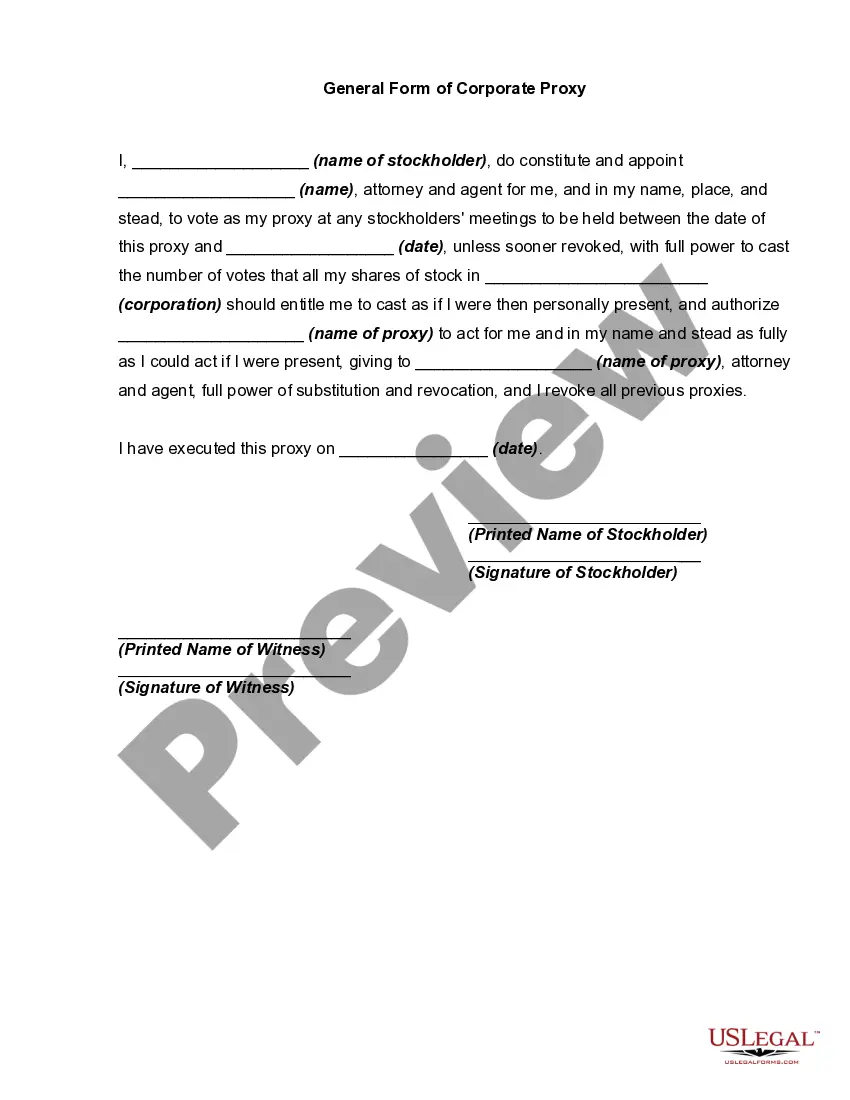



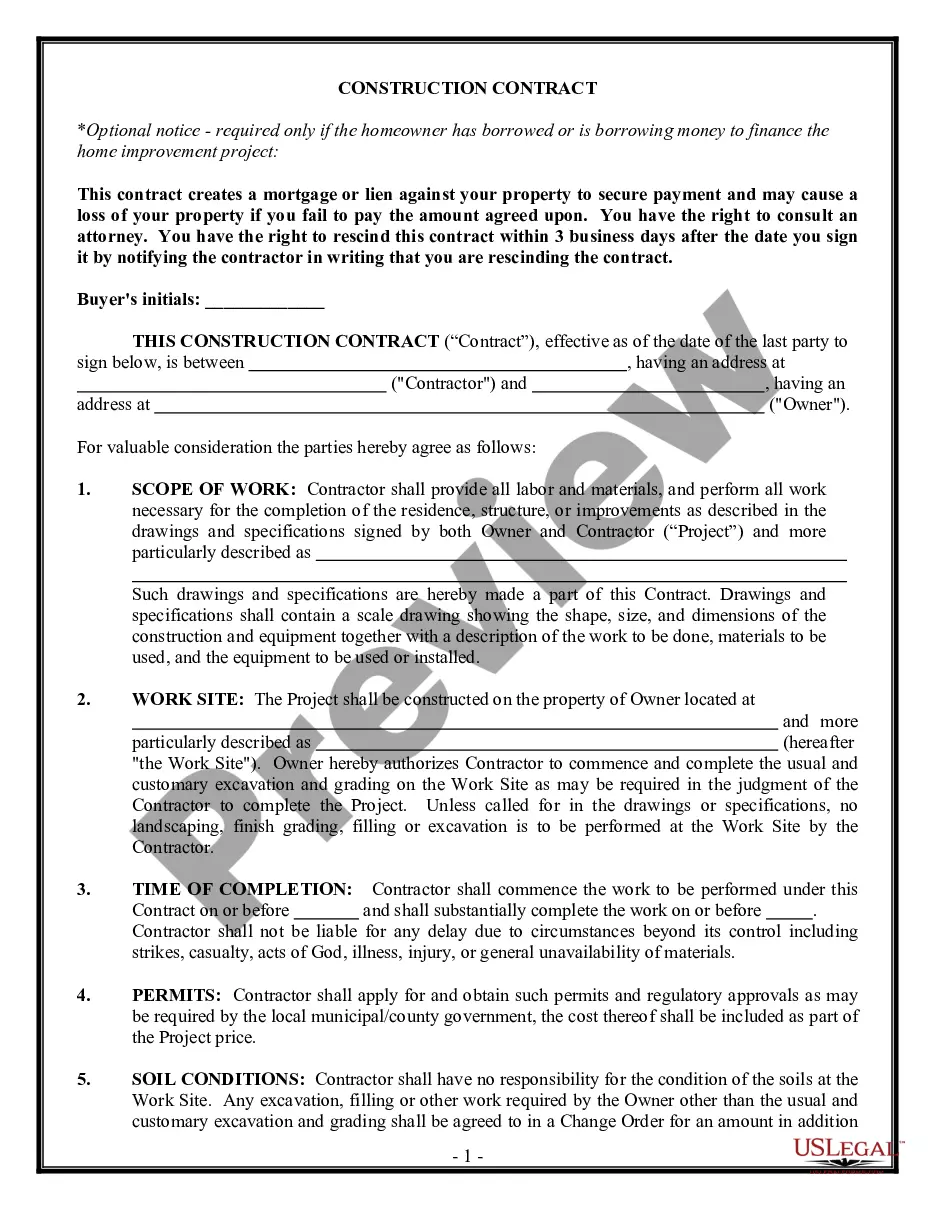



Form popularity
FAQ
A put payoff diagram explains the profit/loss from the put option on expiration and the breakeven point of the transaction. It's a pictorial representation of the possible results of your action (of buying a Put).
The payoff function is actually a function on the strategy profiles in the game to the real numbers. We can also examine the individual moves by a player. This is a vector in S i m and can be written as s = (sp,sq,…,st).
In simple words, it means that the losses for the buyer of an option are limited, however the profits are potentially unlimited. For a writer (seller), the payoff is exactly the opposite. His profits are limited to the option premium, however his losses are potentially unlimited.
The payoff function is a function u i : S 1 × S 2 × ⋯ S m → R .
The formula for calculating the option premium is as follows: Option premium = Intrinsic value + Time value + Volatility value.
The formula for calculating the option premium is as follows: Option premium = Intrinsic value + Time value + Volatility value.
For simple formulas, simply type the equal sign followed by the numeric values that you want to calculate and the math operators that you want to use — the plus sign (+) to add, the minus sign (-) to subtract, the asterisk () to multiply, and the forward slash (/) to divide.
