Loan Payoff Form With Interest Calculator In Queens
Description
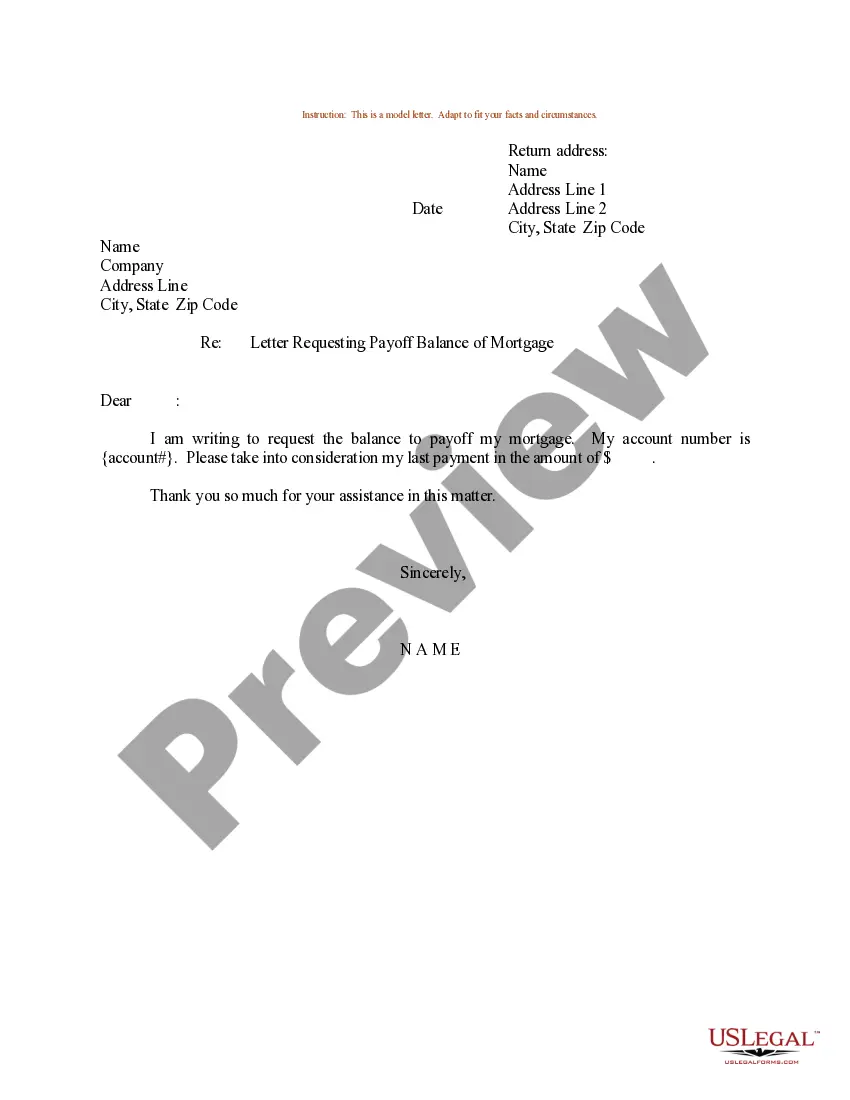
Get your form ready online
Our built-in tools help you complete, sign, share, and store your documents in one place.
Make edits, fill in missing information, and update formatting in US Legal Forms—just like you would in MS Word.
Download a copy, print it, send it by email, or mail it via USPS—whatever works best for your next step.
Sign and collect signatures with our SignNow integration. Send to multiple recipients, set reminders, and more. Go Premium to unlock E-Sign.
If this form requires notarization, complete it online through a secure video call—no need to meet a notary in person or wait for an appointment.
We protect your documents and personal data by following strict security and privacy standards.

Make edits, fill in missing information, and update formatting in US Legal Forms—just like you would in MS Word.

Download a copy, print it, send it by email, or mail it via USPS—whatever works best for your next step.

Sign and collect signatures with our SignNow integration. Send to multiple recipients, set reminders, and more. Go Premium to unlock E-Sign.

If this form requires notarization, complete it online through a secure video call—no need to meet a notary in person or wait for an appointment.

We protect your documents and personal data by following strict security and privacy standards.
Looking for another form?









Form popularity
FAQ
The statement is provided by the mortgage servicer and can be requested at any time. Accurate payoff information is crucial for managing financial decisions related to property ownership.
Formula: (Total amount of judgment owed) × (applicable interest rate) = interest earned per year. That number divided by 365 = amount of daily interest. Step 1: Calculate the daily interest on a judgment. This is the amount of interest earned per day on a judgment.
The simple interest expense formula is Interest Expense = Principal x Rate x Time. r = The rate of interest expressed as a decimal. For example, 5% would be written as 0.05.
For consumer debt cases, the interest rate is 2% annually. This rate applies whether the interest is being calculated before or after a court judgment. For other types of cases, such as personal injury lawsuits, the post-judgment interest rate is much higher — 2% per month, which works out to 24% annually.
1. Take your judgment amount and multiply it by your post judgment rate (%). 2. Take the total and divide it by 365 (the number of days in a year).
First, you'll need to contact your lender and let them know you want the information. Depending on your lender, you may have to sign in to an online account, call a helpline, or send a formal letter to start the request process.
If a principal amount P is invested at an interest rate r for t years, then the simple interest earned will be I = Prt.
How can I request a payoff statement? Contact your servicing bank (where you make your monthly mortgage payments) and request a payoff statement.
The post-judgment interest rate for judgments entered from December 30 through January 5, 2025, is: 4.23%. 2024 rates may be found here. Historic rates from 2000 - 2023 can be found here.
New York Interest Rate Laws at a Glance Consumers often agree to rates higher than the limit and in doing so, waive the protections. This often renders legal interest rate limits to little more than general guidelines. In any event, New York's interest rate limit is 16 percent.
