Sample Loan Payoff Letter Template Foreclosure In Phoenix
Description
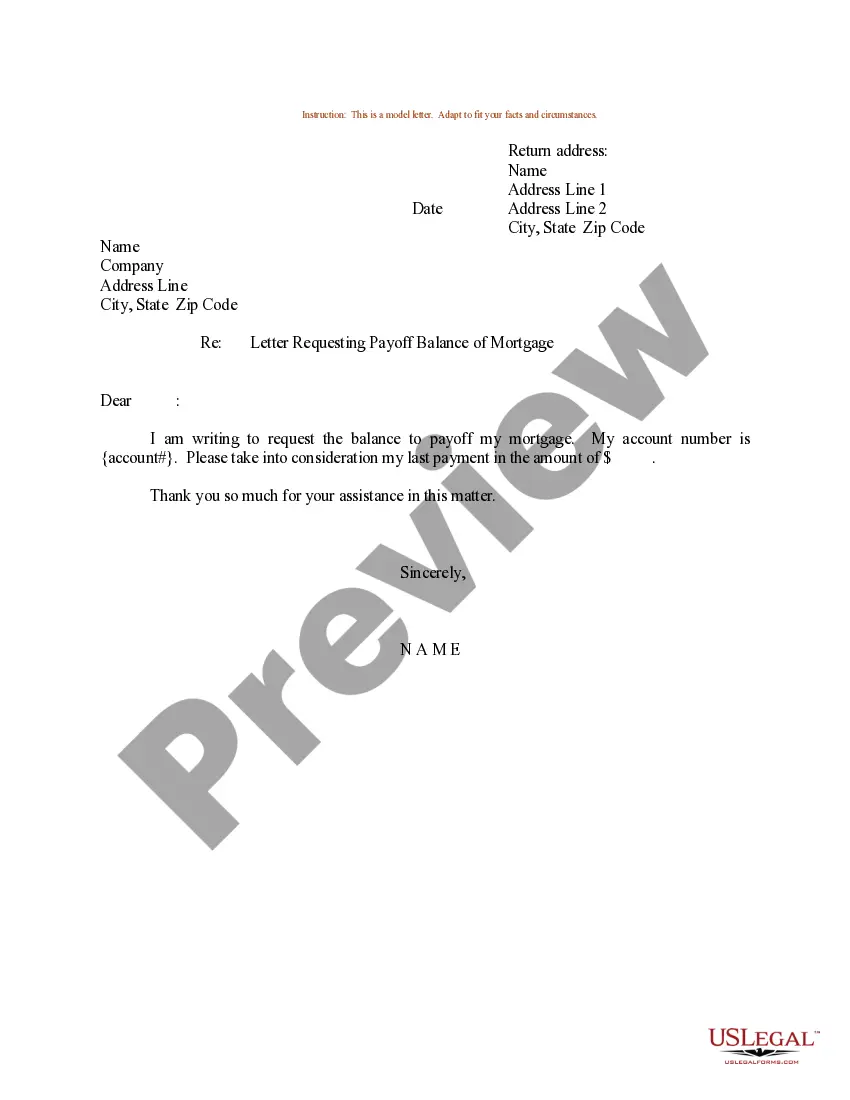
Get your form ready online
Our built-in tools help you complete, sign, share, and store your documents in one place.
Make edits, fill in missing information, and update formatting in US Legal Forms—just like you would in MS Word.
Download a copy, print it, send it by email, or mail it via USPS—whatever works best for your next step.
Sign and collect signatures with our SignNow integration. Send to multiple recipients, set reminders, and more. Go Premium to unlock E-Sign.
If this form requires notarization, complete it online through a secure video call—no need to meet a notary in person or wait for an appointment.
We protect your documents and personal data by following strict security and privacy standards.

Make edits, fill in missing information, and update formatting in US Legal Forms—just like you would in MS Word.

Download a copy, print it, send it by email, or mail it via USPS—whatever works best for your next step.

Sign and collect signatures with our SignNow integration. Send to multiple recipients, set reminders, and more. Go Premium to unlock E-Sign.

If this form requires notarization, complete it online through a secure video call—no need to meet a notary in person or wait for an appointment.

We protect your documents and personal data by following strict security and privacy standards.
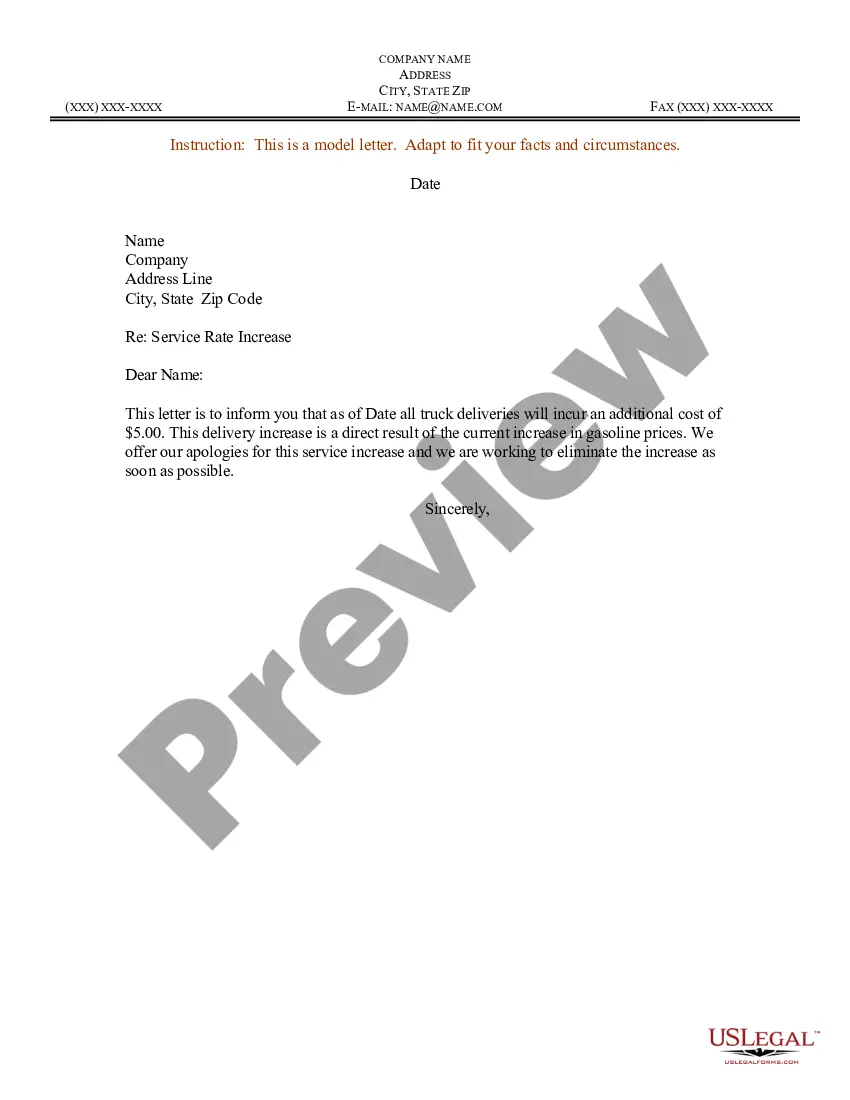
Looking for another form?






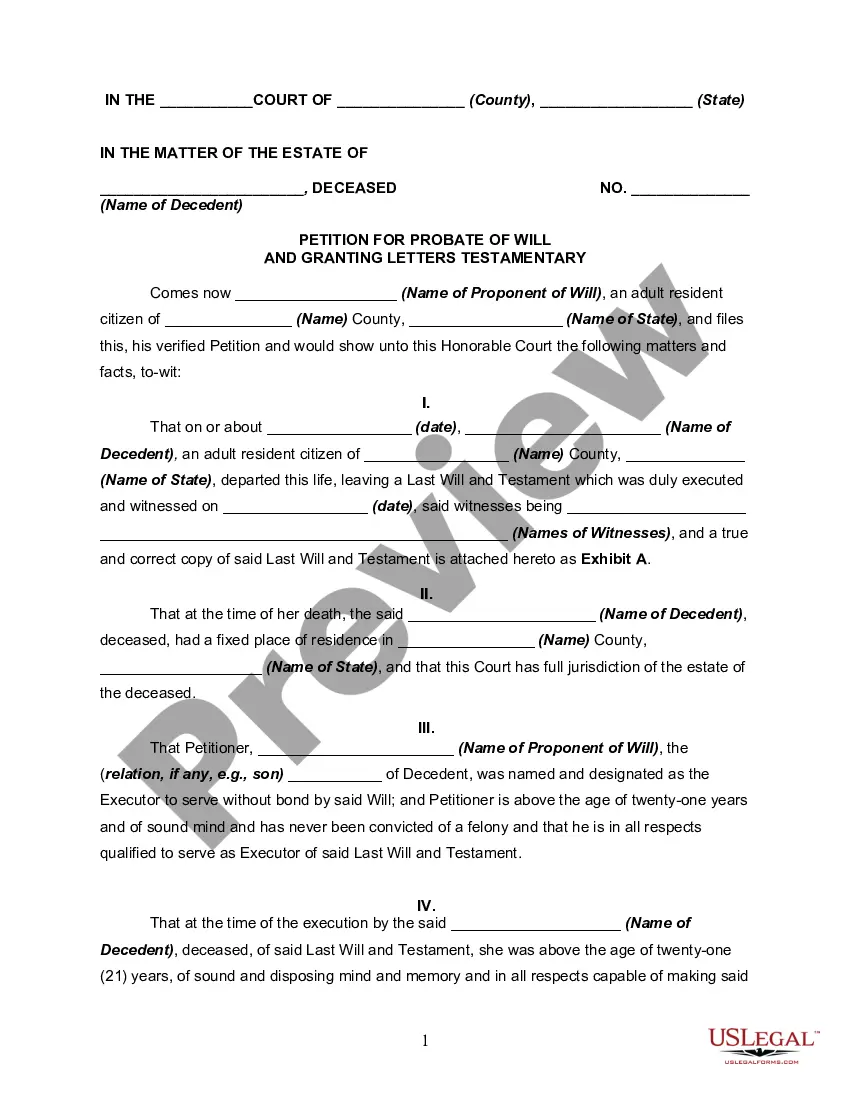


Form popularity
FAQ
Answer: After a judicial foreclosure in Arizona, the debtor or his successors in interest ordinarily may redeem at any time at any time within six months after the date of the sale (A.R.S. 33-12-1282).
Notice of a Nonjudicial Foreclosure To officially start a nonjudicial foreclosure in Arizona, the trustee records a notice of sale in the land records. The sale date can't be any sooner than 91 days after the date the trustee records the notice. (Ariz.
In Arizona, the trustee starts the foreclosure process by the recording of a notice of sale in the county recorder's office. The notice must include the date, time, and place of the sale. The sale date can't be sooner than the 91st day after the notice of sale's recording date.
Arizona lenders typically need between 90 and 120 days to foreclose on a property in a non judicial foreclosure process that is uncontested by the borrower.
If the borrower's outstanding debt exceeds the property's current market value, the lender may refuse to proceed with a deed in lieu of foreclosure.
The sale must take place between 9 a.m. and 5 p.m. on the date listed on the notice, which cannot be a Saturday or a legal holiday. The property is sold to the highest bidder who must make payment at the end of the auction.
In Arizona, the trustee starts the foreclosure process by the recording of a notice of sale in the county recorder's office. The notice must include the date, time, and place of the sale. The sale date can't be sooner than the 91st day after the notice of sale's recording date.
Federal law states that a bank may initiate foreclosure after 120 days of missed payments.

