Loan Payoff Form With Guarantor In Nevada
Description
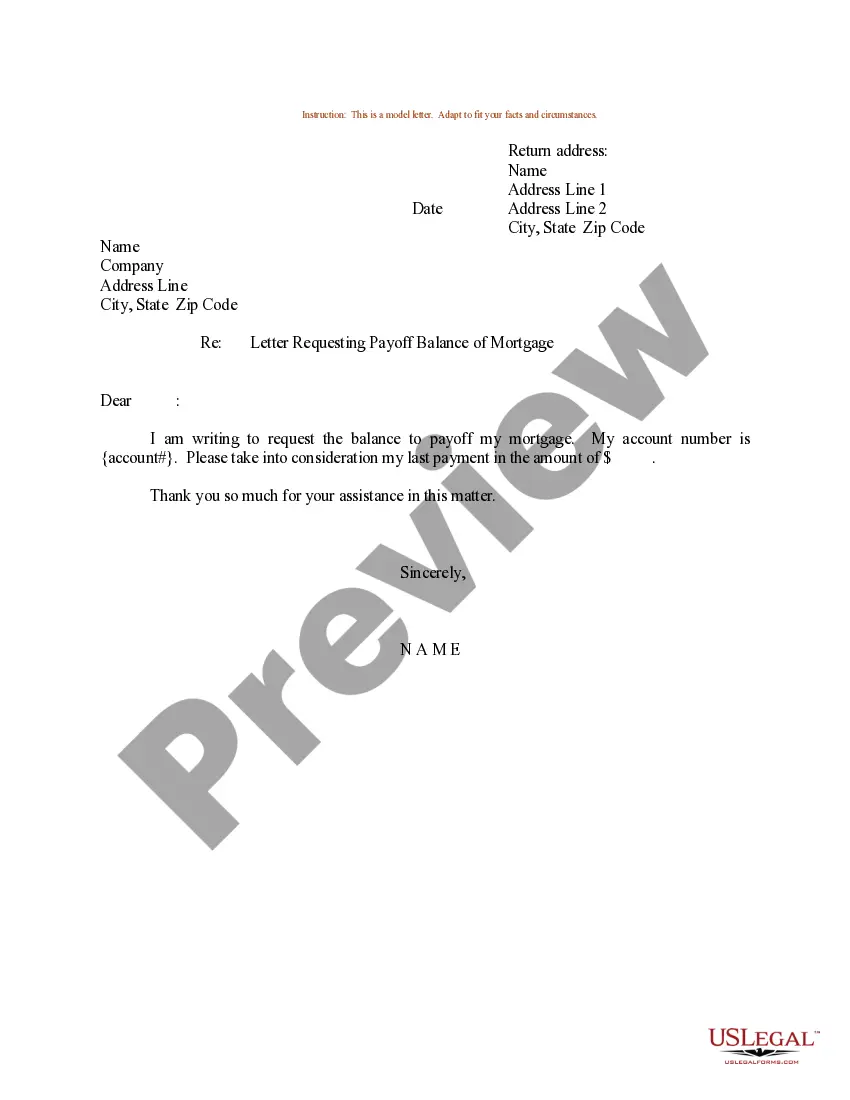
Get your form ready online
Our built-in tools help you complete, sign, share, and store your documents in one place.
Make edits, fill in missing information, and update formatting in US Legal Forms—just like you would in MS Word.
Download a copy, print it, send it by email, or mail it via USPS—whatever works best for your next step.
Sign and collect signatures with our SignNow integration. Send to multiple recipients, set reminders, and more. Go Premium to unlock E-Sign.
If this form requires notarization, complete it online through a secure video call—no need to meet a notary in person or wait for an appointment.
We protect your documents and personal data by following strict security and privacy standards.

Make edits, fill in missing information, and update formatting in US Legal Forms—just like you would in MS Word.

Download a copy, print it, send it by email, or mail it via USPS—whatever works best for your next step.

Sign and collect signatures with our SignNow integration. Send to multiple recipients, set reminders, and more. Go Premium to unlock E-Sign.

If this form requires notarization, complete it online through a secure video call—no need to meet a notary in person or wait for an appointment.

We protect your documents and personal data by following strict security and privacy standards.
Looking for another form?







Form popularity
FAQ
An otherwise valid and enforceable personal guaranty can be revoked later in several different ways. A guaranty, much like any other contract, can be revoked later if both the guarantor and the lender agree in writing. Some debts owed by personal guarantors can also be discharged in bankruptcy.
As a guarantor you can only be removed by consent of the Landlord. You can not remove yourself without consent or the agreement itself ends. Therefore at the end of 12 months and your son is on a periodic tenancy, if he signs a new agreement, you would be released.
As a guarantor you can only be removed by consent of the Landlord. You can not remove yourself without consent or the agreement itself ends. Therefore at the end of 12 months and your son is on a periodic tenancy, if he signs a new agreement, you would be released.
The primary difference between a co-signer and a guarantor is how soon each individual becomes responsible for the borrower's debt. A co-signer is responsible for every payment that a borrower misses. However, a guarantor only assumes responsibility if the borrower falls into total default.
However, there are steps you can take; Take Out Personal Guarantee Insurance. Renegotiating The Contract Upon Which the Personal Guarantee Is Attached. Go into an Individual Voluntary Arrangement (IVA) ... Go Bankrupt.
As a guarantor you can only be removed by consent of the Landlord. You can not remove yourself without consent or the agreement itself ends. Therefore at the end of 12 months and your son is on a periodic tenancy, if he signs a new agreement, you would be released.
