Sample Mortgage Statement With Ppp In Massachusetts
Description
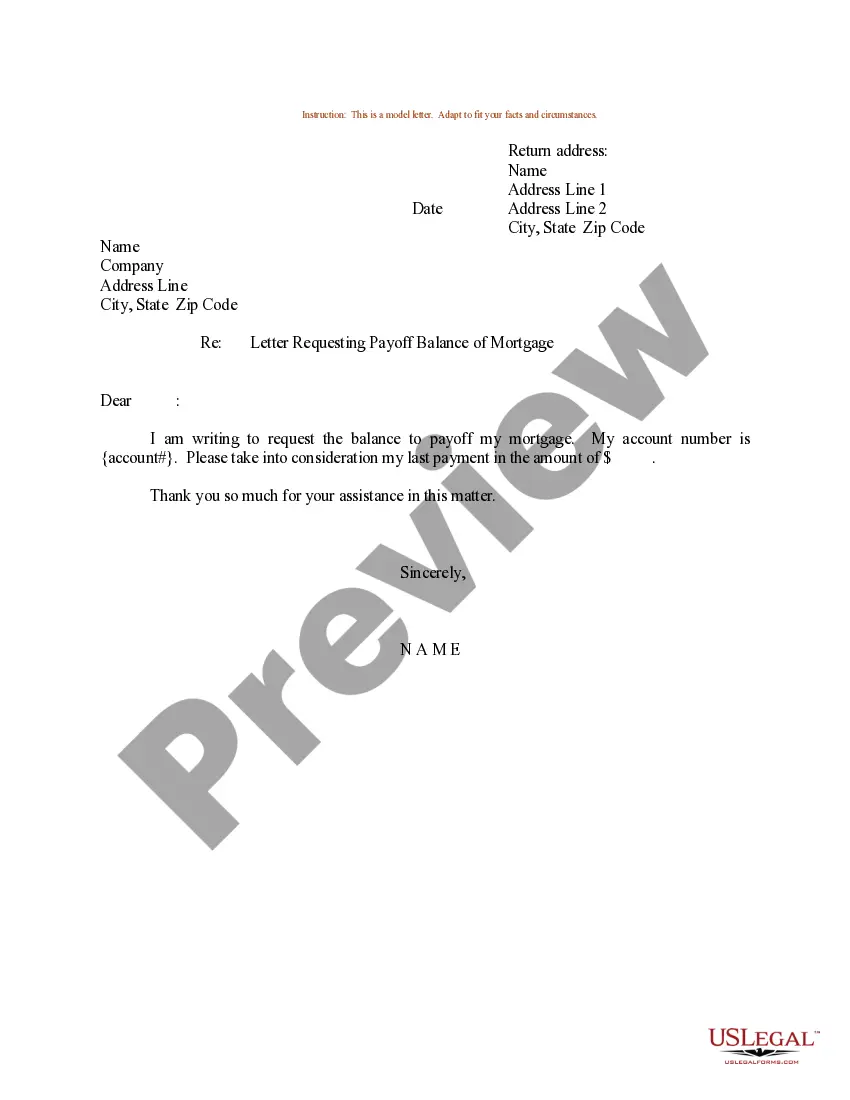
Get your form ready online
Our built-in tools help you complete, sign, share, and store your documents in one place.
Make edits, fill in missing information, and update formatting in US Legal Forms—just like you would in MS Word.
Download a copy, print it, send it by email, or mail it via USPS—whatever works best for your next step.
Sign and collect signatures with our SignNow integration. Send to multiple recipients, set reminders, and more. Go Premium to unlock E-Sign.
If this form requires notarization, complete it online through a secure video call—no need to meet a notary in person or wait for an appointment.
We protect your documents and personal data by following strict security and privacy standards.

Make edits, fill in missing information, and update formatting in US Legal Forms—just like you would in MS Word.

Download a copy, print it, send it by email, or mail it via USPS—whatever works best for your next step.

Sign and collect signatures with our SignNow integration. Send to multiple recipients, set reminders, and more. Go Premium to unlock E-Sign.

If this form requires notarization, complete it online through a secure video call—no need to meet a notary in person or wait for an appointment.

We protect your documents and personal data by following strict security and privacy standards.
Looking for another form?



Form popularity
FAQ
Your annual mortgage statement will detail everything about your mortgage, including the: type of mortgage you have. length of your mortgage deal. remaining mortgage term.
A mortgage statement will show the current mortgage balance, current interest rate, amount remaining on the mortgage term and amortization and the contact information for the mortgage holder. A mortgage statement may also provide a history of payments from the date of the last issuance.
The letter should include an explanation regarding the negative event, the date it happened, the name of the creditor and your account number. It should also include an explanation of why you don't see this problem happening again.
How To Fill Out the Personal Financial Statement Step 1: Choose The Appropriate Program. Step 2: Fill In Your Personal Information. Step 3: Write Down Your Assets. Step 4: Write Down Your Liabilities. Step 5: Fill Out the Notes Payable to Banks and Others Section. Step 6: Fill Out the Stocks and Bonds Section.
Include details about the property, such as its address, type, and any additional information required by the template. Provide a breakdown of your monthly mortgage payments, including the principal, interest, taxes, and insurance amounts.
Generally, yes. They are public record and subject to public scrutiny for a variety of reasons, starting with the fact that creditors need to know whether the property is subject to judgment or an exposed asset.
What is a mortgage statement? A mortgage statement is an accounting of all of the details about your mortgage, including the current balance owed, interest charges, interest rate changes (if you have an adjustable-rate mortgage) and a breakdown of your current and past payments.
There are some online tools you can use to look up who owns your mortgage. Many mortgages are owned by Fannie Mae and Freddie Mac. Both offer a mortgage look up tool on their website. You can look up your mortgage servicer by searching the Mortgage Electronic Registration Systems (MERS) website.
Mortgage statements are typically issued once a month via mail. You can also find them on your lender's or servicer's website. You might be able to receive them electronically, but it may be easier to spot any errors on a hard copy versus an electronic copy.
You can often obtain a property's mortgage records by using the address of the property, which is often easy to get ahold of. However, if you don't have the address and your lead came in another format, you can also search by the owner's name.

