Lien Payoff Letter Template With Car In California
Description
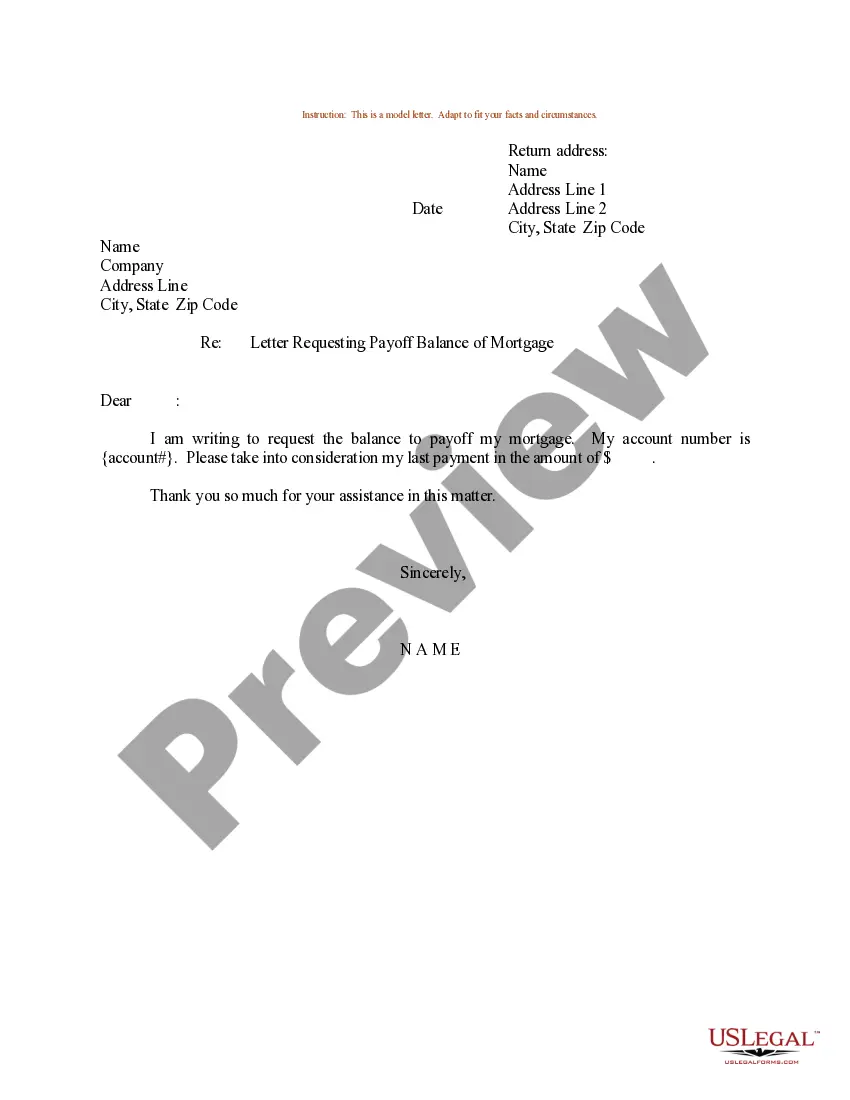
Get your form ready online
Our built-in tools help you complete, sign, share, and store your documents in one place.
Make edits, fill in missing information, and update formatting in US Legal Forms—just like you would in MS Word.
Download a copy, print it, send it by email, or mail it via USPS—whatever works best for your next step.
Sign and collect signatures with our SignNow integration. Send to multiple recipients, set reminders, and more. Go Premium to unlock E-Sign.
If this form requires notarization, complete it online through a secure video call—no need to meet a notary in person or wait for an appointment.
We protect your documents and personal data by following strict security and privacy standards.

Make edits, fill in missing information, and update formatting in US Legal Forms—just like you would in MS Word.

Download a copy, print it, send it by email, or mail it via USPS—whatever works best for your next step.

Sign and collect signatures with our SignNow integration. Send to multiple recipients, set reminders, and more. Go Premium to unlock E-Sign.

If this form requires notarization, complete it online through a secure video call—no need to meet a notary in person or wait for an appointment.

We protect your documents and personal data by following strict security and privacy standards.
Looking for another form?








Form popularity
FAQ
If you don't have the California Certificate of Title, you need to use an Application for Replacement or Transfer of Title (REG 227) to transfer ownership. The lienholder's release, if any, must be notarized. The buyer should then bring the completed form to a DMV office and we will issue a new registration and title.
In California, the process for enforcing a mechanical lien involves giving notice to the owner of the vehicle and any other interested parties, such as lienholders or insurance companies. The notice must include information about the lien, the amount owed, and the deadline for payment.
Although California has indicated prior history on titling documents for many years, vehicle history information is more prominently displayed on the latest revision of both the California Certificate of Title and Salvage Certificate, you will find the title brand in a red box, titled VEHICLE HISTORY, near the upper ...
In California, the process for enforcing a mechanical lien involves giving notice to the owner of the vehicle and any other interested parties, such as lienholders or insurance companies. The notice must include information about the lien, the amount owed, and the deadline for payment.
Here's how to get a car title: Go to your DMV with your bill of sale and any other required identification documentation. Buy a surety bond, which ensures your vehicle is clear of any problems, allowing you to be listed as the new owner. Secure a bonded title. Register your vehicle.
Any person known to have an interest in the vehicle may stop your lien by filing a Declaration of Opposition with the California Department of Motor Vehicles within the time frame allowed by law (Typically within 10 days of mailing the Notice of Pending Lien Sale.)
You can also obtain a judgment lien and place it on real property such as a house or even personal property such as an automobile. In California, a lien is a property right that secures a creditor's right to payment.
A payoff request allows a third party to receive the current balance due to release a lien or facilitate a business transfer (bulk sale transfer or liquor license). To release a lien or facilitate a bulk sale transfer, businesses must be in good standing to receive a payoff request.

