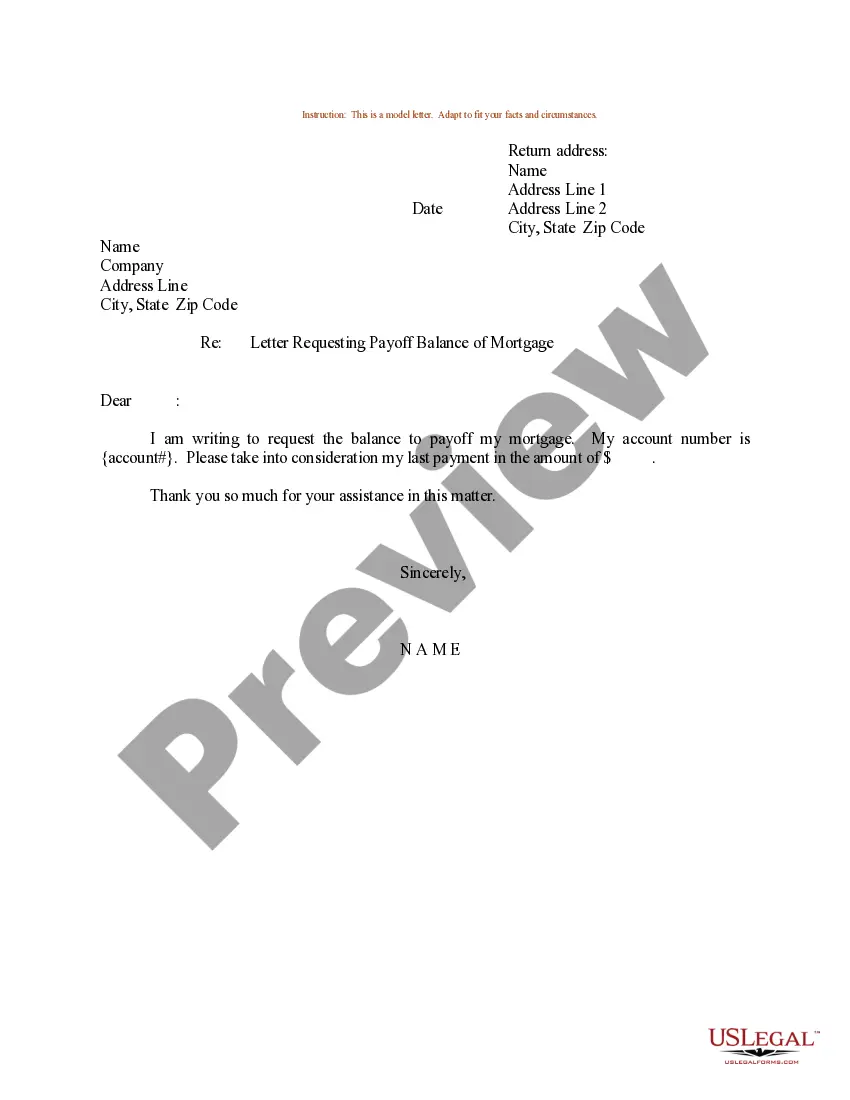
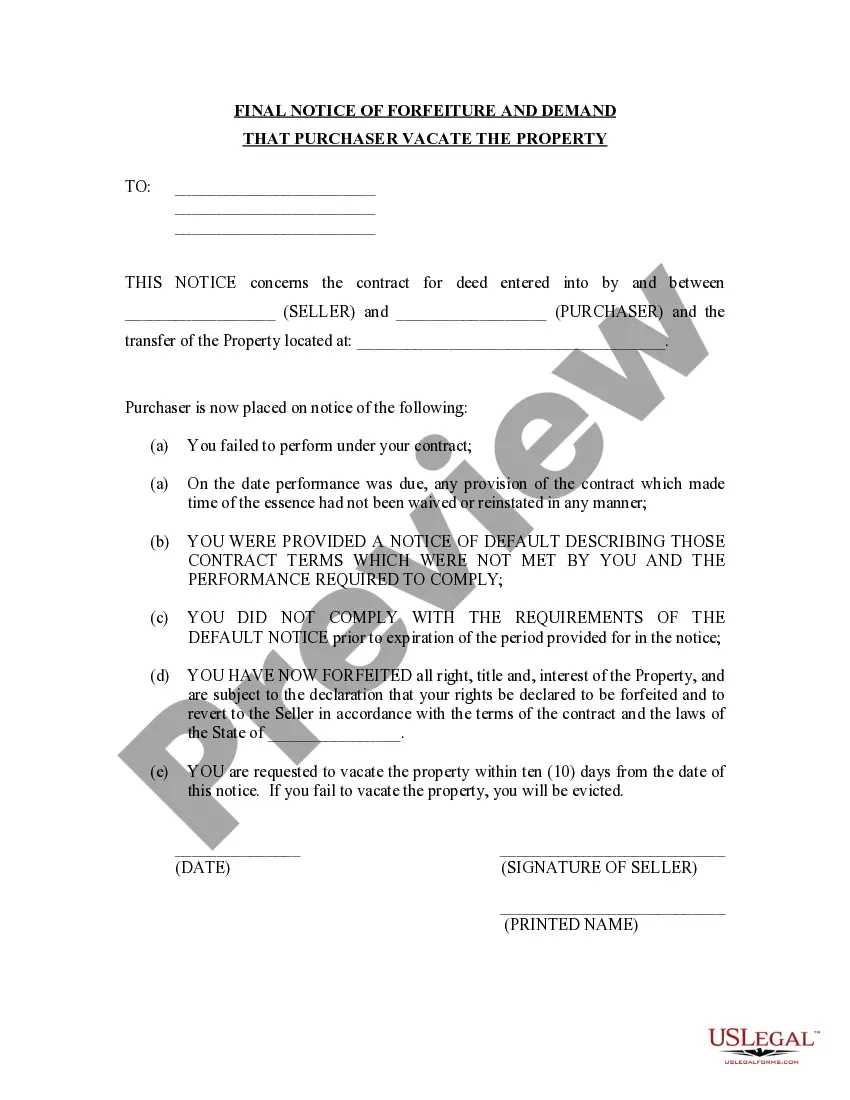
Lien Release Letter For Car Template In Allegheny
Description
Get your form ready online
Our built-in tools help you complete, sign, share, and store your documents in one place.
Make edits, fill in missing information, and update formatting in US Legal Forms—just like you would in MS Word.
Download a copy, print it, send it by email, or mail it via USPS—whatever works best for your next step.
Sign and collect signatures with our SignNow integration. Send to multiple recipients, set reminders, and more. Go Premium to unlock E-Sign.
If this form requires notarization, complete it online through a secure video call—no need to meet a notary in person or wait for an appointment.
We protect your documents and personal data by following strict security and privacy standards.

Make edits, fill in missing information, and update formatting in US Legal Forms—just like you would in MS Word.

Download a copy, print it, send it by email, or mail it via USPS—whatever works best for your next step.

Sign and collect signatures with our SignNow integration. Send to multiple recipients, set reminders, and more. Go Premium to unlock E-Sign.

If this form requires notarization, complete it online through a secure video call—no need to meet a notary in person or wait for an appointment.

We protect your documents and personal data by following strict security and privacy standards.
Looking for another form?








Form popularity
FAQ
Wyoming, Texas, and Mississippi are the only states that require a person signing a lien waiver to have it notarized. The notarization requirement does not apply in Washington and Oregon, the two states we primarily serve at Northwest Lien.
If the lien is released by the lienholder on Form MV-38O(opens in a new tab), or with a notarized lien release statement on lienholder's letterhead, PennDOT's counter service area will accept a properly completed application and issue a duplicate title to the vehicle owner (with proper owner ID) with no lien.
The MV-4ST form serves to apply for a Certificate of Title in Pennsylvania, crucial for vehicle registration and ownership verification. This document is necessary for individuals and businesses alike, helping to establish legitimate ownership of vehicles.
If the lien is released by the lienholder on Form MV-38O(opens in a new tab), or with a notarized lien release statement on lienholder's letterhead, PennDOT's counter service area will accept a properly completed application and issue a duplicate title to the vehicle owner (with proper owner ID) with no lien.
Buying a New Vehicle For more information about this program, visit the Pennsylvania Clean Vehicles Program(opens in a new tab) page. MCO and MSO documents are used in conjunction with Form MV-1, “Application for Certificate of Title.” This form is only available from authorized agents of PennDOT.
How long does it take to get your car title from the bank? Generally, it takes two to six weeks, but it will depend on your state's processes.
Only a court order can substitute for a lien release if the company will not offer one. Typically, you'll need to sue the lender but also the DMV. As the court order must include the DMV as a party so that they can enforce it. You will find it in your local courthouse and include your state's DMV.
If you don't have a title in hand you'll have to process the lien release before you can sell it.
